With each of the more than 23,000 breaths we take per day, air travels through the respiratory system into the lungs, where vital gas exchange occurs: oxygen is absorbed, and carbon dioxide is expelled. This involuntary and essential act also triggers another, less visible but deeply impactful process—our perception of smell. As air passes through the nasal cavity, odor molecules come into contact with olfactory receptors located in the olfactory epithelium. These receptors send signals directly to the olfactory bulb, which is part of the limbic system—the area of the brain linked to memory and emotion. Far from being a secondary sense, smell acts as a direct bridge between the environment and our deepest emotional responses. Scents carry a unique power to evoke vivid memories, elicit comfort or immediate aversion, and influence our emotional state almost instantaneously.
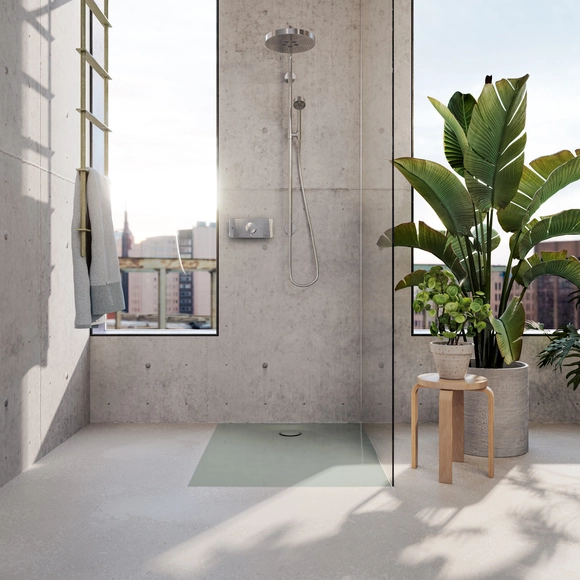
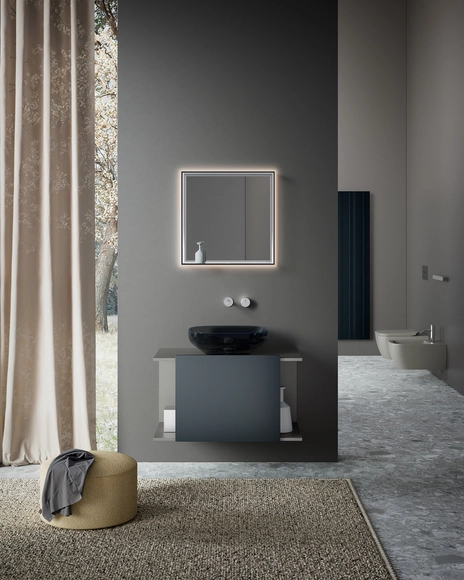
Paradoxically, the bathroom is usually both the most compact room in a house and the one with the greatest technical complexity: it's where electricity, cold and hot water networks, sewage, ventilation, and often gas converge. As such, its design must be optimized to accommodate pipes, valves, drains, and connections without compromising aesthetics or functionality. The strategic placement of plumbing points, accessories, cabinets, and lighting should aim to make the space efficient and functional, ideally transforming these typically compact areas into comfortable and visually appealing sanctuaries. Every decision matters — from product selection to the installation height of a shower tray.
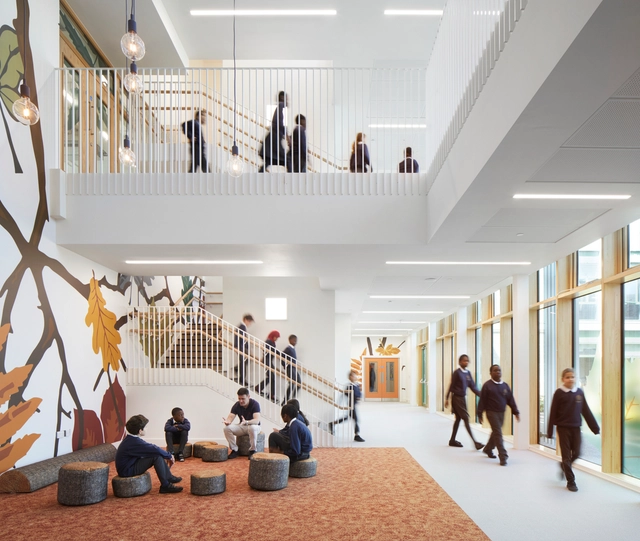
The internal environment is the focus of this second article about designing for noise to improve well-being. According to several recent studies, noise in cities has become an increasing hazard to health. Environmental noise, that is, noise from traffic, industrial activities, or amplified music, which reaches internal spaces, is not merely an annoyance. It has been linked to cardiovascular disease, diabetes, dementia, and mental health issues. As the world urbanizes, more people are exposed to excessive levels of noise. In medium- and high-density housing, in office buildings, and in schools, noise pollution can emanate from internal as well as external sources.
Work always evolved, adapting to the tools, technologies, and social structures of its time. In the earliest human societies, basic survival was the driving force behind labor, with hunter-gatherers dividing essential tasks to meet elementar needs. The Agricultural Revolution marked a turning point, introducing permanent settlements and specialization, which led to the emergence of labor division in ancient civilizations. As time progressed, the Middle Ages saw the rise of the feudal system, while trade and guilds laid the groundwork for a monumental shift: the Industrial Revolution. This era transformed work from artisanal, home-based production to centralized, large-scale factory systems.
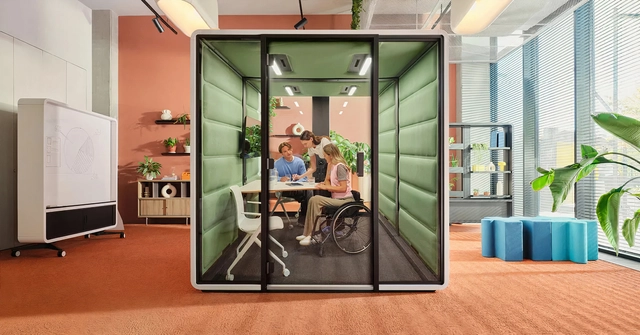
Before industrialization, many service providers worked from home. But as factories grew, the workforce became centralized, transforming the relationship between worker and workplace. The rise of the service sector and modern corporations gave rise to office spaces that were often rigid and compartmentalized, like the iconic cubicles of the 20th century. Now, as work becomes increasingly digital and decentralized, offices are transforming again. Open layouts, specialized zones, and modular pods are replacing static configurations, promoting flexibility, focus, collaboration, and well-being. But how do innovations in modern workspaces respond to the demands of today's professionals?
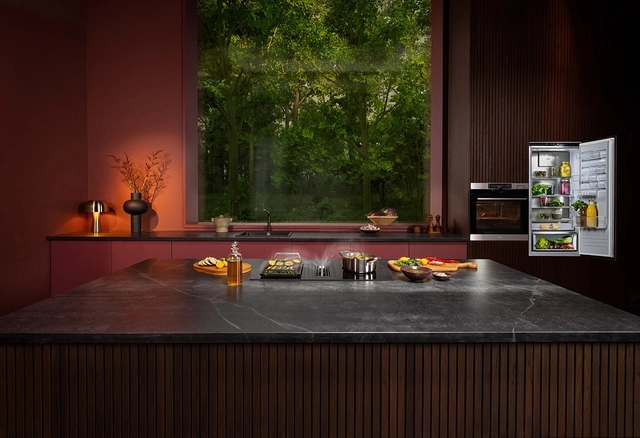
The role of the kitchen has undergone a remarkable transformation—evolving from a purely functional space into the central hub of the home, where creativity thrives and meaningful connections are made. This shift is closely linked to the growing popularity of cooking as a hobby, spurred by a surge in culinary-focused TV shows and dedicated channels. It reflects a broader cultural movement towards authenticity in an increasingly digital world—a counterpoint to the fast-paced nature of modern life that emphasizes a slower, more mindful lifestyle, often referred to as "slow living".
This trend also aligns with a growing focus on health and wellness, as well as a renewed appreciation for nature and cultural heritage. Today, the kitchen is more than just a place to prepare meals—it's where families gather, friends connect, and culinary skills are honed and celebrated. Yet, even an activity as elemental and hands-on as cooking can be transformed by technology. Beyond traditional electronic utensils and appliances that simplify many processes, Artificial Intelligence is emerging as a powerful ally in the modern kitchen.
Functionality is non-negotiable when designing, but crafting the right ambiance is crucial—especially in bathrooms and kitchens, where a few well-chosen finishes, hues, and fittings can completely transform the atmosphere and favor the composition of a cohesive environment. Concepts such as beauty, quality, and variety drive much of the design process of these spaces, encouraging what some might perceive as an aspiration for perfection in all dimensions. The interaction of these factors enhances both the visual composition and the user experience, shaping a balanced and appealing setting that adapts to the evolving architectural and design language.
https://www.archdaily.com/1026872/crafting-an-aura-of-perfection-with-intense-metallic-finishes-in-modern-interiorsEnrique Tovar
Every detail in the construction of an environment has a significant impact. The layout, composition, furniture, color range, and materials work together to create a cohesive and immersive experience in the perception of space. In bathroom design, this integration extends beyond aesthetics, aiming to ensure that every choice— from materiality to the form of furniture— contributes to economically viable, functional spaces with an aesthetic that doesn't rely on exclusivity. Architects and designers can shape diverse settings without sacrificing quality or visual coherence by focusing on cost-effectiveness and well-resolved solutions. In this sense, a democratic approach to design becomes a tool for creating environments where quality, functionality, and affordability are core principles.
https://www.archdaily.com/1028204/next-gen-living-customizable-high-quality-bathroom-design-within-reachEnrique Tovar
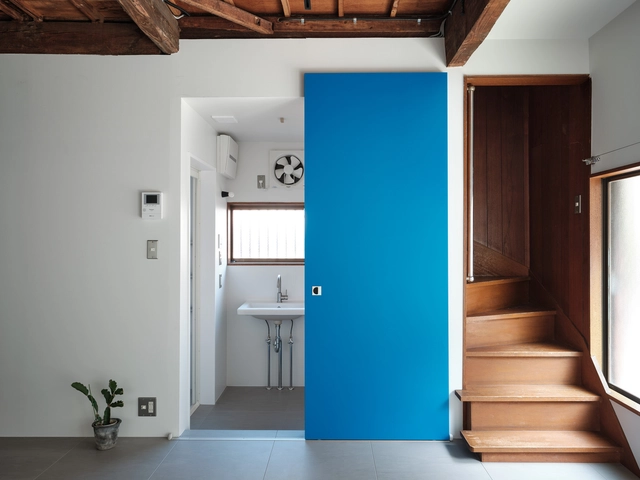
The choice of door types plays a crucial role in defining the spatial experience and atmosphere of architecture. Beyond material or style, the way a door is detailed—its movement, weight, and method of operation—can drastically influence how a space is perceived and navigated. However, what truly enables the functionality of different door types is the often-overlooked element of door hardware. Even within the same door type, the selection of hinges, tracks, pivots, and handles can significantly affect how users interact with and interpret the space.
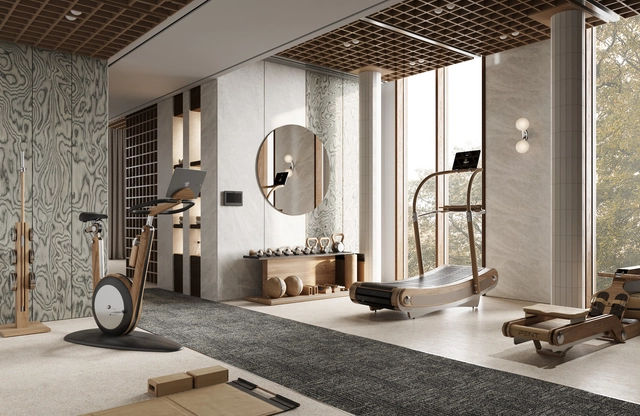
As time progresses, our understanding of the spaces we inhabit evolves in response to changing circumstances. This transformation is natural and essential, as architecture must adapt to the unique demands of each era. Recent global trends, particularly remote work, have highlighted the need for adaptability in design. Coupled with a generational shift that brings fresh perspectives on the built environment, these factors have driven notable changes in interior design, reshaping our understanding of comfort—not just at home but also in gyms, where people now spend more time. This evolution invites a reconsideration of how we engage with our surroundings based on our experiences. As a result, fitness spaces are undergoing an interesting transformation in light of these changing perceptions.
https://www.archdaily.com/1022906/reimagining-gym-spaces-the-rise-of-design-driven-fitness-experiencesEnrique Tovar
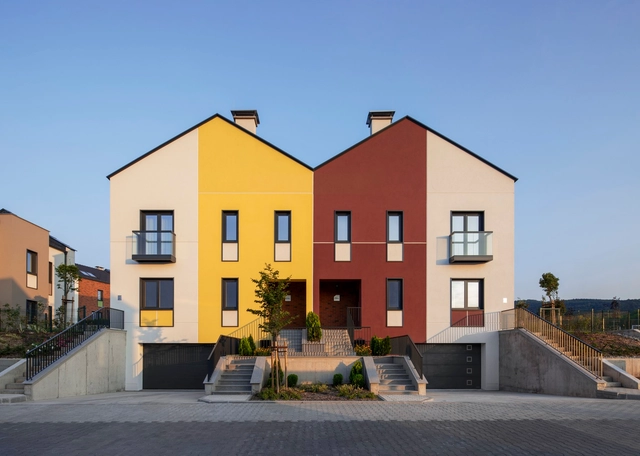
Architecture evolves, particularly in how it reflects the relationships between people, their behavior, and the environment. Even subtle variations in these dynamics can influence how we think and live in our communities. According to the World Bank, 56% of the population currently lives in urban environments, and it is estimated that by 2050 this number will reach 70%. This projection echoes the speed and magnitude of urban growth, posing challenges for architects and design firms, from the viability of buildings to the sustainability of the built environment, encompassing residential architecture and other typologies that influence daily life.
https://www.archdaily.com/1027788/case-studies-in-community-centered-living-innovative-residential-designEnrique Tovar
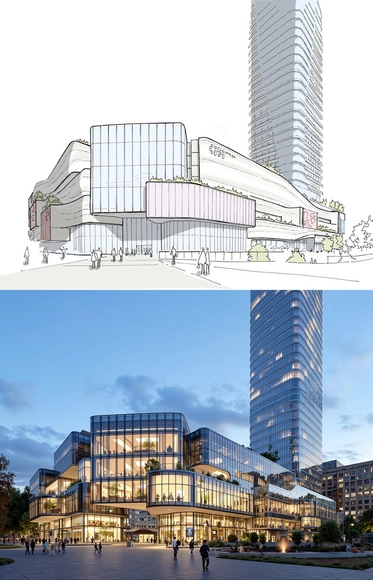
Architecture is a discipline that evolves through progressive stages, with each phase building upon the previous one. Schematic design, for example, begins with broad concepts and initial explorations, followed by site analysis, sketches, and 3D models, with adjustments made along the way. The true challenge lies not just in following this sequence but in balancing speed, quality, and efficiency to navigate the trade-off between time and quality. In this context, the integration of generative artificial intelligence in the built environment reshapes architectural dynamics by assisting architects and creating space for more experimentation and exploration. Its impact is especially significant in rendering, which was previously a constraint at different project stages—particularly during concept development. Today, however, AI-powered architectural rendering operates smoothly, allowing more focus on creative problem-solving through innovative tools and strategies.
https://www.archdaily.com/1027260/how-ai-powered-rendering-crushes-bottlenecks-in-architecture-and-interior-designEnrique Tovar
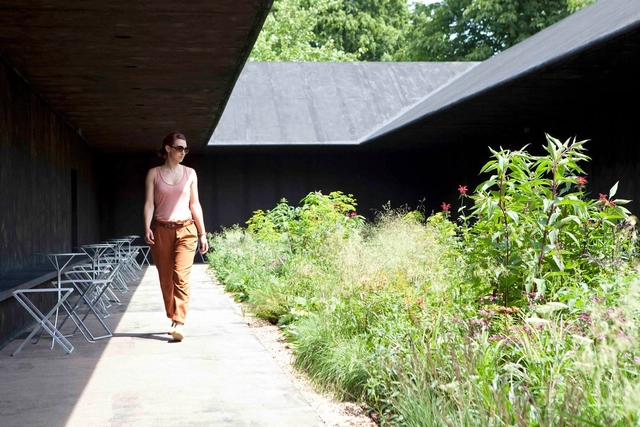
Serpentine Gallery Pavilion 2011, designed by Peter Zumthor. Photo by Walter Herfst
In 1902, physicist Philipp Lenard discovered that the breaking of water droplets in waves, waterfalls, rain, or mist releases negative ions into the air. This occurs because, upon breaking, the droplets separate their electrical charges: electrons, which are smaller and lighter, adhere to suspended particles in the air, while positive charges remain in the water or dissipate quickly. This phenomenon increases the concentration of negative ions in the environment, which can directly influence our body and mind, interacting with neurotransmitters and essential cellular functions. It is no coincidence that many people report feelings of well-being, energy, and mental clarity after spending time at beaches, waterfalls, or forests. In Japan, this connection with nature is explored in the practice of Shinrin-Yoku, or "forest bathing," which promotes relaxation and revitalization simply through contact with the natural environment.
Doors are among the most frequently used architectural elements in any occupied building, serving as movable thresholds that negotiate between private and public spaces. They facilitate both connection and separation among co-inhabitants. Yet, despite their fundamental role, doors are often one of the most overlooked design elements, particularly by clients. In discussions with industry professionals on various interior projects, a common consensus emerges—clients typically pay little attention to door types and details as long as the opening direction aligns with their expectations. However, the world of door design is an intricate one, offering a wealth of possibilities in finishes, installation methods, and modes of operation—each of which can significantly shape the spatial experience beyond the simple matter of swing direction.
The choice of door type and detailing can define or redefine a space entirely. Some doors offer superior sound insulation, while others remain open to connect spaces, enhancing spatial fluidity seamlessly. Certain designs require meticulous installation and ongoing maintenance, while others are virtually hassle-free. Moreover, the type of door selected, particularly that of the hinge, influences not only wall construction but also flooring layers and transitions, adding further complexity to the design process.
Doors are part of our daily routine, opening and closing so naturally that we rarely consider how they work. That is why, when discussing innovations in their design, many might think, "If it ain't broke, don't fix it." However, just because something functions well doesn't mean it can't be improved. Doors are no exception—their components can be optimized for better performance without changing their fundamental nature. Instead of sticking to the familiar, why not open the door for enhancement? Pivot doors are a clear example. In addition to offering aesthetic versatility and nearly endless design possibilities, their opening system on a central axis allows for fluid and controlled movement, especially indoors. However, a challenge remains in their design: making them hold steady at different angles.
https://www.archdaily.com/1026629/and-yet-it-holds-a-pivot-hinge-system-that-keeps-doors-at-every-90-degrees-angleEnrique Tovar
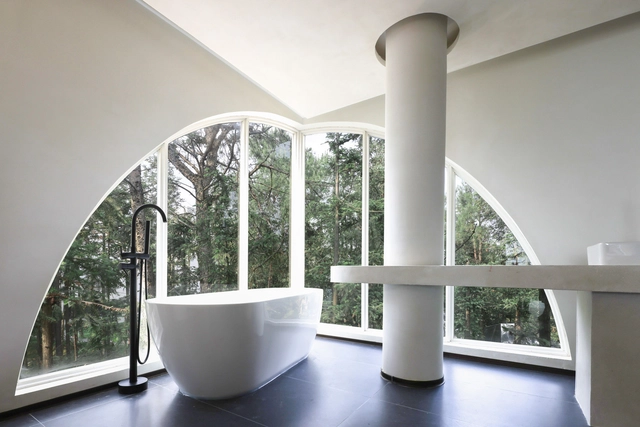
Bathrooms play a significant role in our daily lives, serving multiple functions beyond basic hygiene. Research highlights their importance as relaxation, introspection, and personal wellness spaces. A bathroom's design and comfort can profoundly influence how we begin and end our day, framing our routines with a sense of ease or disruption. When traveling, hotel bathrooms often leave a lasting impression, as a well-designed and thoughtfully executed bathroom can significantly elevate the overall experience of a stay.
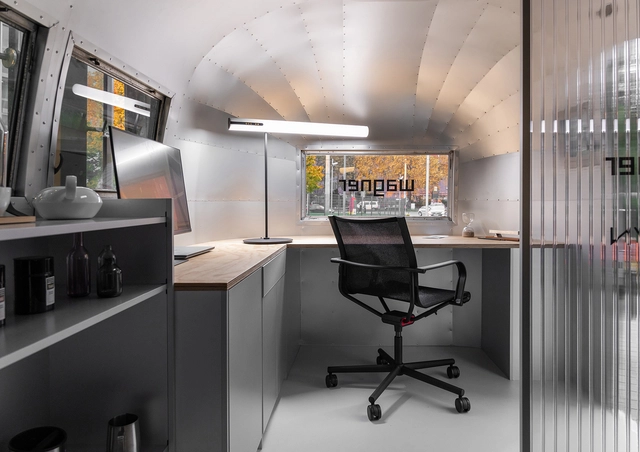
Wagner hits the road in 2025 with the Airstream Roadshow, an immersive experience that inspires new perspectives on office spaces. Under the motto 'It's time for bespoke interior design,' the traveling exhibition highlights the iconic 1962 Airstream Bambi, converted into a mobile working space to showcase Wagner's D2 bespoke interior system, designed by renowned studios Gonzalez Haase AAS and Stefan Diez. As the Airstream travels across Germany, design enthusiasts are invited to explore the lightweight aluminum construction and witness live 3D printing in action.
The post-pandemic world has undergone transformations in various aspects, including urban tourism and new modes of travel. With the rise of remote and freelance work, many people now have the freedom to move between cities without needing to establish a permanent residence. This has turned bars, restaurants, and cafés into more than just spaces for consumption: they are now temporary offices and, in many cases, settings for a variety of activities.
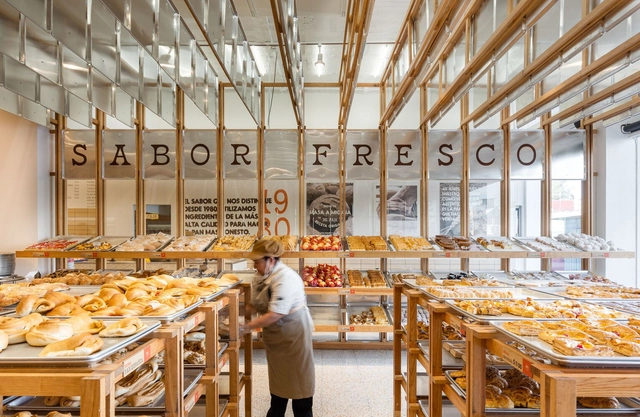
On the other hand, shops and retail spaces have evolved to offer more than just the sale of products or services. They have become part of a holistic consumer experience, fostering an emotional connection with users.
Videos
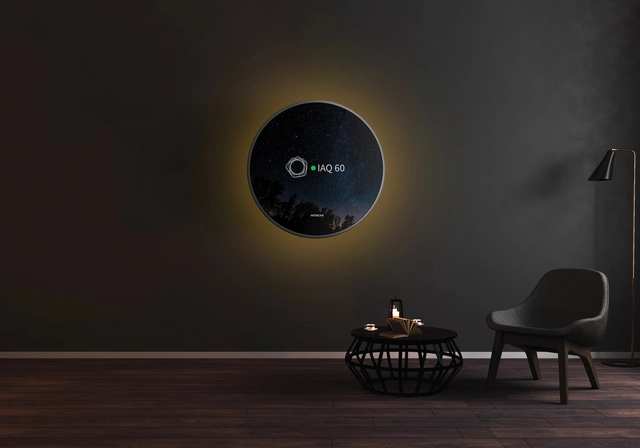
Images of 'airPure' design concept (3D renders). Image Courtesy of Johnson Controls-Hitachi Air Conditioning
The first air conditioning systems were created by electrical engineer Willis Carrier in 1902 to solve a problem for a printing press in Brooklyn, New York, where humidity threatened to ruin the paper. Since then, air conditioning has evolved from a revolutionary thermal comfort system into an essential element of homes and workplaces. Initially, the units were large and centralized, hidden away due to their ducted system nature. However, this approach is rapidly changing as more energy-efficient efficient ductless air conditioners become more integrated into contemporary interiors.