As trivial as the act of flipping a switch and lighting up a room may seem, we've had to come a long way to have safe and reliable light sources. It is estimated that the first lamps were invented 70,000 years ago, consisting of hollowed out stones or shells filled with an absorbent material soaked with animal fat that could be ignited. The Egyptians, on the other hand, used decorated ceramic vessels filled with oil, which provided a constant flame. Candles were popularized during the Middle Ages, made of tallow (animal fat) or beeswax, and could be burned in simple candlesticks and chandeliers. It was in the late 19th century that Thomas Edison and his team invented an incandescent light bulb that could be mass manufactured and was economically viable, soon becoming the dominant form of lighting for much of the 20th century. Although it was a revolutionary invention at the time, we are now aware that these lightbulbs are not very efficient, and they were eventually replaced by fluorescent and, more recently, LED bulbs. But if we have already advanced so much in such a short time, what can we expect for the future of lighting, and more specifically, how will our interiors be lit in a few years or decades?
Research by the Science Museum Group based on objects from different periods of UK history shows how their colors have transformed over time, leaving vibrant tones behind and becoming grayer every day.
Cat Sleeman examined more than seven thousand photographs of everyday objects from the Science Museum Group Collection in research funded by the Creative Industries Policy and Evidence Center (PEC). From cameras to lamps and other household objects, they were organized into 21 different categories according to their use. The analysis was carried out based on counting pixels of different colors and also addressed the shape of the objects.
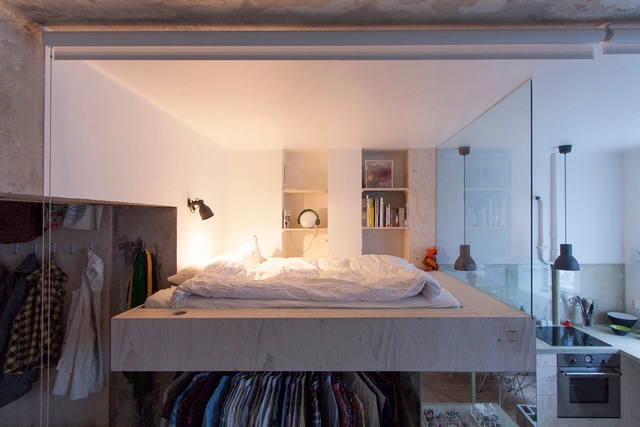
The bed, as an indispensable element, is an essential consideration in these experiments. Its functions can be fulfilled without completely losing the valuable space it occupies, and the bedroom experience can be enriched with careful thought. How can we reinvent and take advantage of the opportunities of the traditional bed?
Lighting is often a numbers game — too much, and interiors lose their edge (literally), too little, and the dim atmosphere can make a space seem bland. Its importance in interior design cannot be overstated: done right, it not only accentuates a space's architectural features but also makes inhabitants feel at ease. As Carmelo Zappulla of Lighting Studio External Reference explains in a recent interview with Architonic, light is a crucial tool to add an emotional element and "animate a space." It follows that a lighting concept gone wrong can have catastrophic consequences for an otherwise perfectly designed room.
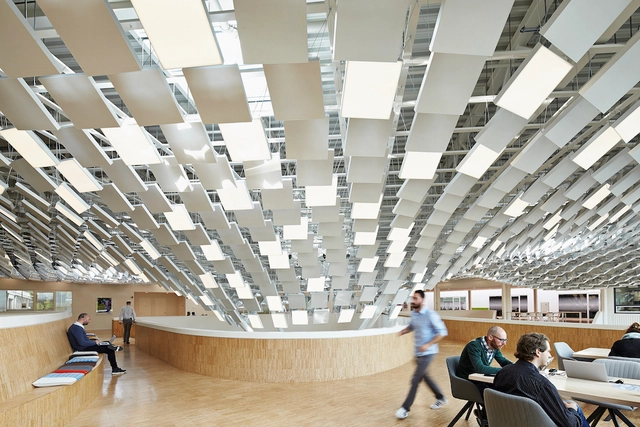
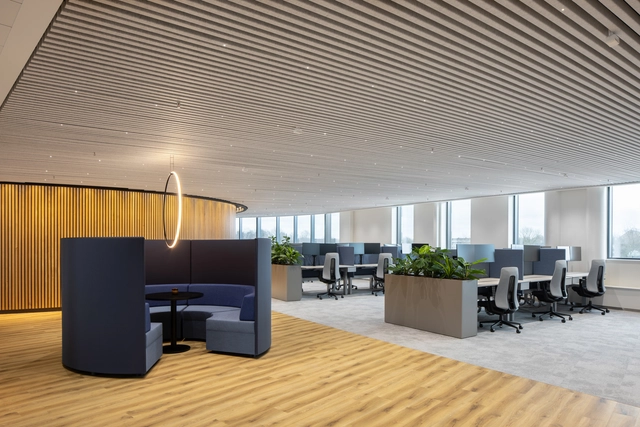
HeartFelt® Linear. Image Courtesy of Hunter Douglas & Inteco
Every day, architects and designers tackle an ambitious task: crafting spaces that not only captivate the eye but that also nurture the health and well-being of those who inhabit them. A key part of this mission involves implementing design strategies that foster a pleasant indoor climate, as temperature, humidity and air quality all have a significant impact on users’ mood, productivity and overall health. Humans simply operate better if they are comfortable and content in their home or working environment. Although air-conditioning, ventilation and heating systems have conventionally served as popular solutions to regulate indoor climate, they often carry with them undesirable consequences –the presence of dust and bacteria, the need for regular maintenance and a cluttered, unappealing look. There is, however, an alternative solution.
“Our planet is choking in plastic,” states the United Nations. While the man-made material has many valuable uses, our addiction to single-use plastic products has led to severe economic, health and environmental issues. Roughly one million plastic bottles are purchased every minute, and five trillion plastic bags are used every year worldwide –used just once, then thrown away. Plastics and microplastics have found their way into every corner of our natural environment, from the peaks of the highest mountains to the depths of the deepest oceans. So much so, that they have become part of the Earth’s fossil record and created an entirely new marine microbial habitat known as the “plastisphere.”
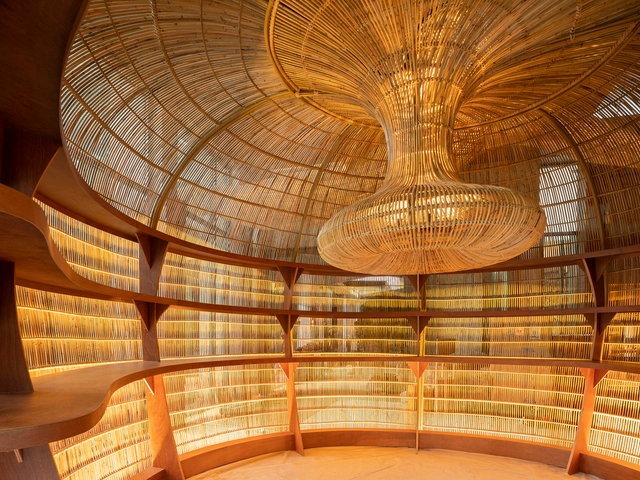
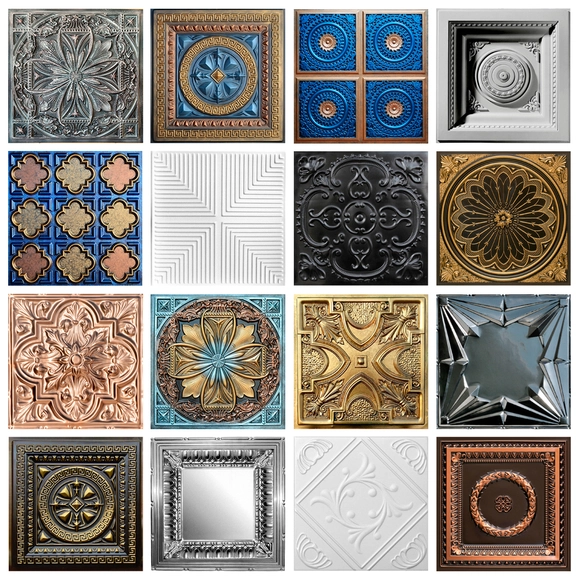
Ceilings were once a symbol of grandeur and opulence, adorning grand buildings, churches and palaces with their intricate and elaborate designs. We still find ourselves looking up in awe at these mesmerizing historical buildings, with our eyes drawn to their magnificent vaulted ceilings, remarkable truss structures or distinctive works of art depicting mythology, historical events and landscapes. Contemporary design, on the other hand, has shifted towards a sleek, minimalistic aesthetic; one where plain white ceilings have become the norm in most modern buildings. As Rasmus Wærn and Gert Wingårdh suggest in their book What is Architecture? And 100 Other Questions, “Ceilings have devolved from being the focal point of a room to being a zone for mechanical equipment.” And yet they have extraordinary creative potential.
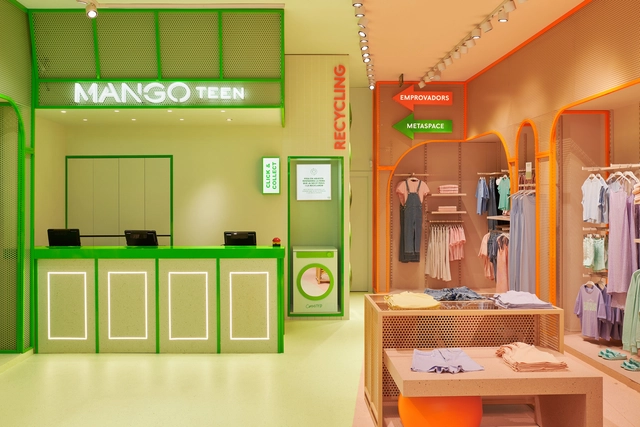
When one steps into a Starbucks, they almost instantly know they are in the famed coffeehouse, and not at a McDonald's. Apart from the uniformed staff and a giant sign at the door, there are countless other factors that make a Starbucks look like a Starbucks. Textures, materials, shapes, colors, layouts, furniture, and lighting all contribute to the experience of being in a branded environment. These elements are replicated globally to create an identifiable image. As economic patterns change, brands are looking at extending their identities into spatial experiences in order to better engage with their customers in their daily lives.
When children first learn to draw a house, there are four basic components they illustrate: a wall, a pitched roof, a door and one or more windows. Along with the common structural elements, windows have always been considered to be indispensable architectural features for their multiple functions. While providing views, daylight and natural ventilation, these insulate from cold and heat, protect from external threats and enhance a facade’s appearance. They are also associated with a strong poetic or symbolic value; it is through them that we are able to connect with and enjoy our surroundings, be it a beautiful natural landscape or a dense urban environment. An expressive part of any building, windows serve as a visual bridge between the inside and outside, acting somewhat as a refreshing escape from our everyday routine.
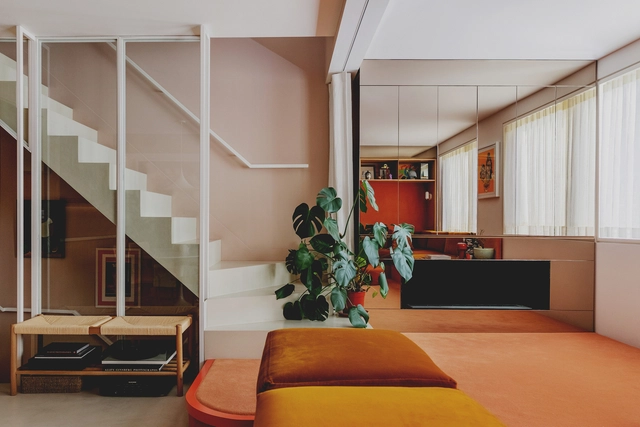
One plant makes all the difference with its color, texture, movements, and the celebration of its flowering. The green inside the homes offers several benefits. However, besides knowing which species are easier to grow, looking for more effective ways to blend the plants with the room can enhance the spatial experience. That is why we've selected some tips for placing the vases and planters around the house (or not).
Despite the initially slow and arduous process of molding glass into shape, mankind has used the material for thousands of years. According to archaeological evidence, the first human-made glass tools and jewelry were found in Eastern Mesopotamia and Egypt around 3500BC — and after the invention of the blowpipe in Syria in the 1st century BC and the Western Industrial Revolution made mass production easier, the material's signature traits of transparency and durability could finally be applied on a large scale in architecture and design.
Fast forward to the present day, and the use of glass for building facades and windows is well documented. But what about once we move inside? By treating glass for different levels of transparency, cleverly positioning it within a room, or employing its reflective surface to their advantage, interiors can benefit just as much from the material as exteriors.
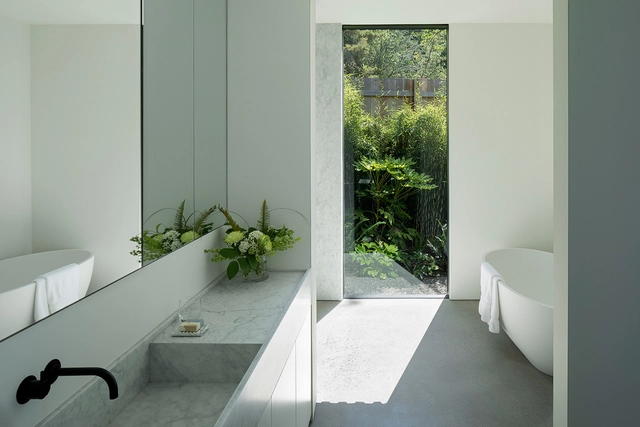
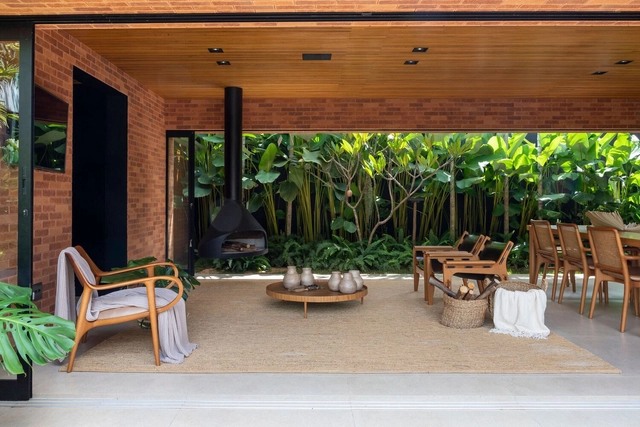
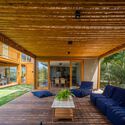
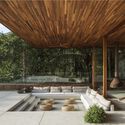
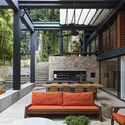
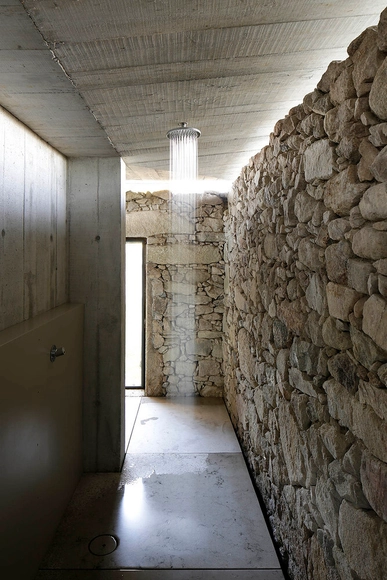
The connection between interior and exterior is one of the most desired qualities in architectural projects. Such feature appears in several architectural narratives, and it is achieved with distinction. It appears in unusual places such as bathrooms or kitchens, but it gains greater magnitude in living and meeting spaces.
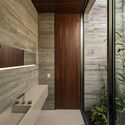
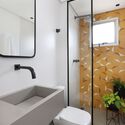
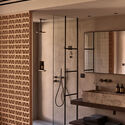
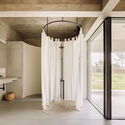
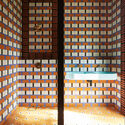
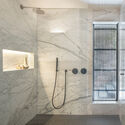
In a world that increasingly demands more from us, for many people the bath goes beyond a moment of hygiene. It can give you a few minutes to relax after a long day at work and recharge your batteries. Therefore, more and more people are looking for spaces that escape the usual when it comes to bathroom design. Showering can become a pleasurable experience that allows a momentary escape from everyday tasks, as the projects selected below can demonstrate.
Are you sitting comfortably right now? OK, I'll wait a few seconds so that you can adjust your posture and we can continue the text. As much as we all know that our backs should be upright, shoulders back and glutes against the back of the chair, as soon as we stop paying attention, we tend to let our body slide down the chair until our spine takes the shape of a big question mark. This can lead to various posture and circulation problems, chronic pain, and increased fatigue after a long day, week, month, or years of work. But know that you're not alone, and it's not (necessarily) your fault. What elements make a chair comfortable? How can they help you maintain a proper posture for longer? Is it possible to have design and comfort in the same product? In this article we will try to answer these questions and show some examples from the Architonic catalog.
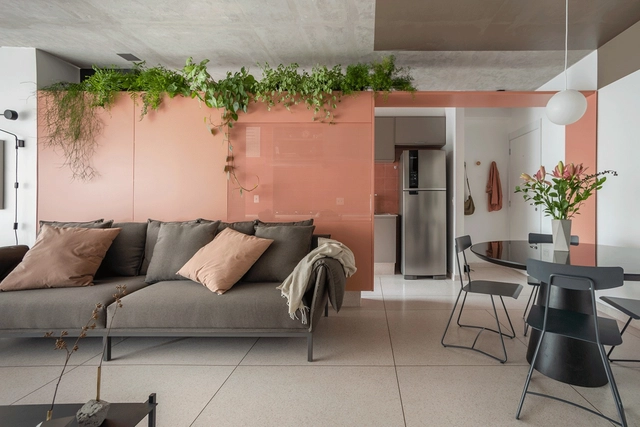
If ancient Hellenic sources are to be believed, hanging gardens have existed at least since antiquity when the famous Hanging Gardens of Babylon were described by writers such as Herodotus and Philo of Byzantium. Today, vertical gardens have proliferated alongside the interest in indoor plants and gardens, especially in suitable climates. This trend in architecture reflects a simultaneous uptick in interest toward sustainability and a more pastoral, back-to-nature lifestyle. In the projects listed below, several of the architects mention moving forward from an industrial past—with its concomitant environmental effects—toward a better future, or at least a secluded, fresh, and natural outpost amidst the chaos of modern city life. Indoor gardens, and the visual allure of hanging plants and climbing vines, provide the setting for such a life. These vertical designs simultaneously conserve space and embed the plants within the atmosphere of the house, ensuring the space feels as much like a garden as it does a comfortable home.
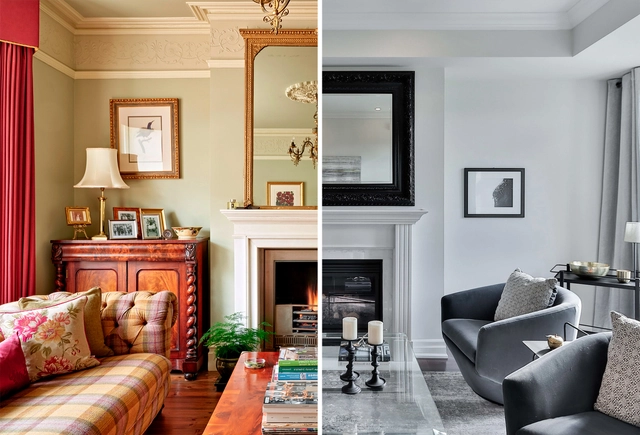
Home spaces filled with clutter and mess can be mentally exhausting, making it impossible to relax with the weight of life visually bearing down on an interior. ‘Tidy space, tidy mind’ as the idiom instructs, and home environments that focus on clean lines – either with a minimalist lifestyle, decluttering, or expansive and well-organized storage systems – cultivate a more meditative mindset. Perhaps, however, the demonization of clutter and these are, characterless spaces it creates, can get a little, well, boring.
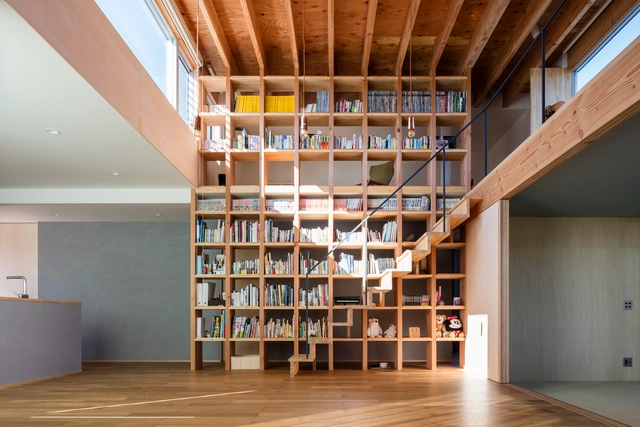
So-called ‘clutter’ can still spark joy when given an opportunity, however. So whether they hold treasured memories in photo frames, bookcases of stories not just in print, proud achievements, inspiring equipment, or functional items kept close to hand, open storage elements like shelving, doorless cabinetry, or hanging hooks and pegs can create decorative, textured and, most importantly, personalized surfaces.
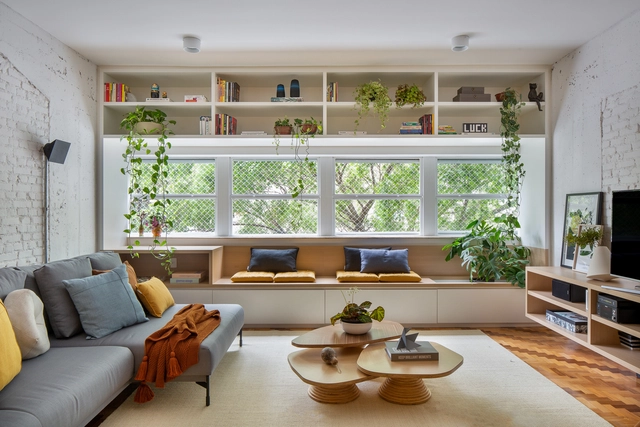
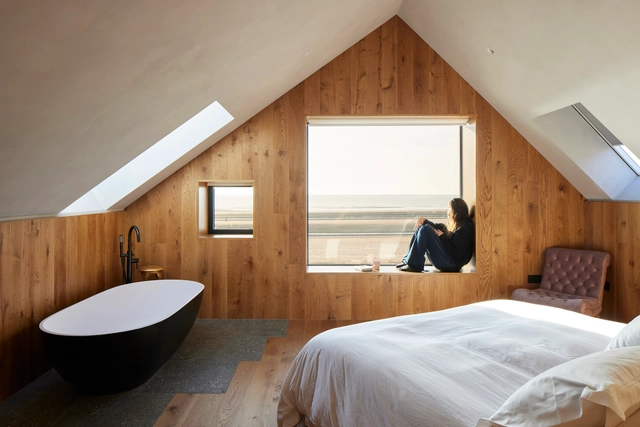
Usually, a window is an exterior opening that provides lighting and ventilation to the interior of a building. This connection with the context, added to appropriate lighting, makes it fundamental in the house. It is possible to improve your design so that it has different uses. Therefore, we have compiled some tips on how to take advantage of the sill to assign new functions to a room.
Indoor landscaping can be possible in different ways. Bringing greenery into indoor environments has demonstrated several beneficial factors for the quality of space and its users. Living rooms and offices usually have a dedicated space for plants, but this is not always the case for bathrooms. Therefore, we have listed some ways to bring vegetation to this often underestimated room.



















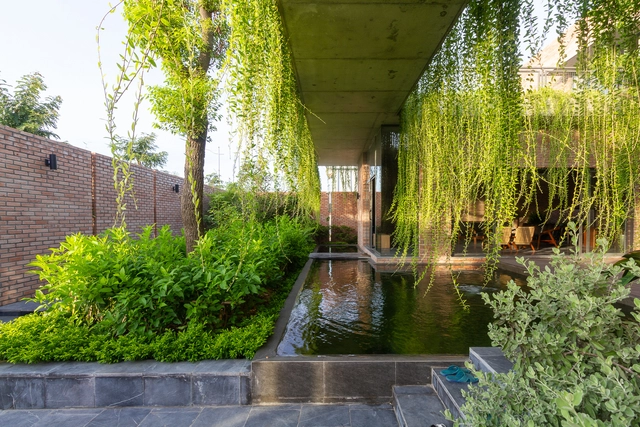

_-18.02.2020-.jpg?1609783836 "Ster House / DELUTION. Image Courtesy of Delution Architect")