

-
Architects: Sobchenko Architects
- Area: 185 m²
- Year: 2023


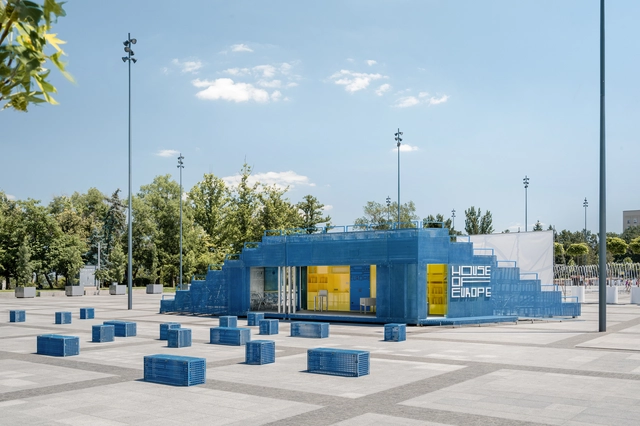
Amidst the current wave of architectural globalization, the art of crafting designs attuned to specific contexts is fading. This concern is especially significant in countries in crisis, such as Ukraine, where the built environment's history is being eroded by war. In these conditions, the contribution of local architects with an innate grasp of the country's cultural nuances becomes imperative. Leading the charge in the rebuilding of Ukraine is prototype, a pioneering practice that challenges architectural conventions to push the country towards a promising future.
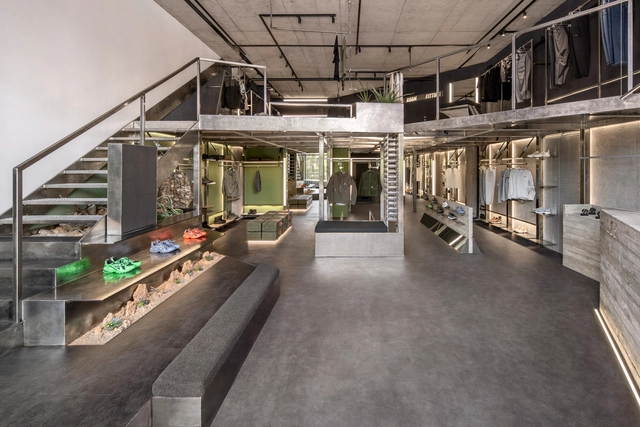
Recognizing their forward-looking vision, ArchDaily has featured prototype as part of the 2023 New Practices, a global annual survey. prototype's outlook on the future of architecture aligns with responsible design that addresses the environmental impact of construction and marries contextual and specific considerations for each project. Their recent accomplishments include the bookstore Readellion, and Ukrainian-Danish Youth House, epitomizing prototype's recurring design principles of mobility, adaptability, dynamic levels, and change of scenarios.
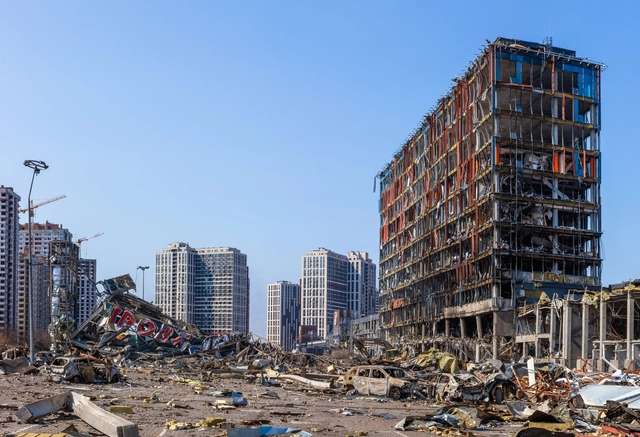
On 24 February 2022, Russia invaded Ukraine, a major escalation of the conflict dating since 2014. Now, a year later, the war is still ongoing. Both soldiers and civilians have fallen victim, while millions of others have become refugees, fleeing to safer areas across Europe or within Ukraine. What was instilled was a severe humanitarian and refugee crisis. The hostilities have also threatened Ukraine’s cultural and architectural heritage, as museums, monuments, and historical landmarks have become targets.
The implications are also reaching Europe and globally, as energy resources and food supplies become scarcer, damaging some economies. Still, Western countries remained unified in their support of Ukraine, as reported by international news outlets. Despite the economic difficulties, international support was mobilized through various initiatives in hopes of helping displaced people, protecting cultural heritage, and mapping a plan for reconstruction.
.jpg?1633646116&format=webp&width=640&height=580)
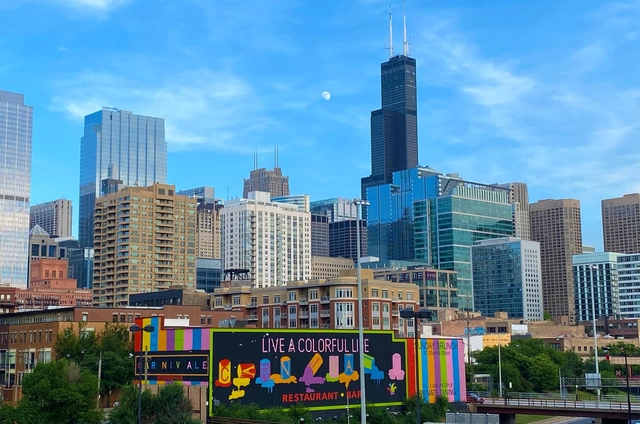
“Art aims to represent not the outward appearance of things, but their inward significance”, Greek polymath Aristotle remarked. Public art in cities worldwide seeks to pursue this aim by offering a sense of meaning and identification to its residents. Taking the form of murals, installations, sculptures, and statues, public art engages with audiences outside of museums and in the public realm. This art presents a democratic manner of collectively redefining concepts like community, identity, and social engagement.
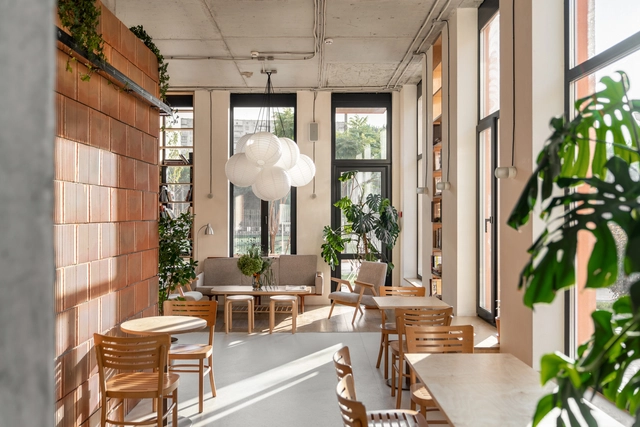
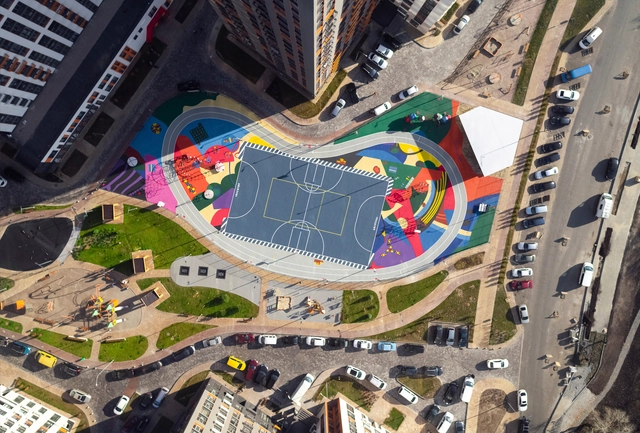
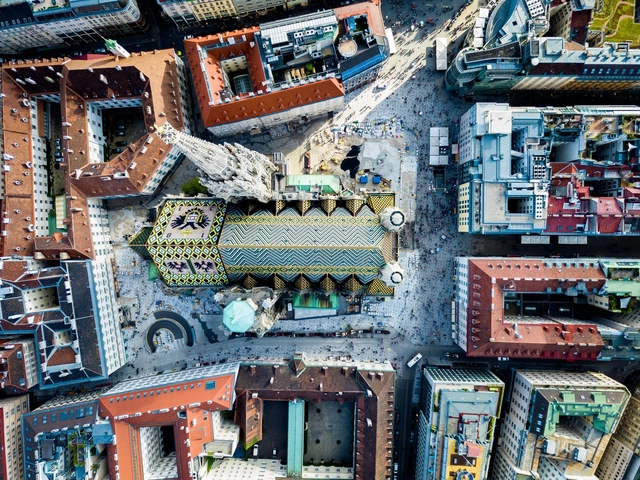
Vienna in Austria has topped the rankings of The Economist Intelligence Unit (EIU) 2022 Global Liveability Index, gaining back its previous position from 2019 and 2018, mostly for its stability and good infrastructure, supported by good healthcare and plenty of opportunities for culture and entertainment. Western European and Canadian cities dominated the top positions with Copenhagen, Denmark in second place and Zurich, Switzerland, and Calgary, Canada in third place. Adding 33 new cities to the survey, one-third of which are in China, bringing the total up to 172 cities, the classification excluded this year the city of Kyiv, due to Russia’s invasion of Ukraine.
Classified across 5 categories, stability, healthcare, education, culture and the environment, and infrastructure, the index was largely driven by the covid-19 pandemic. While covid-19 restrictions have eased in big parts of the world, liveability rankings started resembling “those seen before the pandemic”, however, the global average score remained below the pre-pandemic time. Although covid-19 has receded, a new threat to liveability emerged when Russia invaded Ukraine this year.
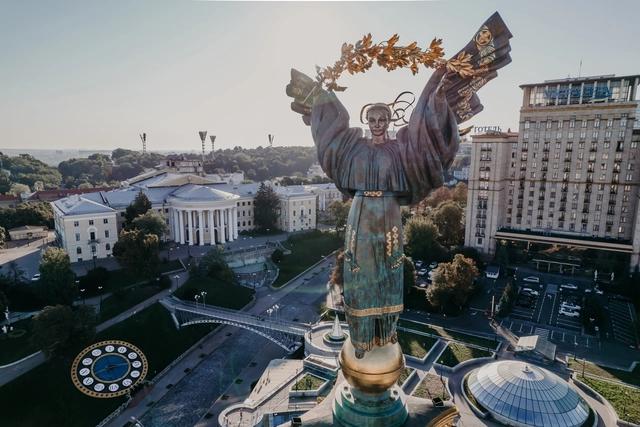
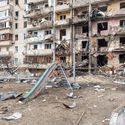
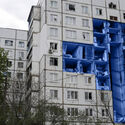
Friday, June 3, marks 100 days of war in Ukraine. One of the many devastating effects has been de destruction of urban and rural environments. Ukraine’s cultural and architectural heritage is under threat. As of 30 May, UNESCO has verified damage to 139 sites affected by the ongoing hostilities. The list includes 62 religious sites, 12 museums, 26 historic buildings, 17 buildings dedicated to cultural activities, 15 museums, and seven libraries. According to UNESCO, the most affected buildings included in the list are in Kyiv. Still, damages are also found in the regions of Chernihiv, Kharkiv, Zaporizhzhya, Zhytomyr, Donetsk, Lugansk, and Sumy. This represents a preliminary damage assessment for cultural properties done by cross-checking the reported incidents with multiple credible sources. The published data will be regularly updated.


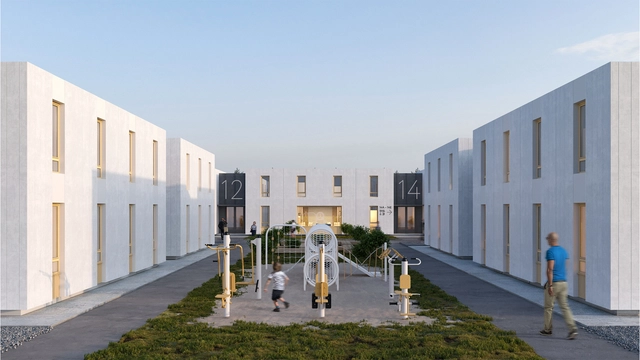
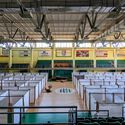
Since the beginning of the war, over 7.1 million people have been internally displaced within Ukraine. In response to this growing humanitarian crisis, Kyiv-based practice Balbek Bureau has developed a modular temporary housing system that aims to provide a dignified dwelling to internally displaced Ukrainians. RE:Ukraine is designed to adapt to different types of terrain and settlement density while being deployed in a short time frame. While the project was intended for areas of Ukraine that are not under fire, the framework can also accommodate refugees abroad.

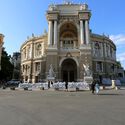
Russia’s invasion of Ukraine unleashed a major humanitarian and refugee crisis, with 4.2 million people fleeing into neighbouring countries and 6.5 displaced internally. According to the United Nations Office for the Coordination of Humanitarian Affairs (UNOCHA), 18 million people are projected to become affected in the near future with the current scale and direction of the ongoing military violence. In addition to the threat to human lives, Ukraine’s culture is also at risk, as cities and historic buildings are being destroyed. In March, the United Nations Educational, Scientific, and Cultural Organization (UNESCO) has expressed concern over the damage caused to historic landmarks in Ukraine and called for the protection of its cultural heritage. The following are some of Ukraine’s most prominent architectural landmarks, which are now in danger of being destroyed amid the conflict.


The United Nations Educational, Scientific, and Cultural Organization (UNESCO) has expressed concern over the damage caused to historic landmarks in Ukraine and called for the protection of its cultural heritage. At the same time, the organization has taken action within its capabilities to help safeguard the endangered sites. Ukraine is home to seven World Heritage sites, including the 11th-century Saint-Sophia Cathedral and the entire ensemble of the Historic Centre of Lviv. In addition, several sites in the recently damaged cities of Kharkiv and Chernihiv were on the tentative list for potential nomination to World Heritage status.



On the 24th of February 2022, Russia launched a large-scale invasion of Ukraine. Set to become Europe’s largest refugee crisis and armed conflict in this century, so far, this war has mobilized people across the world in order to exert pressure on authorities and put a stop to the armed hostilities. Individuals, as well as institutions in the architectural field, have taken part in these acts of solidarity, issuing statements, condemning actions, and even halting their work in Russia. From the UIA to MVRDV to Russian Institutions such as Strelka, the architecture world is denouncing the acts of violence and supporting an immediate cease of fire.



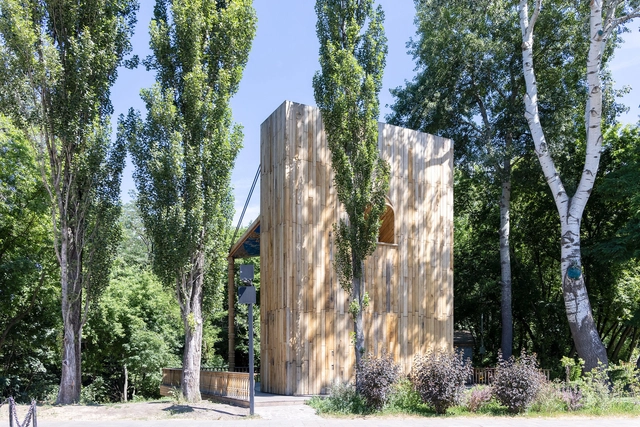
Babyn Yar, a ravine in the Ukrainian capital Kyiv, witnessed the killing of more than 33,000 Jewish men, women, and children, on September 29 and 30, 1941. The site of one of the largest single massacres perpetrated by occupying German troops against Jews during World War II, Babyn Yar became a symbol of the Holocaust by Bullets.
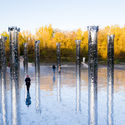
While the main tragic event took place in 1941, throughout the occupation, the site was used as a killing location by the German forces. In fact, it is reported that 70 to 100 000 people lost their lives in Babyn Yar. With no architecture to the tragedy and only a remaining “broken” landscape, people struggled with achieving memorialization and public recognition.










.jpg?1633646116 "© Andrey Bezuglov")
.jpg?1633646220 "© Andrey Bezuglov")
.jpg?1633646350 "© Andrey Bezuglov")
.jpg?1633646169 "© Andrey Bezuglov")
.jpg?1633646116)