1. ArchDaily
  2. Local Design

Local Design: The Latest Architecture and News

How Can Modular Housing Production Incorporate Material Locality and Regional Craft?

Modular homes are houses either partially or fully constructed in a factory. This process involves creating a series of three-dimensional 'modules' delivered to a site in a predetermined spatial pattern and assembled into a complete product. These homes have become popular solutions to housing crises as they can be produced 50% faster and emit half as much pollution.

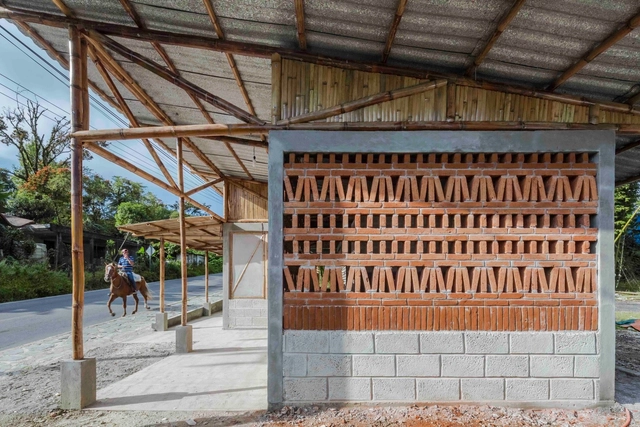
However, the locality of the materials used is a significant factor that gives homes their character. It conveys a sense of place, culture, construction history, and local craftsmanship. This raises questions about its role in modular housing: Can local materials be used in the factory production of homes? Can they be combined with a modular framework and temporary connections? What are the limitations of building modular homes in the local contexts of the Global South?

How Can Modular Housing Production Incorporate Material Locality and Regional Craft? - Image 1 of 4How Can Modular Housing Production Incorporate Material Locality and Regional Craft? - Image 2 of 4How Can Modular Housing Production Incorporate Material Locality and Regional Craft? - Image 3 of 4How Can Modular Housing Production Incorporate Material Locality and Regional Craft? - Image 4 of 4How Can Modular Housing Production Incorporate Material Locality and Regional Craft? - More Images+ 7

Top Stories of the Year Exploring the Architectural Identity of Local Communities

Local communities are more than just a collection of buildings and infrastructure. They possess a distinctive architectural character that mirrors their history, culture, and values. As part of our year in review, we take a deep dive into the top narratives that examine the architectural identity of different local communities.

These stories explore a wide range of topics, including unique geographic territories, cultural tribes, iconic landmarks, communal collaboration, and socio-ecological urban planning. Through these narratives, we uncover the captivating tales behind the buildings and public spaces that shape certain cities and towns.

Top Stories of the Year Exploring the Architectural Identity of Local Communities - Image 1 of 4Top Stories of the Year Exploring the Architectural Identity of Local Communities - Featured ImageTop Stories of the Year Exploring the Architectural Identity of Local Communities - Image 2 of 4Top Stories of the Year Exploring the Architectural Identity of Local Communities - Image 3 of 4Top Stories of the Year Exploring the Architectural Identity of Local Communities - More Images+ 5

Decarbonization and Regional Solutions: The Main Architecture-Related Themes to Look Out for at COP28

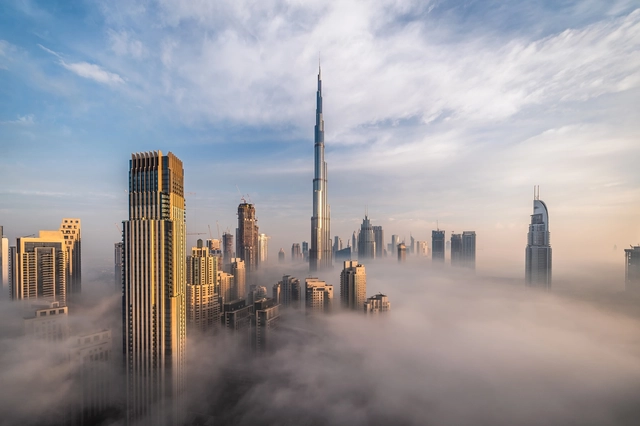
On November 30, 2023, the UN COP28 climate summit begins in Dubai, the United Arab Emirates. The name stands for the Conference of the Parties under the UNFCCC, and symbolizes the annual meeting of world governments for the purpose of establishing strategies to limit the extent of climate change and its adverse effects. Last year’s summit concluded with several important measures, including the promise of a global fund aimed at providing financial aid to developing countries affected by climate disasters.

The main purpose of COP is to reinforce the commitments of the Paris Agreement, signed in 2015, which strives to keep the global temperature rise under 1.5C degrees. As the construction industry accounts for 39% of global emissions, architecture plays an important role in helping to lower our carbon footprint, making COP28 a crucial event for architects.

Decarbonization and Regional Solutions: The Main Architecture-Related Themes to Look Out for at COP28 - Image 1 of 4Decarbonization and Regional Solutions: The Main Architecture-Related Themes to Look Out for at COP28 - Image 2 of 4Decarbonization and Regional Solutions: The Main Architecture-Related Themes to Look Out for at COP28 - Image 3 of 4Decarbonization and Regional Solutions: The Main Architecture-Related Themes to Look Out for at COP28 - Image 4 of 4Decarbonization and Regional Solutions: The Main Architecture-Related Themes to Look Out for at COP28 - More Images+ 1

When Old Meets New: JK-AR's Reinvention of the Traditional East Asian Bracket System through Digital Carpentry

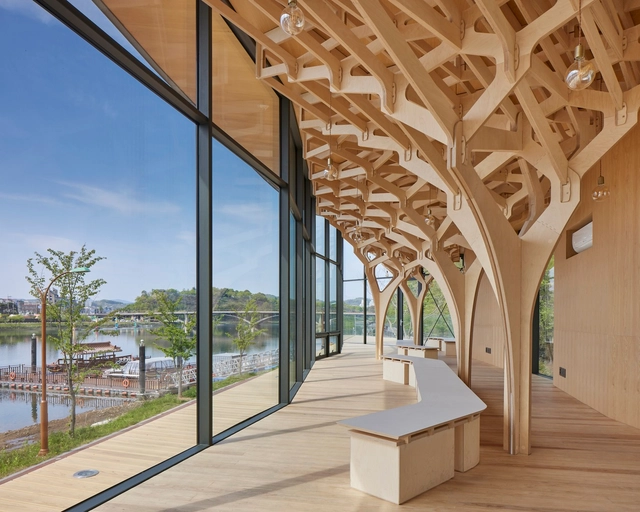
By imagining an alternative reality and rediscovering his cultural background, architect Jae Kyung Kim of JK-AR established his identity as an architect when creating his practice, selected as one of ArchDaily’s New Practices 2023. After studying and working in South Korea and the US, he’d noticed an absence of traditional Asian architecture, which had peaked his interest. He began to thoroughly look at a possibility where the traditional timber buildings of East Asia had still been relevant and continued to evolve.

When Old Meets New: JK-AR's Reinvention of the Traditional East Asian Bracket System through Digital Carpentry - Image 1 of 4When Old Meets New: JK-AR's Reinvention of the Traditional East Asian Bracket System through Digital Carpentry - Image 2 of 4When Old Meets New: JK-AR's Reinvention of the Traditional East Asian Bracket System through Digital Carpentry - Image 3 of 4When Old Meets New: JK-AR's Reinvention of the Traditional East Asian Bracket System through Digital Carpentry - Image 4 of 4When Old Meets New: JK-AR's Reinvention of the Traditional East Asian Bracket System through Digital Carpentry - More Images+ 22

Architecture for Changing Contexts: prototype's Mobile Pavilion Envisions a Blueprint for Ukraine

Subscriber Access | 

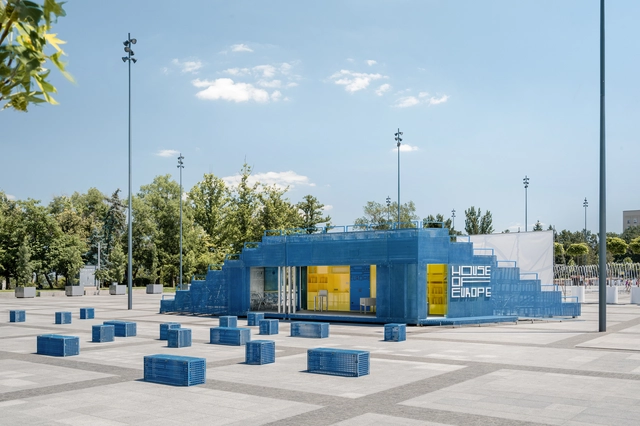
Amidst the current wave of architectural globalization, the art of crafting designs attuned to specific contexts is fading. This concern is especially significant in countries in crisis, such as Ukraine, where the built environment's history is being eroded by war. In these conditions, the contribution of local architects with an innate grasp of the country's cultural nuances becomes imperative. Leading the charge in the rebuilding of Ukraine is prototype, a pioneering practice that challenges architectural conventions to push the country towards a promising future.

Recognizing their forward-looking vision, ArchDaily has featured prototype as part of the 2023 New Practices, a global annual survey. prototype's outlook on the future of architecture aligns with responsible design that addresses the environmental impact of construction and marries contextual and specific considerations for each project. Their recent accomplishments include the bookstore Readellion, and Ukrainian-Danish Youth House, epitomizing prototype's recurring design principles of mobility, adaptability, dynamic levels, and change of scenarios.

Architecture for Changing Contexts: prototype's Mobile Pavilion Envisions a Blueprint for Ukraine  - Image 2 of 4Architecture for Changing Contexts: prototype's Mobile Pavilion Envisions a Blueprint for Ukraine  - Image 1 of 4Architecture for Changing Contexts: prototype's Mobile Pavilion Envisions a Blueprint for Ukraine  - Image 3 of 4Architecture for Changing Contexts: prototype's Mobile Pavilion Envisions a Blueprint for Ukraine  - Image 8 of 4Architecture for Changing Contexts: prototype's Mobile Pavilion Envisions a Blueprint for Ukraine  - More Images+ 4

Radical Rituals: Studio forty five degrees Searches for Local Space-Making Practices Across Europe

When talking about space-making practices, architects and urban planners are usually thinking about participatory planning and collaborative processes, often overlooking the ways in which the communities themselves can become their own agents of change. As the people poses an intimate knowledge of not only their environment, but also of social and cultural norms, the needs of their communities and latent opportunities within their surroundings, they are often the ones initiating actions, supporting their peers and contributing positively to their locality. Research-focused office forty five degrees set out to explore these grass-roots initiatives, to meet the locals and gather their stories in an effort to gain a better understanding of the complex and diverse cultural territories across Europe. Their journey, organized under the “Radical Rituals” project, follows the 45°N parallel line that transverses Europe from East to West. The office has been selected as part of ArchDaily's 2023 New Practices, an annual survey aimed at showcasing those who adress the ever-growing challanges of our times and take architecture to new directions.

Radical Rituals: Studio forty five degrees Searches for Local Space-Making Practices Across Europe - Image 1 of 4Radical Rituals: Studio forty five degrees Searches for Local Space-Making Practices Across Europe - Image 2 of 4Radical Rituals: Studio forty five degrees Searches for Local Space-Making Practices Across Europe - Image 3 of 4Radical Rituals: Studio forty five degrees Searches for Local Space-Making Practices Across Europe - Image 4 of 4Radical Rituals: Studio forty five degrees Searches for Local Space-Making Practices Across Europe - More Images+ 6

10 Structural Installations by Snøhetta, MADWORKSHOP, and others at the ECC's 'Time Space Existence' Exhibition at Venice

Subscriber Access | 

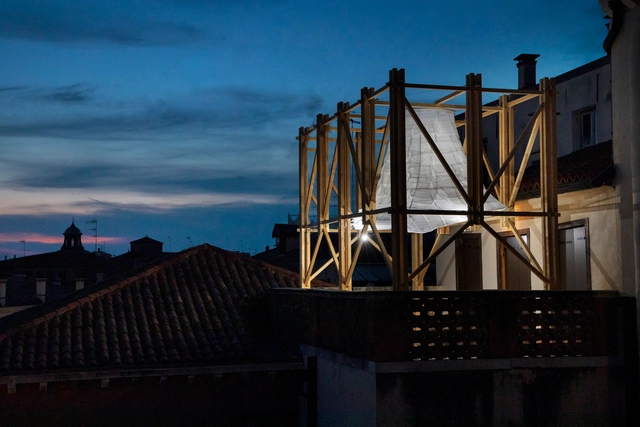
In parallel to this year's Venice Architecture Biennale, The European Cultural Centre (ECC) presented the sixth edition of its extensive architecture exhibition titled Time Space Existence. The 2023 iteration of the group show draws attention to expressions of sustainability in its numerous forms, ranging from a focus on the environment and urban landscape to the unfolding conversations on innovation, reuse, community, and inclusion. A total of 217 projects by established participants like Snøhetta or MADWORKSHOP and emerging players such as Urban Radicals or ACTA are currently on show through the 26th of November, 2023, at Venice's Palazzo Bembo, Palazzo Mora, and Marinaressa Gardens.

In response to climate change, the installations on show investigate new technologies and construction methods that reduce energy consumption through circular design and develop innovative, organic, and recycled building materials. Participants also address social justice by presenting living solutions envisioned for displaced communities and minorities, while others examine the tensions between the built urban environment and the nature surrounding it to identify opportunities for coexistence.

10 Structural Installations by Snøhetta, MADWORKSHOP, and others at the ECC's 'Time Space Existence' Exhibition at Venice  - Image 1 of 410 Structural Installations by Snøhetta, MADWORKSHOP, and others at the ECC's 'Time Space Existence' Exhibition at Venice  - Image 2 of 410 Structural Installations by Snøhetta, MADWORKSHOP, and others at the ECC's 'Time Space Existence' Exhibition at Venice  - Image 3 of 410 Structural Installations by Snøhetta, MADWORKSHOP, and others at the ECC's 'Time Space Existence' Exhibition at Venice  - Image 4 of 410 Structural Installations by Snøhetta, MADWORKSHOP, and others at the ECC's 'Time Space Existence' Exhibition at Venice  - More Images+ 9

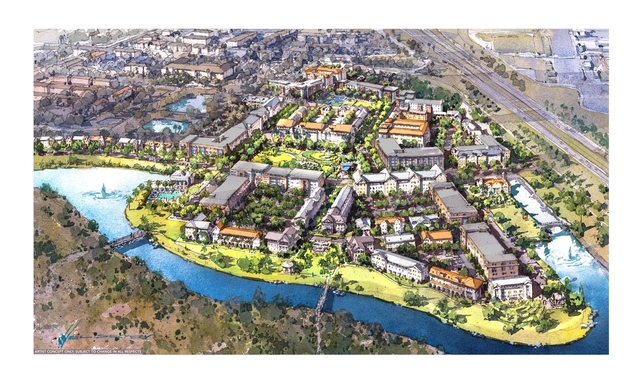
Walt Disney World Announces Construction Of Affordable Housing in Florida, USA

Community development proposals in Disney World come from back days. One of Walt Disney's last visionary projects was the Experimental Prototype Community of Tomorrow (EPCOT), a center for American enterprise and urban living. Disney advocated that the problems of cities were the most critical issues facing society and planned a city that could develop in a controlled manner, contrary to the urban expansion in the USA during the first half of the last century. After Disney died in 1966, the "EPCOT" concept was abandoned as the company was uncertain about the feasibility of operating a city. Fifty- five years later, after a thorough search, Walt Disney World chose The Michaels Organization for its experience in building and managing attainable housing communities.

Reframing Climate Change as a Local Problem of Global Proportion: 4 Ways Architects can Deliver Change

Subscriber Access | 
Reframing Climate Change as a Local Problem of Global Proportion: 4 Ways Architects can Deliver Change - Image 8 of 4
Bankside 123 in London creates new routes, public spaces and retail, with three simple rectilinear buildings set within a permeable public realm designed to reconnect the site with its surroundings. Image Courtesy of Allies & Morrison

The latest UN special report on climate change, released in October 2018, was bleak - perhaps unsurprisingly after a year of recording breaking temperatures, wildfires, floods, and storms. The report, released by the UN Intergovernmental Panel on Climate Change (IPCC), reiterated the magnitude of climate change’s global impact, but shed new light on the problem’s depth and urgency. Climate change is a catastrophe for the world as we know it and will transform it into something that we don’t. And we have just 12 years to prevent it.