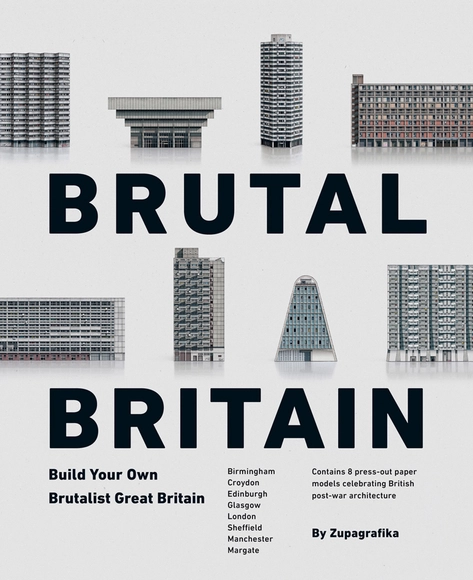
High-rise tower blocks, prefab panel housing estates, streets in the sky, new towns; some of the concrete constructions that once shaped the cityscapes of post-war Britain have stood the test of time, while others are long gone.


High-rise tower blocks, prefab panel housing estates, streets in the sky, new towns; some of the concrete constructions that once shaped the cityscapes of post-war Britain have stood the test of time, while others are long gone.
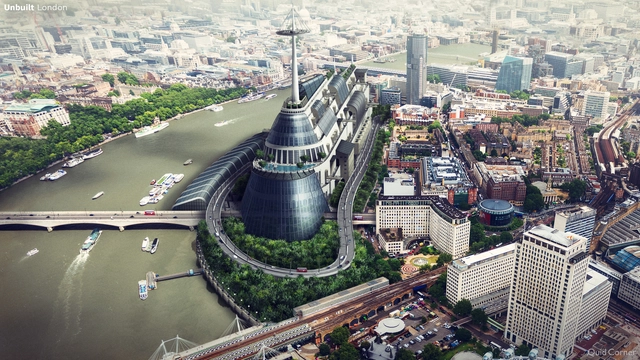
A historic hotbed of architectural styles and a current architectural capital of the world, cities in the United Kingdom are awash with iconic buildings from the Georgian, Neoclassical, and contemporary era. Such buildings, from the Clifton Suspension Bridge in Bristol to the Southbank in London, have come to define the cities in which they stand, drawing the eyes of tourists and designers alike from around the world.
It is therefore an interesting exercise to examine what these cities would look like if such structures didn’t exist. To this end, Neomam Studios has partnered with QuickQuid to produce a series of images demonstrating what six British cities could have looked like, resurrecting some of Britain’s most surprising unbuilt structures.
.jpg?1543544086&format=webp&width=640&height=580)
Artist Leo Villareal and the London-based architecture firm Lifschutz Davidson Sandilands are working together to design and install the first phase of The Illuminated River Foundation's public art commission that will illuminate architectural elements of the existing bridges, redefining the riverscape.
This installation marks the initial stage of the project that was announced nearly two years ago. All stages are intended to be completed by 2022. In its entirety, it will include 15 central London bridges - creating a unified artwork connected across the flowing river from Albert Bridge in West London to Tower Bridge in the center of the city.
.jpg?1542960880&format=webp&width=640&height=580)

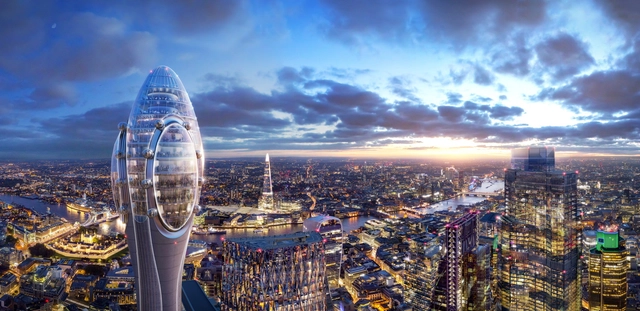
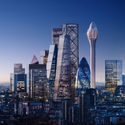
Foster + Partners have unveiled details of their latest proposed tower for the City of London. “The Tulip” seeks to become a “new public cultural attraction” sitting adjacent to The Gherkin: one of Foster’s and London’s most iconic structures.
The 305-meter-high, bud-like scheme, named after its nature-inspired form, will offer an education facility operated by building owners J. Safra Group. The program, with 20,000 free places per year for London’s state school children, will feature “unparalleled vantage point to view London from a height of around 300 meters.”
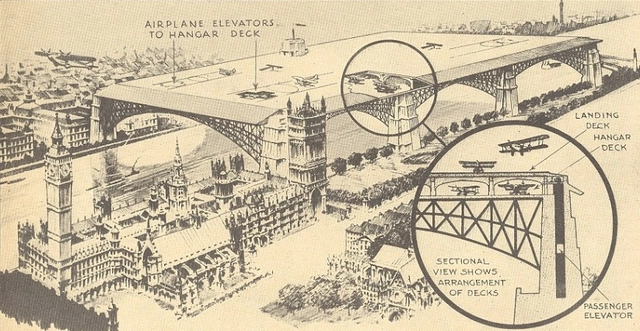
London is one of the world’s most iconic and beloved cities, with a diverse blend of architectural styles spanning the centuries. Every year, 20 million tourists flock to the city in search of iconic landmarks such as Big Ben, the Palace of Westminster, the London Eye, and Trafalgar Square.
But London could have been so different. Through time, a host of ambitious, crazy, and revolutionary plans were drawn up around the city, only to be consigned to an unbuilt history. To demonstrate this, Barratt Homes has unearthed plans for “some of the capital’s most ambitious construction projects that never saw the light of day.”

Wilkinson Eyre has revealed new images showing a plan to create a glass elevator in Battersea Power Station. The lift will travel 109 meters to the top of one of the building's iconic chimneys. On opening, it will offer visitors views of the capital's skyline from one of the most unique viewing platforms in London. The Chimney Lift is one of three new and exciting event/attraction spaces on offer inside the iconic Power Station. The station is working closely with a wide collection of heritage and emerging retail brands from the UK and across the globe to complement its vision for the 1930s and 1950s turbine halls.


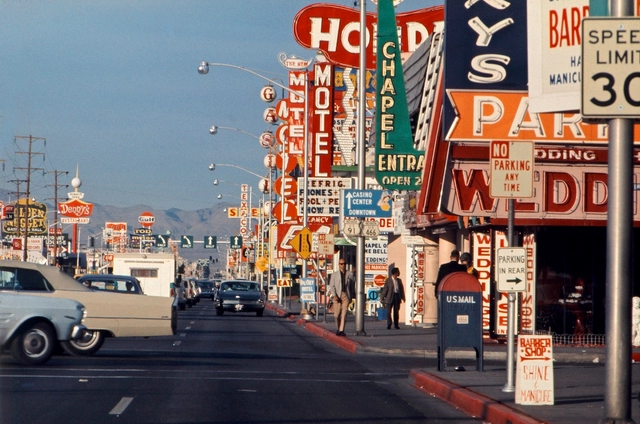
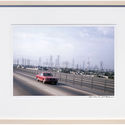
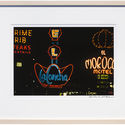
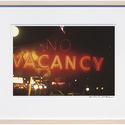
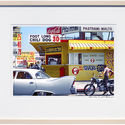
An exhibition has opened at New York’s Carriage Trade Gallery celebrating the photography of Denise Scott Brown, highlighting the significance of pop art in the American vernacular. The project was initiated by Scott Brown, and first exhibited in Venice in 2016, with the latest events in London and New York initiated by PLANE-SITE.
The exhibition, titled “Photographs 1956-1966” is co-curated by Andres Ramirez, with 10 photographs selected, curated, and featured for limited sale. As well as being on display at the Carriage Trade Gallery, a concurrent exhibition is taking place in the Window Galleries at Central Saint Martins, University of the Arts, London.
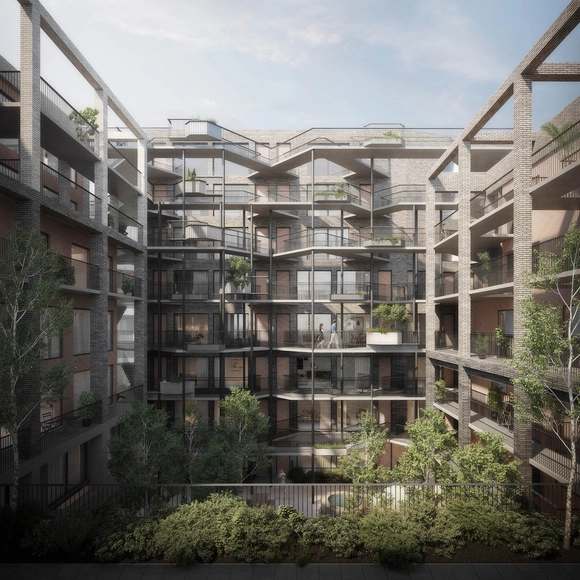
Fish Island, a district in London’s East End, has experienced a period of redevelopment. Once an industrial area, the area is now known for its vibrant art community. In recent years, Fish Island has continued to evolve and transform, with a particular emphasis on integrating the existing creative spaces with residential and commercial.
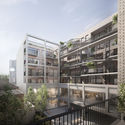
The latest chapter in this transformation has been the work of pH+ architects, with a mixed-use scheme that layers domestic spaces within a larger complex that also includes maker and retail spaces. "Iceland Wharf" will deliver 120 homes and 40,000sq ft of commercial space in "flexible tethered living and working environments."
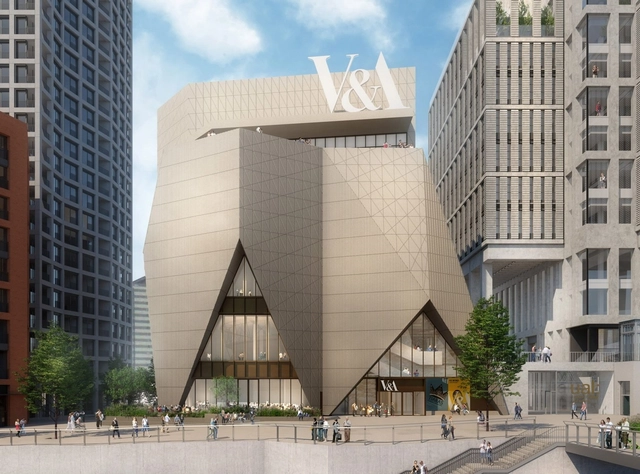
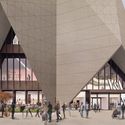
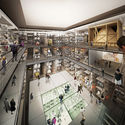
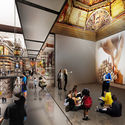
London's V&A has revealed new images and information about V&A East, a museum by O'Donnell + Tuomey and research center by Diller Scofidio + Renfro. Sited within London's Queen Elizabeth Olympic Park, the projects will be built at the Here East complex and Stratford Waterfront. The V&A have stated that the museum will include two galleries to showcase the collections, while the research center aims to be a new model for collection storage and public display.
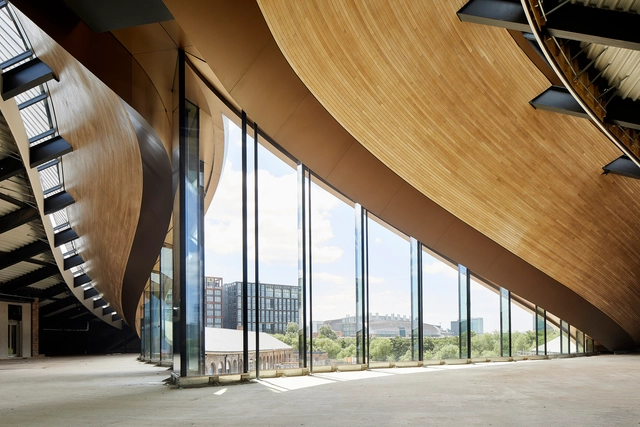
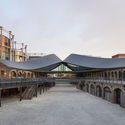
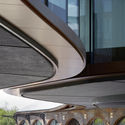
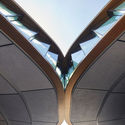
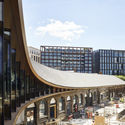
Heatherwick Studio’s Coal Drops Yard in London’s King's Cross was unveiled today ahead of the new shopping districts public opening on Friday, October 26. The studio reinvented two heritage rail buildings from the 1850s as a new shopping district while opening up the site to the public for the first time. The design extends the inner gabled roofs of Victorian coal drops to link the two viaducts together around shopping and public space.
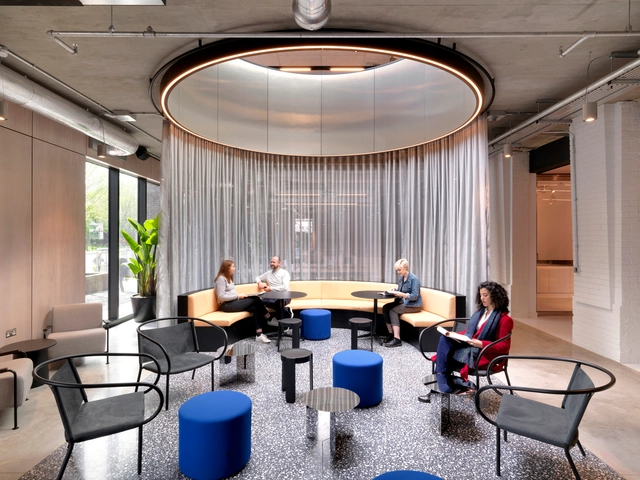


.jpg?1542960808 "© Scott Webb")
.jpg?1542961210 "© Scott Webb")
.jpg?1542960972 "© Jessica Ginzel")
.jpg?1542961309 "© Scott Webb")
.jpg?1542960880)









.jpg?1539950712 "© Peter Landers")
.jpg?1539950747 "© Peter Landers")
.jpg?1539950690 "© Peter Landers")
.jpg?1539950600 "© Peter Landers")