From Vitruvius to Le Corbusier, words and writing have always played an essential role in architectural discourse. One could argue that crafting words is akin to orchestrating space: indeed, history’s most notable architects and designers are often remembered for their written philosophies as much as they are for their built works.
With the exception of a few of architecture’s biggest names, the majority of practicing architects no longer exploit the inherent value writing offers as a means for spatial and theoretical communication. This trend is exacerbated by the fact that many architectural schools place little emphasis on the once-primary subjects of history and literature, resulting in a generation of architects who struggle to articulate their ideas in words, resulting in an ever-growing proliferation of ill-defined “archispeak.”
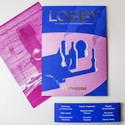
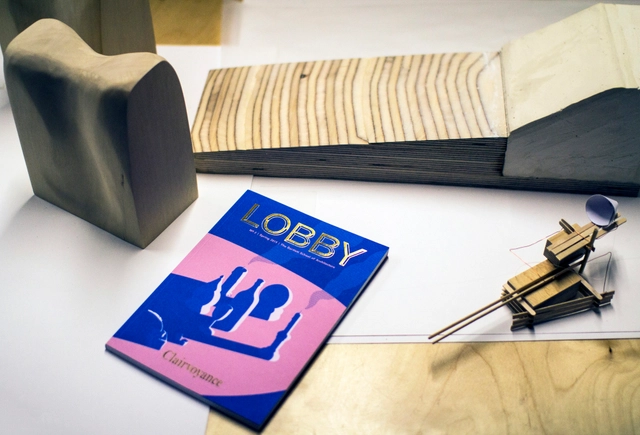
LOBBY is an attempt from students of London’s Bartlett School of Architecture to reclaim the potency of the written word, presenting in their second issue an ambitious array of in-house research and external contributions. The theme is Clairvoyance, and the journal seeks to investigate the ways in which architects are forced to constantly grapple with the possibilities and uncertainties of designing spaces that exist in the intangible realm of the world-to-be.