
-
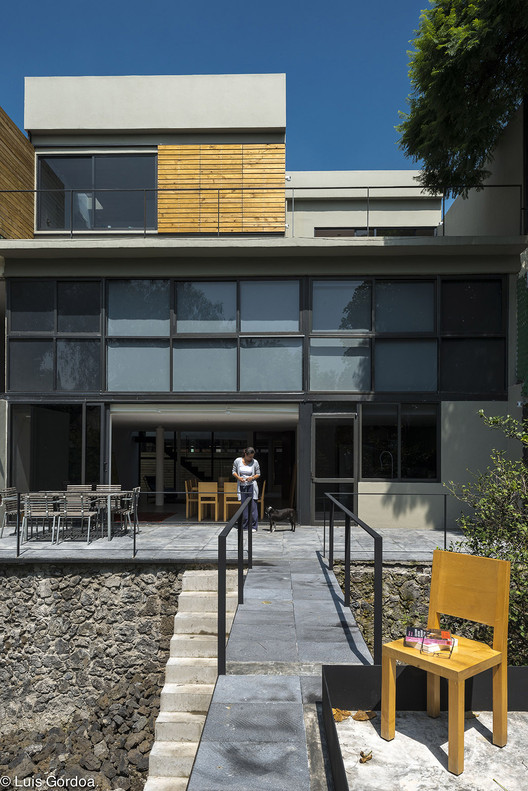
Architects: Taller de Arquitectura X / Alberto Kalach
- Year: 2014
-
Manufacturers: Atlas Schindler, Cemex, Doka, FRANCISCO LARESGOITI, GERARDO CASTILLO, +4



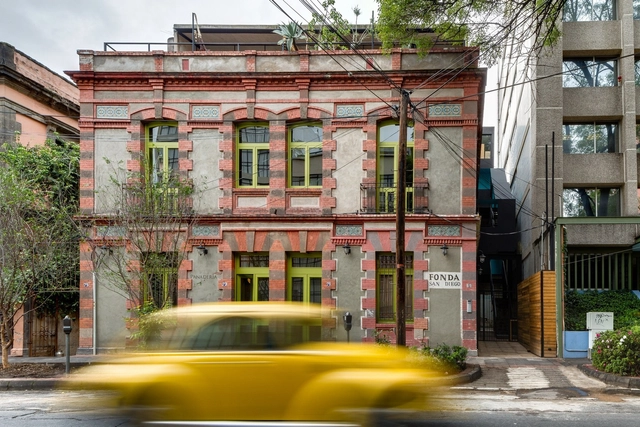
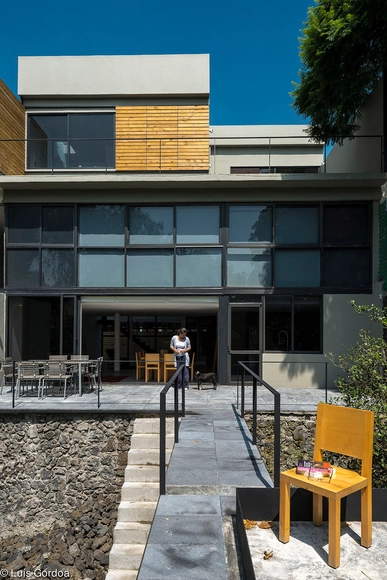
On a recent trip abroad, architect and urban planner José Castillo was struck by a conversation with Mexico’s tourism attaché in Asia. Mexican tourism, the attaché remarked, has changed; it was the ancient pyramids and sandy beaches of the country that once drew visitors to it. Today however, architecture and design—and food—prevail.
The issue of food may be of little wonder. Mexican cuisine has indeed become more popular than ever in both the high and low ends of the culinary spectrum, and food in general is not only what one eats for dinner but also a hobby and an obsessive conversation topic. Yet for local design to come to the same level of acclaim and reputation is, at any rate, quite astonishing. It may be, though, that food and architecture are not so far apart. These are both highly creative and productive professions, as well as ones with a rich history, a theory, and many layers of tradition.
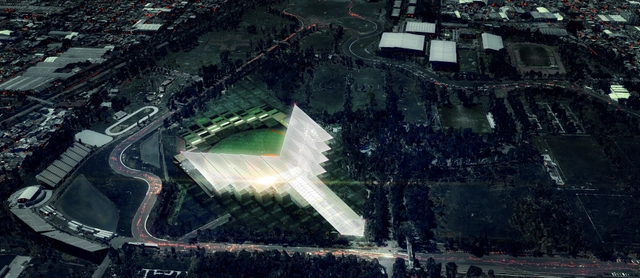
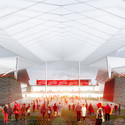
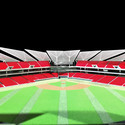
JAHN and ADG have released designs for Los Diablos Rojos del Mexico’s new home stadium in Mexico City. Scheduled to open in the city’s Magdalena Mixhuca sports complex in 2017, the 13000-seat “Estadio Diablos” will feature a “monumental lightweight” roof structure that resembles Diablos’ trident.
“Indicative of the sky, the roof design is sharp, translucent, luminous and dynamic,” says JAHN. “Composed of lightweight steel wrapped in PTFE textile material, the roof will become an iconic symbol for the great City of Mexico.”
More on the stadium’s design, after the break.

Every two years Audi hosts the Audi Urban Future Award (AUFA), which challenges cities from different parts of the world to investigate future mobility trends and come up with innovative solutions. This year AUFA selected Mexico City, Boston, Berlin and Seoul to participate in the challenge and respond to the question: how will data shape mobility in the megacities of the future? These four groups were asked to create a vision for how their city could use data in a strategic way, taking into consideration innovative energy solutions, sustainability, feasibility and the potential for their ideas to be implemented in other cities.
Mexico City’s team took home first place with their “operative system for urban mobility,” which centered around a data platform that cities can use to structure their urban traffic planning. Their system was also based around the idea that citizens themselves can become “data donors” and use the system to make informed decisions on how they move about the city. The team was comprised of architect and urbanist José Castillo, researcher Carlos Gershenson and the city government’s experimental lab “Laboratorio para la Ciudad.”
Learn more about the winning project after the break.


CEMEX has announced both the international and national winners of the XXIII Building Awards, which aim to recognize the best architecture and construction both internationally and within Mexico. All projects were reviewed by a panel of judges comprised of some of the most important and prestigious representatives of the industry at an international level.
The international awards recognizing housing, institutional/industrial and large-scale infrastructure projects that were built during 2013 and stand out for their constructive solutions, aesthetics and innovative techniques. Finalist projects ranged from Frank Gehry’s Biomuseo in Panama to Plan B Arquitectos’ Click Clack Hotel in Bogotá, Colombia, covering a range of countries and architectural styles.
The CEMEX Building Award is itself a unique piece of art created by Mexican sculptor Miguel Angel Gonzalez and made out of black marble and concrete.
Read on after the break for both the international and national winners…
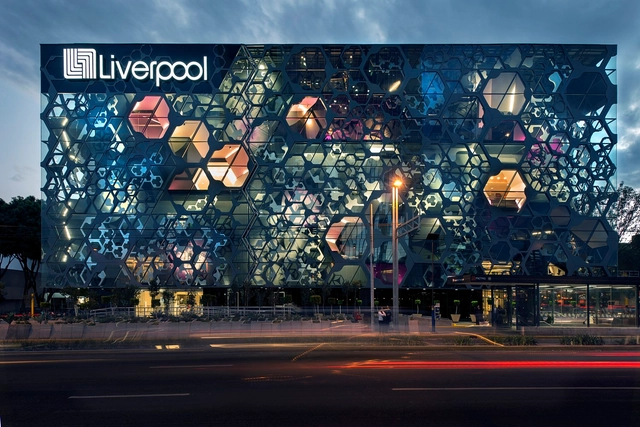
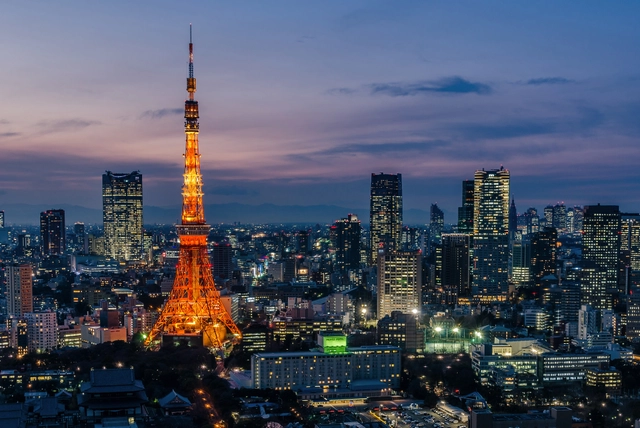
With more than 7 billion people now alive, the greatest population growth over the last century has occurred in urban areas. Now, a new series of interactive maps entitled "The Age of Megacities" and developed by software company ESRI allows us to visualize these dramatic effects and see just how this growth has shaped the geography of 10 of the world’s 28 megacities. Defined as areas with continuous urban development of over 10 million people, the number of megacities in the world is expected to increase, and while Tokyo still tops the list as the world’s largest megacity, other cities throughout Asia are quickly catching up. Find out more after the break.
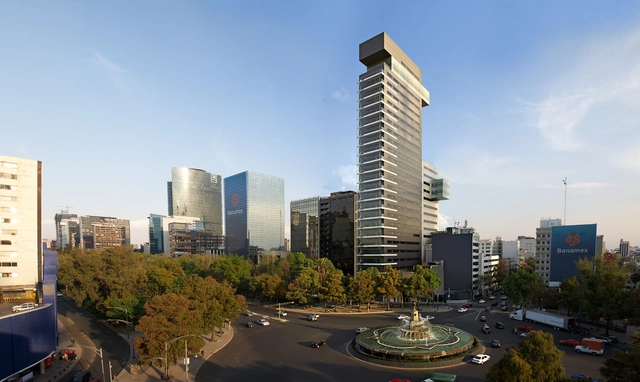
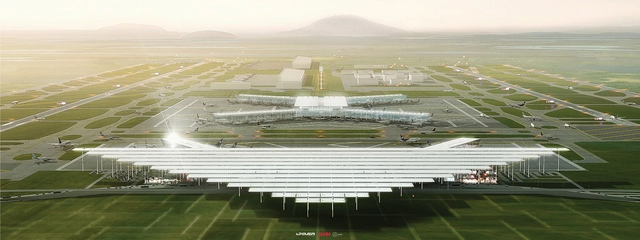
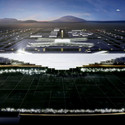
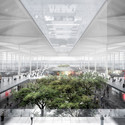
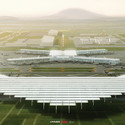
Francisco Gonzalez-Pulido, chief designer and president of JAHN, has shared with us his net-zero design proposal for the new Mexico City International Airport competition. Similar to the Norman Foster and Fernando Romero's winning design, JAHN's proposal is a symbiotic blend of sensitive cultural meaning and powerful energy efficiency. As per competition requirements to pair an international firm with a Mexican firm, the project was the result of a collaboration with local architects Francisco Lopez-Guerra of LOGUER and Alonso de Garay of ADG.
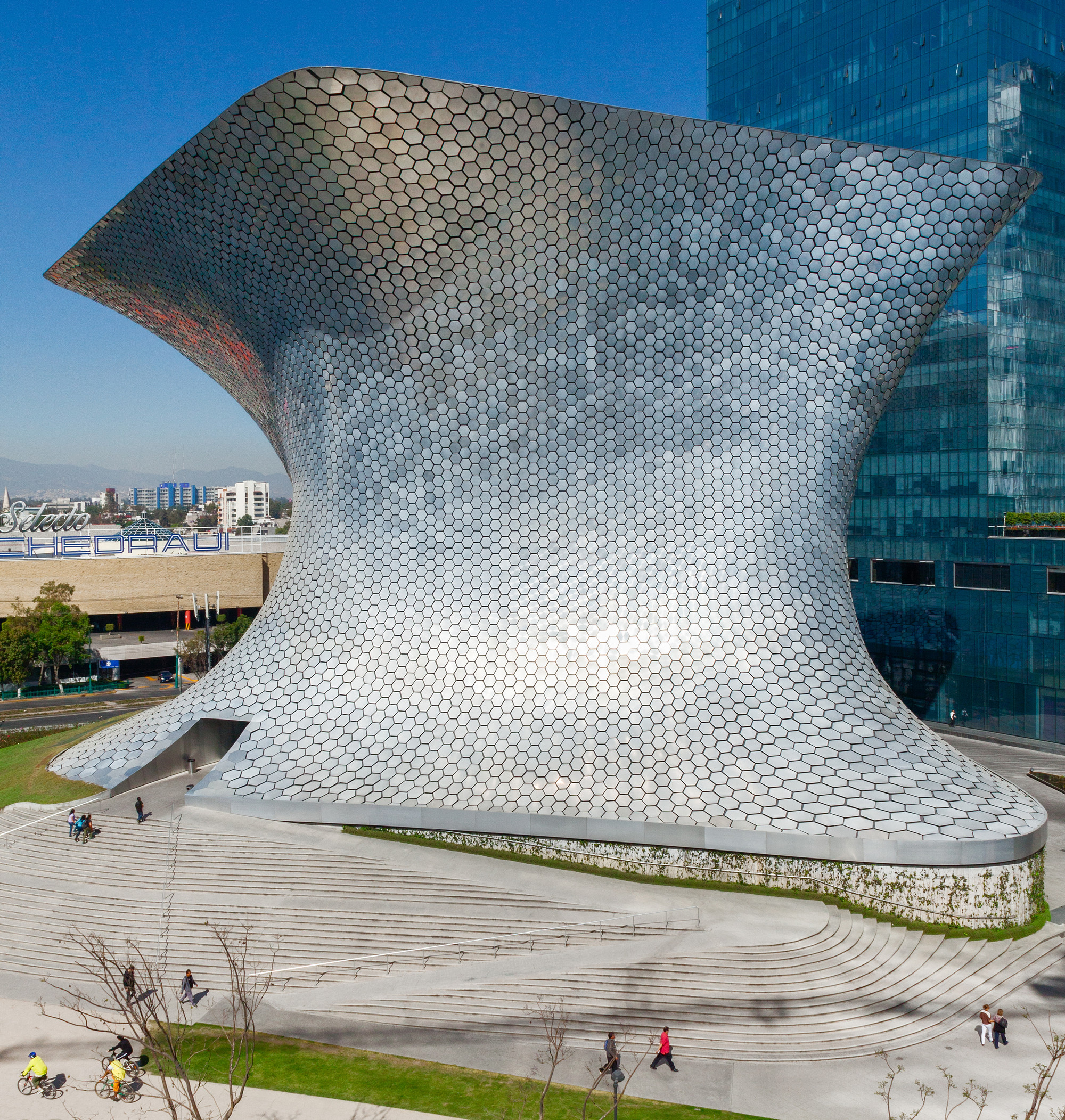
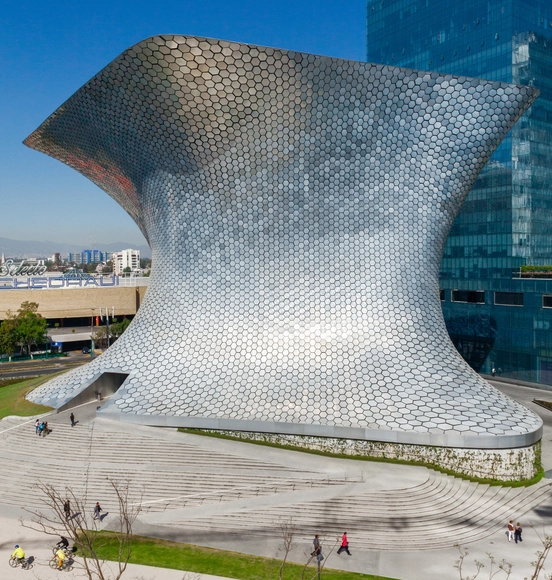
German photographer Yannick Wegner has shared with us his latest time-lapse exploration through the Museo Soumaya. Designed by FR-EE / Fernando Romero Enterprise, the 150-foot structure has become iconic in Mexico City’s Polanco district due to its sculptural physique and scale-like skin of 16,000 mirrored steel hexagonal tiles.
Stills of the museum, after the break...