

-
Architects: Rojkind Arquitectos, Think Parametric
- Year: 2022
-
Manufacturers: Cempanel


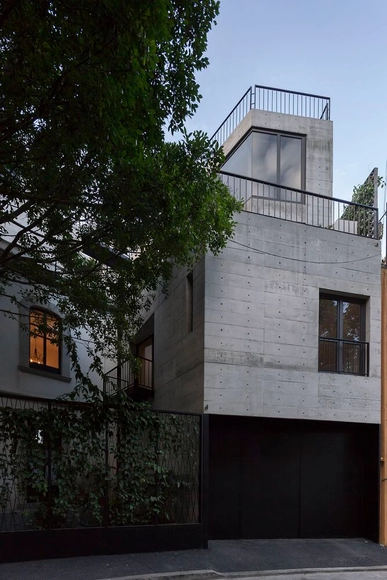
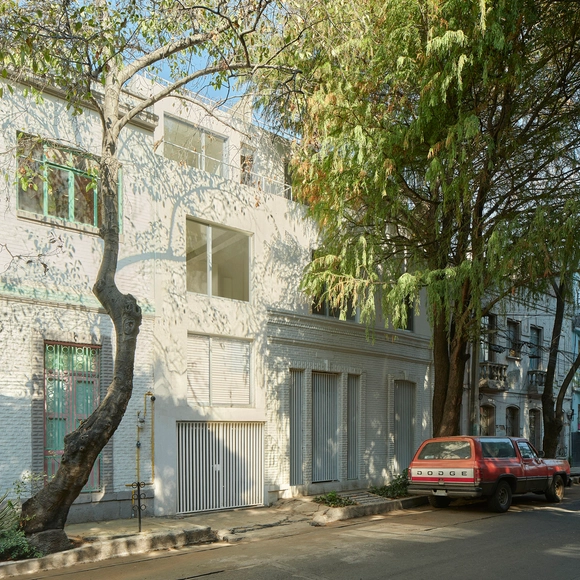
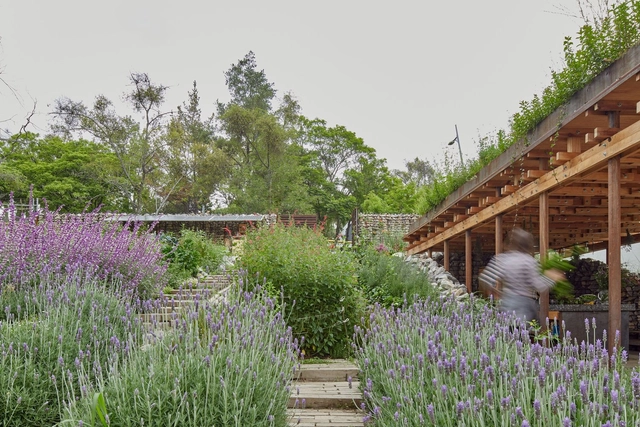
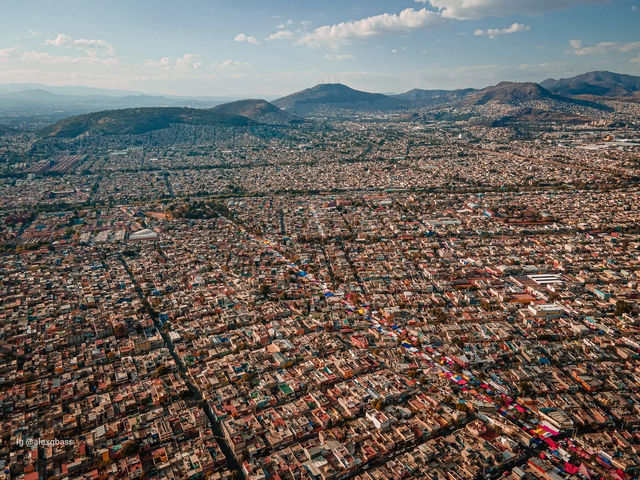
The region we know today as the Metropolitan Zone of the Valley of Mexico (ZMVM) has had a continuous and dynamic occupation for more than 4,000 years. Archaeological and anthropological evidence reveals the presence of complex human societies on the banks of the lake basin, starting with Tlatilco and Cuicuilco in the Preclassic period, passing through Teotihuacan in the Classic period, and culminating with the different urban centres of Nahua affiliation in the Postclassic period, with the cities of Mexico Tenochtitlan-Tlatelolco, as well as Texcoco, Azacapotzalco, Iztapalapa and Chalco, among many others, undoubtedly standing out.

![[DON'T TRANSLATE] The PILARES Program Seeks to Bring Beautiful Design to Mexico City’s Neglected Neighborhoods - Featured Image](https://snoopy.archdaily.com/images/archdaily/media/images/62b4/21c2/3e4b/31ac/f100/0004/slideshow/8D5A7030-1024x682.jpg?1655972285&format=webp&width=640&height=580)
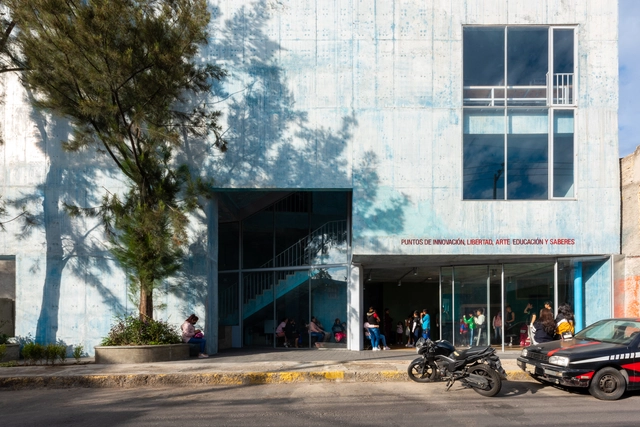
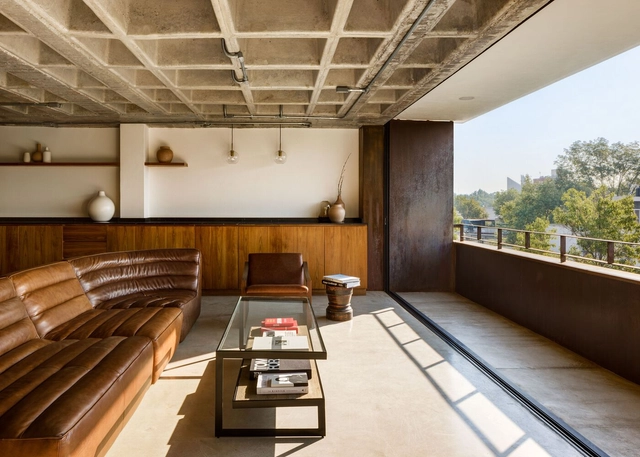
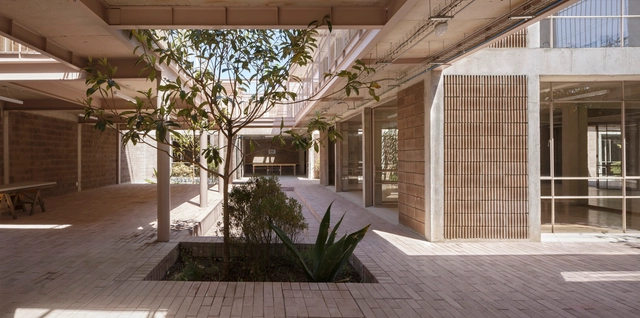
Most visitors to Mexico City spend their time exploring tranquil, idyllic neighborhoods like Roma and Condesa, filled with quaint buildings, bustling pedestrian promenades, and cosmopolitan attractions. But life in the Mexican capital finds most of the population on the disadvantaged side of a vertiginous inequality, defined by meager wages, the looming threat of violence, and a glaring lack of public infrastructure. The government’s attempts to address the latter have often stumbled; it is common practice for projects that require architectural expertise to be assigned to building contractors, who produce layouts lacking in any design sensibility. This even though Mexico City now boasts one of the world’s most fertile design scenes and has a strong legacy of renowned architects working in tandem with the government to produce exceptional public works—from the urban housing projects of Mario Pani to the monumental buildings of Pedro Ramírez Vázquez.

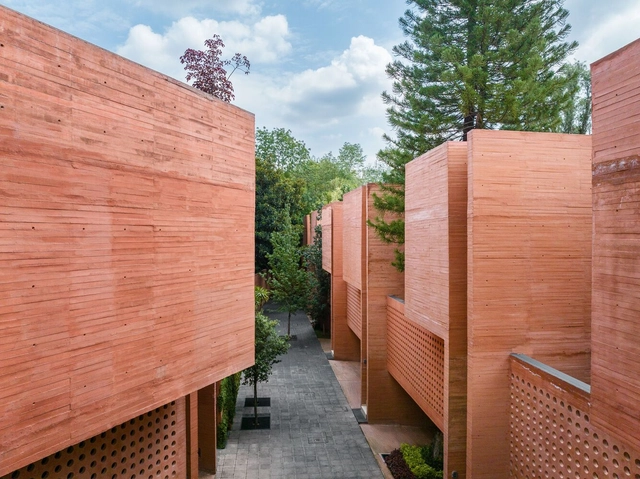
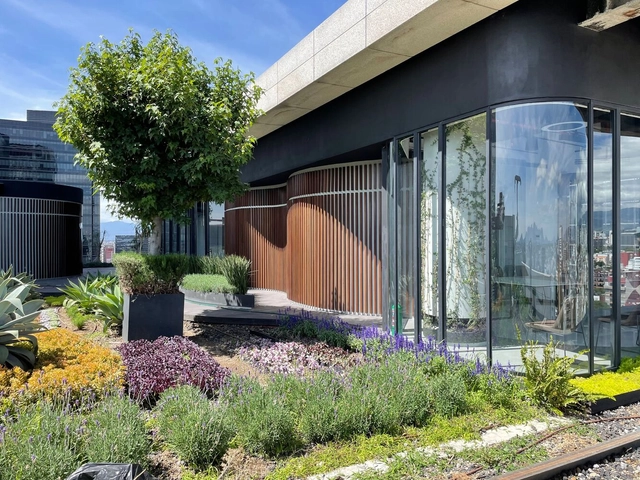
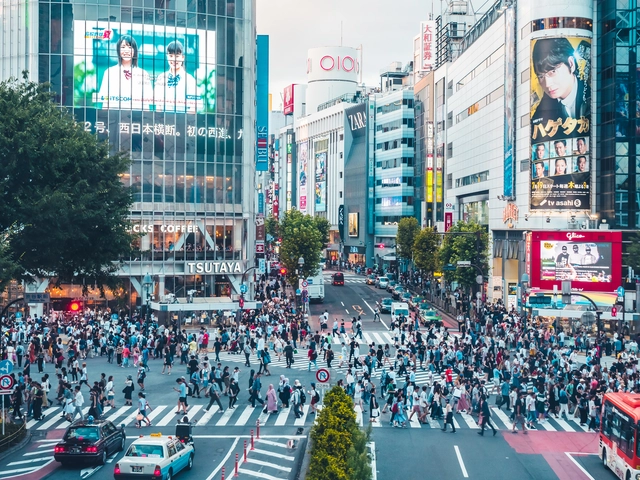
Half of the world’s population now lives in cities, according to UN-Habitat’s latest reports. While this number is set to increase to two-thirds by 2050, urban challenges are growing exponentially, making it more crucial than ever, to transform our cities. Annually, the world population review assesses the growth of cities and the number of residents living in metropolitan areas, to understand global evolution trends. In 2022, the list of the top 20 most populated countries remained similar to the 2021 edition, with a slight change in numbers and positions. Tokyo kept its status as the world’s largest city, with 37 million inhabitants, while Delhi and Shanghai, followed in second and third positions.
Comparing the results to the 2021 edition, the only decrease that can be seen in the top 20, involves both Japanese cities, Tokyo and Osaka. The rest of the list had, on average, a growth of 1.8% in the total of people residing in metropolitan areas. In fact, African cities Kinshasa in the Democratic Republic of Congo and Lagos in Nigeria gathered the highest rates, with respectively a 4.39% and a 3.54% increase in residents in 1 year. The largest city in the American continent is still Sao Paulo in Brazil, followed closely by Mexico City and Buenos Aires in Argentina, further down the table. In Europe, Istanbul is the most populous, with more than 14.5 million residents.

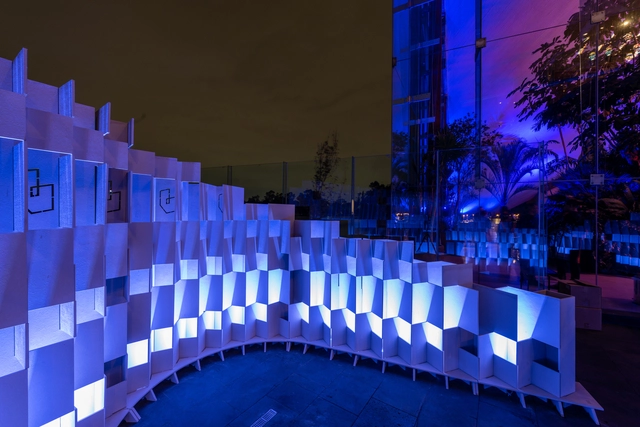
As part of the 14-day design festival that took place in Mexico City, SPACE10 presented the exhibition "Deconstructed Home", with the intention of taking it to different places in Mexico. Five designers were convened and through six intensive weeks of design research and experimentation, they identified and explored new possibilities and uses for the biomaterial of their choice.

















![[DON'T TRANSLATE] The PILARES Program Seeks to Bring Beautiful Design to Mexico City’s Neglected Neighborhoods - Image 1 of 4](https://images.adsttc.com/media/images/62b4/221e/3e4b/31ac/f100/0009/thumb_jpg/Untitled-7.jpg?1655972378 "© Onnis Luque")
![[DON'T TRANSLATE] The PILARES Program Seeks to Bring Beautiful Design to Mexico City’s Neglected Neighborhoods - Image 2 of 4](https://images.adsttc.com/media/images/62b4/2205/3e4b/31ac/f100/0007/thumb_jpg/Untitled-4.jpg?1655972352 "© Onnis Luque")
![[DON'T TRANSLATE] The PILARES Program Seeks to Bring Beautiful Design to Mexico City’s Neglected Neighborhoods - Image 3 of 4](https://images.adsttc.com/media/images/62b4/21c2/3e4b/3137/e400/0008/thumb_jpg/8D5A6928-682x1024.jpg?1655972285 "Variegated bricks form a series of arched windows and doors in Dellekamp Schleich’s PILARES project, DIF Quetzalcoatl, located in the south of the city, near Xochimilco.. Image © Onnis Luque")
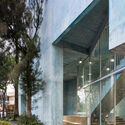
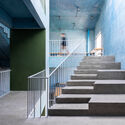
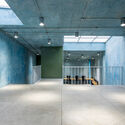
![[DON'T TRANSLATE] The PILARES Program Seeks to Bring Beautiful Design to Mexico City’s Neglected Neighborhoods - Image 4 of 4](https://images.adsttc.com/media/images/62b4/21eb/3e4b/31ac/f100/0006/thumb_jpg/Untitled-1.jpg?1655972327 "“Even the most privileged person can find themselves in need of a place to sit, rest, and feel safe when they’re walking around the city,” notes architect Fernanda Canales. Through her PILARES project (left, in construction), Reforma, she is seeking to create democratic indoor and outdoor spaces for the local community to find solace and protection. Architect Alberto Kalach of TAX (Taller de Arquitectura X) designed La Pulga, a lofty, long-arched, two-story concrete building in the Cuauhtémoc district.. Image © Onnis Luque")
![[DON'T TRANSLATE] The PILARES Program Seeks to Bring Beautiful Design to Mexico City’s Neglected Neighborhoods - More Images](https://images.adsttc.com/media/images/62b4/21c2/3e4b/31ac/f100/0004/newsletter/8D5A7030-1024x682.jpg?1655972285)


