1. ArchDaily
  2. New York City

New York City: The Latest Architecture and News

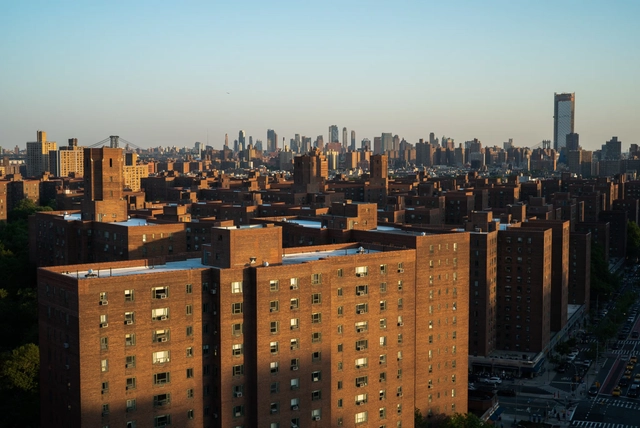
Adaptive Urban Regulations: Navigating Change in Affordable Housing, Infrastructure, and Sustainability in the U.S.

In the ever-evolving landscape of urban development, cities are faced with an array of challenges that demand quick and innovative solutions, ranging from the critical issue of affordable housing to the pressing need for efficient and decongested infrastructure and sustainable energy practices. As the demands of the built environment expand, local authorities worldwide are redefining policies and regulations to shape their cities. These innovative regulations can drive sustainable and consistent progress as cities stand at the intersection between their present challenges and future aspirations.

Adaptive Urban Regulations: Navigating Change in Affordable Housing, Infrastructure, and Sustainability in the U.S.  - Image 1 of 4Adaptive Urban Regulations: Navigating Change in Affordable Housing, Infrastructure, and Sustainability in the U.S.  - Image 2 of 4Adaptive Urban Regulations: Navigating Change in Affordable Housing, Infrastructure, and Sustainability in the U.S.  - Image 3 of 4Adaptive Urban Regulations: Navigating Change in Affordable Housing, Infrastructure, and Sustainability in the U.S.  - Image 4 of 4Adaptive Urban Regulations: Navigating Change in Affordable Housing, Infrastructure, and Sustainability in the U.S.  - More Images

Building Resilience: A Closer Look at 2023's Response to Disaster Challenges

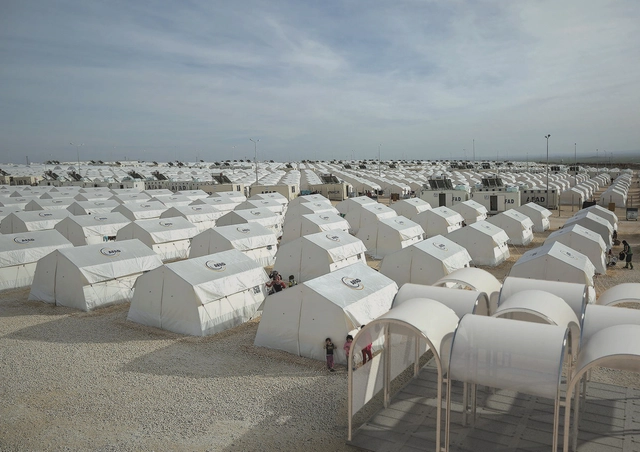
As we reflect on the tumultuous events of 2023, it becomes evident that the challenges posed by changing environmental conditions have left an indelible mark on communities worldwide. In response, architects and urban planners have set out, searching for the ways in which their actions can help create safer environments for communities worldwide, responding with both fast-to-deploy emergency architectures and long-term strategies to build resilience and mitigate risks.

Beyond merely responding to events like the devastating earthquakes in Turkey, Syria, and Morocco, or the widespread flooding in Libya or Pakistan, professionals are attempting to take proactive approaches, developing strategies that extend from predictive modeling to the application of re-naturalizing techniques or the ongoing research into the physics of safer and resilient structures.

Building Resilience: A Closer Look at 2023's Response to Disaster Challenges - Image 1 of 4Building Resilience: A Closer Look at 2023's Response to Disaster Challenges - Image 2 of 4Building Resilience: A Closer Look at 2023's Response to Disaster Challenges - Image 3 of 4Building Resilience: A Closer Look at 2023's Response to Disaster Challenges - Image 4 of 4Building Resilience: A Closer Look at 2023's Response to Disaster Challenges - More Images+ 15

2023 Cities in Focus: Lessons in Environmental Resilience

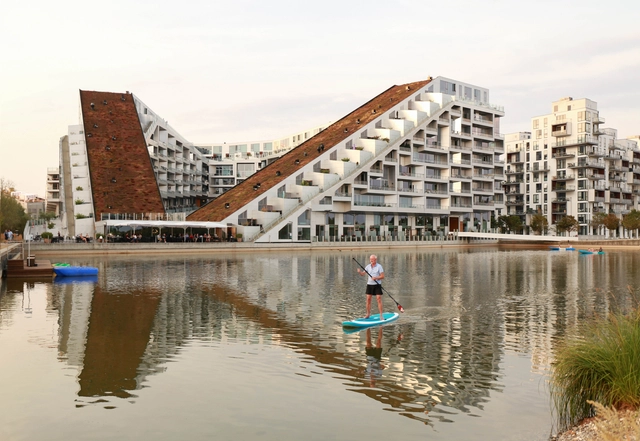
In the rapidly evolving landscape of the 21st century, cities have emerged as models of innovation in terms of sustainable development goals. Cities creatively address pressing urban challenges, including density, transportation, housing, and resilience. They hold the potential to pioneer a comprehensive climate agenda, serving as laboratories for sustainable initiatives, cross-sectoral innovations and community-oriented strategies. Cities act as catalysts for revolutions, implementing impactful solutions that can be applied worldwide.

2023 Cities in Focus: Lessons in Environmental Resilience  - Image 1 of 42023 Cities in Focus: Lessons in Environmental Resilience  - Image 2 of 42023 Cities in Focus: Lessons in Environmental Resilience  - Image 3 of 42023 Cities in Focus: Lessons in Environmental Resilience  - Image 4 of 42023 Cities in Focus: Lessons in Environmental Resilience  - More Images+ 5

Reclaiming Waterfronts: Turning Barren Shipping Ports Into Iconic Public Spaces

Subscriber Access | 

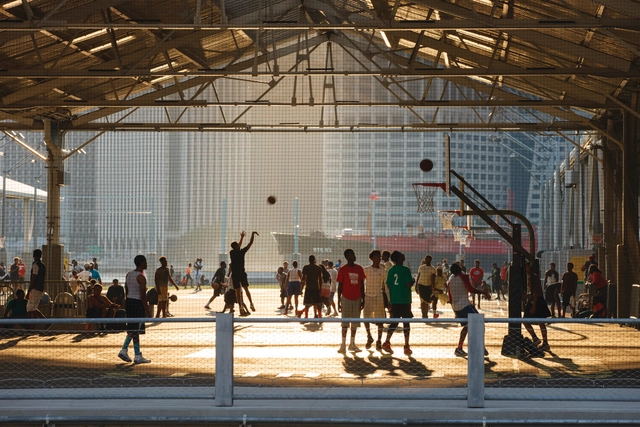
Beautiful sites with stunning views along the waterfront of major cities often go unused due to the industrial remains of a past economy based on shipping and manufacturing. The move away from these economic sectors and the potential of these sites has contributed to a move to adapt these spaces into public amenities. While some cities' approach has been to demolish and start from scratch completely, the thirteen-year transformation of the Brooklyn Bridge Park in New York City's waterfront included keeping some of its industrial character. In their upcoming book "Brooklyn Bridge Park," Michael Van Valkenburgh Associates discuss their design process, including using the existing materiality and structures along the piers to embed the site's history in the park.

Reclaiming Waterfronts: Turning Barren Shipping Ports Into Iconic Public Spaces - Image 1 of 4Reclaiming Waterfronts: Turning Barren Shipping Ports Into Iconic Public Spaces - Image 2 of 4Reclaiming Waterfronts: Turning Barren Shipping Ports Into Iconic Public Spaces - Image 3 of 4Reclaiming Waterfronts: Turning Barren Shipping Ports Into Iconic Public Spaces - Image 4 of 4Reclaiming Waterfronts: Turning Barren Shipping Ports Into Iconic Public Spaces - More Images+ 5

BIG’s Twisting One High Line Skyscrapers Near Completion in New York City

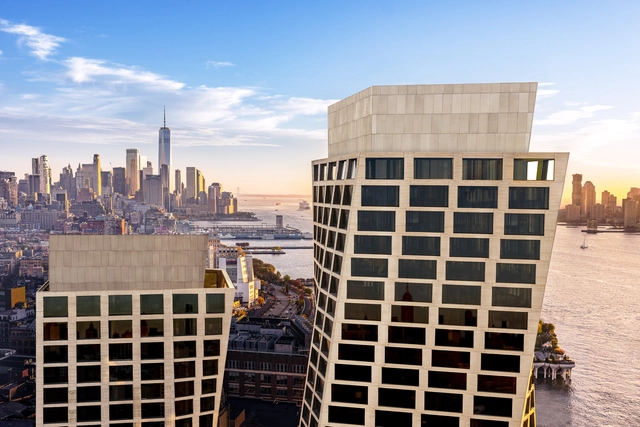
A new set of images showcases BIG's One High Line development nearing completion. Located on the ‘Architecture Row’ in New York, the coupled twisting towers share the Hudson River skyline with neighbors such as Frank Gehry’s IAC building, Renzo Piano’s Whitney Museum of American Art, and Jean Nouvel’s The Chelsea Nouvel ('100 Eleventh Avenue'), along with future works by Thomas Heatherwick and other renown architects. The two condominium towers designed by BIG are organized to define a central public courtyard, activating the public space with retail and commercial facilities. The towers’ exterior and the majority of the interior are completed, with the courtyard expected to be finished by early 2024.

BIG’s Twisting One High Line Skyscrapers Near Completion in New York City - Image 1 of 4BIG’s Twisting One High Line Skyscrapers Near Completion in New York City - Image 2 of 4BIG’s Twisting One High Line Skyscrapers Near Completion in New York City - Image 3 of 4BIG’s Twisting One High Line Skyscrapers Near Completion in New York City - Image 4 of 4BIG’s Twisting One High Line Skyscrapers Near Completion in New York City - More Images+ 4

Design for Density: Housing in India as Social Infrastructure

Subscriber Access | 

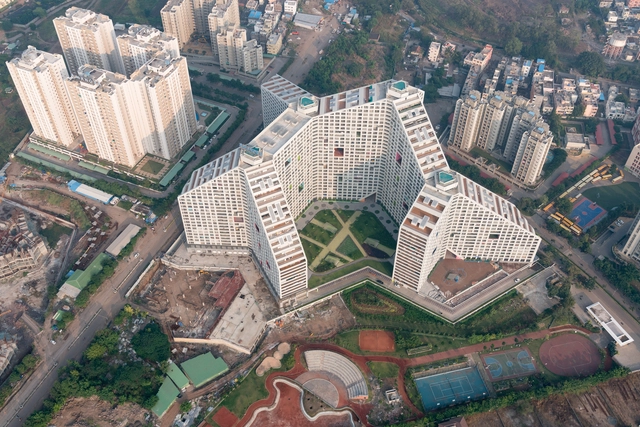
Like most countries, India faces a perpetual housing crisis. As the world’s most populous nation, with an urban population expected to grow from 410 million in 2014 to 814 million by 2050, this becomes a pressing concern. The Indian built landscape brings further complexities in the form of a pervasive market-driven approach and the need for socially relevant housing. Looking into the future, how will India address the needs of its growing population to house the next million urbanites?

Design for Density: Housing in India as Social Infrastructure - Image 1 of 4Design for Density: Housing in India as Social Infrastructure - Image 2 of 4Design for Density: Housing in India as Social Infrastructure - Image 3 of 4Design for Density: Housing in India as Social Infrastructure - Image 4 of 4Design for Density: Housing in India as Social Infrastructure - More Images+ 1

Reshaping U.S. Downtowns: Momentum Grows for Office-To-Housing Transformations

Subscriber Access | 

Cities across the US are struggling to fill their office spaces. Major cities like Washington DC, Boston, and San Francisco have increasingly vacant downtowns, while the urban centers of small Rust Belt cities struggle to survive altogether. This trend is consistent beyond the US, with over three-quarters of Europe’s office buildings at risk of obsolescence by the decade’s end. The cause of this, in most cases, is simple: an oversupply of offices and a shift towards remote work. These vacant buildings can trigger a negative domino effect of economic and social challenges for cities, and their surplus, coupled with a housing shortage, has sparked discussions among cities and architects about the impending necessity to transform offices into housing.

Reshaping U.S. Downtowns: Momentum Grows for Office-To-Housing Transformations - Image 1 of 4Reshaping U.S. Downtowns: Momentum Grows for Office-To-Housing Transformations - Image 2 of 4Reshaping U.S. Downtowns: Momentum Grows for Office-To-Housing Transformations - Image 3 of 4Reshaping U.S. Downtowns: Momentum Grows for Office-To-Housing Transformations - Image 4 of 4Reshaping U.S. Downtowns: Momentum Grows for Office-To-Housing Transformations - More Images+ 2

Studio Gang Breaks Ground on the Shirley Chisholm Recreational Center in New York City

New York City Mayor Eric Adams, along with the New York City Department of Design and Construction, has announced the breaking ground on the construction of the Studio Gang-designed Shirley Chisholm Recreation Center. Located at the Nostrand Playground in East Flatbush, Brooklyn, the center aims to bring new amenities to the residents of East Flatbush while honoring the history and heritage of the community. The new center is named after Brooklyn-born politician Shirley Chisholm, the first African American woman to serve in Congress and the first woman and African American to seek the nomination for president of the United States.
Our Cities Aren’t Dead Yet!

This article was originally published on Common Edge.

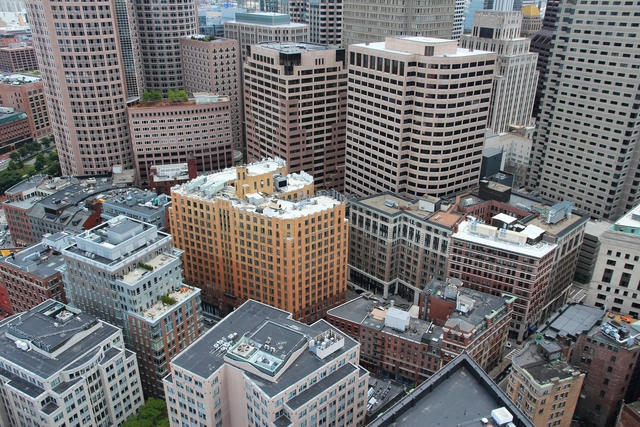
It has been a bull market for downbeat urban reporting since the pandemic arrived in town. And it isn’t hard to see why. In 2020, central U.S. cities went from “comeback” success stories to ghost towns; transit lost nearly all ridership; tens of thousands of stores and restaurants shuttered; and many of the affluent decamped to the suburbs and distant Zoom towns. 

How NYC Plans to Deal With Rainstorms: Global Precedents

Subscriber Access | 

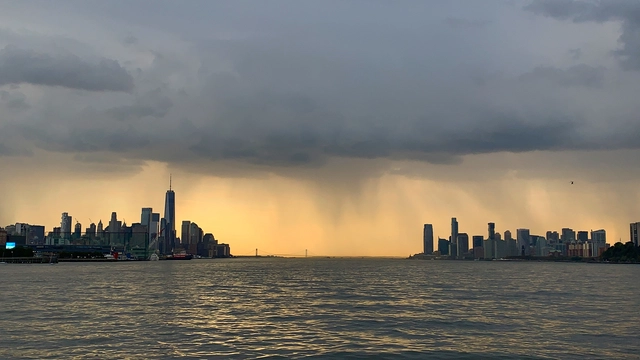
In September of this year, New York City experienced a severe storm that inundated its streets with more than 7 inches of rain in less than 24 hours, causing a number of roads to close, cars to submerge, and buses to get trapped. This event again highlighted the city's old infrastructure's inability to handle fast and heavy rainfall. As climate change intensifies, experts warn that such extreme weather events will become increasingly frequent. This vulnerability is especially concerning in densely populated urban areas such as New York City, where flooding risks increase due to the large amounts of impervious surfaces.

How NYC Plans to Deal With Rainstorms: Global Precedents - Image 1 of 4How NYC Plans to Deal With Rainstorms: Global Precedents - Image 2 of 4How NYC Plans to Deal With Rainstorms: Global Precedents - Image 3 of 4How NYC Plans to Deal With Rainstorms: Global Precedents - Image 4 of 4How NYC Plans to Deal With Rainstorms: Global Precedents - More Images

NYCxDESIGN's Design Pavilion Reveals Public Installations and Pavilions Across the City

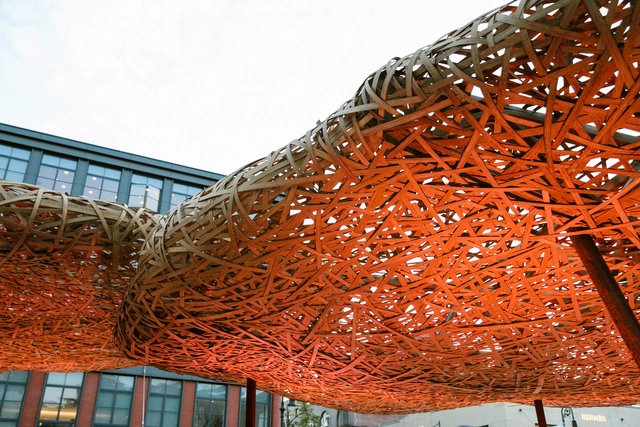
From October 12 to 18, NYCxDESIGN presents the Design Pavilion, a prominent public architectural exhibition in New York. Occurring during Archtober, a month-long celebration of architecture, this year's Design Pavilion highlights three imaginative installations spanning materiality, sustainability, social justice, and more.

Two tangible installations have been designed to transform Gansevoort Plaza in the Meatpacking District into urban retreats, while the third exhibit offers a digital art projection at the World Trade Center Podium, addressing the nation's history of enslavement and the quest for healing. Along with the pavilions, the Design Talks program highlights and opens discussions on relevant issues of the profession, centering around themes of sustainability, repurposing, and waste reduction.

NYCxDESIGN's Design Pavilion Reveals Public Installations and Pavilions Across the City - Image 6 of 4NYCxDESIGN's Design Pavilion Reveals Public Installations and Pavilions Across the City - Image 11 of 4NYCxDESIGN's Design Pavilion Reveals Public Installations and Pavilions Across the City - Image 15 of 4NYCxDESIGN's Design Pavilion Reveals Public Installations and Pavilions Across the City - Image 13 of 4NYCxDESIGN's Design Pavilion Reveals Public Installations and Pavilions Across the City - More Images+ 13

"You Can't Do Architecture Just with Architects": In Conversation with Oana Stănescu

Oana Stănescu is a Romanian architect, designer, writer, and educator, based in New York and Berlin, with a diverse portfolio of interventions around the world. Selected as part of 2023 New Practices by ArchDaily, the young architect recognizes the value of architecture as a discipline, but nevertheless acknowledges that architecture cannot single-handedly resolve the complex challenges of our world. “Architecture is most powerful when recognized as part of a larger system, rather than being solely self-serving”, she adds in her conversation with ArchDaily’s Managing Editor, Christele Harrouk. In this way, Oana views architecture as a key player in a broader context, working to address significant societal issues.

With several ongoing projects, from the rehabilitation of an existing industrial infrastructure in Romania, to an integrated house within its natural environment in Canada, Oana’s creative process is centered on a commitment to serve people. Watch the full interview and discover below key insights from the conversation.

"You Can't Do Architecture Just with Architects": In Conversation with Oana Stănescu - Image 1 of 4"You Can't Do Architecture Just with Architects": In Conversation with Oana Stănescu - Image 2 of 4"You Can't Do Architecture Just with Architects": In Conversation with Oana Stănescu - Image 3 of 4"You Can't Do Architecture Just with Architects": In Conversation with Oana Stănescu - Image 4 of 4You Can't Do Architecture Just with Architects: In Conversation with Oana Stănescu - More Images+ 19

James R. Thompson Center Announces Participation at Chicago Architecture Biennial's 5th Edition

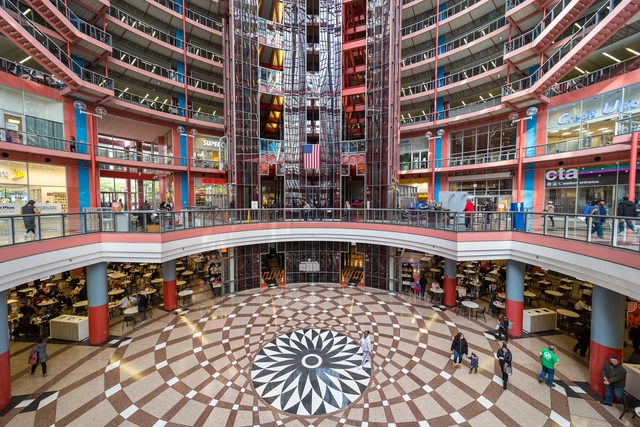
The Chicago Architecture Biennial (CAB 5) has announced the participation of the James R Thompson Center as both a cultural partner and city site for the 5th edition of the exhibition. CAB 5: This is A Rehearsal is curated by the Chicago-based artist collective Floating Museum. The Thompson Center has long been referred to as one of Chicago’s postmodern architectural marvels, designed by Helmut Jahn. At this year’s biennial, which starts on the 21st of September, 2023, the center will host five exhibitions and site-specific installations.

James R. Thompson Center Announces Participation at Chicago Architecture Biennial's 5th Edition - Image 1 of 4James R. Thompson Center Announces Participation at Chicago Architecture Biennial's 5th Edition - Image 2 of 4James R. Thompson Center Announces Participation at Chicago Architecture Biennial's 5th Edition - Image 3 of 4James R. Thompson Center Announces Participation at Chicago Architecture Biennial's 5th Edition - Image 4 of 4James R. Thompson Center Announces Participation at Chicago Architecture Biennial's 5th Edition - More Images+ 3

Archtober, NYC’s Architecture and Design Festival, Launches 13th Year

Archtober, a New York City-based platform that promotes the discovery of architecture and design through experiences and content, will celebrate the next installment of its annual Festival from October 1–31, 2023.

Clad in Translucent Marble Slabs, The Perelman Performing Arts Center Opens in New York’s Ground Zero

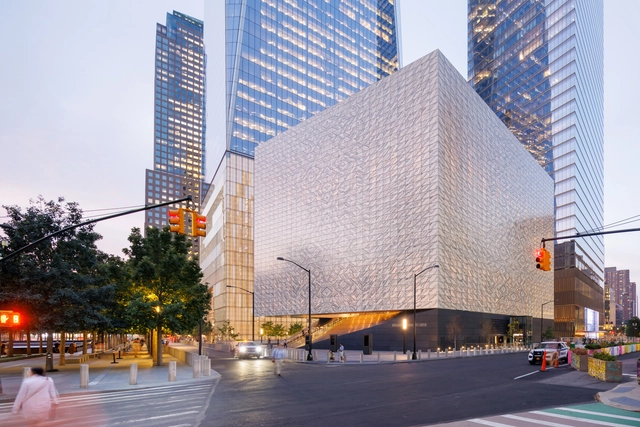
After over two decades in the making, the Perelman Performing Arts Center opened to the public on September 19, 2023. The luminous cube-shaped building was designed by the architecture firm REX, led by Joshua Ramus, to become one of New York City’s cultural keystones and the final piece in the 2023 Master Plan for the rebuilding of the 16-acre World Trade Center site. The inaugural season will feature commissions, world premieres, co-productions, and collaborative work across theater, dance, music, opera, film, and more. While only eight stories high, the venue stands out due to its monolithic façade composed of translucent veined Portuguese marble.

Clad in Translucent Marble Slabs, The Perelman Performing Arts Center Opens in New York’s Ground Zero - Image 1 of 4Clad in Translucent Marble Slabs, The Perelman Performing Arts Center Opens in New York’s Ground Zero - Image 2 of 4Clad in Translucent Marble Slabs, The Perelman Performing Arts Center Opens in New York’s Ground Zero - Image 3 of 4Clad in Translucent Marble Slabs, The Perelman Performing Arts Center Opens in New York’s Ground Zero - Image 4 of 4Clad in Translucent Marble Slabs, The Perelman Performing Arts Center Opens in New York’s Ground Zero - More Images+ 15

New York City Legislation Effectively Bans Airbnbs and Short-Term Apartment Rentals

New York City’s Local Law 18, also known as the Short-Term Rental Registration Law, came into effect on September 5, changing the way in which short-term apartment rentals operate in the city. The new local legislation dictated that from now on, short-term rental hosts in the city must register with the Office of Special Enforcement (OSE) to obtain a license, and rentals are only allowed if the host lives in the place and is present for the duration of the guest’s stay. The number of guests is also limited to just two, and the duration is limited to 30 days. The legislation is not an explicit ban on platforms such as Airbnb, but the strict regulations make it almost impossible for the service to continue its activity.

New York City Legislation Effectively Bans Airbnbs and Short-Term Apartment Rentals - Image 1 of 4New York City Legislation Effectively Bans Airbnbs and Short-Term Apartment Rentals - Image 2 of 4New York City Legislation Effectively Bans Airbnbs and Short-Term Apartment Rentals - Image 3 of 4New York City Legislation Effectively Bans Airbnbs and Short-Term Apartment Rentals - Image 4 of 4New York City Legislation Effectively Bans Airbnbs and Short-Term Apartment Rentals - More Images+ 1

Top-Down and Bottom-Up Urban Planning: A Synergetic Approach

Subscriber Access | 

From the grid plans of ancient Greek cities to the Renaissance's idealized urban layouts, the history of urban planning is a reflection of evolving power structures and societal priorities. Across the world, many African and Asian cities simultaneously existed without clear visual manifestation. the organizational structure being deeply embedded in cultural needs and social relations. Urban development is marked by a dichotomy - the contrast between top-down planning strategies led by influential entities and governing bodies, and the bottom-up initiatives driven by local communities. This interplay shapes cities, influencing aspects from infrastructure and public spaces to housing models and urban character. Delving into the differences between these strategies is essential to crafting a harmonious urban landscape that caters to the needs of its residents.

Top-Down and Bottom-Up Urban Planning: A Synergetic Approach - Image 1 of 4Top-Down and Bottom-Up Urban Planning: A Synergetic Approach - Image 2 of 4Top-Down and Bottom-Up Urban Planning: A Synergetic Approach - Image 3 of 4Top-Down and Bottom-Up Urban Planning: A Synergetic Approach - Image 4 of 4Top-Down and Bottom-Up Urban Planning: A Synergetic Approach - More Images+ 1

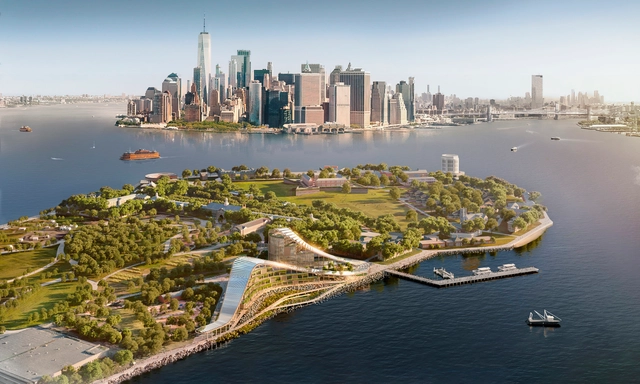
SOM Reveals Design for a Net-Zero Campus on Governors Island, New York City

Skidmore, Owings & Merrill have been selected to design the New York Climate Exchange in partnership with Stony Brook University, a public research institute in New York. The new net-zero campus, located on Governors Island, New York, is planned to serve as an anchor institution for the development of new climate solutions. As a first-of-its-kind international center, “The Exchange” will also act as a regional hub for the green economy.