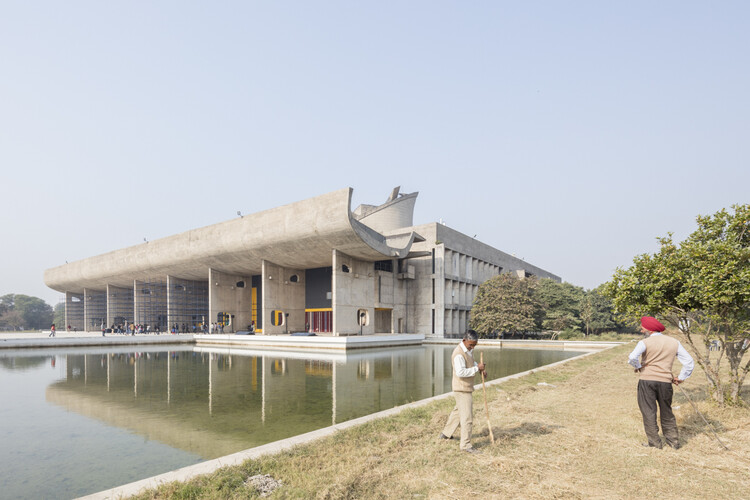
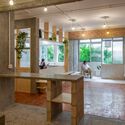
Indian modernism is often narrated through a narrow lens: a handful of iconic institutions, master architects, and formally radical experiments that came to symbolize the nation's post-Independence aspirations. Yet this version of history overlooks the far larger body of modernist architecture that quietly shaped everyday life across the country. Beyond celebrated campuses and canonical buildings exists a vast, dispersed landscape of housing blocks, offices, hostels, hospitals, markets, and townships — structures that were designed to function and endure.
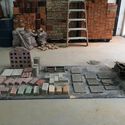
The circular economy, including the reuse of building materials, is fast becoming a key component in the fight against carbon emissions. This involves designing to minimize waste and utilize materials that can be reused at the end of the building's life. On the opposing side, the reuse of materials from partially or wholly demolished buildings can also reduce waste and carbon emissions that would have resulted from using virgin materials. Sustainability purposes aside, the reuse of building materials has a centuries-old history, both for symbolic reasons and simply out of necessity.
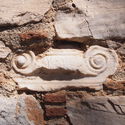
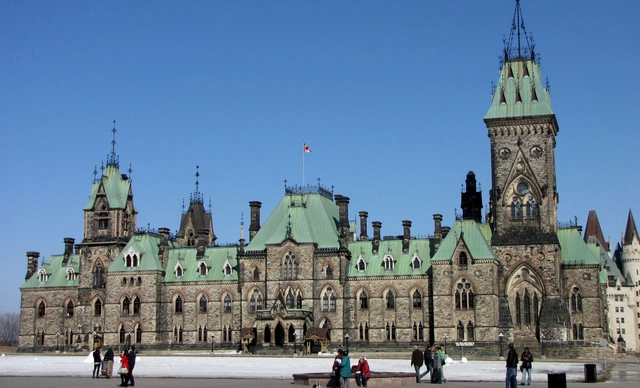
Heritage restoration has always been an intricate process that requires delicate balancing between preserving the integrity of historic materials while integrating contemporary techniques that can enhance accuracy, efficiency, and resilience. With the restoration process of Parliament Hill in Ottawa, Canada's capital city, this intersection of tradition and technology is now on full display. The East Block, built in 1865, offers a compelling example of how digital tools can support the efforts of heritage restoration and contribute to a centuries-old craft such as stone carving.
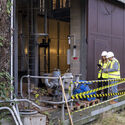
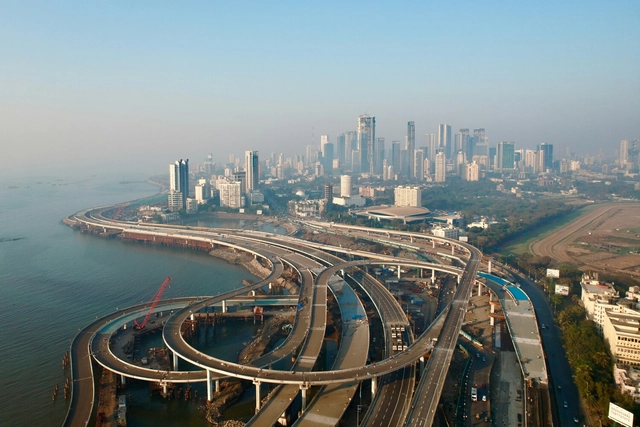
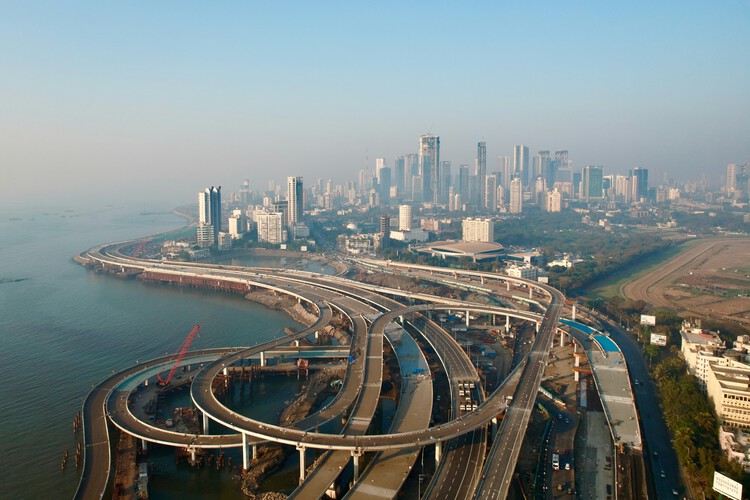
In 2025, India's most consequential design projects unfolded largely out of sight. While public attention gravitated toward museums, cultural landmarks, and visually arresting façades, the architecture that most decisively shaped daily life existed underground, at the city's edges, or inside secured compounds few citizens would ever enter. Sewage networks were rebuilt, flood tunnels bored beneath dense neighborhoods, substations lifted above floodplains, and data centers multiplied across peri-urban landscapes. These were not peripheral works of engineering; they were the spatial systems that allowed Indian cities to remain functional through record heatwaves, erratic monsoons, and accelerating urban growth.
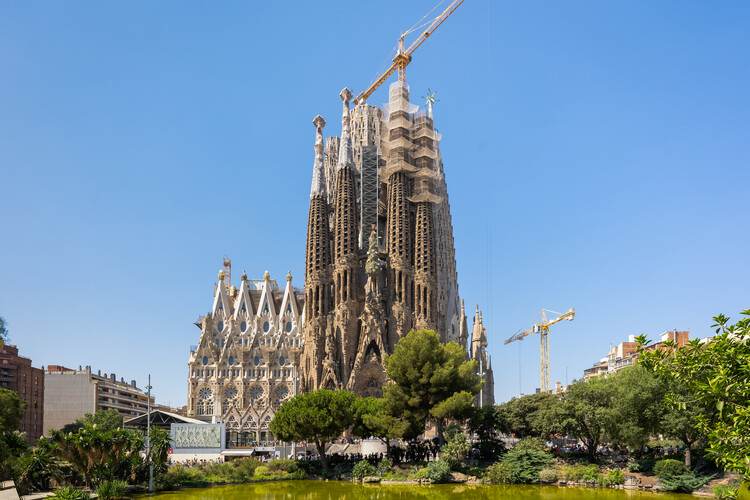
La Sagrada Familia by Antoni Gaudi. Image by Maksim Sokolov, via Wikimedia Commons, License CC BY-SA 4.0
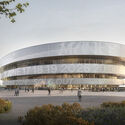
As 2025 concludes, we look ahead to 2026, a year scheduled to deliver a diverse range of significant architectural projects across the world. The year is particularly notable for the completion of new infrastructure and cultural buildings, including long-term projects. Europe will be in the spotlight of the new year with the Milano Cortina 2026 Winter Olympics. This event will feature projects such as the Olympic Village by SOM and the Winter Olympics Arena by David Chipperfield Architects. Also in Milan, BIG is set to complete construction of the City Wave project as part of a new business district in the city. At the same time, after more than 140 years of its establishment, the architects around the world will also be watching for the long-awaited completion of Antoni Gaudí's La Sagrada Familia in Barcelona, announced for 2026.
In recent years, this long-standing relationship began to shift. Architectural images did not simply become more refined or technologically advanced; they took on new social and institutional significance. As images moved beyond professional contexts and entered wider public circulation, their role expanded. They were no longer only methods of communication within the discipline, but also objects of public interpretation, discussion, and, at times, dispute. This marked a subtle but important change in how architectural visuals were understood and used.
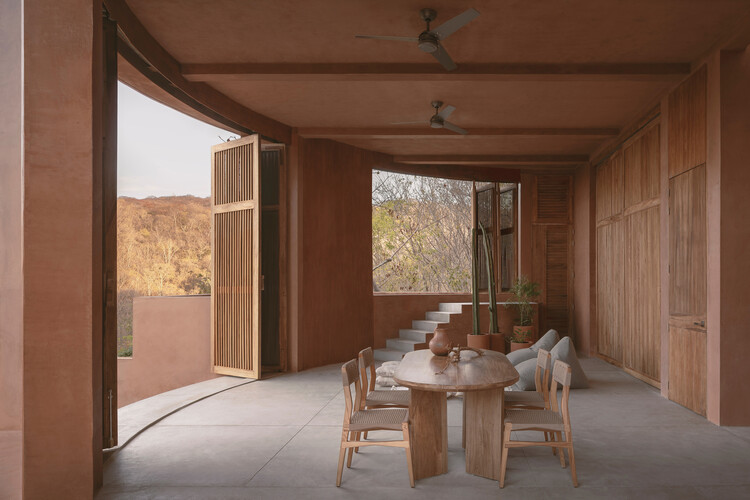
As 2025 approaches its end, we look back at an eventful year in the world of interior design. Last year, designers favored reserved, modest approaches, a trend that continued from previous years. The emergence of artificial intelligence generated intense discussions on digital equity and misinformation, which continued into 2025, especially with the topic of the Venice Architecture Biennale, Intelligens. This opened the conversation to the opportunities of digital technologies, attempting a more hopeful outlook. On the other hand, completed interior design projects over the year focused more on the tangible and the pragmatic, with expressed raw materials and an appreciation of history.
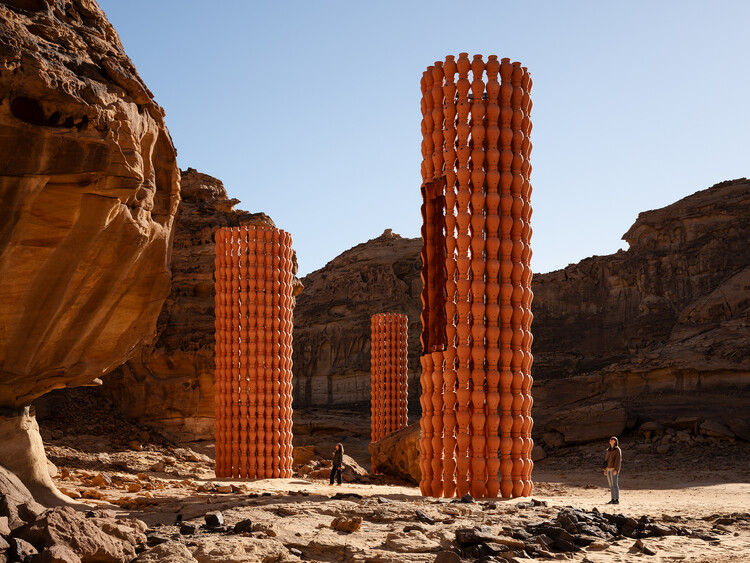
Courtesy of The Royal Commission for AlUla | Rana Haddad + Pascal Hachem Reveries, Desert X AlUla 2024
Architecture and design enter 2026 in a moment of renewed experimentation, urgent environmental reflection, and an expanded global dialogue on the built environment. As cities confront the pressures of climate adaptation, demographic shifts, and technological transformation, this year's international calendar offers a lens into how the discipline is responding, creatively, critically, and collectively. From long-standing biennials to newly established platforms, the events of 2026 spotlight architecture's evolving role as both a record of our changing world and a driver of more equitable, sustainable futures.
Mishing traditional bamboo house, Majuli . Photo by Rumi Borah. License Creative Commons Attribution-Share Alike 4.0 International
Across India's varied geographies, from coastal backwaters to desert fortress cities, architecture evolved with a deep, instinctive connection to climate. These were not isolated craft traditions but complete ecological systems in which material cycles, thermal comfort, and community knowledge were interdependent. As COP30 turns global attention toward the links between heritage and climate resilience, India's vernacular practices appear less as historical artifacts and more as climate technologies refined over centuries.
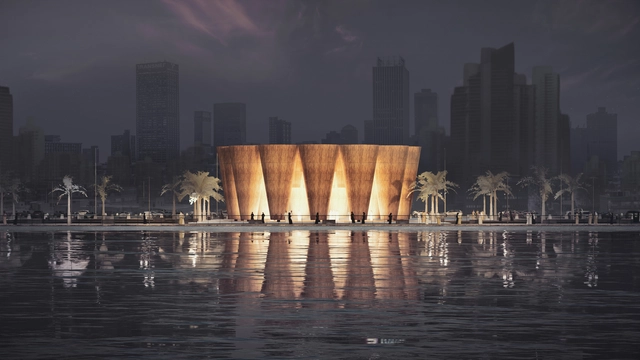
This international competition invited architects, artists, and designers to create visionary public sculptures that reflect Saudi Arabia's rich cultural heritage and forward-looking ambitions. As the Kingdom undergoes a profound transformation under Vision 2030, this initiative—organized in partnership with the Mujassam Watan Initiative—called for works that engage with both history and future, tradition and innovation, within the public realm.
Videos
First Prize Winner: Nest. Image Courtesy of Buildner
Buildner has announced the results of its Kinderspace Edition #2 Competition and launched the third annual Kinderspace Edition #3 with an upcoming registration deadline of 26 November 2025. Following its inaugural launch, this annual international competition once again invited architects, designers, and educators to explore new possibilities for early childhood learning environments.
Participants were tasked with envisioning spaces that inspire discovery, foster imagination, and support the emotional and cognitive development of young children. The aim was to move beyond standardized classroom design and propose innovative, flexible, and nature-connected spaces that reflect a deeper understanding of how children interact with their surroundings.
Videos
1st Prize Winner: Our Light. Image Courtesy of Buildner
Buildner has announced the results of its fourth annual Hospice - Home for the Terminally Ill international architecture ideas competition. This global call for ideas continues to explore how architecture can support end-of-life care with empathy, dignity, and contextual sensitivity. The competition invited architects and designers to move beyond clinical requirements and envision spaces that offer emotional warmth, social connection, and a profound sense of place.
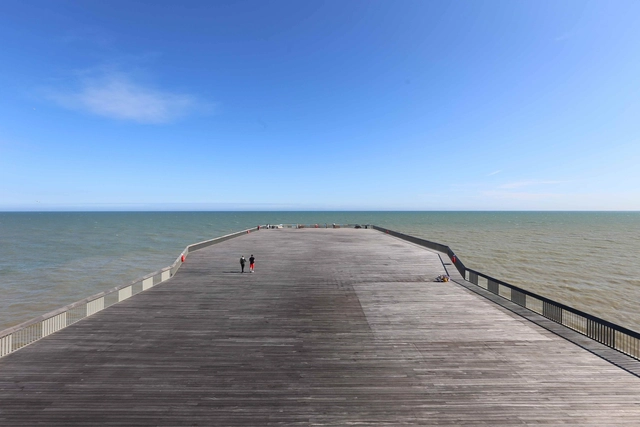
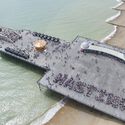
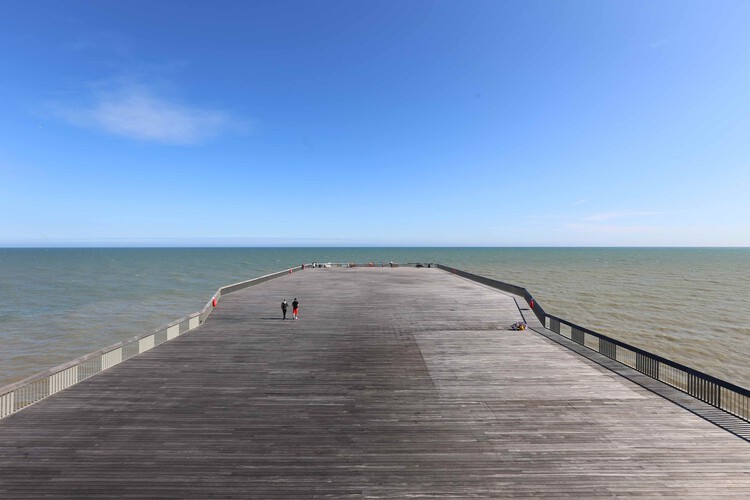
Whether for design competitions or architectural awards, buildings are often judged for what they offer–the programmed functions, the form, or the visual delight. In a minority of cases, it is the absence or the reduction of intervention that made a project successful. In 1971, a high-profile architectural competition in Paris was won by a proposal that only utilized half the available site, giving the rest as an urban space to the city. In London, a proposal to convert a disused power station with minimal additions, leaving large spaces untouched, won a design competition in 1994. The Stirling Prize, the UK's most prestigious architectural award, in 2017 was won by a proposal that was little more than an empty platform. These examples of cultural buildings from Northwestern Europe illustrate how the absence of intervention can provide more.
Architecture is going through transformative times, and so are the platforms that shape how we understand it.
Earlier this year, I addressed you directly to share our vision for 2025: a commitment to reaffirm ArchDaily's mission, elevate our editorial voice, and strengthen our role as a trusted, critical resource for architects worldwide. That message marked the beginning of a new chapter, one grounded in relevance, clarity, and purposeful action.
Romullo Baratto's architectural journey began early, influenced by a family environment steeped in engineering and architectural practice. Growing up surrounded by blueprints and models, he developed a foundational appreciation for the technical and creative aspects of the built environment. While his academic path led him to explore film and writing alongside architecture, these multidisciplinary interests naturally converged in editorial work. Starting as a freelance translator for ArchDaily, Romullo's alignment with the platform's mission led him to join as Editor for the Brazilian site, where he guided the publication to become the first media outlet to receive the prestigious FNA Award.
Now Project Manager at ArchDaily Global, Romullo leads flagship initiatives such as the Building of the Year Awards and ArchDaily New Practices. He approaches editorial work with a commitment to elevating projects and narratives that offer fresh perspectives and provoke meaningful discourse—eschewing mere trend-chasing in favor of critical, nuanced storytelling that deepens professional understanding.
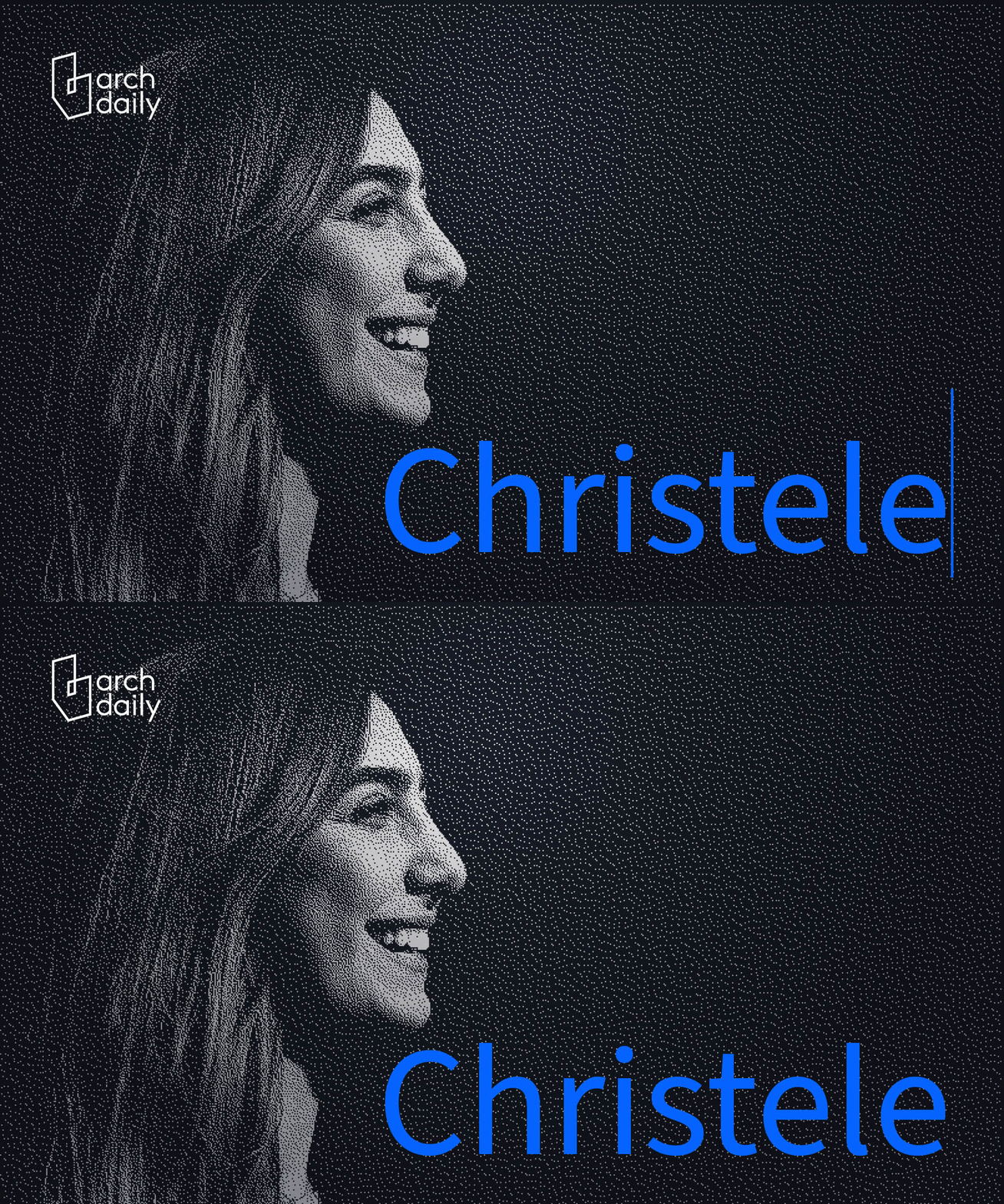
Christele Harrouk's path into architecture was shaped by the complex and ever-changing environment of her Lebanese upbringing—a place marked by contradictions, transformation, and resilience. Although her entry into architecture wasn't planned, the discipline quickly became a profound lens through which she understands the world and its complexities. Combining her passion for writing with her architectural and urban design expertise, Christele discovered a unique voice at the intersection of these fields, embracing editorial work as a powerful platform to influence discourse and amplify diverse narratives.
As Editor-in-Chief of ArchDaily, Christele is deeply committed to shaping architectural discourse through thoughtful curation. She looks for projects and stories that engage profoundly with context, culture, and social realities—seeking those that do more than present architecture as mere form or function. For her, the value lies in content that challenges prevailing narratives, amplifies marginalized voices, and fosters critical conversations across global communities.
Based between Berlin and Vienna, Miwa Negoro brings a transcultural and transdisciplinary perspective to her role at ArchDaily, shaped by her architectural training and professional experiences across East Asia and Europe. Her work explores how built environments both reflect and challenge sociocultural contexts, positioning architecture as a dynamic dialogue between history, society, and future possibilities.
Miwa's curatorial approach emphasizes the interplay between regional context, design processes, and social relevance, alongside material and aesthetic considerations. She seeks projects that resonate beyond their immediate surroundings, offering insights that engage broader architectural discourse. By championing a diverse range of building types, scales, and geographic origins, Miwa actively works to broaden the scope of voices and narratives represented within the field.
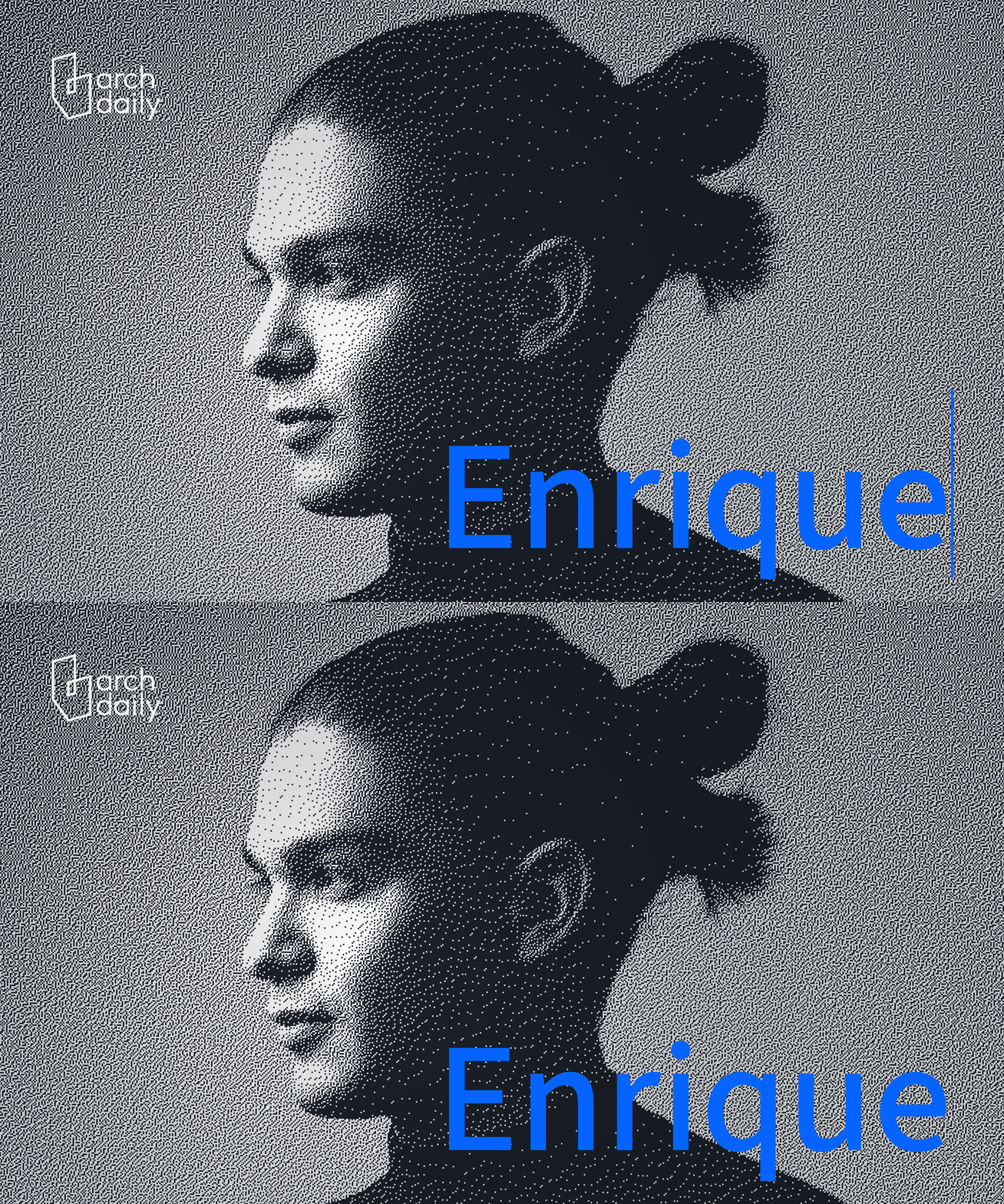
Based in Mexico City, Enrique Tovar brings a multidisciplinary approach to architecture and editorial work shaped by his interest in history, society, art, and craftsmanship. His early experiences in a context where architecture is often self-built or negotiated gave him a nuanced understanding of the built environment as something fluid and evolving with use. This perspective naturally led him to editorial work, which he sees as an extension of architectural practice—one that captures the complexities and tensions that may not be visible in traditional design processes.
As Sponsored Team Editor at ArchDaily, Enrique explores the critical intersections between materials, construction systems, technology, and software. He is especially interested in how these elements influence contemporary architectural practices and the ways in which inclusive and universal design principles can expand the field's reach. His editorial focus encourages environments that respond to diverse bodies, experiences, and modes of inhabiting space, promoting architecture that challenges conventional norms and embraces broader social concerns.