



-
Architects: MM18 Arquitetura, Nubank
- Area: 10000 m²
- Year: 2023




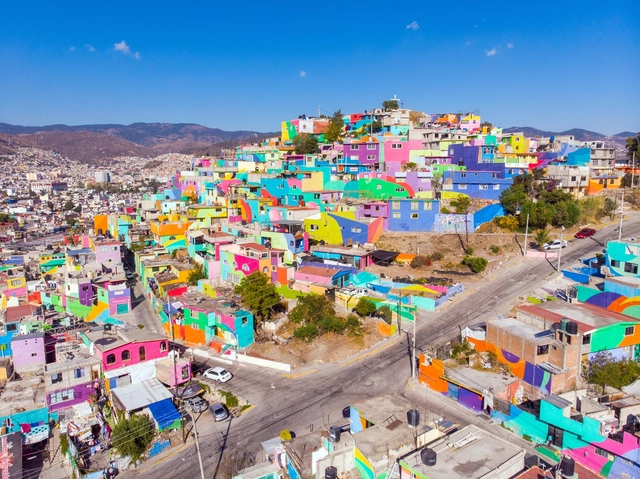
In the perception of many, the favela embodies contradictory and opposed representations. For those outside its boundaries, the favela is frequently associated with crime, poverty, or illness. Yet, it is also regarded as the aesthetic embodiment of a nation, serving as the birthplace of culturally renowned elements worldwide, such as samba in the case of Brazil.


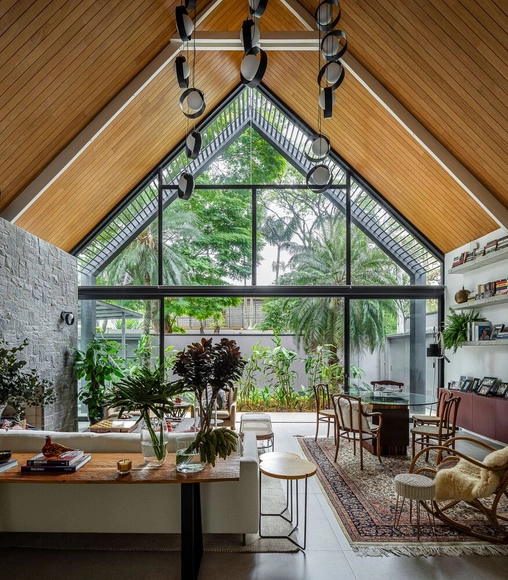
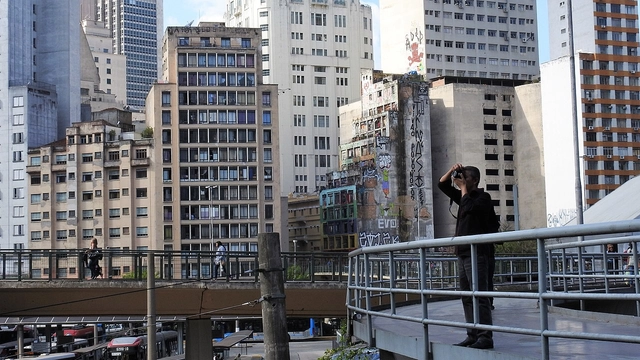
Considered the fifth most populous city in the world as of 2022, São Paulo is confronted with a multitude of challenges befitting its over 22 million inhabitants. Among the numerous urban issues faced, the depopulation of the city's historic center has been a recurring topic for at least four decades, with governments announcing measures that could potentially reverse the situation. In the meantime, the same center has witnessed a rise in housing occupations in abandoned buildings, highlighting the importance of its redefinition and residential potential.

“Reinventing Cities,” C40’s renowned global design competition, has just announced its fourth edition. The competition’s main goal is to “transform underutilized sites or buildings into beacons of sustainability and resilience and act as a showcase for future zero-carbon urban developments.” This year, 15 cities have stepped up the challenge, inviting professionals from various disciplines to reimagine underutilized urban sites and design transformations prioritizing sustainability and inclusivity.
With a commitment to zero-carbon, urban resilient projects, Reinventing Cities has engaged over 3,500 businesses worldwide with 40 projects currently under development globally. This year’s competition is characterized by its ambitious environmental and social objectives; with participating cities spanning continents, including Almere, Bilbao, Bologna, Brussels, Glasgow, Milan, New York, Palermo, Renca, Rome, San Antonio, San Francisco, São Paulo, Seattle, and Venice.
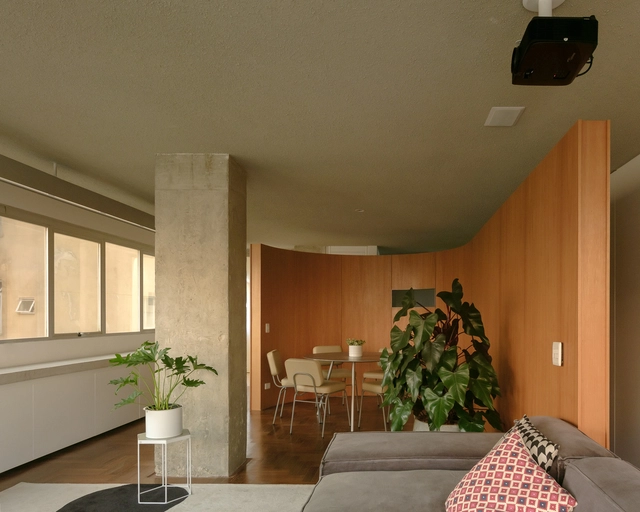
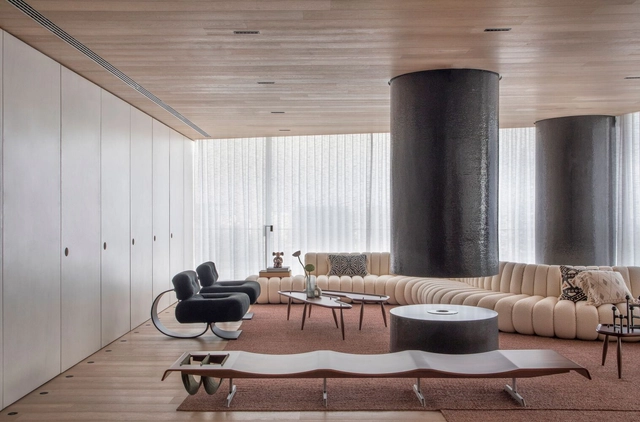
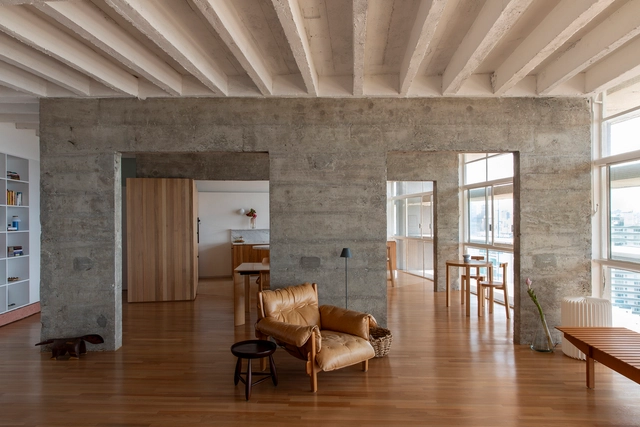
The landscape of downtown São Paulo would not be the same without the presence of Copan. The building inserts Niemeyer's curves into São Paulo's dense verticality, creating a distinctive rhythm that becomes a landmark for all who encounter it. Besides accommodating around five thousand residents, the building serves various purposes, offering different typologies for its residential programs, varying apartment sizes, and prioritizing diversity among its tenants. Differences also emerge when we examine how each person inhabits a standard floor plan; renovations proposing distinct finishes and new layouts reflect the character of each resident but also showcase the inventiveness of the architects intervening in this classic structure. Thus, we gather here projects realized within this icon to demonstrate how each home is unique, even when created in series.