

-
Architects: Clearspace Design & Research
- Area: 2000 m²
- Year: 2018
-
Professionals: Heyi Construction Decoration, CN FLOWER, HANCS landscape architecture, NE-ON



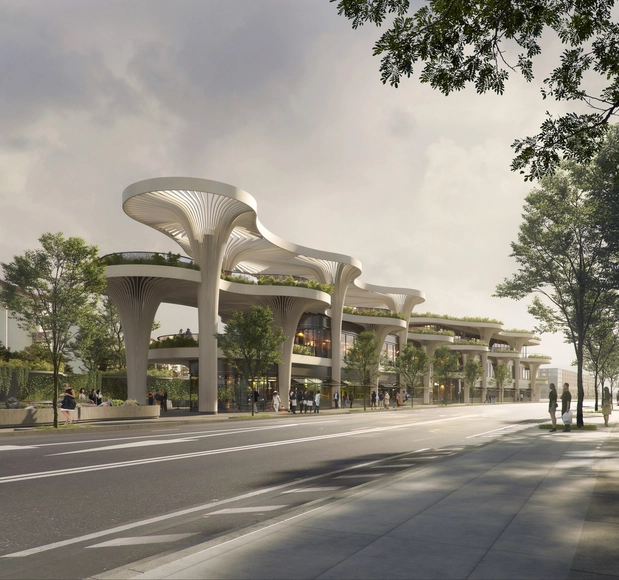
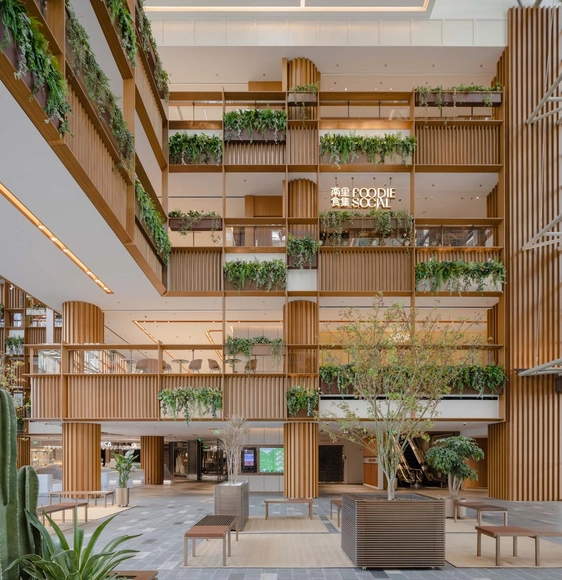
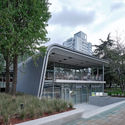
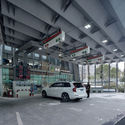
For its latest design in China, the Australian firm Koichi Takada Architects takes inspiration from Shanghai's forest-rich landscape and creates a series of architectural "trees" that branch out, forming a canopy above a new marketplace. Through its open, biophilic design, the Solar Trees Marketplace will be an extension of the outdoor public space, reinterpreting the traditional Chinese market as a community place.
According to the United Nations’ latest report on populations in cities, by 2030, “urban areas are projected to house 60 percent of people globally and one in every three people will live in cities with at least half a million inhabitants”. Growing in both size and number, cities are hubs of government, commerce, and transportation, and in 2021, the world’s 20 largest cities are home to half a billion people. In fact, one in five people worldwide lives in a city with more than 1 million inhabitants.
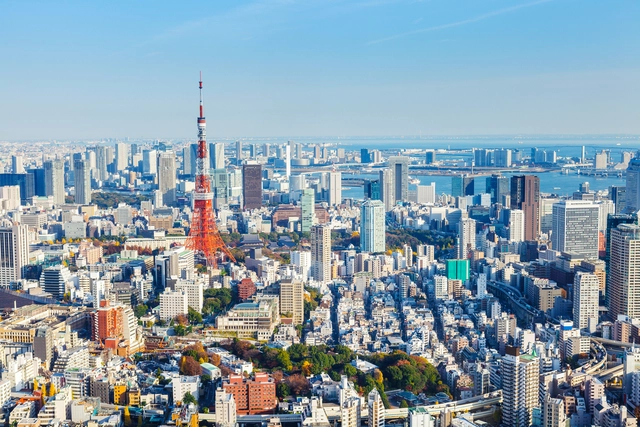
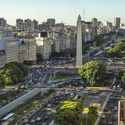
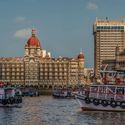
Below, we have rounded up the top 20 megacities in the world of 2021, according to the number of people that live in their metropolitan area. While Tokyo is the largest city on a global level, with a total of more than 37 million residents, the majority of the most populous cities in the world are in the two most populated countries, China and India. Among these, we have 5 metropolises in China, Shanghai, Beijing, Chongqing, Tianjin, and Guangzhou, and 3 in India, Delhi, Mumbai, and Kolkata. The largest city in the American continent is Sao Paulo in Brazil with 22 million people, followed by Mexico City and Buenos Aires in Argentina. Istanbul takes the 13th position with one part of the city lying in Europe and the other part in Asia.
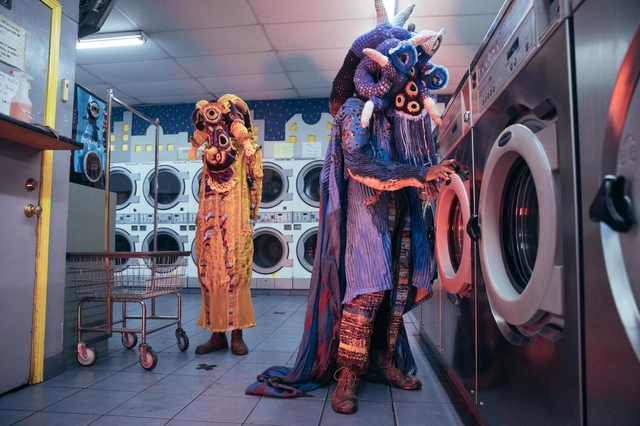
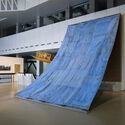
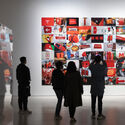
This year's Shanghai Biennale, themed Bodies of Water, examines the interconnectivity and interdependency of people, climates, ecosystems and technologies, exploring the idea of collectivity in the light of accelerating climate change and the current global pandemic. The 13th edition of the oldest biennial in China features works by 64 participating artists exploring the intricate web of interferences and connections in the contemporary world.
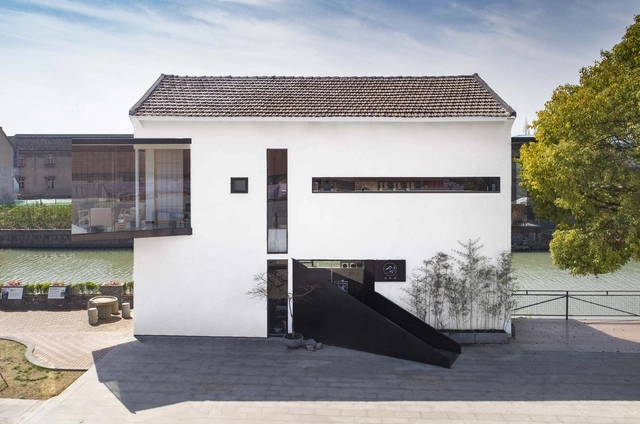

Fred Kent, the founder of the nonprofit organization Project for Public Spaces, once stated that “If you plan cities for cars and traffic, you get cars and traffic. If you plan for people and places, you get people and places." It may sound obvious, nevertheless, our cities today are indeed undergoing a rapid transformation from a car-oriented society to a pedestrian-friendly community.
.jpg?1615994871&format=webp&width=640&height=580)

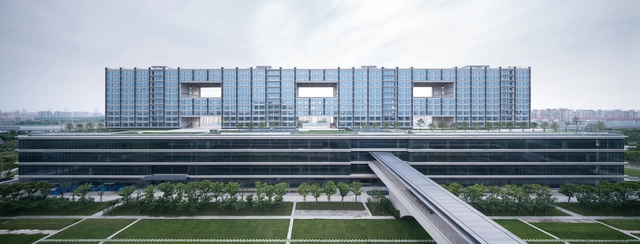
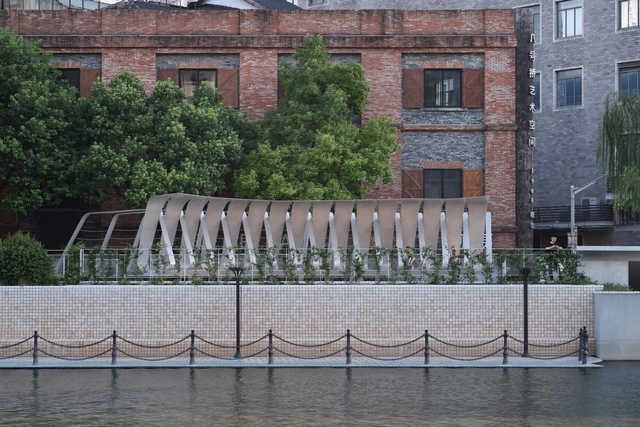
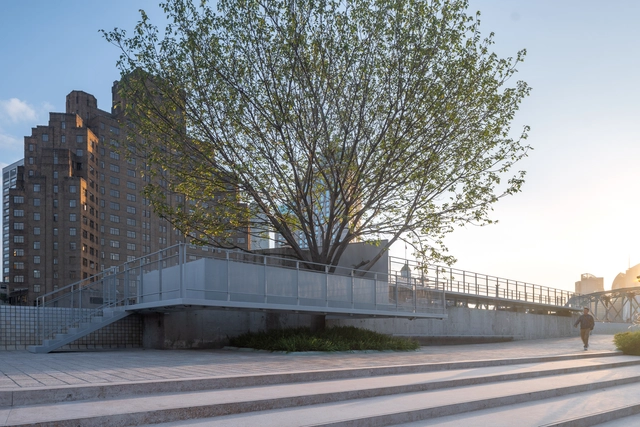

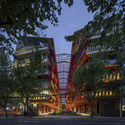

























Central_courtyard-©Xunmei_Media.jpg?1616984224 "central courtyard. Image © Xunmei Media")


.jpg?1615994828 "© Annika Feuss")
.jpg?1615994761 "© Dirk Weiblen")
.jpg?1615994716 "© Annika Feuss")
.jpg?1615994703 "© Annika Feuss")
.jpg?1615994871)