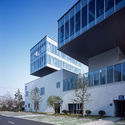
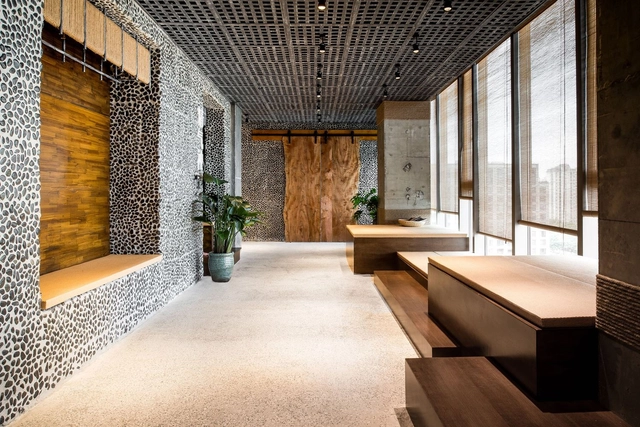
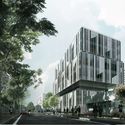
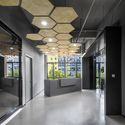
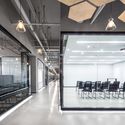
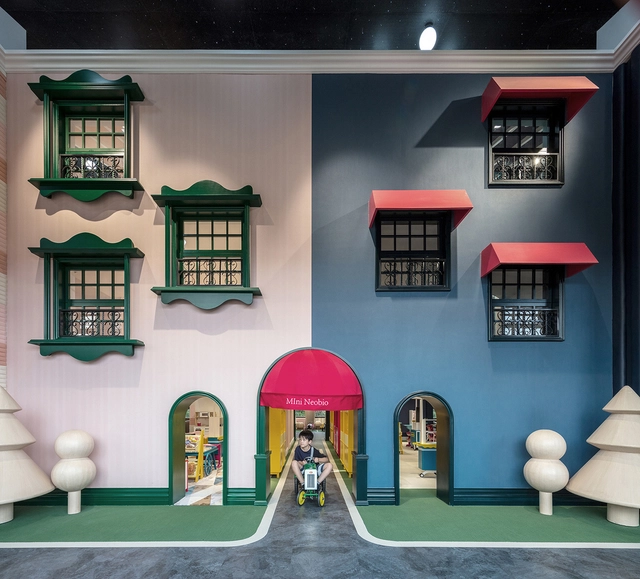
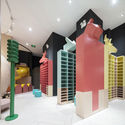
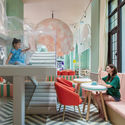
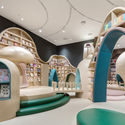
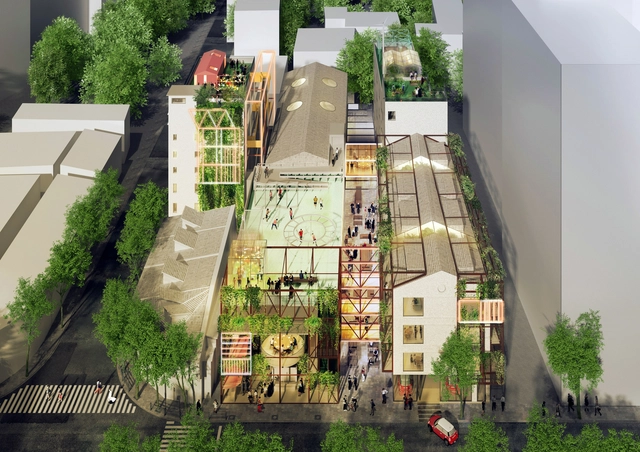
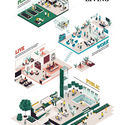
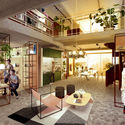
MINI LIVING has revealed plans for its first building-scale project: the transformation of a cluster of six buildings at a former paint factory in Shanghai into an mixed-use “urban hotspot” and co-living facility with space for living, working and socializing.
Partnering with Chinese project developer Nova Property Investment Co., MINI LIVING will fill the industrial shells of the existing buildings with a range of adaptable, program-rich spaces including apartments, rentable workspaces and shared-service areas that will enable “maximum personal flexibility and optimum use of space.”
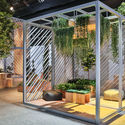
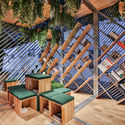
Architecture firm Penda has created "Urban Nest," a new small living concept in collaboration with BMW China's MINI LIVING group for the recent Shanghai Mini Life Exposition. The installation is constructed from a series of 3 by 3 by 3 modules housing different program elements that can be combined to create a variety of flexible living arrangements.
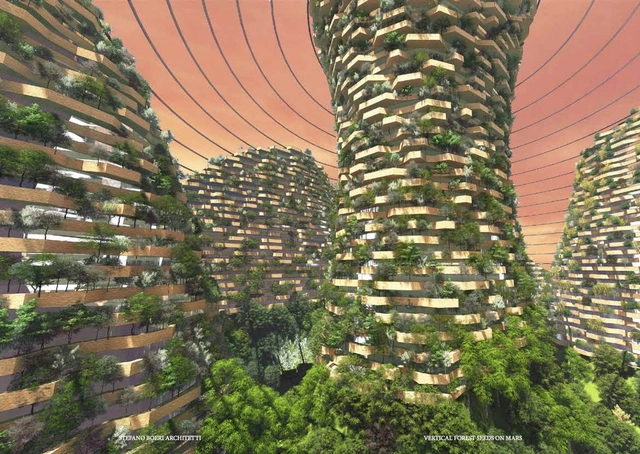
Can architecture and design reverse climate change? Architect and founding partner of Stefano Boeri Architetti (SBA), Stefano Boeri believes it can. Boeri’s Vertical Forest, a project which marries the natural and urban spheres through biodiversity and reforestation, has already come to fruition in Milan, is currently under construction in Beijing, and soon to be constructed in Shanghai. (Watch the video to learn more about Boeri’s Vertical Forest projects.)
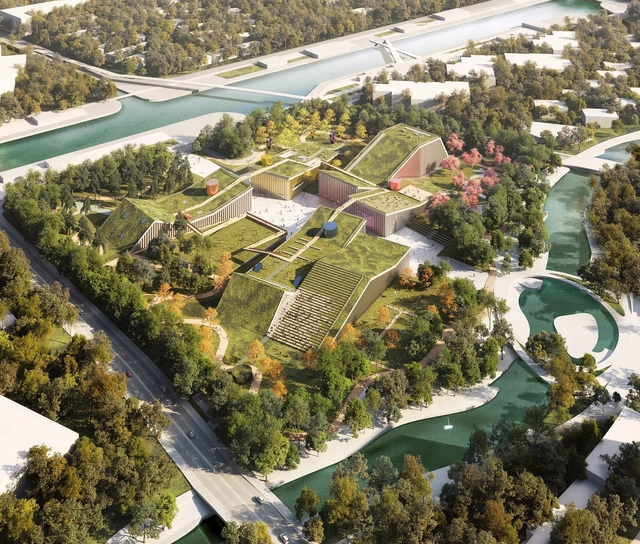
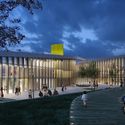
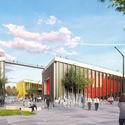
MVRDV, in collaboration with ISA Architecture, has revealed the designed of the Zhangjiang Future Park, a park and community center for the workers and residents of Zhangjiang Hi-Tech Park in Pudong, Shanghai, China. Fully integrated into a rolling park landscape will be a library, an art centre, a performance centre and a sport center – four civic programs that are currently lacking in the neighborhood.
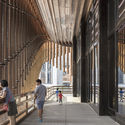
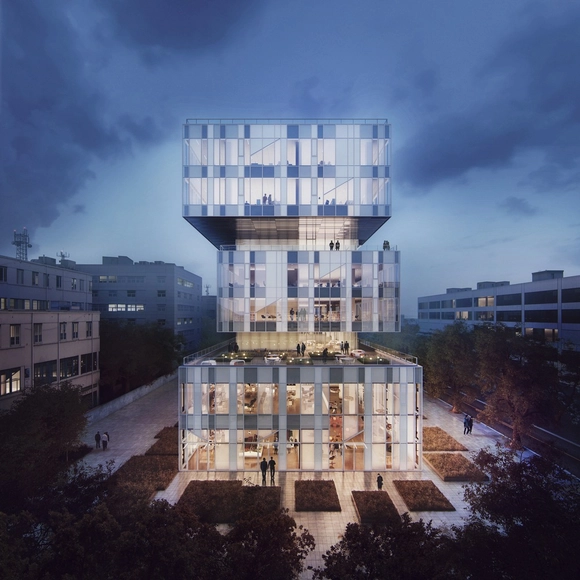
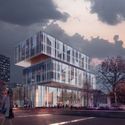
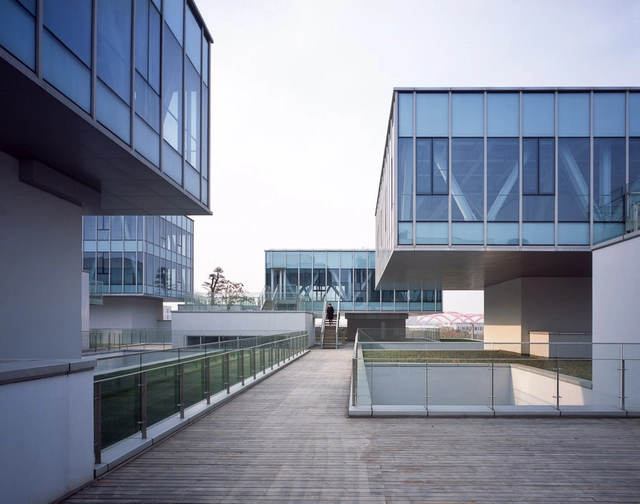
Schmidt Hammer Lassen Architects has revealed the design of the new CaoHeJing Guigu Creative Headquarters in Shanghai as the project breaks ground. Taking the form of three stacked glass volumes with terraces in-between, the center is devised as a series of indoor/outdoor shared spaces that will allow budding hi-tech firms to connect with local graduates and spur innovation of new technology in China.
Supported by the government, the project is sited on the edge of the Shanghai Caohejing Hi-Tech Park, a state-sponsored economic and technological development area located 9 miles (14.5 kilometers) east of downtown Shanghai. The CaoHeJing Guigu Creative Headquarters will add to the nearly 1200 domestic and international companies already operating in the Park.


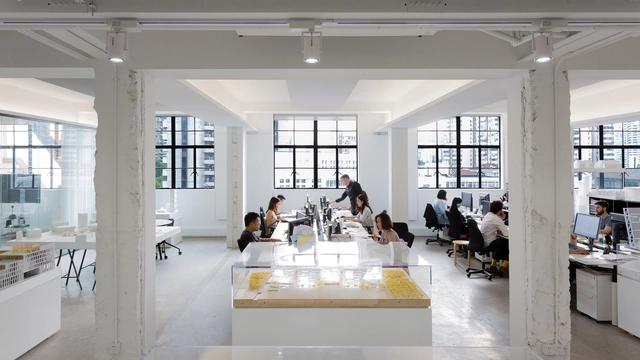





















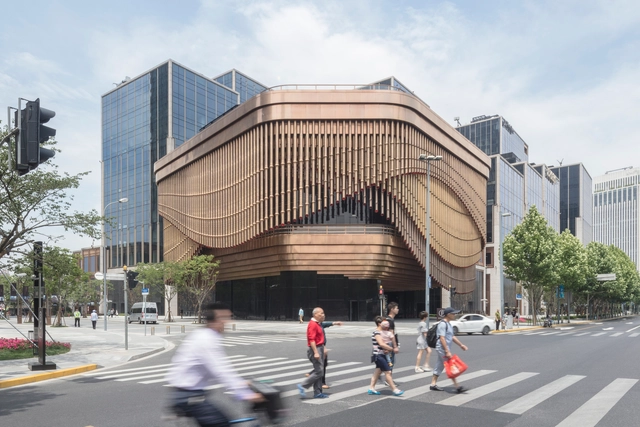
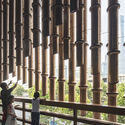
.jpg?1508758629 "© Yijie Hu")
.jpg?1508759110 "© Yijie Hu")
.jpg?1508758510 "© Yijie Hu")