

-
Architects: Yijing Architectural Design
- Area: 68237 m²
- Year: 2023
-
Manufacturers: Marco polo, Nippon Paint, Shengxiang Sports


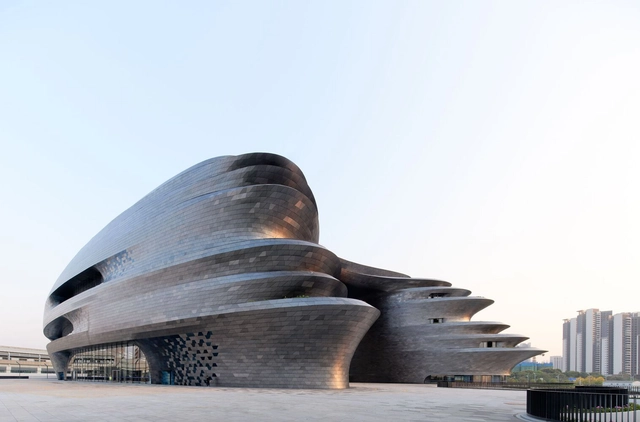
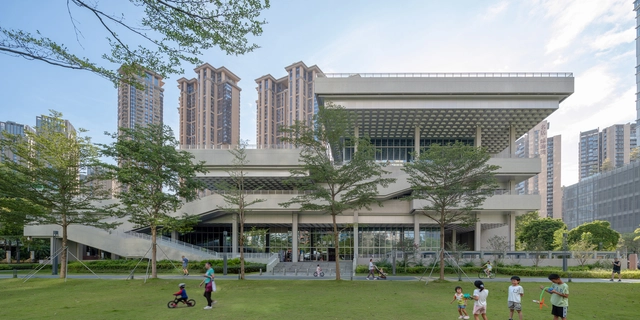
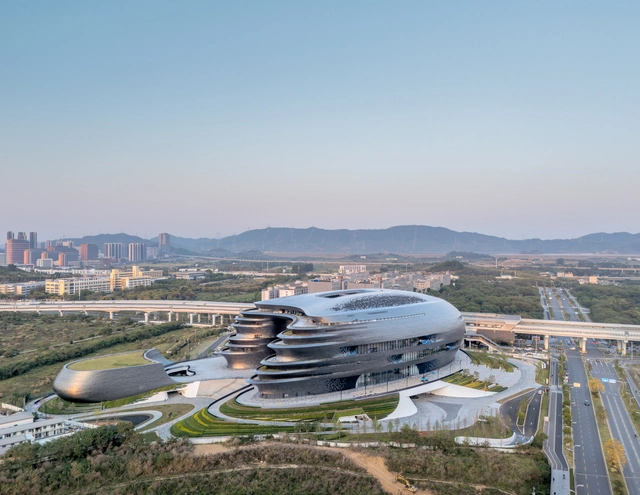
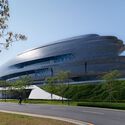
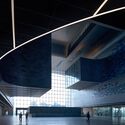
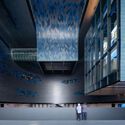
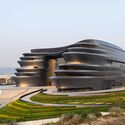
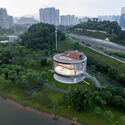
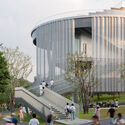
Zaha Hadid Architects has just revealed that the Shenzhen Science & Technology Museum, located in the Guangming District, has officially opened. Designed as a platform to highlight scientific research and technological innovation, the institution will explore the role of science in shaping the future. Adjacent to Guangming Station on Shenzhen's metro network, the design responds to its location as a solid, spherical volume facing the city, defining the southeast corner of the new Science Park. The museum aims to provide a space for public engagement with current developments in science and technology.
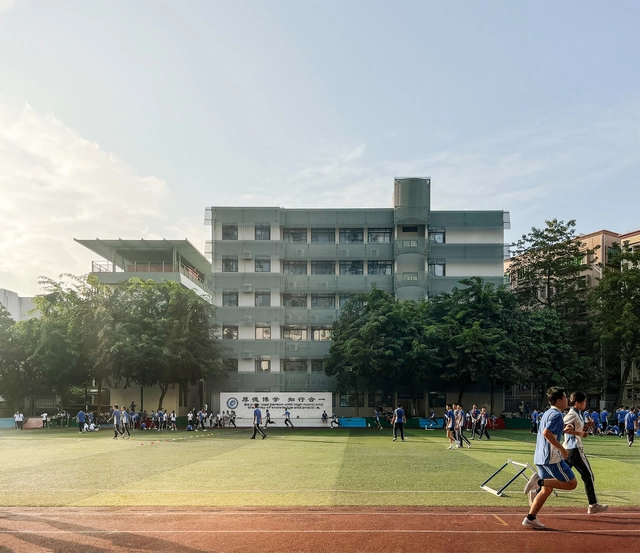
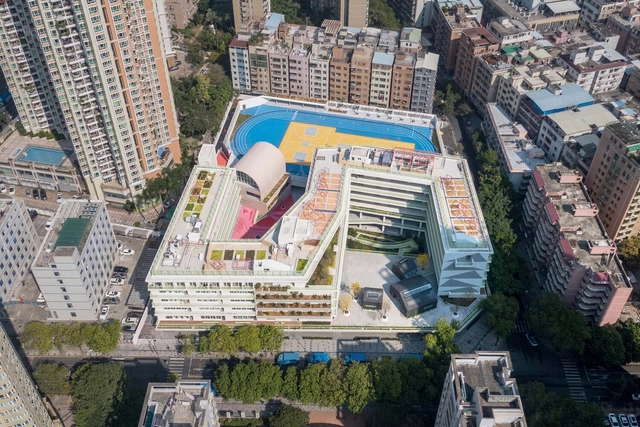
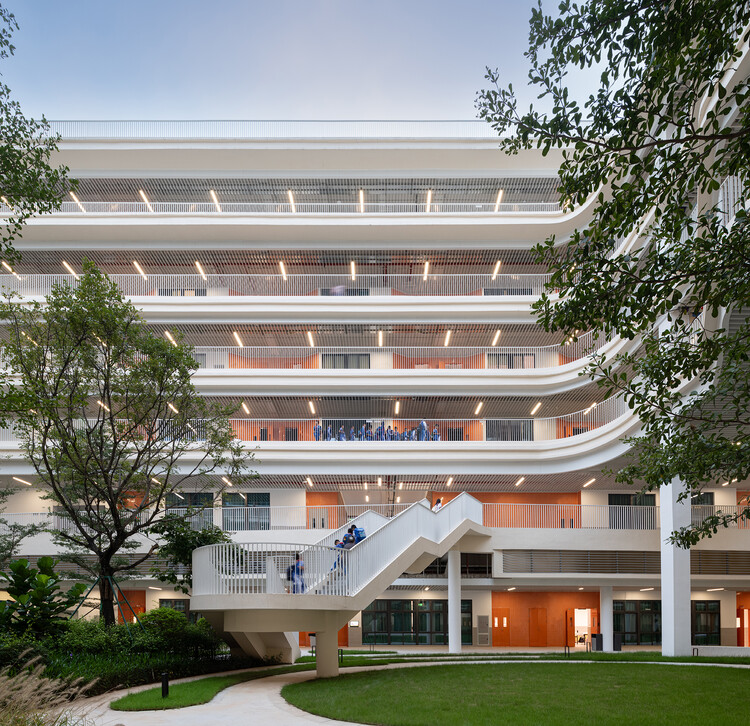
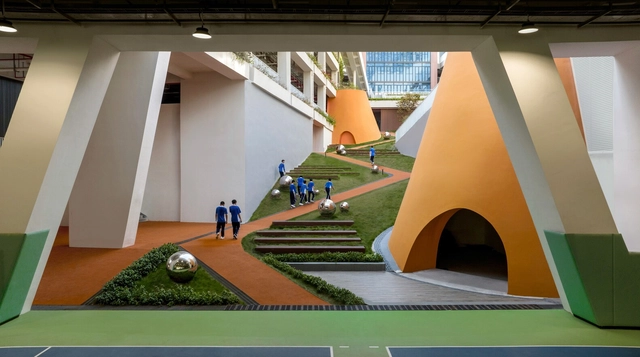
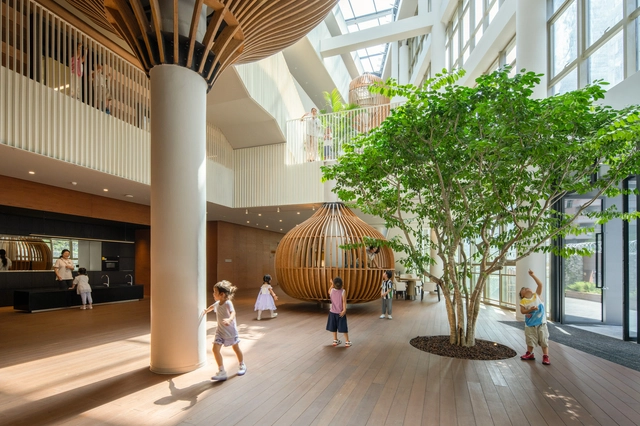
Educational architecture globally is undergoing a significant transformation, moving away from static, rigid designs toward more dynamic, interactive, and nature-driven environments. As cities become denser and land availability diminishes, architects are reimagining schools not just as places for learning but as ecosystems where children can grow holistically. A key element in this shift is the integration of landscape and topographical design, which allows schools to transcend traditional boundaries, combining education with play, exploration, and connection to nature. These designs aim to create engaging spaces that challenge children to interact with their environment physically and emotionally, fostering creativity, independence, and well-being. By layering natural elements such as mounds, gardens, terraces, and play structures into architectural plans, educational spaces are being reshaped into vibrant, multi-dimensional landscapes that encourage movement, imagination, and discovery.

Project name: Feasibility Study and Schematic Design for the Linhai Qianwan River Bridge (No. 1 Landscape Bridge) Project
Location: Shenzhen City, Guangdong Province
Tender Platform: Shenzhen Public Resources Trading Website
Website for Inquiry: https://www.szggzy.com/jygg/list.html?id=jsgc
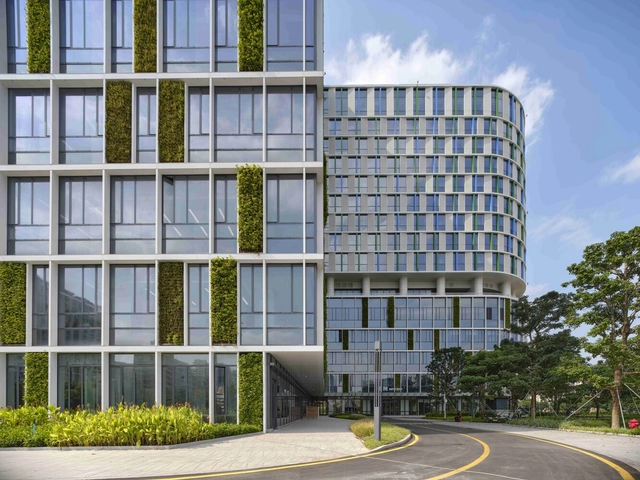
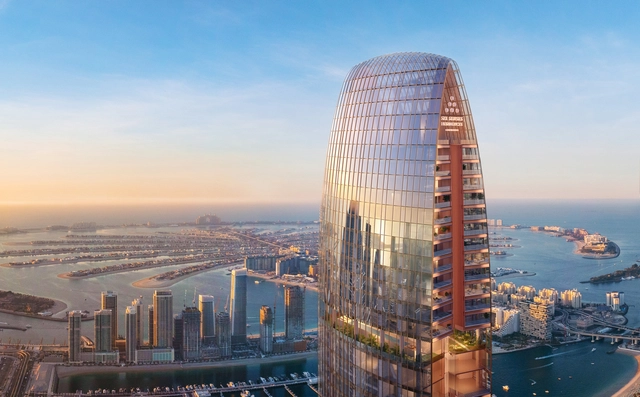
As the global population continues to rise, dense cities face mounting challenges in catering to the needs of billions of people living and working in urban areas. Architects have long explored the skyscraper typology as a solution to these challenges, integrating commercial spaces and public amenities within residential buildings to create all-inclusive experiences for tenants. Over the years, skyscrapers have evolved into multifaceted vertical communities that aim to address the complexities of urban living.
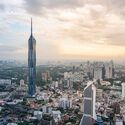
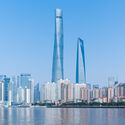
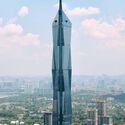
Every year, the Council on Tall Buildings and Urban Habitat (CTBUH) ranks the tallest buildings worldwide, encompassing completed projects, those under construction, and proposed developments. In this updated 2024 article, ArchDaily presents a list of the 25 tallest buildings currently under construction, along with their expected completion dates. These skyscrapers showcase the latest innovations in architecture, engineering, and urban planning.
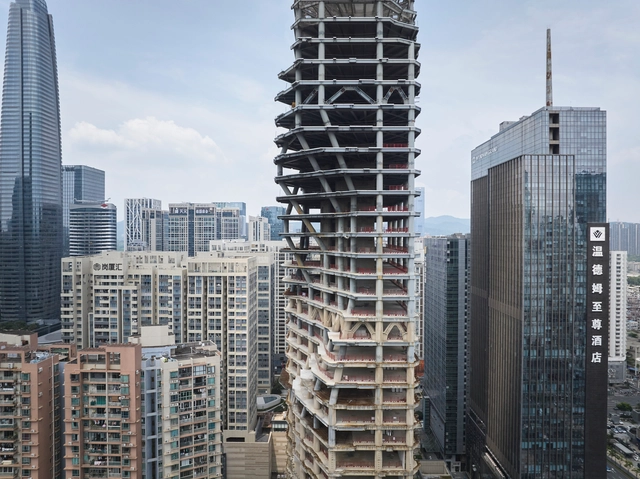
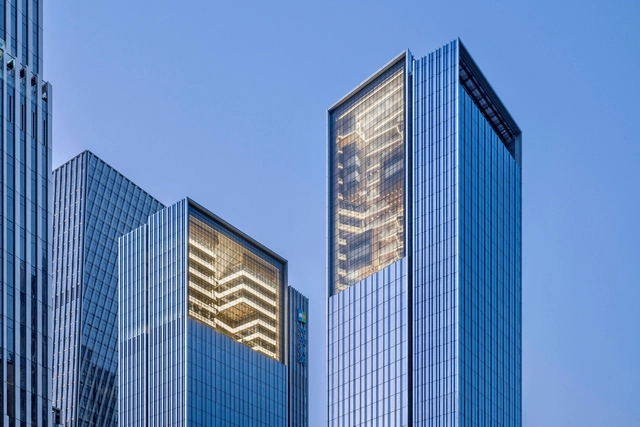
Construction has commenced on the Shenzhen Institute of Financial Technology tower, a 46-story building designed by Zaha Hadid Architects. Its design, situated on a narrow site in Shenzhen's Futian district, aims to respond to its urban context. The building's form, measuring 199 meters in height, incorporates setbacks placed to maximize sunlight penetration to surrounding streets and public areas. This design decision is further reflected in the façade's varying transparency and color, created by vertical and angled glazing mullions in black and bronze. Recent construction photographs reveal the topped-out tower, waiting to receive its envelope while temporarily showcasing openly its structure and interior organization.
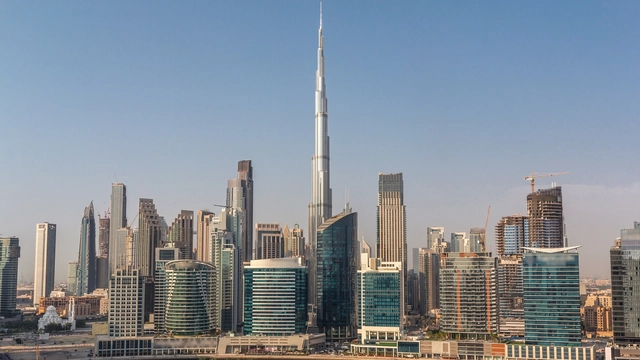
Humanity has become obsessed with breaking its limits, creating new records only to break them again and again. In fact, our cities’ skylines have always been defined by those in power during every period in history. At one point churches left their mark, followed by public institutions and in the last few decades, it's commercial skyscrapers that continue to stretch taller and taller.
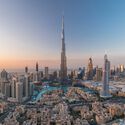
The Council on Tall Buildings and Urban Habitat (CTBUH) has developed its own system for classifying tall buildings, stating that the Burj Khalifa (828 m.) is the world’s tallest building right now. Read on for the 25 tallest buildings in the world today.