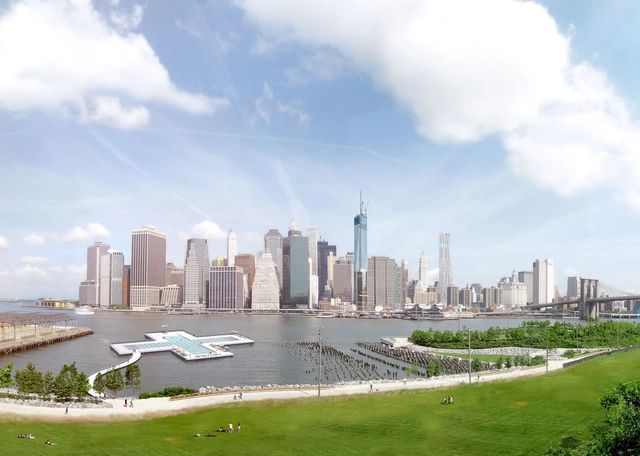
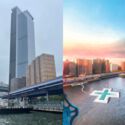
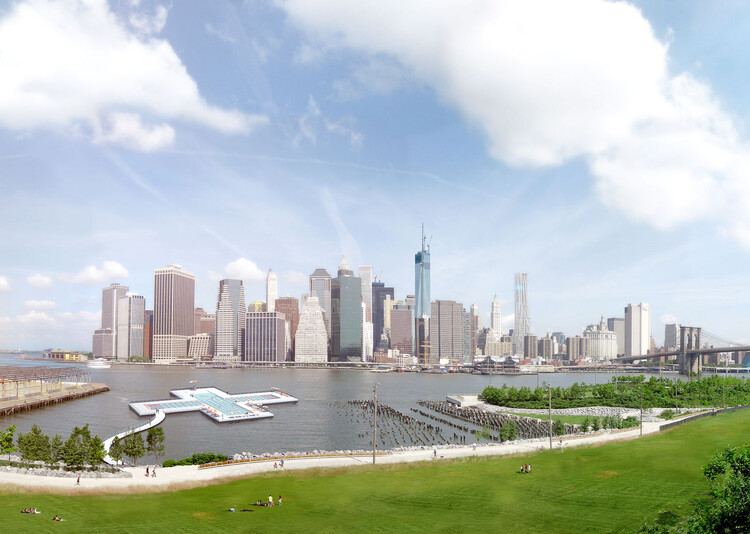
Friends of + POOL has announced the next steps in the realization of New York City's first water-filtering floating swimming pool, to be installed at Pier 35, north of the Manhattan and Brooklyn Bridges. The project seeks to provide safe public access to swimming in the city's rivers by integrating a custom-designed filtration system into a floating pool structure. Installation at Pier 35 is scheduled for May 2026, when the pool will enter its final phase of evaluation. Public access will be contingent on the successful completion of large-scale filtration testing and the full build-out of the facility for safe public use.
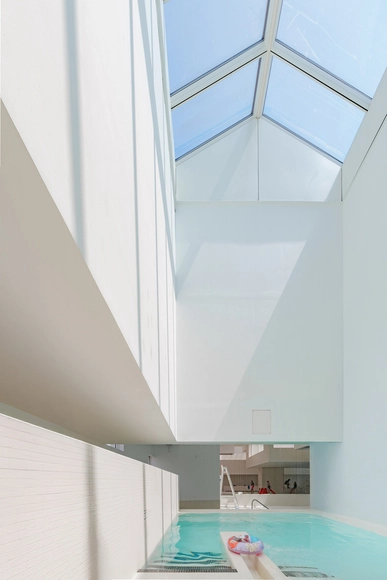
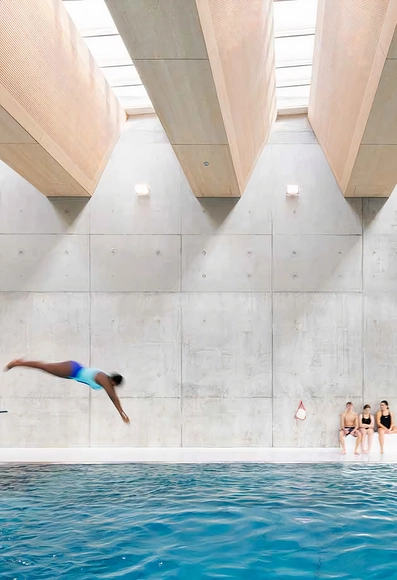
Les Bains des Docks Aquatic Centre. Image Courtesy of VELUX Commercial
Condensation, maintenance, and humidity are three familiar challenges that continue to test the buildings we design and construct. Whether stemming from climate conditions, limited airflow, or the specifics of construction detailing, these factors affect not only the durability of materials but also the everyday comfort and performance of inhabited spaces. When the setting is an aquatic center or an indoor swimming pool, the demands are even greater. The constant presence of steam, moisture accumulation, and the risk of mold can compromise both energy efficiency and the user experience. In such environments, ventilation and access to daylight, beyond their aesthetic value, become essential tools for maintaining equilibrium, enhancing indoor comfort, and ultimately improving how the space is perceived and utilized.
https://www.archdaily.com/1030573/letting-the-sky-in-4-case-studies-of-daylight-solutions-in-aquatic-architectureEnrique Tovar
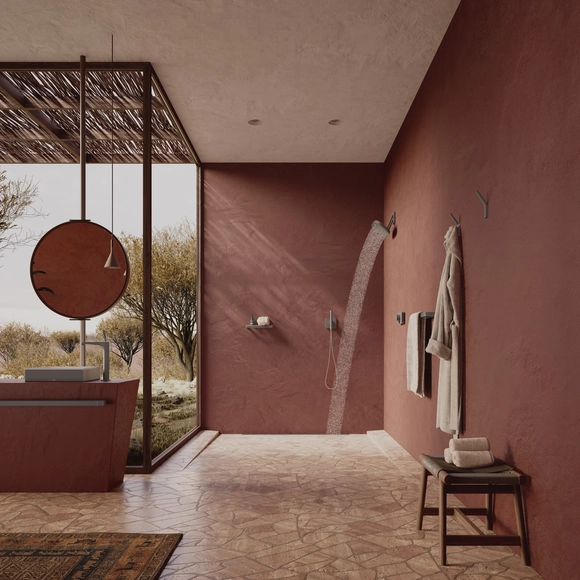
Water is a catalyst for sensory experiences: it manifests through direct contact when touched, through its presence when heard or seen reflected, and through its transformations—whether by temperature, from cold to heat, or by state, from liquid to vapor. It is a key element in designing for the senses, capable of evoking physically and emotionally perceived atmospheres. As Juhani Pallasmaa suggests, architecture does not address the eye alone but involves the whole body and sensory memory. The bathroom, in particular, concentrates much of the physical and emotional experience associated with water, opening up possibilities for creating environments that intensify that sensory connection. Consequently, the question arises: what elements or concepts should shape this space so that the shower experience escapes the ordinary?
https://www.archdaily.com/1030230/the-bathroom-reawakened-contemporary-design-concepts-for-a-sensory-experienceEnrique Tovar
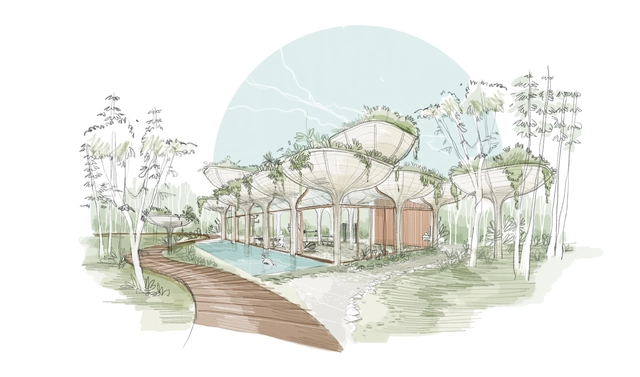
At a time when architectural practice is increasingly tied to climate and context, the boundary between the built and the natural has become a critical site of experimentation. This month's unbuilt selection gathers eight conceptual projects that work with the edges of landscape. In Ramia by João Teles Atelier, the architecture draws directly from the metaphor of a seed breaking through soil, using wood, concrete, and water to create a sensorial route through Tulum's ecology. Meanwhile, Mobius Pier by X Atelier loops gently over the river edge, becoming both infrastructure and observation point. Similarly, Il mare degli Umbri approaches the threshold differently, restoring the historic shoreline of Lake Trasimeno and reintroducing local wetland ecologies. Each project in this collection reflects a unique position: some treat the edge as a spatial experience, others as a regulatory line, and others still as a point of cultural or ecological return.
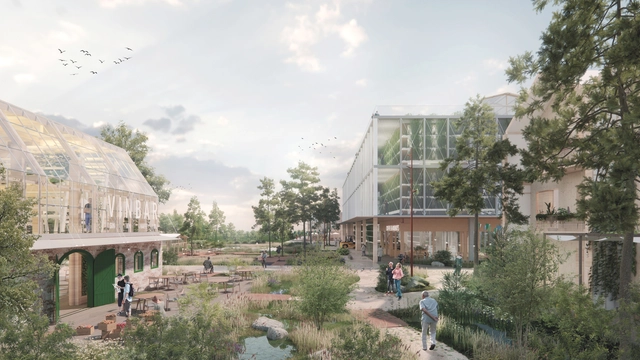
New settlement and production in Øm. Render. Image Courtesy of THIRD NATURE
Danish architecture firm Third Nature, together with Sophie Sahlqvist Landskab, Arkaia, ILC, and Artelia, recently shared images of Øhjem, their proposed strategic vision for the re-naturalization of Denmark's Greater Copenhagen region toward 2050. The regenerative plan is part of the Water's Ways program under the Agenda Earth initiative, an interdisciplinary project run by the Danish Association of Architects in collaboration with the Dreyers Foundation and the Danish Bar Association. Led by urbanist Boris Brorman Jensen, the program calls for long-term solutions to restore 15% of Danish agricultural land while also protecting 600,000 homes from water-related threats. Third Nature's Øhjem masterplan reimagines the 25 km Ramsø Dale as a step toward implementing the land management objectives outlined in the Danish Green Tripartite Agreement (Grøn Trepart), signed in June 2024.
Pools have always symbolized luxury, leisure, and social interaction. Beyond their aesthetic appeal—where water dances across textures, movements, and reflections—they also serve functional purposes, providing relaxation, exercise, and entertainment. Their history dates back over 5,000 years to the Great Bath of Mohenjo-Daro in the Indus Valley (modern-day Pakistan), possibly used for rituals and communal practices. Later, the Greeks and Romans refined the concept, creating elaborate pools for bathing, sports, and social gatherings. The famous Roman baths, often heated and adorned with intricate mosaics, laid the foundation for modern spa and wellness culture, reinforcing the relationship between architecture, water, and quality of life.
During the Renaissance, pools were primarily associated with elite properties, but by the late 19th and early 20th centuries, public pools became more common, driven by urbanization and the promotion of hygiene. The rise of Olympic swimming competitions in the early 1900s further popularized the concept, leading to increased construction of both private and competitive pools worldwide. Today, pools continue to evolve, incorporating advanced materials and designs that enhance safety and sustainability. Whether for recreation, aesthetics, or well-being, pools remain a central element of modern architecture and lifestyle.
Integrating natural elements into architectural design has long been a fundamental pursuit in creating comfortable, sustainable environments that enhance both individual well-being and the relationship between buildings and their surrounding context. In areas with vast landscapes, incorporating natural elements is essential for seamlessly connecting architecture with its site. Conversely, in dense urban environments dominated by built structures, introducing greenery becomes also increasingly vital, reintroducing nature into the so-called "concrete jungle."
However, beyond conventional landscape features—such as water fountains, green walls, gardens, or courtyards—architects are redefining what it means to build with nature. The focus has shifted toward deeply integrating architecture with its natural surroundings, creating immersive spatial experiences that blur the boundaries between the built and the organic - in a way, "taming" nature. When successfully executed, these designs go beyond fostering well-being or promoting a healthy lifestyle; they evoke a profound sense of tranquility, power, and harmony, transforming the way we perceive and inhabit space.
Videos
Courtesy of Katia Sei Fong, Ken Sei Fong, Luis Sei Fong
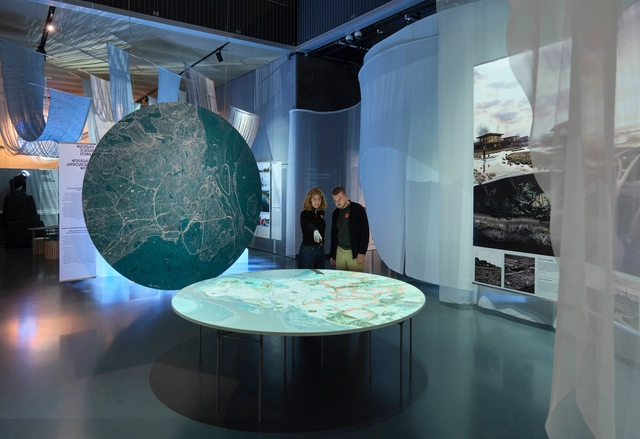
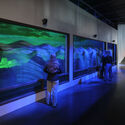
The national exhibition of Uruguay at the 2025 Venice Architecture Biennale, titled "53.86% Uruguay, Land of Water," explores the intrinsic relationship between architecture, territory, and water. Curated by architects Katia Sei Fong and Ken Sei Fong, along with visual artist Luis Sei Fong, the exhibition proposes that we may be entering the age of water, the "Hydrocene", and that the way humanity manages and conserves this resource will shape its future. In this context, the project highlights that Uruguay's maritime territory (53.86%) is larger than its land territory. Water, therefore, is not only a natural resource but a fundamental element of the country's history and culture, essential to its development.
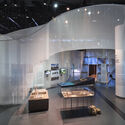
The Danish Architecture Center (DAC) will open its new exhibition, "Water is Coming" in October 2024, remaining open until March 12, 2025. The exhibition addresses the escalating global water crisis, prompted by melting polar ice, rising groundwater levels, and increasingly frequent and intense flooding. It acknowledges the reality of rising sea levels and extreme weather events, shifting the focus from mitigation to adaptation. The exhibition aims to foster a deeper understanding of our complex relationship with water, exploring its vital role as both a life-giving resource and a potential threat to human settlements.
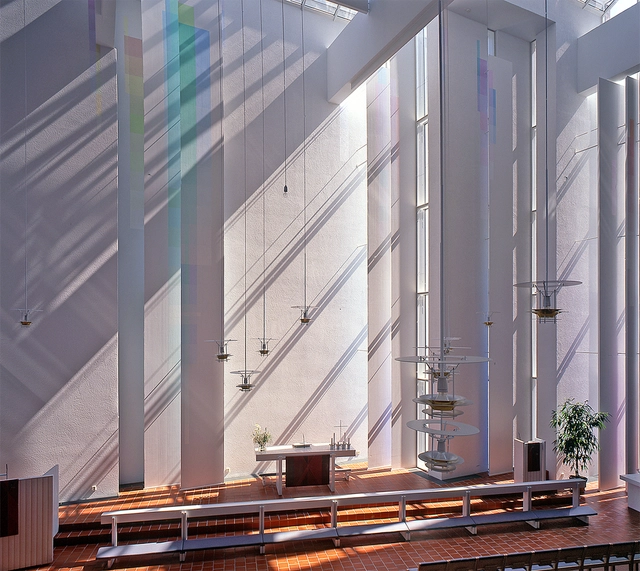
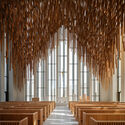
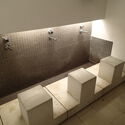
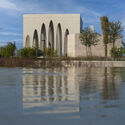
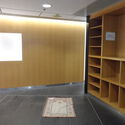
As communities grow more multicultural and increasingly diverse, these spaces serve as physical manifestations of religious inclusion, encouraging the acceptance of religious and ethnic minorities within multicultural landscapes. Their proliferation reflects a growing need for inclusive environments that cater to diverse spiritual needs while promoting interfaith understanding. However, designing and implementing these spaces presents complex challenges, often sparking debates about representation, neutrality, and the very nature of sacred space. These discussions underscore the delicate balance architects must strike in creating spaces that are both universally welcoming and spiritually meaningful.
Anthem+™ - Shower environment. Image Courtesy of Kohler
Incorporating technology into architecture has transformed the way we design and experience environments across various scales, spanning from urban development to interior settings. Today, the concept of "smart spaces" embodies the fusion of innovation and design to enhance well-being and quality of life in our daily activities. This is achieved through seamless technological integration, encompassing a range of functions and systems via software, digital tools, and everyday devices like smartphones. As a result, activities like showering are experiencing significant advancements, evolving into a digital multi-sensory experience that offer personalized control over environmental factors, enhancing relaxation and well-being. These innovations enhance the interaction between technology, design, and users, fostering new ways to engage with spaces and subtly enriching our routine activities.
https://www.archdaily.com/1023948/creating-a-multi-sensory-digital-shower-experience-for-well-being-relaxation-and-controlEnrique Tovar
Water and daylight? At first glance, they seem like distant concepts: one is tangible, while the other, —though intangible—, manifests itself through its effects and perceptible qualities. Both are powerful and recurring resources in architectural design, often employed only for compositional purposes. However, in the context of indoor pools, this combination is frequently functionally oriented, prioritizing 'protection' from external stimuli. This one-dimensional approach can restrict the dynamic interaction between water and natural light, leading to aesthetic, functional, and operational challenges.
https://www.archdaily.com/1022632/heres-how-to-level-up-indoor-pools-with-daylight-solutionsEnrique Tovar
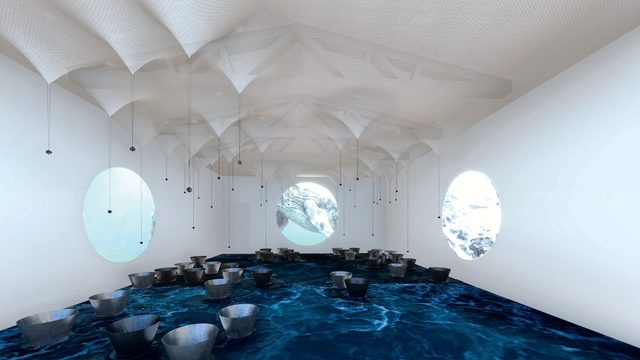
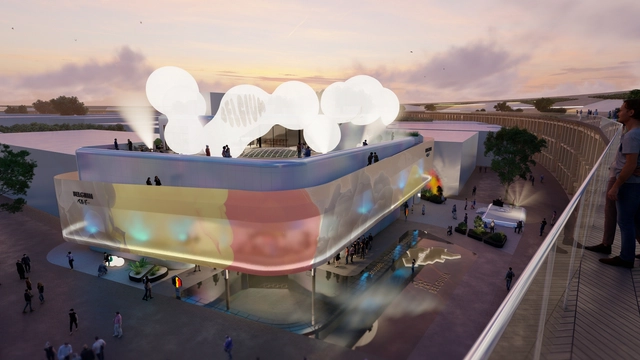
The Belgian Pavilion for Expo 2025 Osaka, designed by the winning consortium of Carré 7, Beyond Limits, One Designs, Pirnay, and Poly-Tech, embraces the Expo's overarching theme, "Designing the Society of the Future, Imagining Our Life of Tomorrow." With a focus on "Saving Lives," the pavilion' explores the universal significance of water and its vital role in creating and sustaining life. By highlighting water's interconnectedness with all living beings through the metaphor of cells, the pavilion aims to reflect humanity's relationship with the environment and the importance of preserving it for future generations.
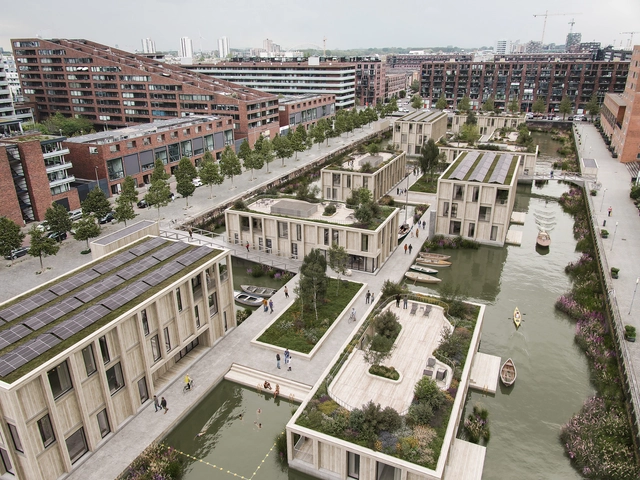
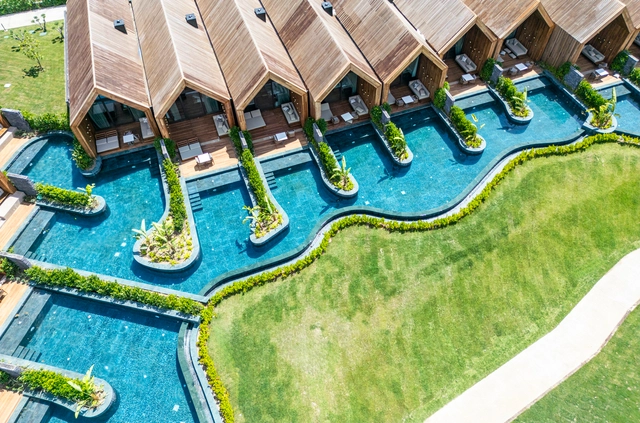
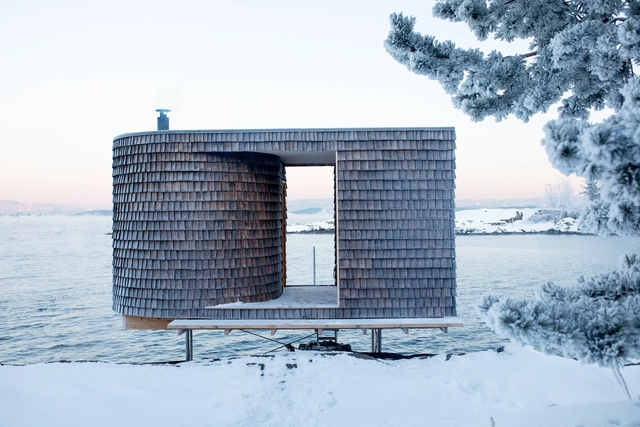
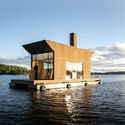
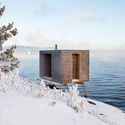
How does floating architecture relate to nature? How are wellness spaces connected to natural environments? Living in spaces around water continues to be one of the greatest interests and attractions for a large portion of the global population. Beyond the fact that designing on water requires consideration of various structural, economic, construction, material, and technological variables, understanding the region's climate aspects—such as rainfall, currents, winds, temperatures, and more—is essential for creating architectures that coexist with the natural world and do not cause severe damage to ecosystems.
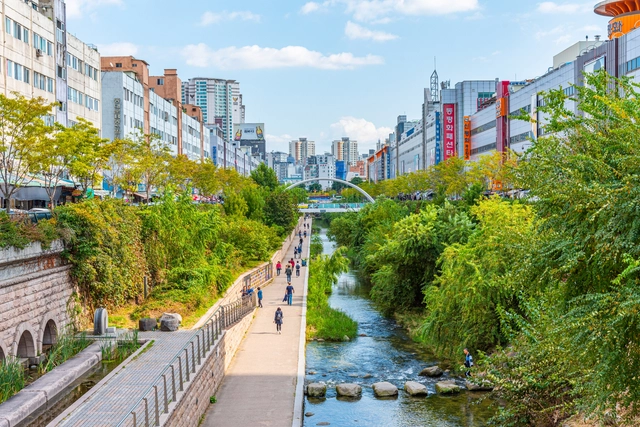
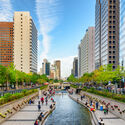
Cheongye Stream, known as Cheonggyecheon (청계천) in Korean, runs eastward through the heart of Seoul, passing through 13 neighborhoods in four districts of the capital of South Korea. Throughout its history, the stream played different roles in the city until it was covered by an elevated highway in the 1970s. For over 30 years, this natural artery remained hidden. It was not until 2003 that the city government launched a restoration project to reintegrate this urban waterway into the city fabric, revitalize the local economy, and revive the area's history and culture. The revitalization efforts were led by Mikyoung Kim Design. Since the project's completion in 2005, it quickly became one of Seoul's most visited tourist attractions. Moreover, it has become a focal point for ample urban research, with many studies offering positive assessments of the impact it had on Seoul's urban, economic, and ecological context.
Educational and cultural centers serve as pivotal spaces where communities engage with knowledge, creativity, and shared experiences. As architectural programs, they offer unique opportunities to explore how physical environments can foster learning, cultural expression, and social interaction. The significance of these projects lies not just in their function but in how they reflect the values and aspirations of society. When established architecture firms take on these projects, their design choices become a lens through which we can examine contemporary approaches to space, place, and community, offering a glimpse into the evolving role of architecture in shaping educational and cultural landscapes.
Among this week's curated list of unbuilt projects submitted by established architecture practices,fala atelier’s project for a school in Broc, Switzerland, stands out with its sensitive integration of Alpine architectural elements; WXCA’s Xylopolis Centre in Poland reflects a deep contemplation on humanity’s relationship with nature, while KPF’s life sciences building in London and Jones Studio’s WaterEducation Center in Arizona further exemplify how architecture can address contemporary societal needs, from fostering innovation ecosystems to educating the public on critical environmental issues.