
-
Architects: VenhoevenCS
- Area: 170 m²
- Year: 2020
-
Professionals: IMd Raadgevend Ingenieurs, abcnova, Buro Bouwfysica, Techniplan Adviseurs, Bouw21, +1



The Covid-19 outbreak completely changed the landscape of the everyday throughout the whole world. We have seen striking images of the most famous and beautiful cities completely emptied of human life. We have seen surreal images of booming nature and felt as surplus in the world that is our home. We have started to recognize what is already named “a visual landscape of Covid-19” consisted of sanitarian and disciplinarian techniques that impose new orders of everyday functioning - the “two-metre rule” is the new architect that draws queues and grids on public space layouts. We have become faceless figures that practice distancing.


The lecture series "Architecture and the City in the Post-Industrial Age" is organized to commemorate Kengo Kuma's 11 years of his professorship at the University of Tokyo Department of Architecture and the retirement from the school in 2020 March. Each lecture session invites leading figures in various fields not limited to architecture. Nine sessions have been held between April 2019 and February 2020. The final session which was postponed due to COVID-19 will be held online on July 18th.

Part of the CAC’s “What’s Next” series • Bringing people, ideas, goods and services together are hallmarks of urban life. So how are places designed with that in mind adapting to the challenges—both immediate and prolonged—of the current pandemic?
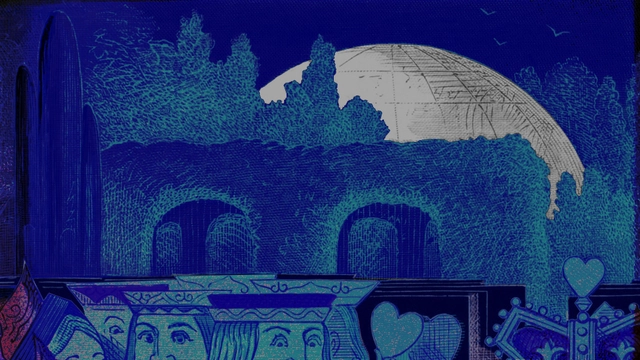
“Curiouser and curiouser,” exclaims Alice, as she arrives in Lewis Carroll’s surreal world of the nonsensical, the absurd, and the beautiful. This year, in 2020, from August-October, The Night Gallery will screen three works in three locations in Chicago’s south and west sides: North Lawndale, Hyde Park, and Bridgeport. We are seeking film, video, animation and other works to be exhibited on the topic of Wonderland. Wonderland seeks works which re-imagine existing cultural, sociological, or personal environments through the lens of wonder—foregrounding the mystical, the weird, and the divine. Projects may, for example, reframe systemically racist narratives of “urban blight” in favor of the complex ecologies of city dreams. In a world where oppressive systems seek to produce a single hegemonic reality which foreclose on alternate futures, Wonderland features works by architects, designers, filmmakers, and other creatives which use cinematic techniques to elude monolithic understandings of the world we live in.

An international two-round landscape, urban, and architectural design competition "Lake Milada" was announced, seeking multidisciplinary teams to design a concept plan for the area of a formal lignite mine near the North Bohemian city of Ústí nad Labem in the Czech Republic.

The new owners of the historic Excelsior Club today announced they are seeking distinguished Black architects from around the nation to participate in the redevelopment and revival of the Club, a longtime epicenter of African-American politics and culture in North Carolina.
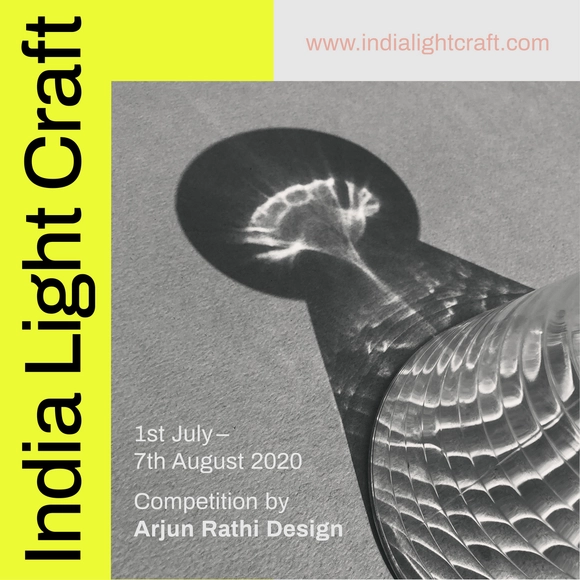
Renowned architect and lighting designer Arjun Rathi recently announced India Light Craft – an open lighting design competition that encourages the use of non-traditional materials and sustainability exploring modern design sensibilities. The competition aims to create an independent luminaire which blends form & function - exploring the fine line between technical & decorative lighting to create a ‘techno-decorative’ luminaire.

As students dedicated to exploring the relationship between people and the places they inhabit, we were profoundly impacted by the shift to staying at home which the COVID-19 pandemic necessitated. This shift has forced us to contemplate now more than ever, how we use the spaces we call home, and how we adapt, and adapt to, these spaces under unique circumstances.

A lot of people view it as a tradition to visit the graduation show at the Aarhus School of Architecture and experience the many beautiful and inspiring projects made by the new architects.
Strelka Institute's 2020 Summer program has invited Delft University and Politecnico di Milano professor Filippo Santoni de Sio’s to give a lecture about keeping control of technology which is more and more intelligent and autonomous.
Our future is full of robots and artificial intelligence. Intelligent systems like the ones we already have in our smartphones assess our health, make financial transactions, take strategic decisions and actions in warfare, drive our cars, and more. Some people dream of intelligent systems that will perfectly match our desires and needs, be beneficial for everybody, and make us happier, healthier, richer, and smarter. Others fear intelligent systems will turn against us, make us unhappy and unemployed, damage us, enslave us, and dehumanize us (if not kill us). Which scenario will eventually be realised crucially depends on the question of whether we as a society will be able to control the direction of future technological development.