

Over the past decade, the definition of a performing arts venue has shifted. No longer singular-purpose destinations, today's cultural facilities are expected to operate as flexible, revenue-generating, community-centered ecosystems. This evolution has challenged architects, operators, and owners to rethink not just how venues are designed, but how they function over time.
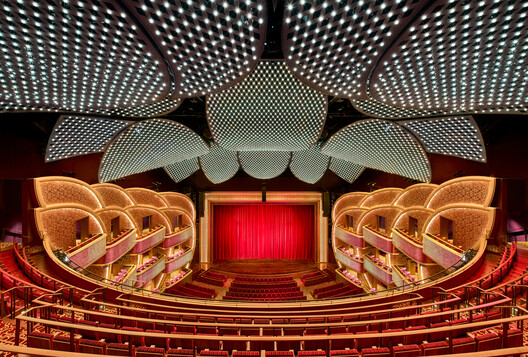
For TheatreDNA founders, Michael Ferguson and Benton Delinger, that evolution is personal. Both began their careers within professional theatre, working as designers and production managers for regional theatres like PCPA Pacific Conservatory, San Jose Rep, and the Denver Center. Eventually, their paths led to consulting roles on some of the most ambitious cultural projects of the early 21st century, including the Stavros Niarchos Cultural Centre in Athens, the Kauffman Center for the Performing Arts in Kansas City, and the AT&T Performing Arts Center in Dallas. These globally prominent projects stretched the limits of design, engineering, and technical innovation. They also reinforced a deeper desire to stay closely connected to the artistic and community impact that first drew them to the work.
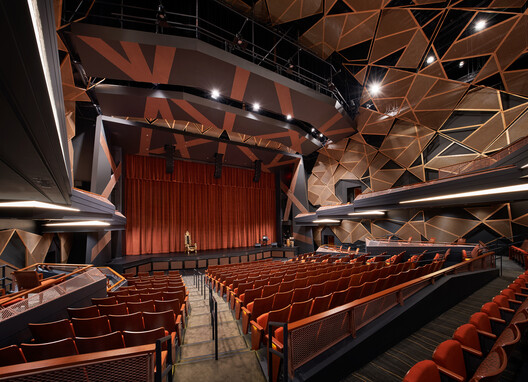
TheatreDNA was born from that intention: to do meaningful work with interesting people and to bring the lessons learned from large-scale projects to even the smallest cultural spaces.
From its inception, the firm positioned itself not simply as a theatre design consultant, but as a translator between disciplines, aligning architects, engineers, operators, and artists with a common vocabulary. This approach reflects a core belief: a performance space succeeds as much through its operations as it does through its design. TheatreDNA is also grounded in a deeper mission: to create homes for artists and platforms for unheard voices, ensuring each space supports the communities it serves.
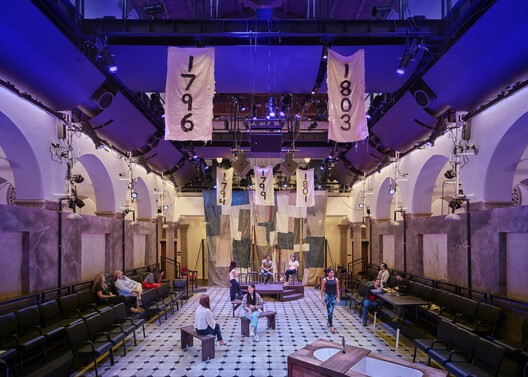
Over the past decade, that belief has been tested across a portfolio spanning scale and typology. At one end, projects like Chase Arena demonstrate the convergence of sports, entertainment, and large-scale programming. At the other, TheatreDNA applied the same rigor to Outside In, a community-based 99-seat theatre adapted from an old car dealership.
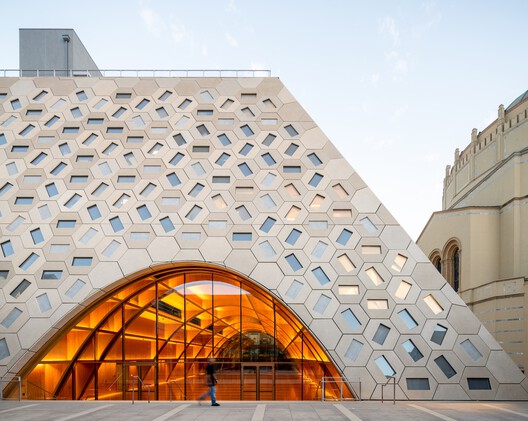
Recent work further illustrates the evolution of performing arts. At the Colburn Center in Los Angeles, TheatreDNA is contributing to a next-generation campus integrating performance and education. At the Massachusetts Institute of Technology, the firm supported a multidisciplinary arts environment centered on music experimentation. Projects such as the Long Beach Entertainment and Convention Center reposition legacy civic assets, while Meta's MPK21 campus reflects growing demand for performance-quality environments within corporate settings.
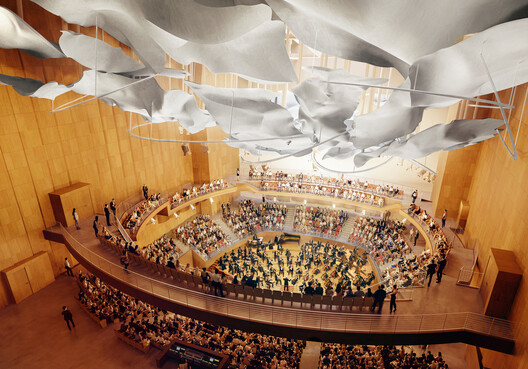
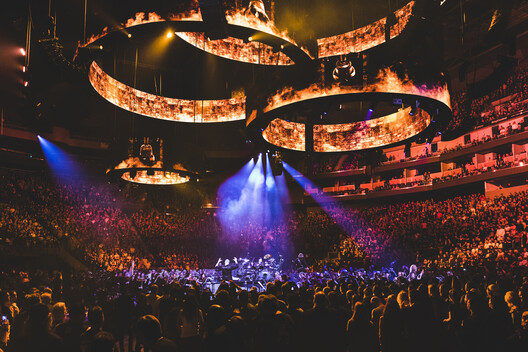
Taken together, these projects signal a broader shift: performance spaces are no longer single purpose, but must efficiently adapt across uses, audiences, and time.
In response, TheatreDNA has expanded beyond design to address the full lifecycle of cultural venues. The acquisition of Victor Gotesman Performing Arts Planning and Assembly Arts represents a strategic evolution, combining theatre planning, market analysis, feasibility, and operational strategy into a unified approach. This acknowledges a critical reality: the most consequential decisions about a venue's success are often made long before design begins and long after construction is complete.
Through this approach, TheatreDNA engages projects at any stage, aligning vision, design, and operations to support long-term sustainability and community impact. This methodology was exemplified at the Nita Mukesh Ambani Cultural Centre, where TheatreDNA supported facility design and led construction and the development of the venue's operational framework.
Looking ahead, the next decade of performance space design will be shaped by non-traditional programming, digital integration, and shifting audience behaviors. At the same time, economic pressures will demand greater efficiency and clarity of purpose.
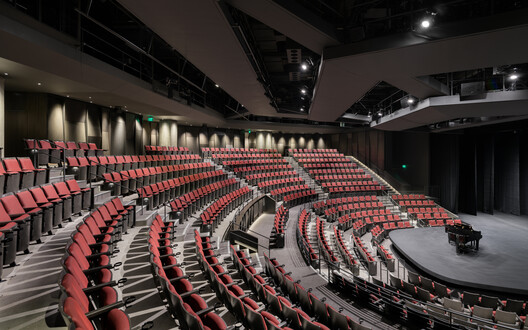
For TheatreDNA, the past ten years have reinforced a central idea: performance spaces are not static objects, but living systems. Their success depends on the alignment of design, operations, and continued community relevance. Whether shaping a multi-venue global cultural destination or reimagining a neighborhood theatre, the ambition remains the same—to design spaces that not only make performance possible, but sustain it.


