

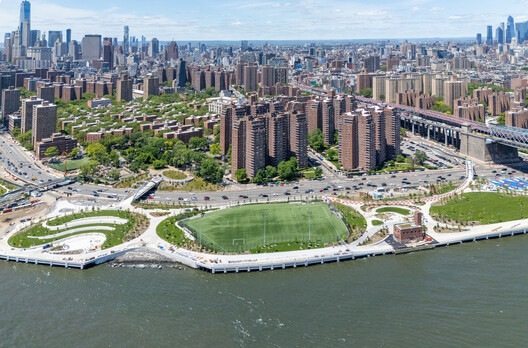
The New York City local government is one of the largest of its kind, with hundreds of city agencies and elected offices. The Mayor, city agencies, the city council, the comptroller, the public advocate, the borough presidents, and community boards organize to provide services and improve the quality of life in the biggest city in the United States and a primary tourist destination. Like other metropolises in the world, urban developers and authorities in New York are facing common challenges: the atmospheric effects and permanent consequences of the climate crisis, the saturation of transport systems, the lack of housing units, and barriers to accessing adequate housing. During June, the New York City mayor's office announcements addressed traffic and mobility, sports events, immigration, and extreme heat. In recent months, a series of policies have been announced to address a larger problem: ensuring access to housing for a greater number of people through government action.




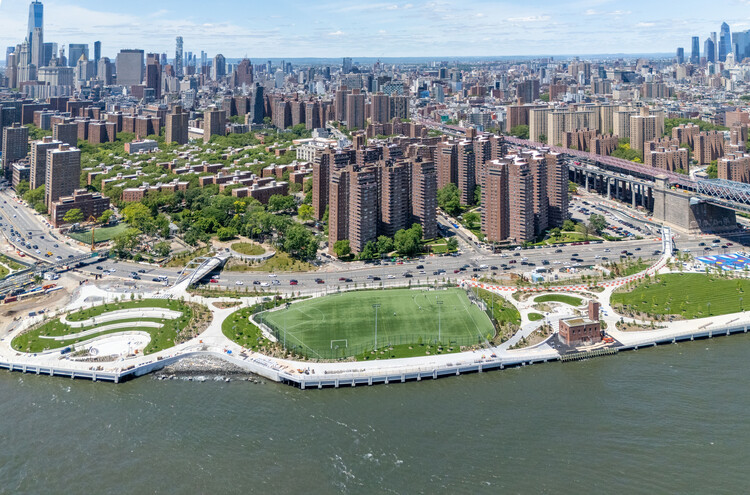
This initiative is part of a global and national context of legal efforts and public policy reforms aimed at expanding access to permanent housing. Earlier this year, the United States Senate passed a bill introduced in 2025 to improve financial literacy, build more housing, expand the housing manufacturing industry, and promote homeownership opportunities for families rather than corporations. The legislation was designed to update the HOME Investment Partnerships Program, the federal government's largest affordable housing construction program. In 2024, the New York City government launched the "City of Yes" initiative, a wide range of citywide and neighborhood-level plans to increase housing access, expand economic opportunity, and enhance resilience. In March, the city government launched a more concrete measure with direct implications for urban design and construction to address the housing shortage: an initiative to expand Accessory Dwelling Units (ADUs) in low-density neighbourhoods across the five New York boroughs.
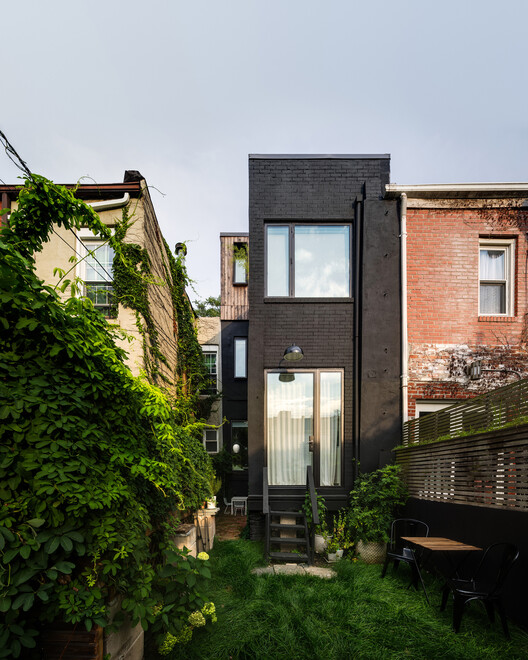
Accessory (or Ancillary) Dwelling Units (ADUs) have been a common housing policy tool that mayors and city councils use to increase housing supply. They typically involve allowing homeowners to build small apartments above garages, in basements, or as backyard cottages; streamlining permitting to make ADU construction easier and cheaper; and providing financing or technical assistance to homeowners who want to build them. On March 28th, the New York City mayor announced a new set of tools aimed at densifying, limiting gentrification, and allowing homeowners to take advantage of their property by adding an ADU to their site. The tools are made available to the public via the city's new website, ADU for You, a digital platform with pre-approved designs already reviewed by the Department of Buildings (DOB), an ADU Guidebook to help homeowners understand the regulations and access financing to build an ADU, and site feasibility analysis and cost estimating tools.
Related Article
From Diplomacy to Mobility: Six Legislative Responses Cities Are Using to Confront Climate ChangeThe City will also provide financing options and technical assistance via the Plus One ADU program, under a selection process to identify "qualified homeowners." Most recently, the mayor and comptroller announced on June 10, 2026, a $20 million deposit in Ponce Bank, a community-focused financial institution, to expand "economic opportunity" in Upper Manhattan and the Bronx. The direct capital injection, made through the New York City Banking Commission, is aimed at expanding access to capital for small businesses and creating pathways to homeownership. New York City currently has nearly one million rent-stabilized apartments, with maximum rent adjustments set by the NYC Rent Guidelines Board (RGB). A central element of Mayor Zohran Mamdani's campaign was a proposed four-year rent freeze for these residents, not yet enacted but actively debated.
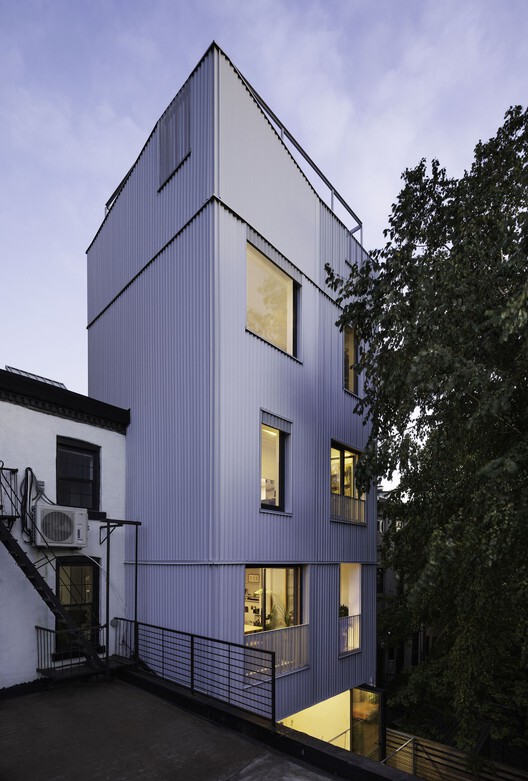
The City's investment is not only addressed to individuals or community access, but also to the construction of new housing units beyond private lots. On January 19, 2026, they restarted the Just Home Supportive Housing Initiative, a housing initiative designed for formerly incarcerated individuals with complex medical needs. The 100% affordable housing project will create 83 new apartments in an underutilized building on the Bronx hospital grounds, aimed to be expanded to 350 "supportive homes" for justice-involved New Yorkers. Another program, the Neighborhood Builders Fast Track, announced in March, was designed to speed the delivery of affordable housing on City-owned land. The objective is to cut the time it currently takes to select an affordable housing developer by pre-qualifying affordable housing builders and shortening the pre-development Request for Proposals (RFP) process for certain projects.
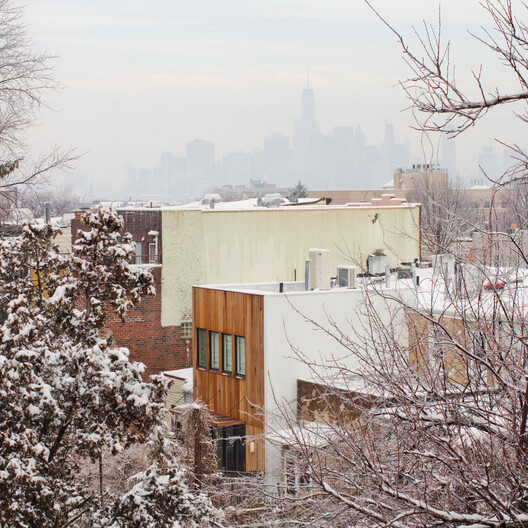
In addition to new constructions and financing options, New York City policies are intended to tackle a third aspect of the problem: existing but unoccupied residential units. Given that expropriation is not a common practice in contemporary Western societies, the approach has been through taxation. The idea is that underutilized housing should pay more taxes, with those funds being redirected to the city government for the implementation of social welfare policies. The new "pied-a-terre tax" was passed by State lawmakers in May, targeting non-primary residences valued at 1 million dollars or more. The complex implementation system would take effect in two phases, nearly doubling the taxes on "wealthy luxury apartments." The answer to whether these policies will have a real impact on housing construction, population-wide housing access, and new options for adequate living is yet to be seen. However, they remain useful as practical examples and case studies of a tangible, pressing, and widespread problem.
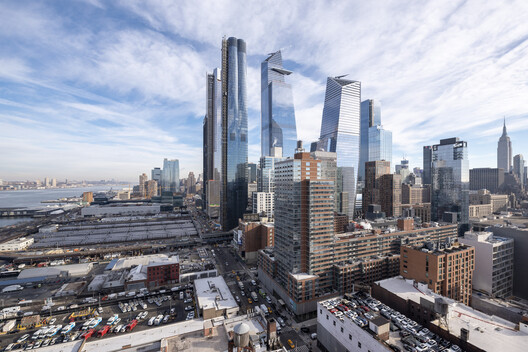
The problem of adequate and affordable housing was one of the central issues discussed at the World Urban Forum 13 held in Baku in May. Co-organized by UN-Habitat and the Government of Azerbaijan, the event followed the theme "Housing the World: Safe and Resilient Cities and Communities." A different housing prototype was recently tested in the Netherlands in 12 affordable rental homes built with a high percentage of biobased materials designed by nature-inspired architecture practice ORGA. The development is a carbon-negative neighborhood located in Marknesse, a village in the Dutch province of Flevoland. A deeper discussion about limiting rent is taking place in several European cities affected by overtourism, prompting governments to reassess the role of short-term rentals in residential neighborhoods.


