Architect and Researcher with a Master's Degree in "Architecture and Urbanism" from the Architectural Association, London. Interested in housing, culture, semiotics, social boundaries of space, and the stories behind a city’s morphology. Based in London.
As cities grow and evolve, the question of preserving, rehabilitating, or adapting historic sites arises. The intervention in such buildings requires a delicate balance between honoring their heritage and meeting contemporary demands. Often, the most innovative and radical solutions emerge when architects attempt to renew a building while maintaining its original footprint and as many features as possible. They then create modern extensions that either harmonize or contrast with the original structure. This approach not only revitalizes the building but also celebrates the synergy between the past and present, including materials, construction technology, architectural movements, stories, and overall building quality. The layering of both old and new elements through harmony or contrast requires an intelligent and sensitive approach that gives the building a unique aesthetic and a new meaning.
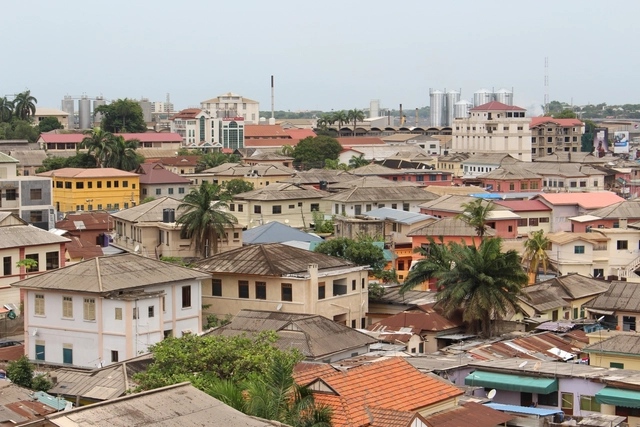
On the 3rd of February, this year's Lagos Biennial opened at the Tafawa Balewa Square, Lagos, an emblematic venue that was once the site of Nigerian independence celebrations in 1960. As the 4th edition of the art fair, it continues with its objective of using art to activate historic landmarks that have lost significance either through functional use or symbolic meaning to the residents of the former capital city.
The previous editions of the Biennial have explored various aspects of the city's architecture, its symbolic significance, political implications, sovereignty, ownership, notions of belonging, and its relationship with the public. This year, the theme of "Refuge" at the Tafawa Balewa Square takes this exploration even further. Curators Kathryn Weir and Folakunle Oshun highlight that this theme prompts the square to address the concept of a nation-state. It also brings together artists and architects from different disciplines to explore alternative approaches to constructing renewable communities and promoting climate justice.
The relocation of a capital city is a complex urban decision with various dimensions and consequences for both the old and new capital. It can be driven by political, economic, societal, and other factors, and has urban and architectural implications for residents. These include factors such as location, planning, building design, the purpose of the old capital, climatic conditions, and separating the political/administrative hubs from cultural and economic cities.
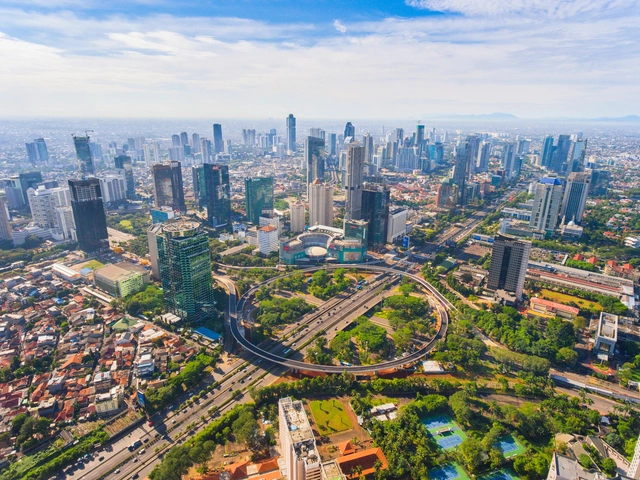
In light of the ongoing urban discourse, countries like Egypt are constructing a new capital city to alleviate population and urban stress on Cairo. Similarly, Indonesia is planning a new capital in response to challenges faced by Jakarta, such as pollution, traffic congestion, and rising sea levels. It is valuable to examine other countries in the global south that have relocated their capital cities, noting the architectural and urban lessons learned from their experiences.
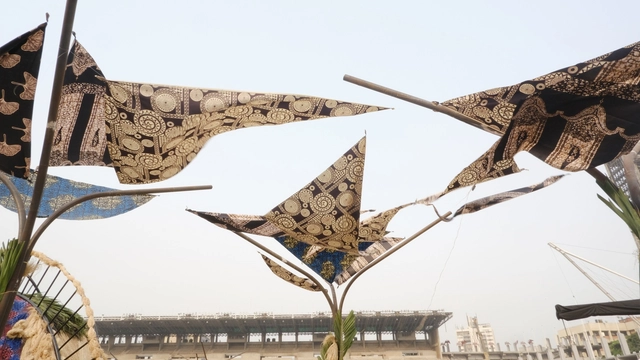
Weaving is not only a technical craft but also a way to design material experiences. Engaging in the process of weaving allows us to structure, communicate, reflect on, and connect with our designs. By experimenting with different fabric structures, we gain insight into how materials behave under tension and compression. This understanding helps us push the boundaries of textiles and their limitations, resulting in designs that stretch and test the properties of the materials.
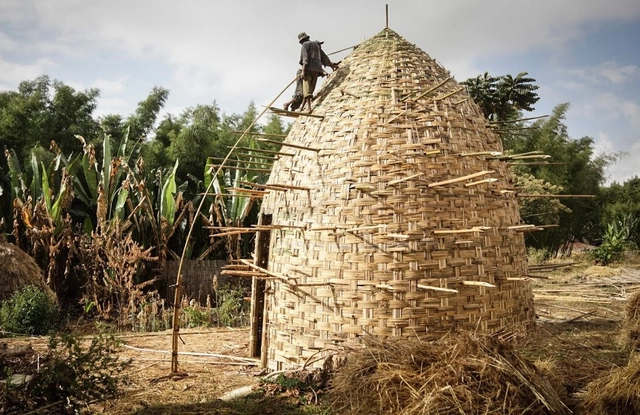
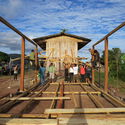
In architecture, the construction mechanism of weaving centers the shelter to the building process. In this sense, shelter becomes a direct manifestation of material production. Additionally, weaving offers numerous environmental and social benefits by creating shelters that actively engage with materials, tools, technologies, and creative potentials, thereby supporting placemaking.
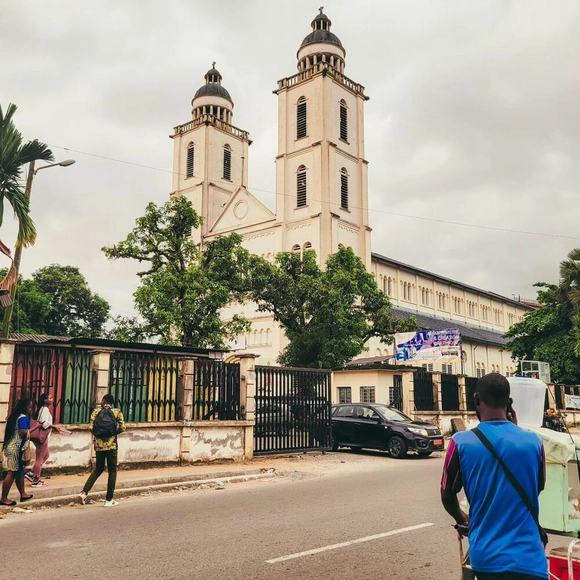
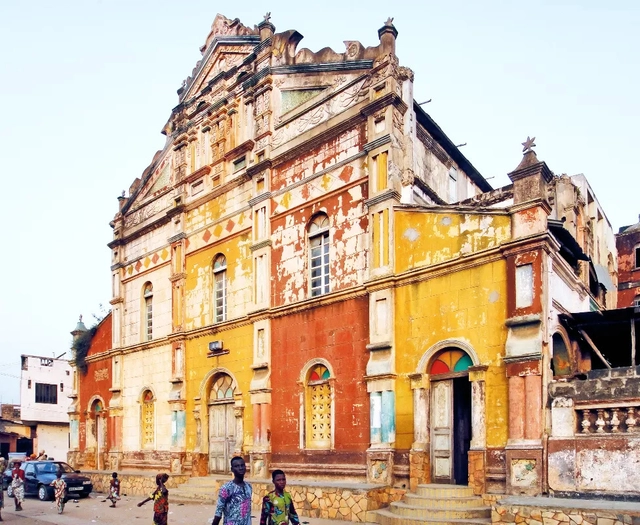
Cameroon boasts a rich architectural heritage of Catholic Christian worship buildings. These buildings encompass various styles, including contemporary designs, Terracotta brick explorations, and Gothic, and Byzantine architectural influences. Since the arrival of missionaries and colonial communities in 1890, numerous religious buildings have been constructed with the involvement of local communities. These buildings not only contributed to the development of the Christian faith but also served as venues for the exchange of architectural ideals between the local and foreign communities.
During this period, Cameroon explored the Gothic and Byzantine movements, which had reached their peak in Europe, to create these churches. They were interrogated through local building practices and now represent the historical heritage of the country's cathedrals.
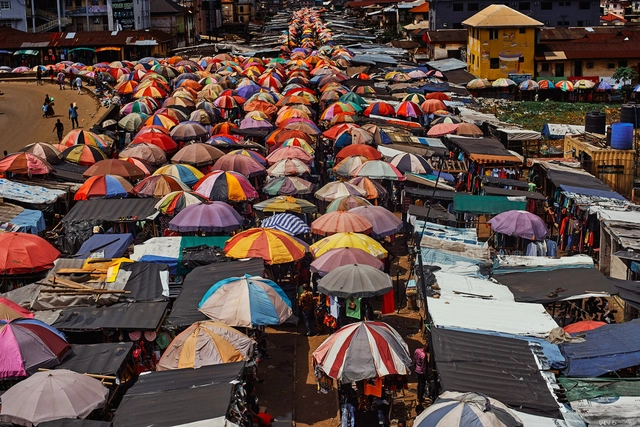
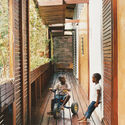
Informal architecture is the dominant mode of urbanization in rapidly growing and industrializing cities worldwide. In Delhi, the city with the largest population in India has half of its residents living in informal settlements. Lagos, with a population of over 22 million, also has 60% of its residents living in informal settlements. This pattern is also observed in Cairo, Johannesburg, Kinshasa, and other cities in the global south that face similar challenges of inequality and housing shortages. As their population grows and urbanization progresses, the exploration of informal architecture schemes to address the demand for affordable housing and basic services will only increase. While the primary purpose of design is to provide structure, lessons from informal architecture offer insights into how architects can respond to such schemes.
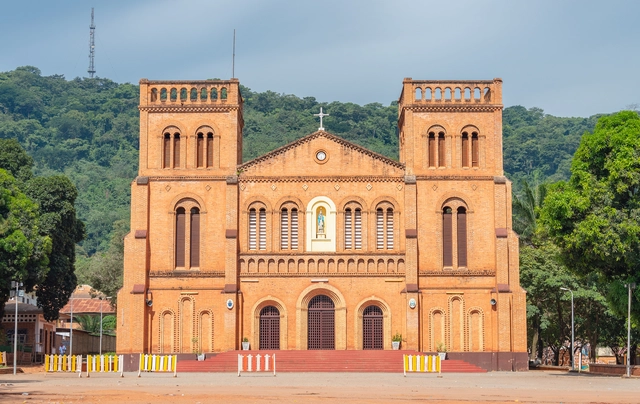
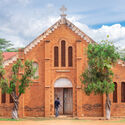
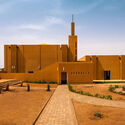
Located in the city of Bangui, the capital of the Central African Republic, is the Notre DameCathedral. This large red brick church was built in the early 1900s in the French colonial style. As the city grew from a small outpost to a colonial capital, the building was formed as a cultural and symbolic fusion of European and Central African architectural styles. Designed by French architect Roger Erell, the cathedral showcases local construction craftsmanship, provides a space for spiritual solace, and contributes to the national identity of the country.
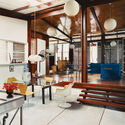
The home is a fundamental expression of architectural movements within the fabric of a city. As one of the smallest typologies, it is the simplest canvas to exhibit the design ethos of any particular era. African cities have continuously negotiated the meaning of their residential dwellings, from traditional architecture to colonial architecture, and the influx of post-colonial modern architecture. Vernacular architecture explored homes with spatial patterns rooted in cultural dexterity, envelopes built with indigenous materials and forms, endowed with traditional motifs. These were in stark contrast to colonial homes that featured a range of imported architectural styles across the continent, neglecting their climatic and cultural contexts while amplifying social class.
Architecture in the Global South often embodies a rich cultural heritage and craftsmanship, incorporating vibrant colors, intricate patterns, and symbolic elements. It also tackles the challenges faced by developing economies, such as limited resources, rapid urbanization, and social inequality, by promoting inclusive and community-driven design solutions. As installations and pavilions serve as radical templates for interrogating these architectural ideals and seeking innovative solutions, we present the top architectural installations as part of our year-in-review. They encompass curated exhibitions like the Venice Architecture Biennale, as well as permanent pavilion structures in specific contexts that delve into local materials, waste reuse, and the reinterpretation of historical narratives.
Innovative materials play a crucial role in shaping the future of architecture. They offer not only novel ways to craft buildings but also sustainable and efficient solutions to address pressing environmental challenges. Architects and designers are now more than ever exploring and integrating innovative materials into their projects. By harnessing the unique properties of these materials, they create structures with new visual languages while also being environmentally friendly.
As part of our year-in-review, we reflect on the innovative materials that were featured. These materials delved into the concepts of recycling agro-waste, adapting bio-based products, transforming local materials, and decarbonizing concrete. The objective was not only to offer alternatives to traditional construction practices but also to help reduce carbon emissions and promote a more sustainable built environment. In this dynamic field, these materials demonstrate the potential to revolutionize building design and construction in diverse contexts, paving the way for a more sustainable and resilient future.
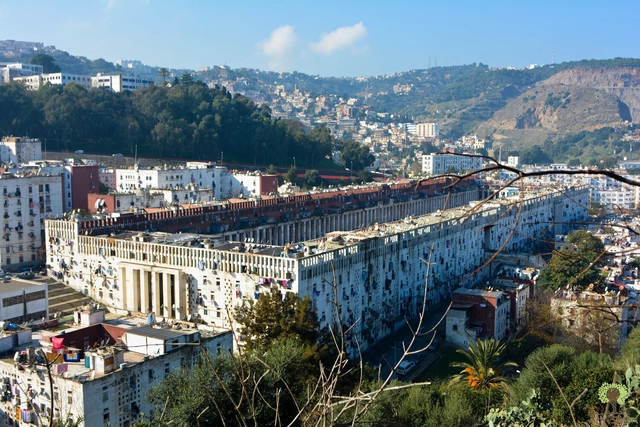
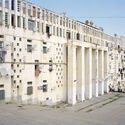
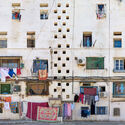
The Climat de France is a French colonial social housing project in Algeria designed by Fernand Pouillon and currently renamed Oued Koriche. Located approximately 8km west of the country’s capital, Algiers, it was built from 1954 to 1957, right in the middle of the Algerian War of Independence. The project has several buildings with different scales. Its most prominent structure is a large rectangular building that houses 3000 dwellings, along with a spacious interior square similar to a Roman forum and exterior windows inspired by the mosaics found in Islamic architecture.
This social housing scheme has a complex history, involving the integration of Algerians into the French lifestyle, the use of modern architecture to challenge traditional Muslim ways of living, and the transformation of its collective square into a site of protest and rebellion.
Local communities are more than just a collection of buildings and infrastructure. They possess a distinctive architectural character that mirrors their history, culture, and values. As part of our year in review, we take a deep dive into the top narratives that examine the architectural identity of different local communities.
These stories explore a wide range of topics, including unique geographic territories, cultural tribes, iconic landmarks, communal collaboration, and socio-ecological urban planning. Through these narratives, we uncover the captivating tales behind the buildings and public spaces that shape certain cities and towns.
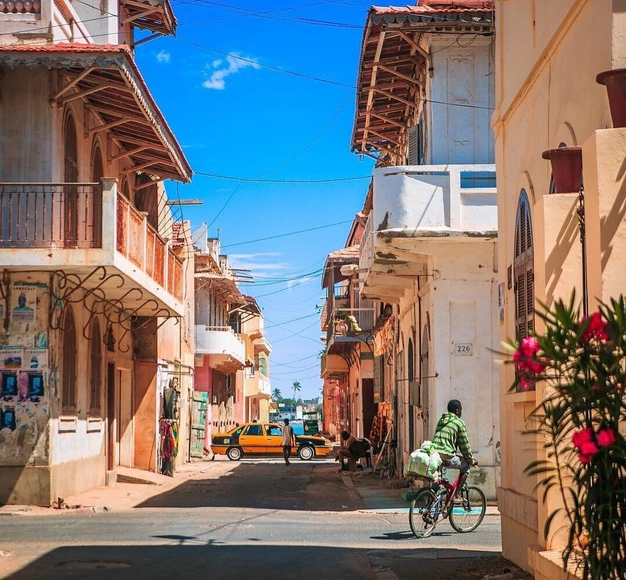
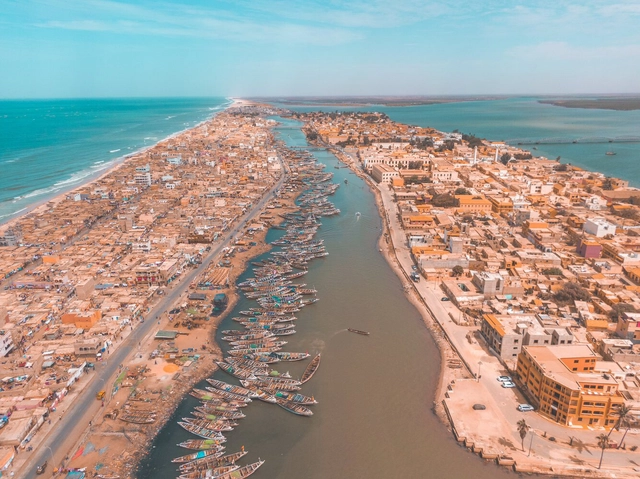
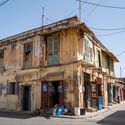
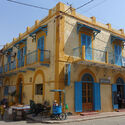
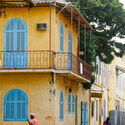
Located 270km north of Dakar, the capital of Senegal, and near the border with Mauritania, is the Island of Saint-Louis. It is a prominent colonial city in West Africa, known for its blend of Mediterranean architecture with a tropical climate. Saint-Louis was founded by the French Colony in 1659 as its first trading post on the Atlantic coast of Africa. It later became the capital of French West Africa (AOF) and Senegal. However, it lost this status in 1902, which led to its economic decline.
This complex history has made Saint-Louis a melting point for different layers of architecture and urbanism. The island showcases a grid urban form with double-storey villas, which is typical of 19th-century French colonial urbanism. Additionally, it features tropical courtyards, shaded balconies, 1920s art déco houses, and early '30s modern civic buildings. However, due to its economic and infrastructural isolation, this architecture and urban heritage have continuously degraded. Therefore, it seeks new interventions for the conservation, restoration, and re-adaptation of the city.
Buildings that are designed to layer stories and memories, evoke a sense of aspiration, define cultural narratives, and build a national identity will always be important in all societies. When buildings have this power to shape communities, make an impact on a city’s image, and change the course of socio-economic growth, then they can be identified as iconic. Though the term “iconic” is subjective, it is one that pushes the boundaries of architecture in any context. It calls for spatial originality, proposes innovative material technology, and necessitates a radical socio-economic investment to be realized.
However, since the economies of developing countries in the global south cannot meet the requirements of these architectural structures, is there a more suitable socio-economic model for monumental structures in this context? Can the incremental principles of small adaptable changes and growth be applied to the finite iconic aspiration of this architecture?
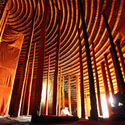
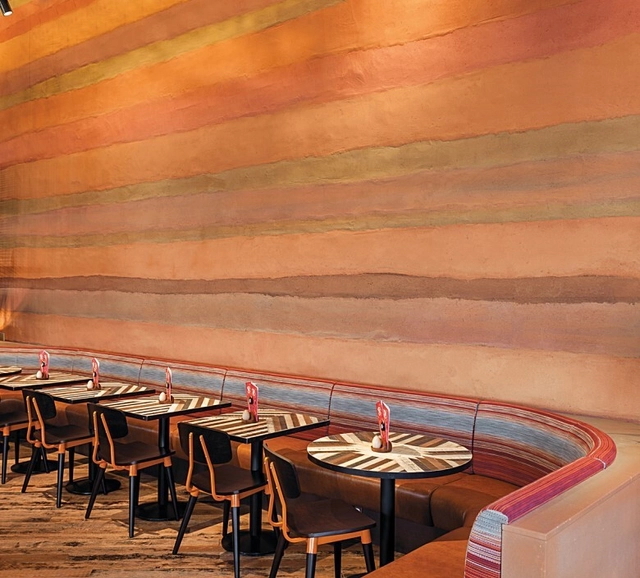
Rammed earth is one of the oldest methods of constructing walls and still holds great potential for modern earth construction. One aspect of this potential is the gift of its colors and layers, which become visible as the formworks are removed, revealing a layered character. As a process that involves the layer-by-layer compression of gravel, sand, silt, and clay, its resulting appearance is a horizontal stratification of earth tones, material content, and curing procedures. This colorful appearance of rammed earth walls can be controlled and explored through patterns, texture, pigmentation, and natural clay colors, offering an opportunity to push its boundaries within architecture.
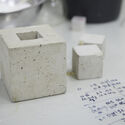
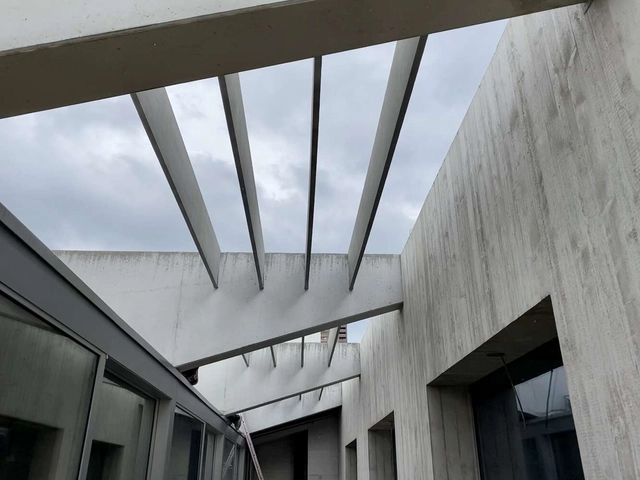
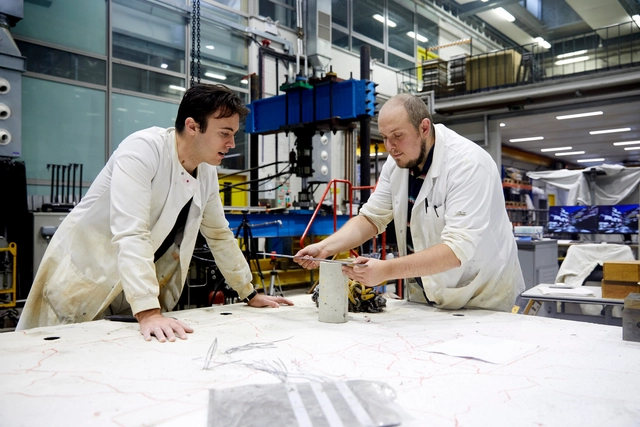
CPC concrete slabs are based on the technology of "carbon pre-stressed concrete," which originated from a long-term research project conducted by the Zurich University of Applied Sciences Winterthur (ZHAW) and Silidur AG, Andelfingen. These panels are reinforced with thin, pre-stressed carbon strands, allowing them to be three to four times thinner and lighter while maintaining the same load-bearing capacity as traditional reinforced slabs.
CPC's innovative approach to concrete panel production reduces material usage by 75% and minimizes the carbon footprint of concrete production. ArchDaily interviewed Professor Josef Kurath from the Department of Architecture Design and Civil Engineering at the Zurich University of Applied Sciences (ZHAW), who collaborated with CPC Construction in developing these concrete panels. We discussed his perspectives on decarbonizing architecture, the inspiration behind the development of CPC panels, a comparison with traditional concrete, and the potential for scalability and accessibility in the future.
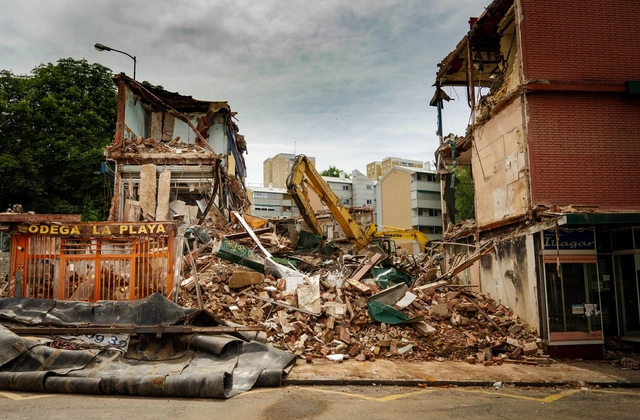
The built environment is responsible for approximately 42% of annual global CO2 emissions. During a building's lifespan, half of these emissions come from its construction and demolition. To decarbonize architecture and control global emissions, it is important to rethink and reduce the upfront or embodied carbon impacts of demolitions, as well as implement sustainable construction strategies for buildings. Demolitions typically involve dismantling, razing, destroying, or wrecking buildings and structural parts, leading to unsustainable levels of carbon emissions, material depletion, waste, and pollution. These hasty methods of ending the life cycle of a building have negative impacts on the environment, material components, and recycling strategies. Therefore, there is a clear need to re-think the way in which we approach the end of a building or infrastructure project's life towards a more sustainable system of deconstruction.
Seratech's technology, developed by Sam Draper and Barney Shanks, eliminates the CO₂ footprint of concrete and reduces carbon emissions in construction. This innovative process uses silica, a waste product from flue gases, as a carbon-negative cement replacement in concrete. By incorporating silica, the required amount of Portland cement is reduced by 40%, resulting in the production of carbon-negative concrete. This groundbreaking technology won the 2022 Obel Award for its focus on embodied emissions.
The Obel Award is an international award that promotes architecture in the service of both people and the planet. Seratech was the fourth winner of this new international prize for architectural achievement, preceding this year's 'Living Breakwaters' by SCAPE Landscape Architecture. ArchDaily had the chance to interview Sam Draper, CEO of Seratech, about the company's role in building a sustainable construction industry and their plans for scaling their innovative process.