Architect, researcher, and editor based in Istanbul with a master’s degree in Alternative Architectural Practices. Pursuing a second bachelor’s degree in Sociology to further explore the evolving relationship between cities and their inhabitants.
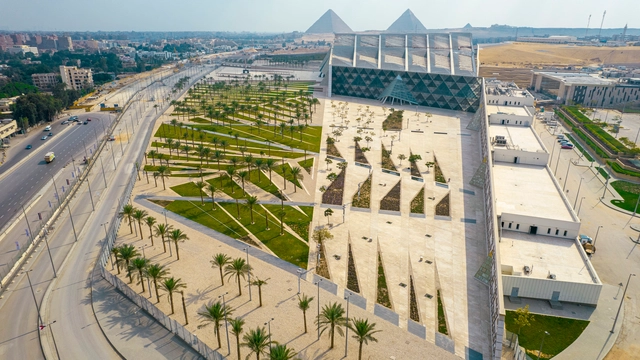
This week's architectural highlights traced the intersections between heritage, climate awareness, and contemporary design practice. As the 19th Venice Architecture Biennale approaches its closing, projects exploring collective intelligence and material experimentation offer reflections on small-scale responses to global challenges. In Egypt, the completion of the Grand Egyptian Museum marks a long-anticipated moment in cultural preservation, while new competition initiatives in Jordan extend this dialogue toward sacred and archaeological contexts. Complementing these developments, the recognition of Abdelwahed El-Wakil with the Tamayouz Lifetime Achievement Award highlights the continued influence of tradition-informed design across contemporary practice.
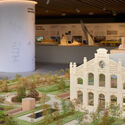
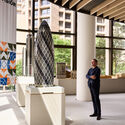
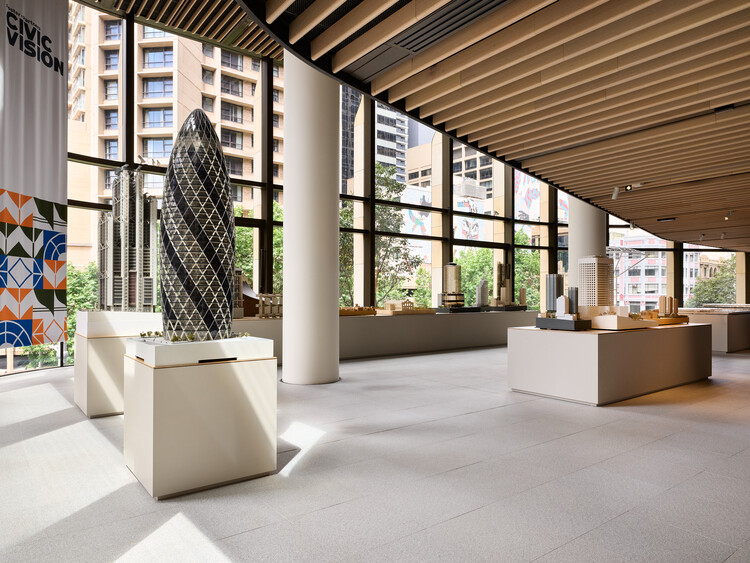
Foster + Partners has opened Civic Vision, the first comprehensive exhibition of the practice's work to be presented in Australia. On view until December 21, 2025, at Parkline Place, the firm's latest completed project in Sydney, developed by Investa on behalf of Oxford Properties Group and Mitsubishi Estate Asia, the exhibition offers an in-depth overview of Foster + Partners' global portfolio since its founding in 1967 by Norman Foster. It explores the evolution of the practice's design approach and its exploration of civic architecture across different contexts and scales.
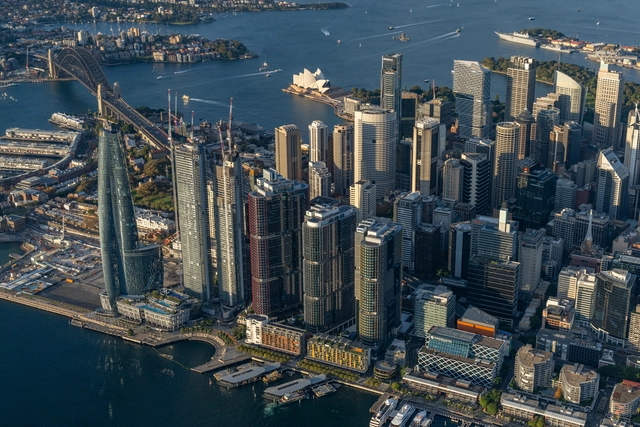
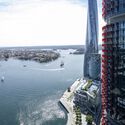
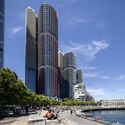
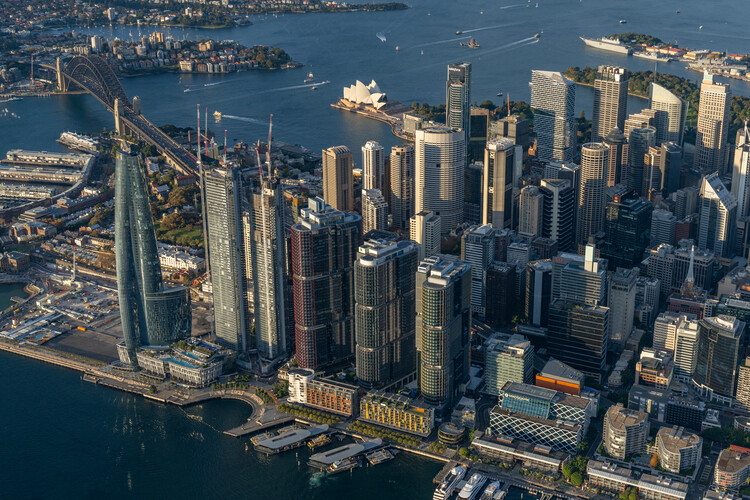
RSHP has announced the completion of the Barangaroo South Masterplan in Sydney, marking the realization of a 15-year redevelopment that has reconnected the city's north-western harbour edge to its urban core. Once a disused container port, the 22-hectare site has been transformed into a mixed-use, carbon-neutral precinct, integrating commercial, residential, and public spaces along the waterfront. Developed in collaboration with Lendlease following an internationaldesign competition, the masterplan is organized into three zones: Barangaroo South, a high-density extension of the Central Business District; Barangaroo Reserve, a reconstructed natural headland that reintroduces native landscapes to the harbour; and Barangaroo Central, a low-density residential area linking the northern and southern ends of the development.
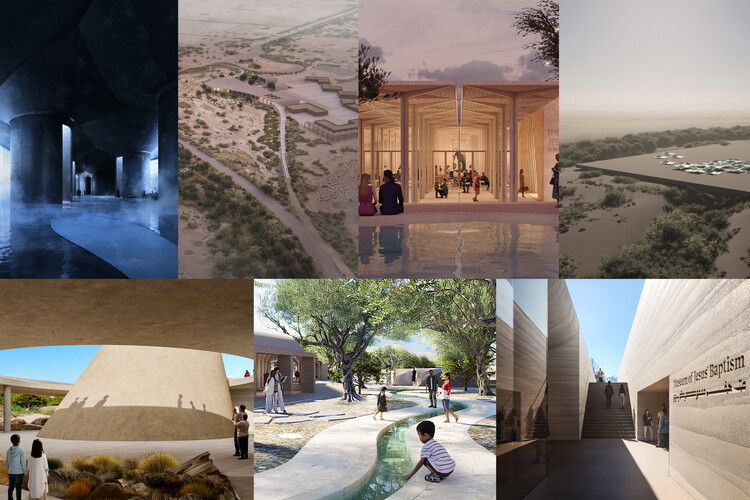
Left to right, top to bottom: AAU Anastas, heneghan peng architects, Níall McLaughlin Architects, Studio Anne Holtrop, Tatiana Bilbao ESTUDIO, Toshiko Mori Architect, Trahan Architects. Image Courtesy of The teams and Malcolm Reading Consultants
This week's architectural developments highlighted how design operates as a form of social and culturalinfrastructure, linking care, community, and context across scales. From London's reinterpretation of the almshouse model to the transformation of urban gateways in Phnom Penh and Tirana, architecture reflected a shared interest in spaces that foster connection and adaptability. Parallel to these urban and infrastructural works, new cultural projects in Paris and Hanoi explored how museums and performance spaces can renew public institutions through material experimentation and spatial flexibility.
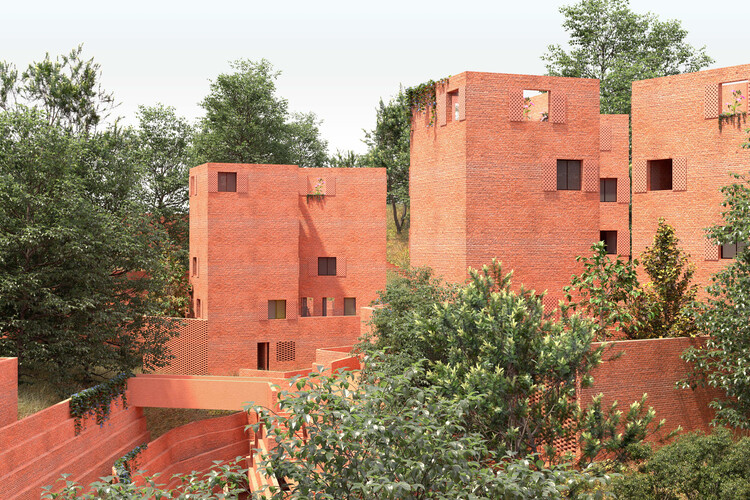
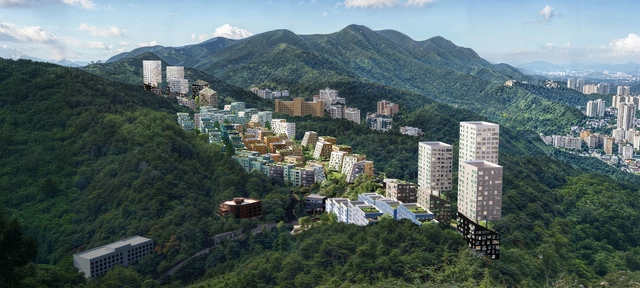
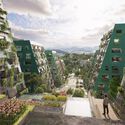
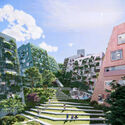
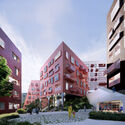
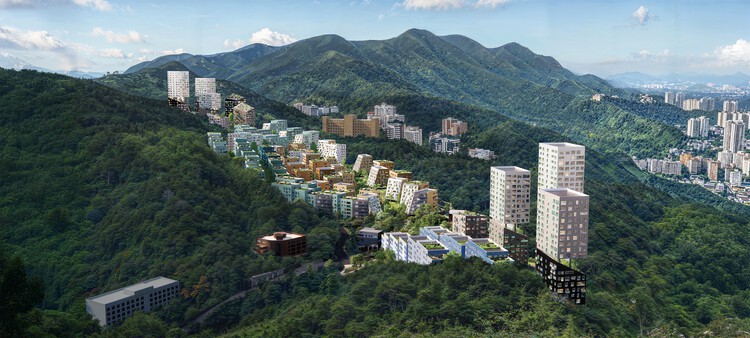
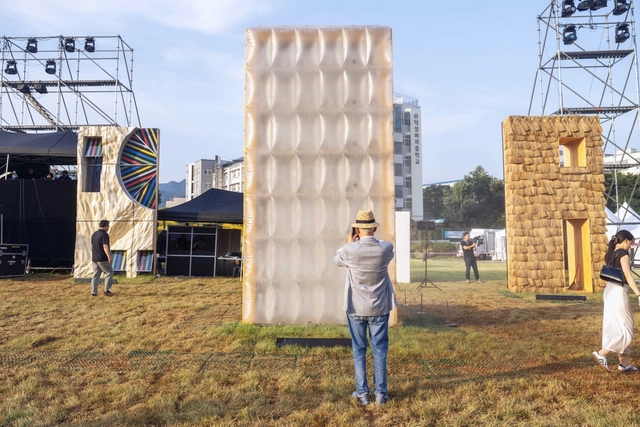
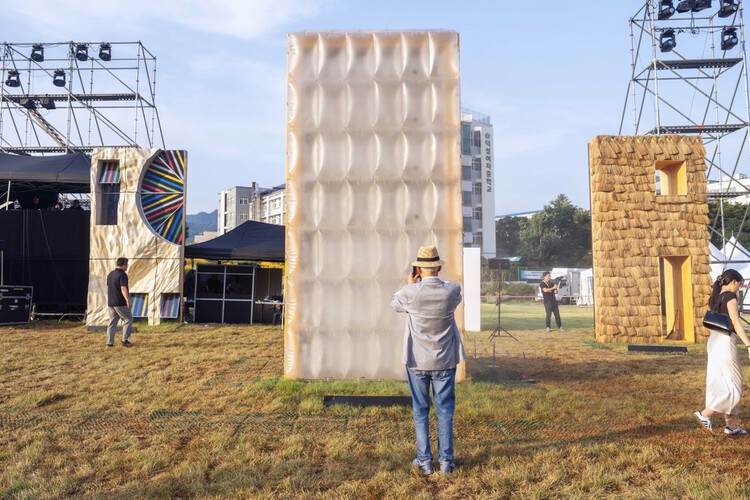
The Busan Slope Housing project by OMA addresses urban redevelopment on the steep hillsides of Busan, South Korea, drawing on the city's topographical complexity and historical settlement patterns. Developed in collaboration with the BusanArchitecture Festival and the Department of Housing and Architecture, the project explores strategies to rethink hillside neighborhoods while responding to both contemporaryhousing needs and the social and spatial legacies of these areas. Rather than replacing these areas with conventional high-rise estates, OMA envisions a flexible, context-responsive framework that integrates contemporaryhousing typologies with the site's inherited structure.
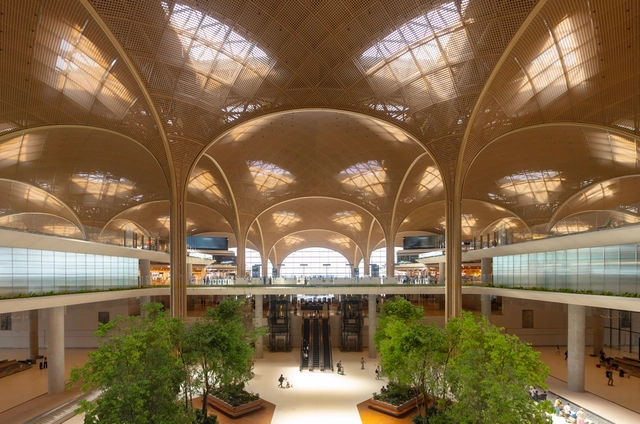
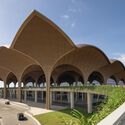
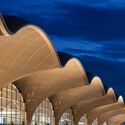
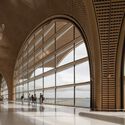
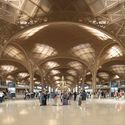
Foster + Partners has completed the Techo International Airport in Phnom Penh, Cambodia, marking a new chapter in the nation's vision for sustainable growth and improved regional connectivity. Situated 20 kilometers south of the city center, the airport's terminal building spans 235,500 square meters and forms the centerpiece of a 24-square-kilometer master plan. Drawing inspiration from Cambodia's vernacular architecture and tropical landscape, the design integrates cultural references and environmental responsiveness to create a contemporary yet contextually rooted gateway for internationaltravel. The first phase, including the head house and northern pier, opened to the public in 2025, while the southern pier is scheduled for completion by 2030.
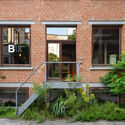
In addition to photographing the studios, Goodwin asked each practice the same question: "What makes for a good office space and office culture for you?" Their responses accompany the images, offering insight into how architects define the atmosphere of their workplaces. Studio Okami describes its workplace as a "home office away from home," while Brut highlights the role of shared meals and greenery in softening their penthouse space.
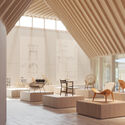
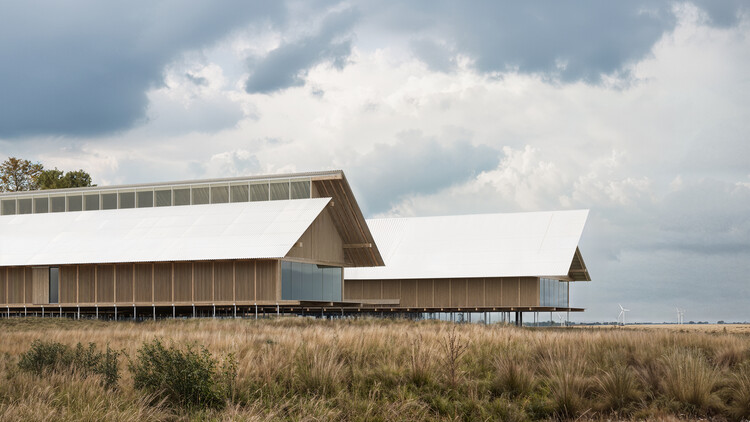
Cobe has revealed the design for Museum Wegner in Tønder, Denmark, a new cultural institution dedicated to the life and work of renowned Danish designer Hans J. Wegner. The museum will be located at Hestholm, a historicfarm dating back to 1445, and will combine the adaptive reuse of existing structures with a contemporaryextension. Selected as the project architect in February 2024 following a competitive interview process, Cobe is now moving the design toward realization with strong local and national support.
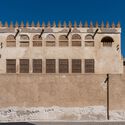
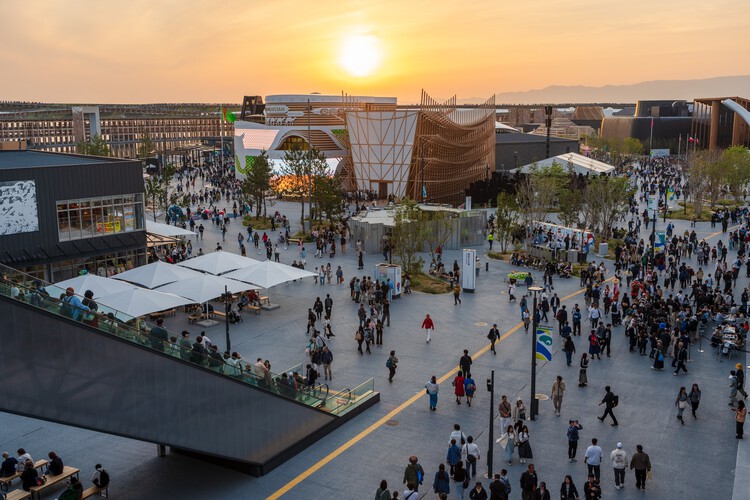
Bahrain's architectural participations in the international exhibitions have gained increasing global recognition, marked most recently by major awards at Expo 2025 Osaka and the Venice Architecture Biennale. These milestones reflect a broader trajectory in which the country's design culture, rooted in climatic intelligence and cultural continuity, has become a prominent voice in international conversations on context-driven architecture.
This growing visibility builds upon a deep architectural lineage. Bahrain's identity has long been shaped by its position as a maritime crossroads of the Arabian Gulf, where the legacy of pearling settlements and the compact urban fabric of Muharraq and Manama reveal a dialogue between local traditions and global exchange. Today, that dialogue evolves through practices that merge preservation with experimentation, translating heritage into a contemporary architectural language that is both place-specific and forward-looking.