Architect, researcher, and editor based in Istanbul with a master’s degree in Alternative Architectural Practices. Pursuing a second bachelor’s degree in Sociology to further explore the evolving relationship between cities and their inhabitants.
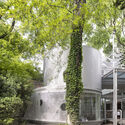
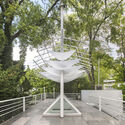
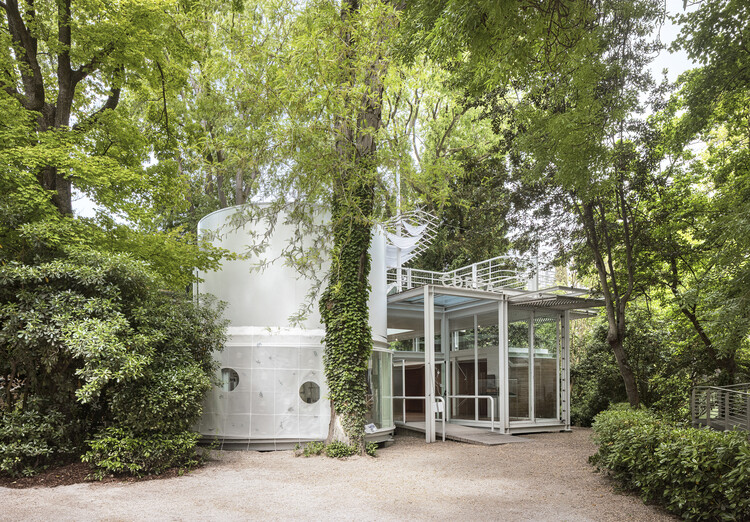
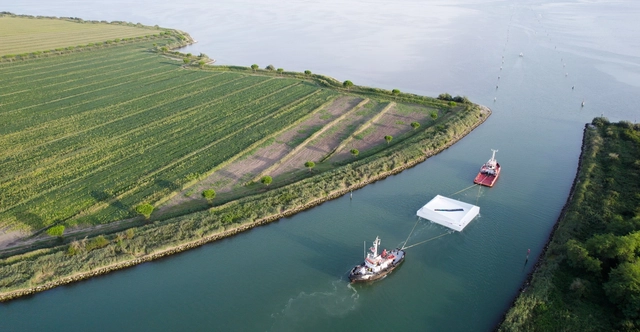
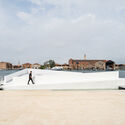
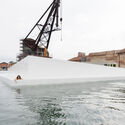
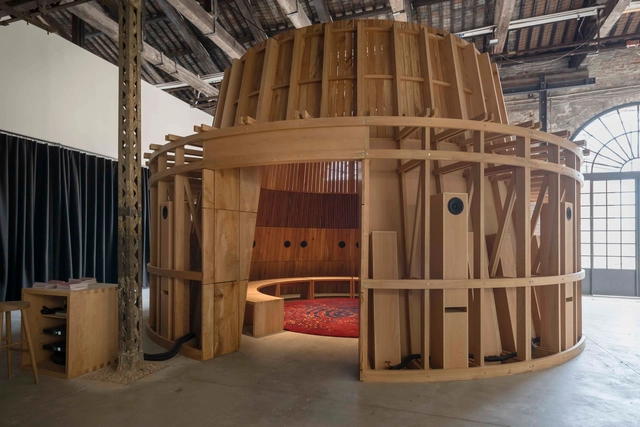
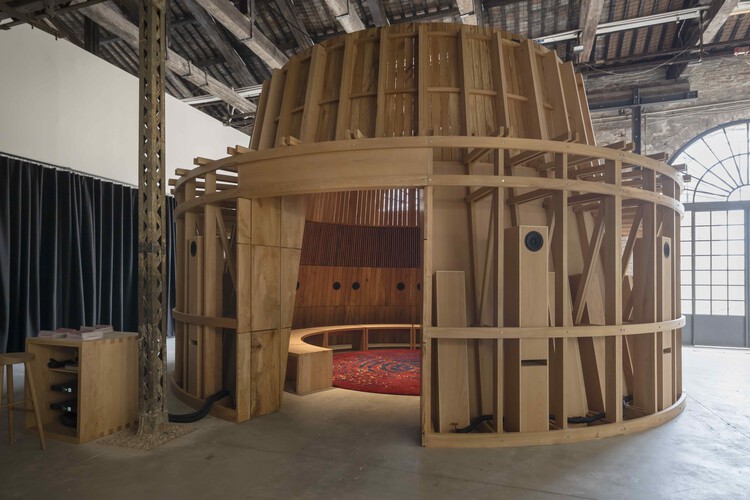
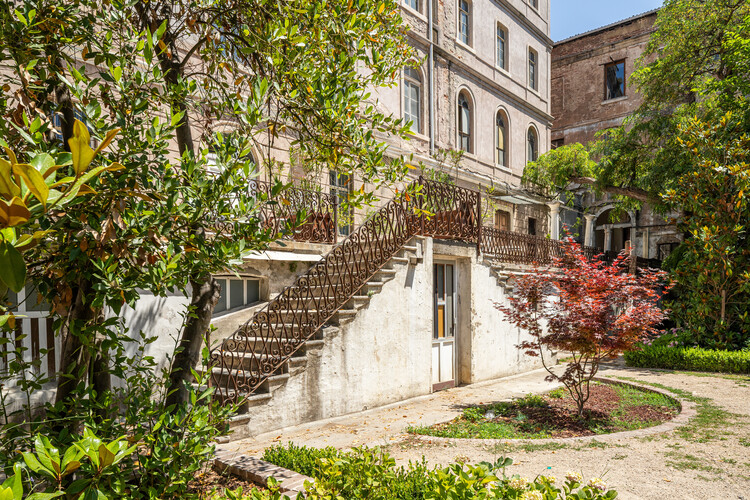
The KoreanPavilion at the 19th International Architecture Exhibition - La Biennale di Venezia marks its 30th anniversary with "Little Toad, Little Toad: Unbuilding Pavilion," an exhibition commissioned by Arts Council Korea (ARKO) and curated by Curating Architecture Collective (CAC), composed of Chung Dahyoung, Kim Heejung, and Jung Sungkyu. Bringing together architects and artists Kim Hyunjong, Heechan Park, Young Yena, and Lee Dammy, the exhibition critically revisits the pavilion as both a physical structure and a symbolic space, tracing its trajectory since its completion in 1995 while speculating on its possible futures.
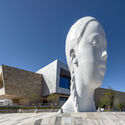
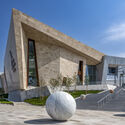
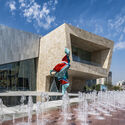
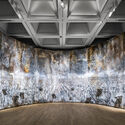
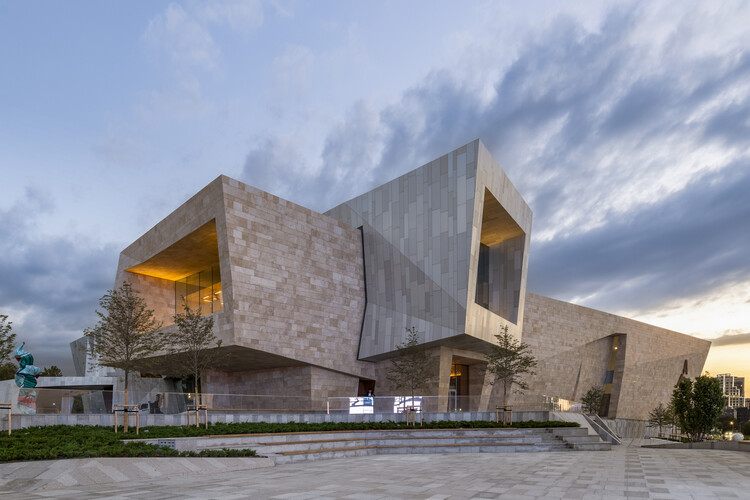
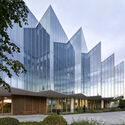
The AlmatyMuseum of Arts has opened in Kazakhstan, establishing a new cultural institution dedicated to contemporary art in Central Asia and internationally. Designed by Chapman Taylor, the museum is located at the foothills of the Tian Shan mountains and encompasses 10,060 square meters. The design draws inspiration from the contrast between the city of Almaty and its mountainous surroundings, a relationship expressed through two interconnecting limestone and aluminium-clad volumes. These are organized around a central, light-filled atrium referred to as the "Art Street," which serves as the primary circulation and gathering space.
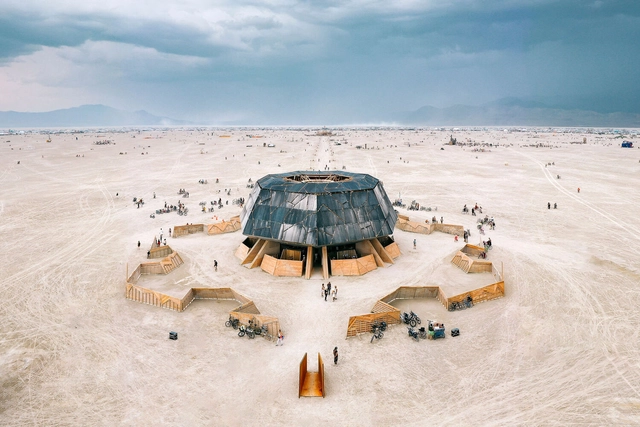
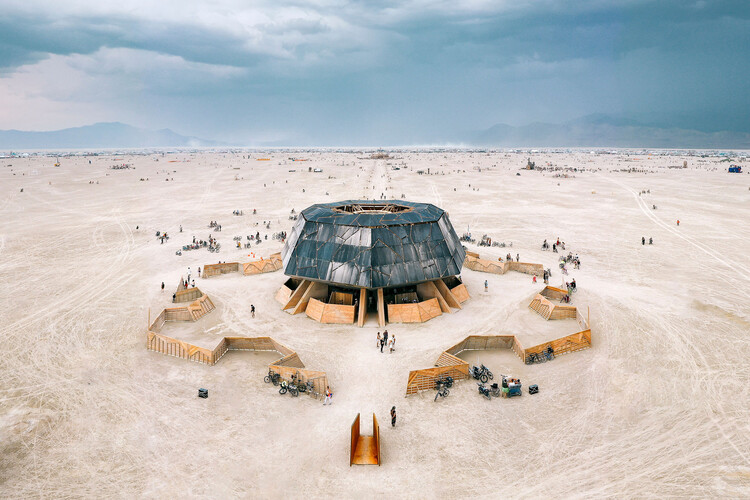
The 2025 edition introduced projects that examined themes of ecology, memory, and connectivity while responding to the challenges of building in the desert. Ranging from intimate interactive pieces to monumental landmarks, the installations encouraged reflection, participation, and community engagement before disappearing at the close of the event.
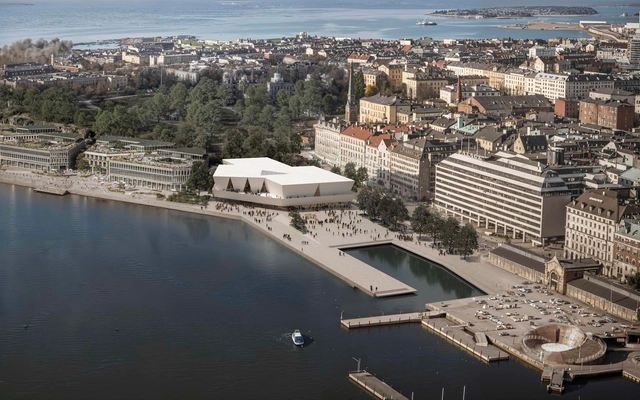
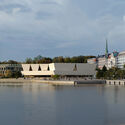
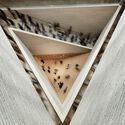
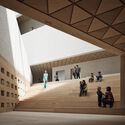
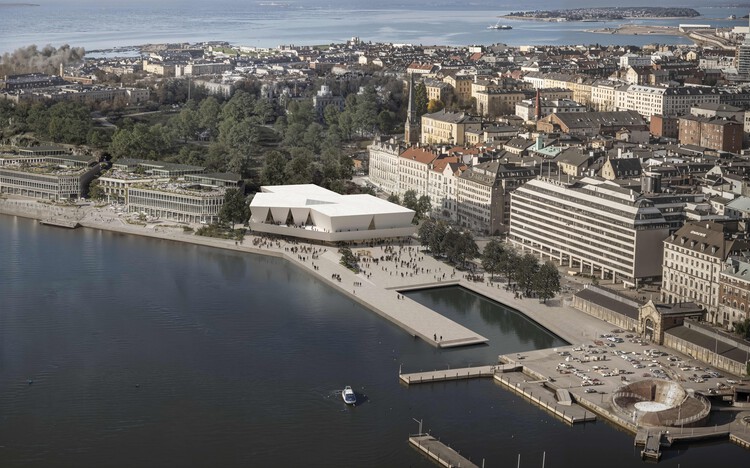
The international design competition to select the architect for Finland's new Museum of Architecture and Design in Helsinki has concluded with the announcement that JKMM Architects has been awarded first prize. The Helsinki-based practice's proposal, known during the competition as Kumma, was chosen from 624 entries submitted from around the world. The open and anonymous competition, launched in April 2024, sought conceptual designs for a new 10,050-square-meter cultural institution to be built on the city's South Harbor waterfront. Construction is scheduled to begin in 2027, with completion and public opening planned for 2030.
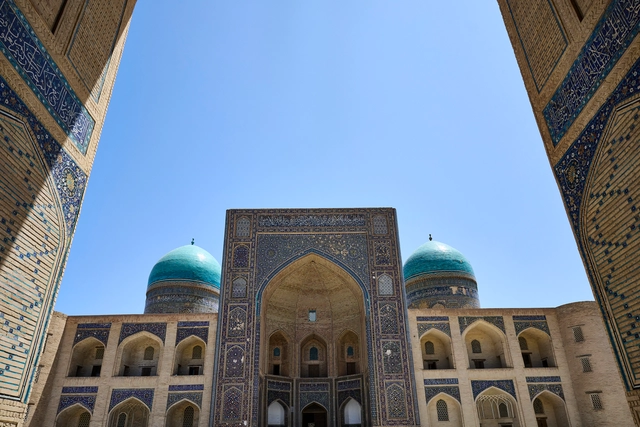
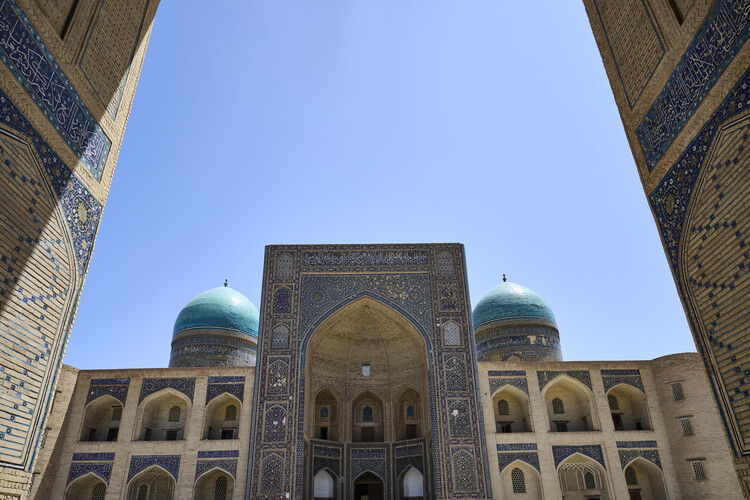
The Mir-i-Arab Madrasa. Image Courtesy of Uzbekistan Art and Culture Development Foundation
The inaugural edition of the Bukhara Biennial opened on September 5, 2025, bringing over 70 site-specific commissions by more than 200 participants from 39 countries to the historic core of the Uzbek city. Commissioned by the UzbekistanArt and Culture Development Foundation (ACDF) and Commissioner Gayane Umerova, the Biennial is described as the largest and most diverse cultural event in Central Asia to date. Curated by Diana Campbell under the theme Recipes for Broken Hearts, the ten-week event is staged across a constellation of newly restored sites, including madrassas, caravanserais, and mosques, all part of Bukhara's UNESCOWorld Heritage listing. Beyond an exhibition platform, the biennial is framed as part of a broader master plan, positioning culture as a catalyst for urban transformation and heritage renewal.
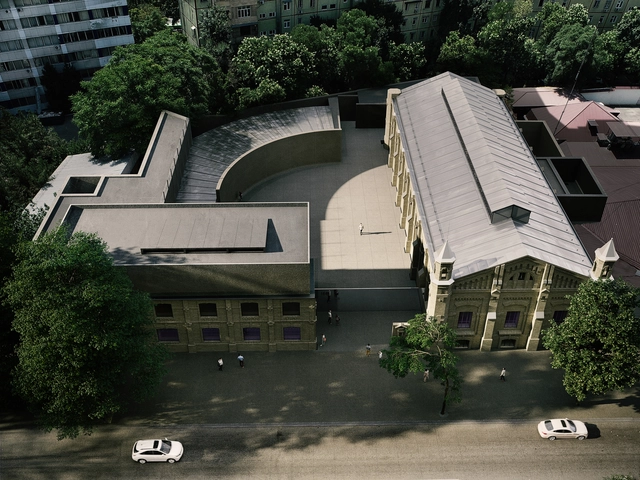
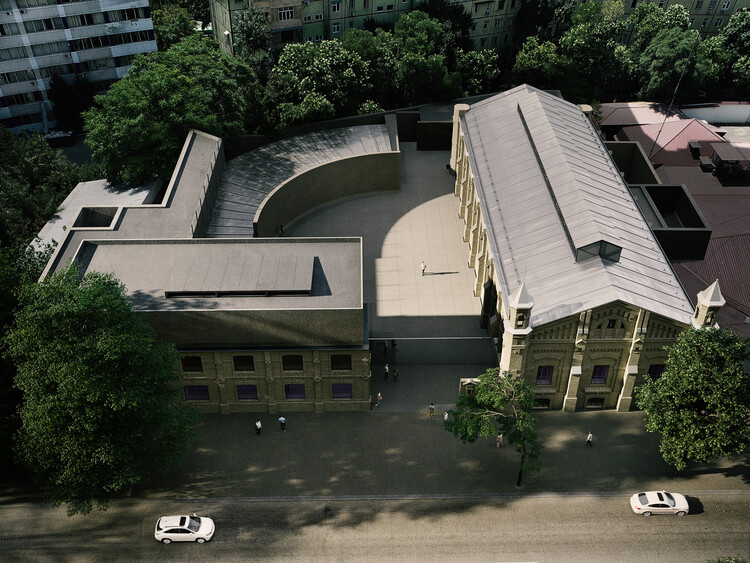
The Uzbekistan Art and Culture Development Foundation (ACDF) has announced the transformation of a 1912 industrial building in Tashkent into the Centre for Contemporary Arts (CCA), set to become the first permanent institution dedicated to contemporary art and research in Central Asia. Designed by the French architecture practice Studio KO, led by Karl Fournier and Olivier Marty, the project integrates preservation of the city's industrialheritage with a new cultural identity for the historic site. The building, originally designed by Wilhelm Heizelmann, known for the Treasury Chamber, was constructed as a diesel station and depot for Tashkent's first tram line. After decades of serving the city's electricity network, the structure was transferred to the Foundation in 2019 as part of Uzbekistan's long-term cultural development strategy. Under the leadership of Gayane Umerova, the project now represents a major step in shaping a contemporary cultural infrastructure for the region.
The Royal Institute of British Architects (RIBA) has revealed the six shortlisted projects for the 2025 RIBA Stirling Prize. Since its establishment in 1996, the prize has recognized works that respond to contemporary challenges while shaping more inclusive futures. This year's shortlist spans a diverse range of scales and programs, including the restoration of one of the nation's most iconic landmarks, a pioneering medical research facility, a contemporary almshouse designed to reduce isolation among older residents, a university's "factory for fashion," a fully accessible home, and a creative house extension. The winner of the award will be announced live at the Stirling Prize ceremony on 16 October in the Roundhouse, London.
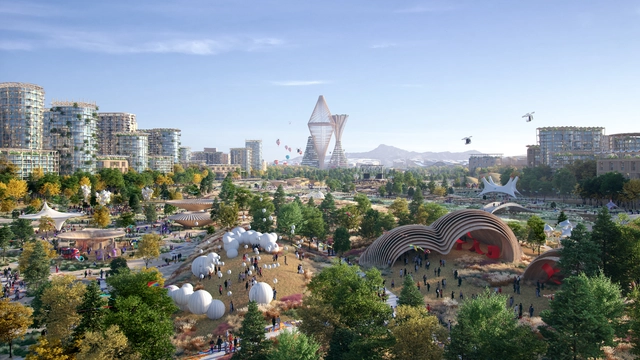
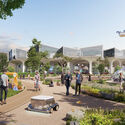
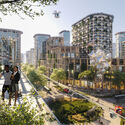
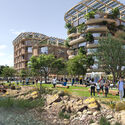
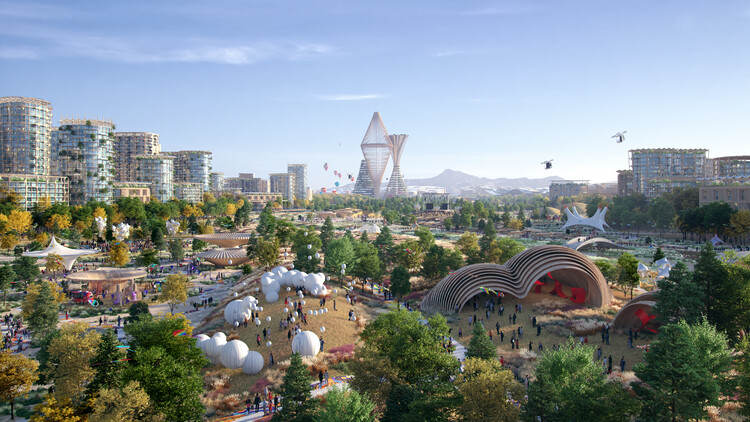
Telosa is a conceptual proposal designed by Bjarke Ingels GroupBIG in collaboration with entrepreneur Marc Lore, first announced in 2021. Planned to accommodate five million residents by 2050, the project sets out to establish a framework for sustainable and equitable urban living. Its initial phase, projected for 2030, is expected to house 50,000 people. Positioned as a purpose-built city, Telosa presents a long-term vision that combines ecological resilience, technological systems, and an alternative governance model as a possible prototype for future urban development.
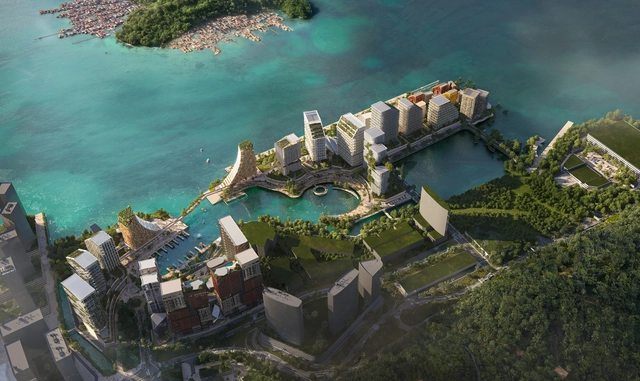
Snøhetta has unveiled plans for Jesselton Docklands, a tropical waterfrontmaster plan in Kota Kinabalu, Malaysia, on the island of Borneo. The development reimagines the city's former port as a civic and cultural hub, strengthening its connection to the waterfront and positioning it as a new gateway to Sabah and the wider Southeast Asian region. Situated near Kota Kinabalu International Airport, the development includes a new ferry and cruise terminal, integrating infrastructure with the island's ecological and cultural context to position the city as a key point of connection within the region.
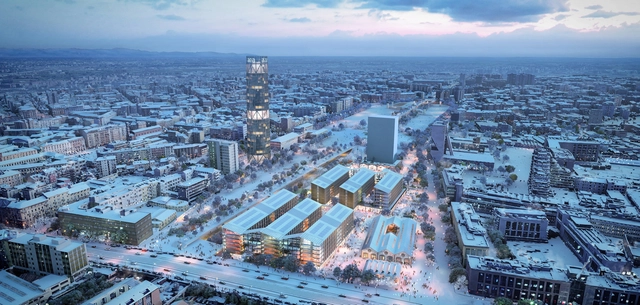
Italy is preparing to host its third Olympic Winter Games as Milan and Cortina d'Ampezzo welcome Milano Cortina 2026, seventy years after Cortina staged the 1956 edition and two decades after Torino 2006. The Games will take place from February 6 to 22, 2026, marking the first time the Winter Olympics are organized across two cities, two regions, Lombardy and Veneto, and two autonomous provinces, Trento and Bolzano. Covering a territory of 22,000 square kilometers, Milano Cortina 2026 will become the most geographically extensive Winter Games to date, with over 90% of venues already existing or designed as temporary facilities.
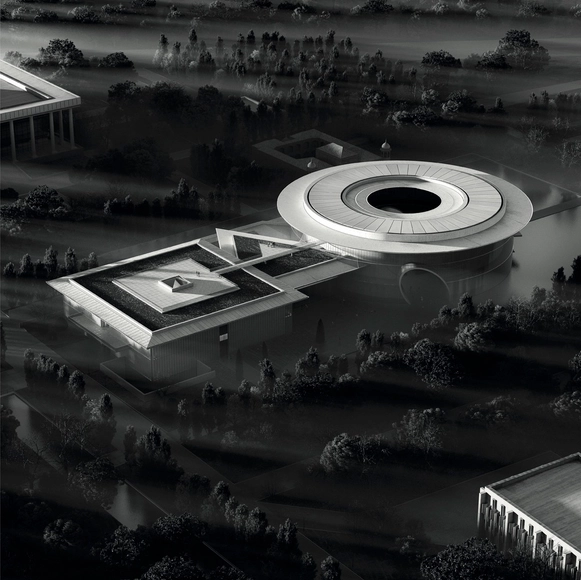
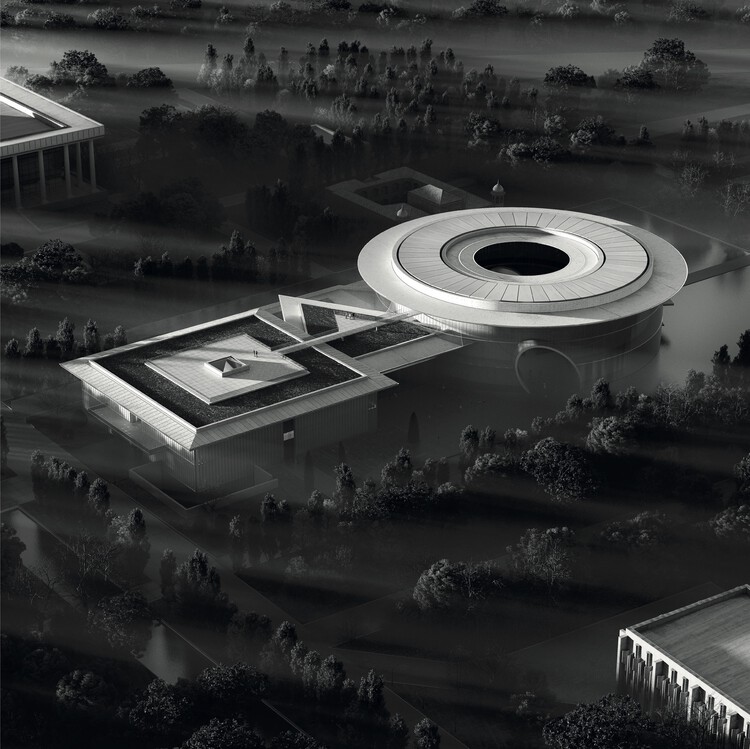
National Museum of Uzbekistan, Render by Tadao Ando Architect & Associates. Image Courtesy of The Uzbekistan Art and Culture Development Foundation
The Uzbekistan Art and Culture Development Foundation (ACDF) has announced the groundbreaking of the National Museum of Uzbekistan, designed by Japanese architect Tadao Ando. Marking Ando's first major project in Central Asia, the museum is envisioned as both an architectural and culturallandmark in Tashkent. Planned to open in March 2028, the building reflects Ando's minimalist architectural language, integrating references to Uzbekistan's heritage with his characteristic use of geometry, natural light, and spatial clarity.
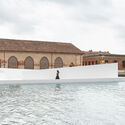
Curated by Cotter & Naessens Architects, the Ireland pavilion at the 19th International Architecture Exhibition - La Biennale di Venezia in 2025 presents Assembly, exploring architecture's role in shaping spaces for gathering, discussion, and democratic exchange. Commissioned by Culture Ireland in partnership with the Arts Council of Ireland the pavilion is officially inaugurated by Yvonne Farrell of Grafton Architects with Sharon Barry, Director of Culture Ireland, and Fionnuala Sweeney, Head of Architecture at the Arts Council.
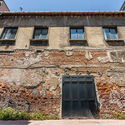
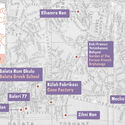
Organized by the Istanbul Foundation for Culture and Arts (İKSV), the 18th Istanbul Biennial will be realized in three stages between 2025 and 2027, continuing to be Türkiye's largest international exhibition dedicated to contemporary art. Curated by Christine Tohmé under the title The Three-Legged Cat, the first leg will be held from September 20 to November 23, 2025. Continuing the Biennial's approach of engaging directly with Istanbul through a dispersed model rather than a fixed venue, this edition will use eight sites located within walking distance along the Beyoğlu–Karaköy axis. Over this period, works by 47 artists from more than 30 countries will be presented to the public, accompanied by a program of performances, screenings, and live events during the opening week.
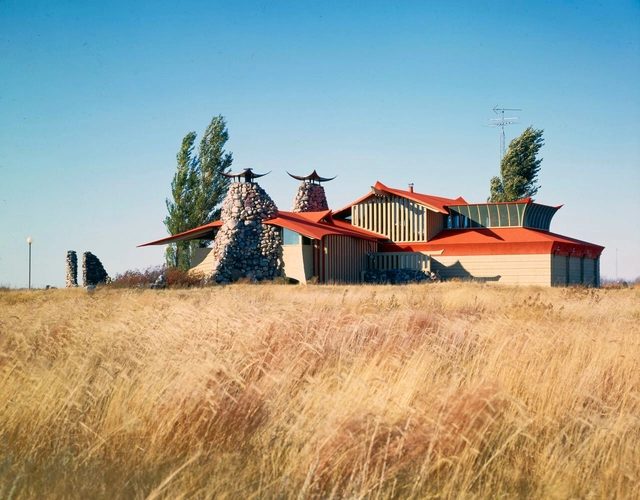
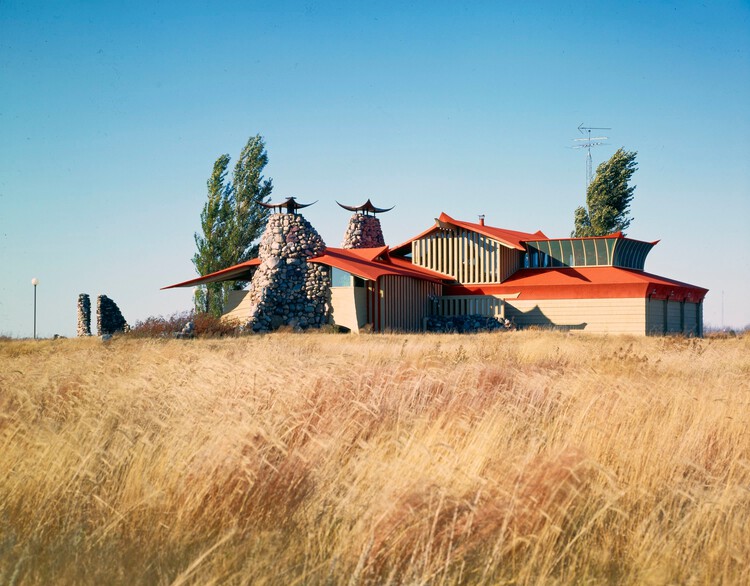
“Glen and Anna Harder House, Mountain Lake, Minnesota,” 1970. Color transparency, 4 x 5 in. Copyright J. Paul Getty Trust, Getty Research Institute, Los Angeles (2004.R.10). Photo: Julius Shulman. For the 2025 grant to the Art Institute of Chicago for the exhibition “Bruce Goff: Material Worlds”. Image Courtesy of Graham Foundation
The Graham Foundation for Advanced Studies in the Fine Arts has announced $573,300 in grants to 39 organizations worldwide. Chosen from more than 200 submissions, the 2025 awards support a broad range of initiatives, including exhibitions, installations, publications, podcasts, student-led journals, internationalarchitectureevents, and public programs that contribute to advancing architectural discourse and design experimentation. Over nearly seven decades, the Graham Foundation has provided more than $45 million in direct support to over 5,200 projects. With the addition of the 2025 grantees, the Foundation aims to continue to strengthen its international network of individuals and organizations advancing architectural ideas and public engagement around the world.