Romullo Baratto is an architect with a PhD from FAUUSP and Managing Editor of ArchDaily. He previously coordinated the editorial team of the 11th São Paulo Architecture Biennial and served as Managing Editor of ArchDaily Brasil, where he led the platform to win the FNA Award—the first time the honor was granted to a media outlet. He collaborated on the editing of the book "Concrete Jungle", published by gestalten, and has curated architecture exhibitions in Brazil, Chile, Denmark, and Italy, as well as delivered lectures and moderated debates in Spain, the United States, and Portugal. His doctoral thesis investigates the urban landscapes of São Paulo through cinema. His work spans academic research and editorial practice, communicating architecture through texts, interviews, lectures, curatorship, and photography. Follow him on Instagram @romullobf.
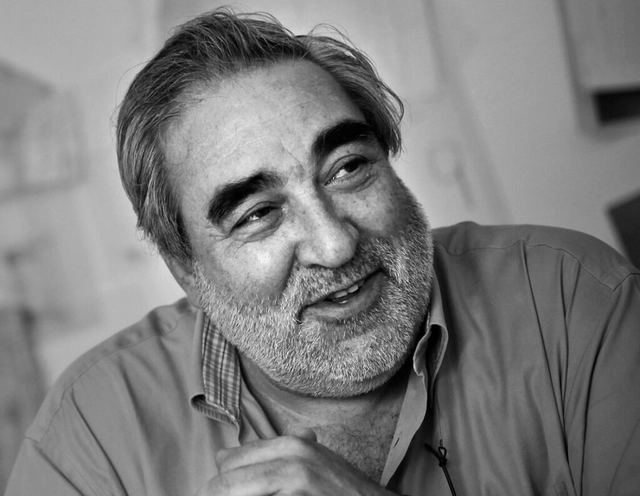
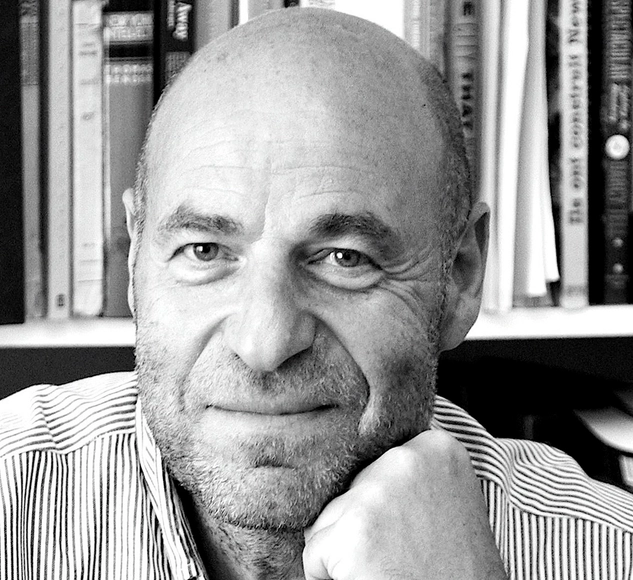
Eduardo Souto de Moura. Image via CAU/BR, divulgação
The Portuguese architect Eduardo Souto de Moura will receive yet another international recognition for his career. On October 20th, the Circle of Fine Arts of Madrid or Círculo de Bellas Artes de Madrid (CBA) will award the architect the Gold Medal, its highest distinction. This tribute not only adds to Souto de Moura's extensive list of accolades, which includes the 2011 Pritzker Prize and the 2013 Wolf Prize, among others but also represents an expression of appreciation from the world of culture and the arts for a career and body of work that transcend architecture and "reach the dimension of poetry through the acceptance of the technical demands of buildings
With a population of a little over ten million people, of which almost two-thirds are living in urban areas, Portugal is still one of the most rural countries in Europe to this day. A significant part of the population is distributed along the Atlantic Ocean coast, concentrated mainly in Lisbon and Porto, which account for almost half of the country's residents, resulting in a large and sparsely populated inland area with predominantly rural characteristics.
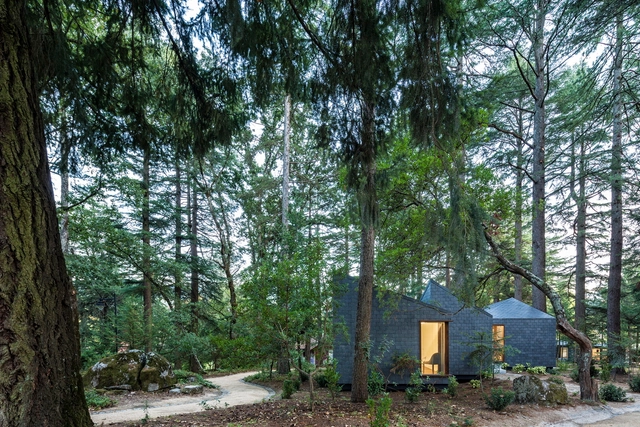
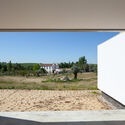
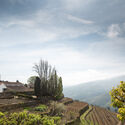
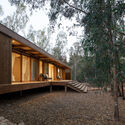
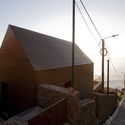
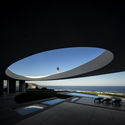
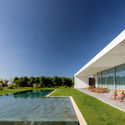
Despite the low density and the countryside atmosphere, these regions are not lacking in quality architecture. Many buildings - mostly residential - stand out for their ability to blend into the landscape, repurpose old structures, or pay homage to local vernacular techniques. The following 15 country houses are examples of this:
Architect, critic, and curator Jean-Louis Cohen passed away at the age of 74 yesterday, August 7. Recognized for his extensive research in the field of modern architecture and urban planning, he held the Sheldon H. Solow Chair of Architectural History at New York University since 1994.
Cohen served as a curator for various prestigious exhibitions, including some held at the Museum of Modern Art, the Canadian Centre for Architecture, the Centre Georges Pompidou, the Cité de l'Architecture et du Patrimoine, and the MAXXI. More recently, alongside Brazilian researcher Vanessa Grossman, he curated the exhibition "Geografias Construídas: Paulo Mendes da Rocha," which opened in May at the Casa da Arquitectura in Portugal.
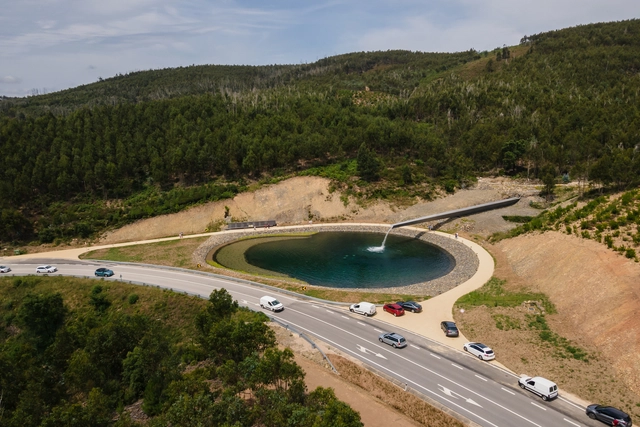
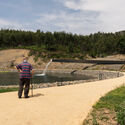
Pedrógão Grande, a Portuguese municipality located approximately 55 kilometers from Coimbra, inaugurated the Memorial in Homage to the Victims of the 2017 Forest Fires last week. This tragic event resulted in the loss of 66 lives and left 253 injured. The monument was designed by architect Eduardo Souto de Moura, winner of the 2011 Pritzker Prize.
The work, initiated by Infraestruturas de Portugal (IP) two years ago, cost approximately 1.8 million Euros. According to IP, the monument features a framing lake spanning about 2,500 square meters in area. The lake is supplied by a 60-meter-long gargoyle and bordered by a strip of plants, including white water lilies, lilies, and ranunculus. Additionally, the project incorporates a wall with the name of each victim inscribed on it, according to IP.
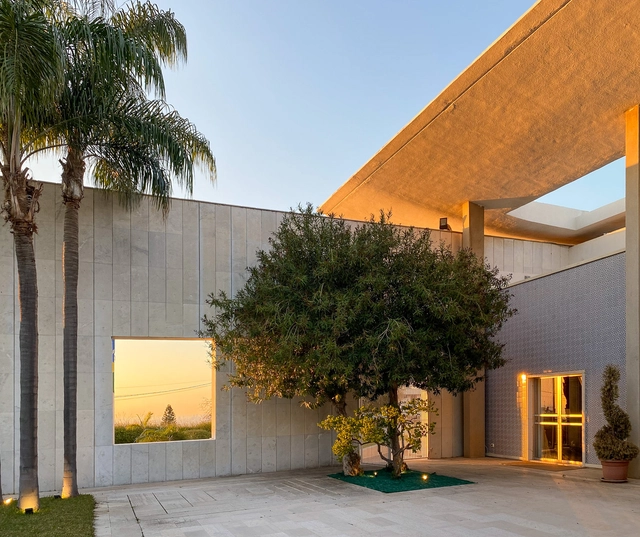
More than ten thousand kilometers away from the capital Brasilia, a jewel of Brazilian modern architecture overlooks the Mediterranean Sea. Located in another Brasilia, a district in Beirut named after the Brazilian capital, the Residence of the Ambassador of Brazil in Lebanon, designed by Olavo Redig de Campos, combines tropical modernism with elements of Middle Eastern culture.
For the first time, the house will be open to the public through guided tours focused on historical heritage. Geared towards architecture, design, and art professionals and students, the visits will be guided by Dr. George Arbid, director of the Arab Center for Architecture, a renowned institution in modern architecture in the region.
Trans-scale is an interesting word. It can mean the passage from one scale to another, a shift in magnitudes. It can also mean the negation of the scale itself, the refusal to accept its physical limits. It is also the term used by Pedro Varella to describe the practice of gru.a (a group of architects), a Rio de Janeiro-based office of which he is a partner along with Caio Calafate. Supported by a tripod of design, education and research, gru.a has carried out a relevant set of works that have earned it recognition within and outside Brazil in just over ten years of work.
Nominated for the Mies Crown Hall Americas Prize (MCHAP) 2022 and the DÉBUT of the Lisbon Triennial 2019, gru.a also has two first-place trophies in the Tomie Ohtake AkzoNobel Architecture Prize (2015 and 2019), as well as awards in design competitions. More recently, in 2022, it was included in ArchDaily's list of best New Practices for a work based on resource economy that challenges the conventional limits of architecture and claims the possibility of being read as art.
"The taste of the apple lies in the contact of the fruit with the palate, not in the fruit itself," Jorge Luis Borges once said. The taste is not something inherent in itself; its experience is the result of an encounter. Similarly, emotions are not contained within architecture, but are only felt through the encounter of the body with the space, when it becomes a place. How does the environment affect how we feel? This is the question that drives the duo of artists and filmmakers Ila Bêka and Louise Lemoine in their latest endeavor, the book "The Emotional Power of Space," which will be released on May 17th in an event preceding the opening of the Venice Architecture Biennale 2023.
Dismantling the system of slave and child labor in the architecture and construction industry does not seem like a simple task, especially on a global scale. However, this is precisely the mission of the Design for Freedom (DFF) initiative, created by CEO and founder of the Grace Farms Foundation, Sharon Prince, along with Bill Menking, professor and editor-in-chief of The Architect's Newspaper.
Through events and freely available tools, Design for Freedom seeks to "raise awareness and inspire responses to halt forced labor in the construction materials supply chain," offering paths to ensure transparency and ethics in the architectural production process.
With a coastline of 832 kilometers facing the Atlantic Ocean, Portugal has a long and deep relationship with the sea, which was for many centuries considered the country's main means of communication with the rest of the world. Today, the Portuguese coast attracts millions of tourists every year from across Europe and around the world, who arrive in search of warm weather and beautiful seaside scenery. The main destinations are the southern beaches which are warmer than in the North however, the number of tourists has increased throughout the entire country over the past decade.
The Portugal pavilion at the 18th International Architecture Exhibition - La Biennale di Venezia 2023 will present the Fertile Futures project, curated by Andreia Garcia and assistant curators Ana Neiva and Diogo Aguiar. The project aims to address water resources issues in seven Portuguese hydro geographies and encourage reflection on building a sustainable, equitable, and fertile future. The exhibition will take place at Palazzo Franchetti from May 20 to November 26, 2023.
Portuguese architect Álvaro Siza Vieira was chosen by the Holy See to create the installation that will represent it at the Venice Architecture Biennale, which will take place between May 20 and November 26, 2023. In collaboration with Studio Albori from Italy, the pavilion of the Vatican, curated by Roberto Cremascoli, will be dedicated to the theme of social friendship. This is in commemoration of the tenth anniversary of the pontificate of Pope Francis.
Few architects in history have had the honor and privilege of intervening in the famous St. Mark's Square in Venice — a tourist landmark of incomparable historical value to humanity. Sir David Chipperfield is one of them. As if that was not enough, he also left his mark on another project of inestimable value: the Neue Nationalgalerie, designed originally by Mies van der Rohe in Berlin. The four centuries that separate the design from its restoration seem to pose no difficulties for the 2023 Pritzker Prize winner, who rejects an international style of architecture in search of a trait that highlights local qualities.
The idea of "Biophilia" was defined as "love of life" in ancient Greece. Although the term may seem relatively new, coming across as a trend in the fields of architecture and interior design, the concept of biophilia was introduced by psychologist Erich Fromm for the first time in 1964 and then popularized in the 1980s by biologist Edward O. Wilson, who studied the lack of connection with nature caused by urban life.
The guiding principle is quite simple: connect people with nature to improve their well-being and quality of life. How could architecture do that? By seeking alternatives to integrate nature – either through natural elements or techniques – into its designs.
Carbon footprint, circularity and environmental sustainability are terms that are increasingly present in many professional fields, but what do they mean? How do they relate to architecture and the built environment? We spoke with civil, environmental and sanitary engineer Lucas Rosse Caldas about these and other emerging architectural issues.
Lucas is a professor at the Graduate Program in Architecture at the Federal University of Rio de Janeiro and the Civil Engineering Program at the same institution. He participated in chapter 9 of the sixth report of the Intergovernmental Panel on Climate Change (IPCC) on buildings. He wrote several scientific and technical articles about architecture and sustainable construction.
Somewhere between 1914 and 1915, Le Corbusier designed the Maison Dom-Ino, a groundbreaking modular structure that replaced the heavy load-bearing walls with reinforced concrete columns and slabs. The open floor plan with minimal thin elements, coupled with large glass facades, would ensure healthy natural daylight for the interior spaces as well as desirable architectural transparency that could blur the boundaries between interior and exterior —at least metaphorically.
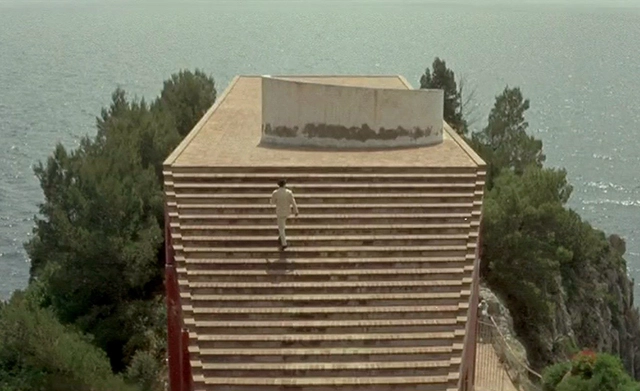
Villa Malaparte in Contempt. Image: movie screenshot
There are many ways to get to know a place. Ask a group of people who know Venice; chances are good that everyone has some mental image of the city and its canals. Once again, ask how many have already visited the Venetian capital. Few or no one may have done so. While traveling is a complete way to experience a place, it's not the only way - images of cities, areas and buildings are everywhere, from advertising to the arts, from Instagram to cinema, and they leave deep impressions on our memory and imagination.
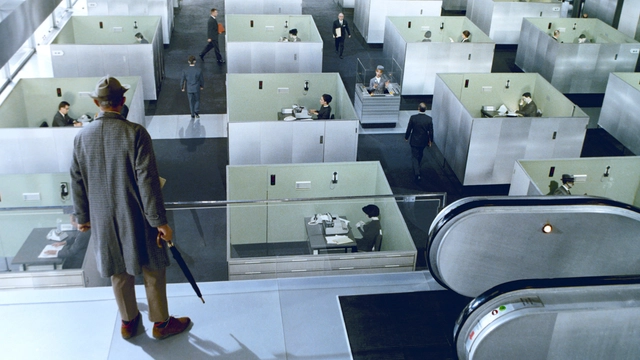
Playtime (Jacques Tati, 1967). Via film screenshot
Of all arts, there is one that is truly capable of embracing architecture, and that is the cinema. The ability to represent spaces, moving in the course of time, brings cinema closer to architecture in a way that goes beyond the limitations of painting, sculpture, music - for a long time considered to be the art closest to ours - and even of dance. Both in cinema and in architecture space is a key subject, and although they deal with it in different ways, they converge by providing a bodily - and not only visual - experience of the built environment.















.jpg?1611324153 "Memorial Cemetery Parque das Cerejeiras / Crisa Santos Arquitectos. Photo © Isis de Oliveira")