




-
Architects: ESTUDIO Ignacio Urquiza Ana Paula de Alba
- Area: 100 m²
- Year: 2023
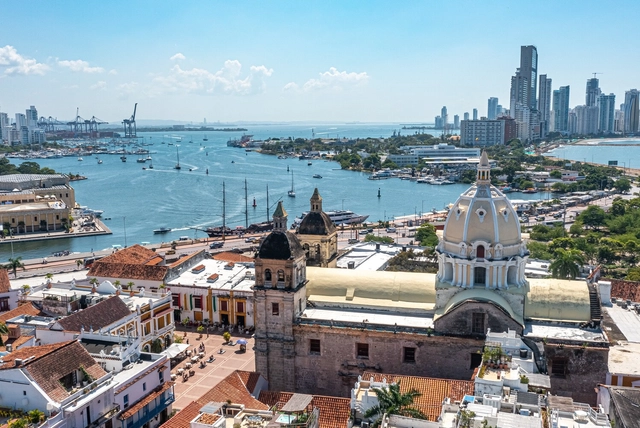
A look at most of the cities within Latin America reveals striking commonalities across countries, from Mexico down to Argentina: most cities have a well-defined area known as "El Centro" (The Center), anchored by a main plaza (Plaza Mayor), flanked by a church on one side and key buildings like the city hall on another. This is no coincidence, as it can be traced back to an urban planning system established during the Spanish colonization of the Americas in the 17th and 18th centuries. It gave standardized guidelines for city design across its viceroyalties. Unlike French and English colonies, Spanish settlements adhered to regulations that contributed to the emergence of a shared urban identity, with cities displaying similar spatial logic and architectural cohesion despite differing scales and contexts.
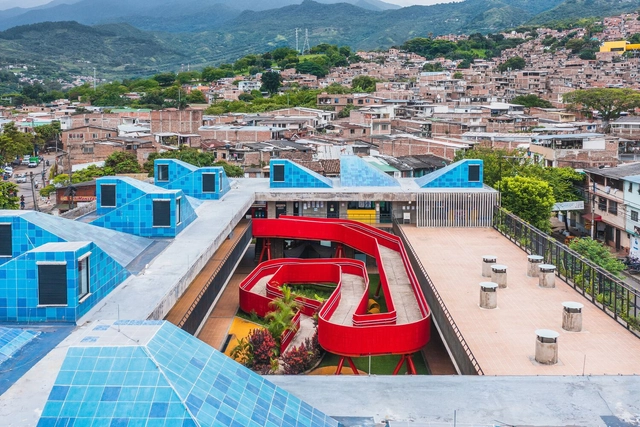
From November 20 to 23, São Paulo hosted the IV International Seminar on Favela Urbanization, bringing together discussions that bridged theory and practice to address interventions in these territories. Centered on Brazil’s realities, the seminar shed light on the political challenges and the struggle to recognize the potential of peripheral spaces. It also highlighted a shared issue across Latin America: the need for adequate funding to support transformative actions and the legitimization of these territories. Within this framework, the article underscores the critical role of high-quality public facilities in favelas and peripheral neighborhoods. These spaces not only provide access to opportunities but also foster community bonds, serving as essential hubs for social organization and collective efforts toward building a more inclusive future.

Architecture and urban planning in Latin America face deeply rooted social, environmental, and economic challenges shaped by historical inequalities, rapid population growth, and unplanned urbanization. Addressing these issues requires innovative solutions that balance housing needs, ecological preservation, and respect for local identities. Amid this complex landscape, several visionary female architects are making a difference with creative and impactful approaches.


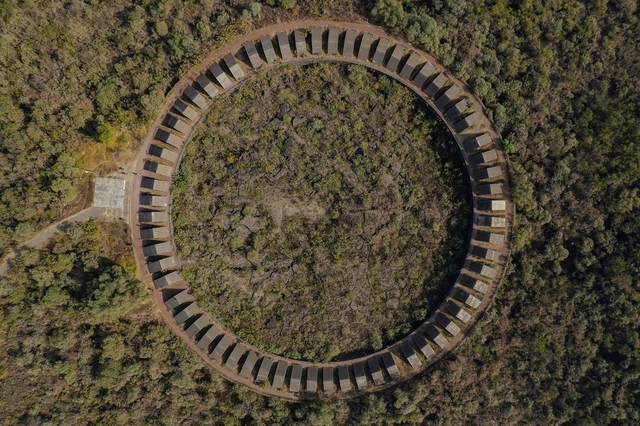
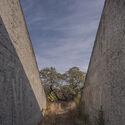
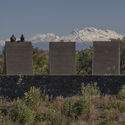
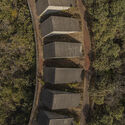
Integrating contemporary art with the landscape in a dialogue between human creation and the natural environment, the Sculpture Space of the National Autonomous University of Mexico (UNAM) represents one of the most important public artworks in Latin America. Both the Sculpture Space and the Pedregal de San Ángel Ecological Reserve at UNAM in Mexico City have recently been awarded the Carlo Scarpa International Prize for Gardens 2023-2024, granted by the Benetton Foundation for Studies and Research based in Treviso, Italy. They were recognized for their high natural, historical, and cultural value as works of preservation and collective art that emerged from a lava surface where new neighborhoods and UNAM’s University City were developed.
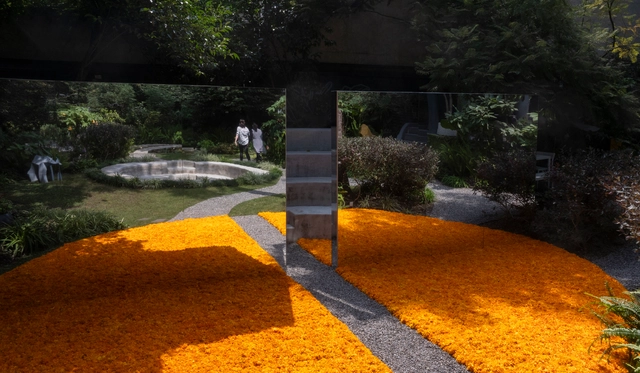
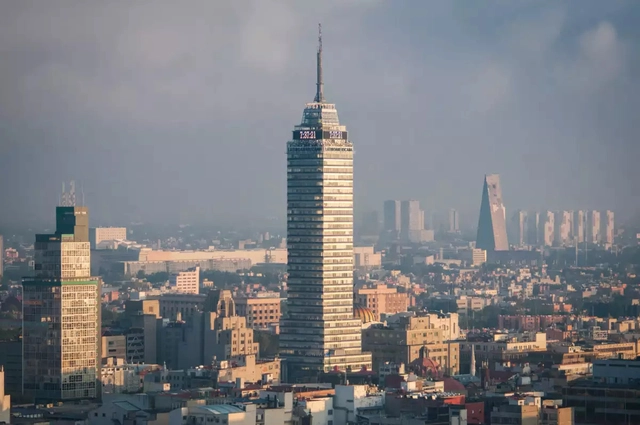
Mexico City's skyline is not just a testament to its rich architectural heritage but also a reflection of the stories, myths, and quirks embedded within its structures. From monumental landmarks to lesser-known buildings, each corner of the city holds a fascinating history that goes beyond its facade. In this article, we dive into some of the most intriguing tales that surround CDMX's most iconic buildings, offering a glimpse into the mysteries and cultural significance hidden within their walls.
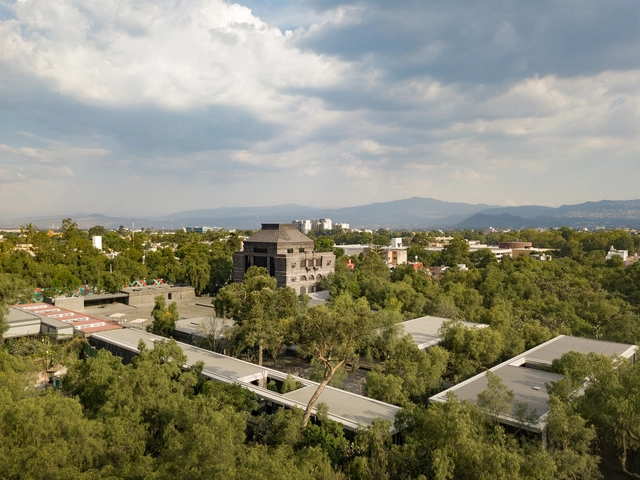
Mexico City is renowned for its abundant museums, heritage sites, and cultural richness. In fact, the capital has over 173 museums, big and small spread out through its 16 alcaldías or burroughs. The presence of these cultural spaces injects and intensifies the artistic appeal and aspect of the vibrant city. With many pioneering Mexican architects having intertwined modern art and architecture, this gave rise to iconic museums and classics of Mexican modernist architecture.
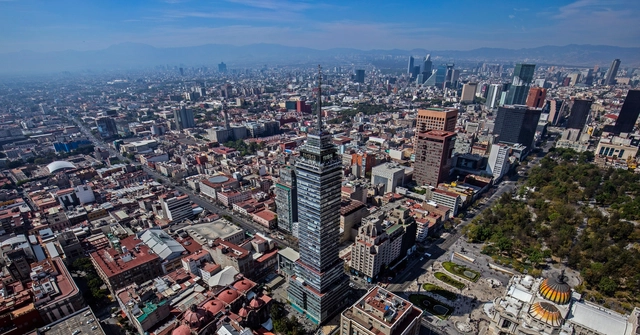
Thousands of years ago, a chain of volcanoes and hills formed a valley that became home to five lakes. According to indigenous mythology, this area served as a key reference point for the founding of the ancient Tenochtitlan, marked by the signal of an eagle perched on a cactus, devouring a snake. At the height of its splendor, the city was organized within an intricate system of causeways, many of which still serve as main thoroughfares, along with canals connecting the five water bodies. Over time, events such as colonization, independence, revolution, and modernization transformed its structure and name, leading to what is known today as Mexico City.
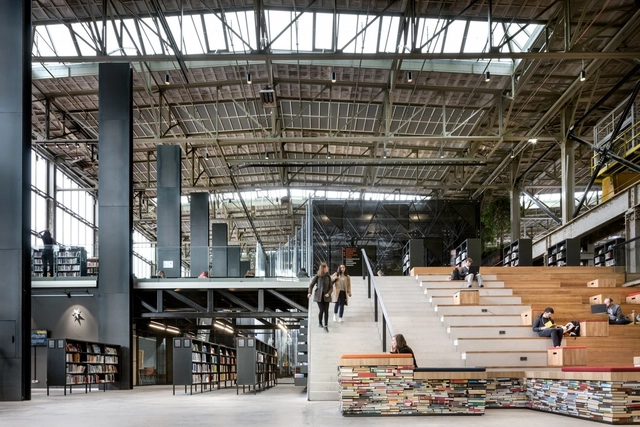
As the architectural landscape continues to evolve in response to pressing global challenges, events such as biennales, design weeks, and fairs play an instrumental role in shaping the profession's future. These gatherings facilitate the exchange of innovative ideas, the exploration of sustainable practices, and the fostering of collaboration among architects, designers, and urban planners. They serve not only as platforms for showcasing cutting-edge designs but also as forums for critical dialogue about the built environment's impact on society and the planet.
Happening worldwide from September to December 2024, a variety of significant events hope to engage the architectural community. The World Urban Forum in Cairo focuses on local sustainable actions, while Dubai Design Week showcases innovative design in the Middle East. The World Architecture Festival in Singapore features live project presentations, and the Architecture & Design Film Festival in New York offers compelling narratives critical to contemporary discourse.

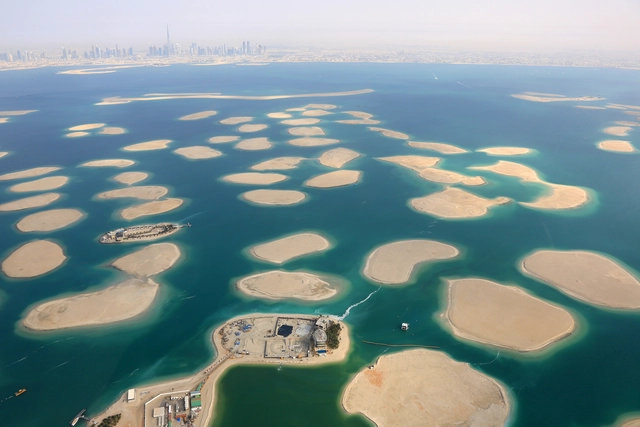
Contrary to common belief, artificial islands have a lengthy historical background in many regions worldwide. This heritage dates back to the reclaimed islands in Ancient Egypt, the hundreds of Stilt crannogs found in Scottish and Irish lakes and waterways, and the ceremonial islands constructed during the Aztec Empire. By definition, an artificial island is an island that has been constructed by humans rather than formed through natural processes. Artificial islands can be built for many different reasons, and these reasons are only increasing as the world faces the looming issue of space scarcity.
In the past, these islands were intended for ceremonial or agricultural purposes, often verging on solutions for urban space. More recently, the islands have been built to mitigate overcrowding, reclaim land, provide new urban expansions, and meet infrastructure and industrial needs. Artificial islands also have certain strategic advantages and economic gains and can lead to geopolitical benefits. However, these types of projects come at a significant cost to our ecosystem, harming the environment in severe and vast ways.
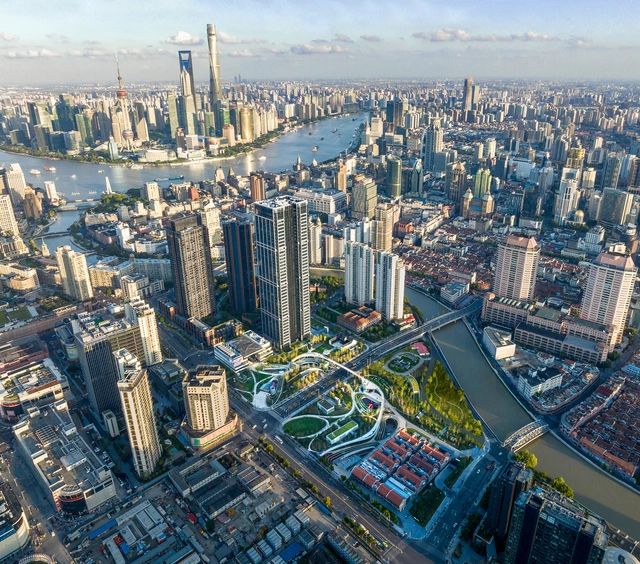
More than half of the world's population resides in urban areas, with over 4 billion people depending on cities as their main environment. According to the United Nations’ latest report on populations in cities, this number is expected to continue to increase over the next 50 years, prompting cities worldwide to strive to find better ways to accommodate their growing population while transitioning to more sustainable urban practices. To highlight this responsibility, the United Nations has declared July 11th the World Population Day.
Under this year’s theme, “To Leave No One Behind, Count Everyone,” the UN aims to also draw attention to the importance of data collection for reflecting societal diversity. The growth of world cities is part of this equation as an important measure for understanding global population trends. The following list presents the top 20 cities worldwide in 2024, ranked by the population size of their metropolitan areas. Comparing the results to the previous editions, the only cities to reduce their size are the two cities from Japan, Tokyo and Osaka. The highest growth rates can be observed in African mega-cities, Kinshasa and Lagos, while China continues to be the most present country in the list, with 5 metropolises present in the top 20: Shanghai, Beijing, Chongqing, Tianjin, and Guangzhou.
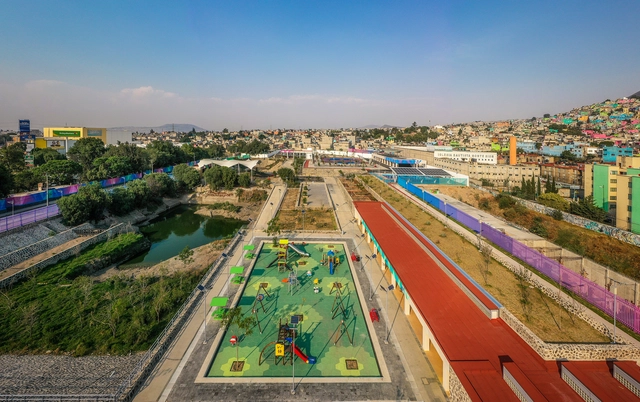
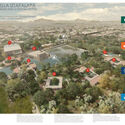
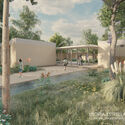
Located in Mexico City, the municipality of Iztapalapa has some of the most densely populated areas within the metropole. Serving a population of 1,800,000 people, many of them with lower incomes, the municipality struggles to provide sufficient public spaces and amenities. In an effort to correct this, the administration set out to take underutilized and abandoned plots of land and transform them for public use. Utopia Estrella is one of these initiatives. Located near Mexico City’s largest water treatment plant, the project combines a socially engaging architectural program with a pedagogical approach to the role of water infrastructures in the larger ecosystem. Designed by Cano Vera Arquitectura, the project has been recognized as the Gold Prize Winner of the Holcim Awards 2023 for Latin America. In a video interview for ArchDaily, Juan Carlos Cano of Cano Vera Arquitectura discusses the impact of this project, its goals, and the unique conditions that led to its development.