1. ArchDaily
  2. Pre-Columbian Architecture

Pre-Columbian Architecture: The Latest Architecture and News

Studio Campo Baeza and Maoda Win Competition to Design Ecuador's New National Museum in Quito

Studio Campo Baeza, based in Madrid, together with Quito-based Maoda, has won the international competition to design the new National Museum of Ecuador (MUNA) in Quito. Their proposal, titled Echoes of the Sun, was selected by a national and international jury from 17 finalist entries in the second phase of the competition. The public competition initially attracted 148 teams from around the world, with 20 shortlisted to develop design proposals before the winning scheme was announced during a public ceremony in Quito on July 6, 2026.
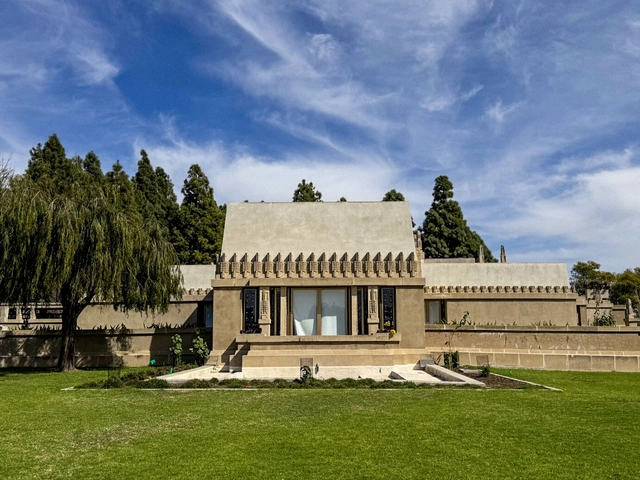
Frank Lloyd Wright’s Mayan Revival Houses in Los Angeles: Creating Atmosphere and Perception of Space

Frank Lloyd Wright's architectural legacy is vast, but among his most enigmatic and atmospheric works are his Mayan Revival houses in Los Angeles, California. Residences such as the Hollyhock House redefine the interplay of light, materiality, constructive innovation, and spatial perception. By using modular concrete blocks in an ornamental and structural way, Wright developed a unique aesthetic deeply rooted in both the past and the future.

Frank Lloyd Wright’s Mayan Revival Houses in Los Angeles: Creating Atmosphere and Perception of Space - Image 1 of 4Frank Lloyd Wright’s Mayan Revival Houses in Los Angeles: Creating Atmosphere and Perception of Space - Image 2 of 4Frank Lloyd Wright’s Mayan Revival Houses in Los Angeles: Creating Atmosphere and Perception of Space - Image 3 of 4Frank Lloyd Wright’s Mayan Revival Houses in Los Angeles: Creating Atmosphere and Perception of Space - Image 4 of 4Frank Lloyd Wright’s Mayan Revival Houses in Los Angeles: Creating Atmosphere and Perception of Space - More Images+ 6

Putucos: What A Indigenous Technique Can Tell Us About Sustainability

Subscriber Access | 

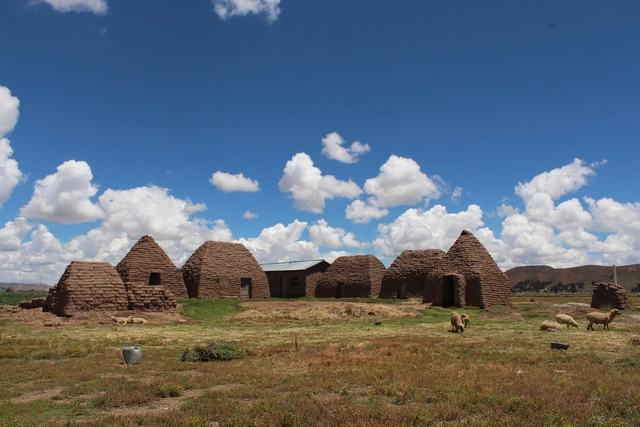
As a part of the XV Taller Social Latinoamericano architectural conference that took place in Puno, Peru, we visited the Iruito Tupi zone in Huancané province alongside Francisco Mariscal, Director of the Puno Cultural Center. For the conference, Mariscal gave a presentation on the history of putucos, pre-Columbian houses made with a mixture of earth and grass.

History has the habit of repeating itself; using the same script, just with different names, figures, and places. Some 10,000 years ago, the Altiplano and the Titicaca lake basin, wedged between modern day Peru and Bolivia, became home to hunters and gatherers who subsisted on the herds of llamas and vicuñas as well as the bounty of birds and fish.

Putucos: What A Indigenous Technique Can Tell Us About Sustainability - Image 6 of 4Putucos: What A Indigenous Technique Can Tell Us About Sustainability - Image 10 of 4Putucos: What A Indigenous Technique Can Tell Us About Sustainability - Image 14 of 4Putucos: What A Indigenous Technique Can Tell Us About Sustainability - Image 16 of 4Putucos: What A Indigenous Technique Can Tell Us About Sustainability - More Images+ 12