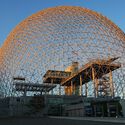
In 1962, architect Buckminster Fuller imagined a floating city that would free humanity from its dependence on Earth. The hypothetical project consisted of massive airborne geodesic spheres that would naturally levitate on warm, sun-heated air and be anchored to mountaintops. Designed to house thousands of people, Fuller's Cloud Nine aimed to ease land ownership politics and housing shortages while helping preserve nature.
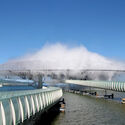
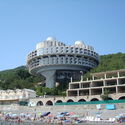
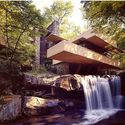
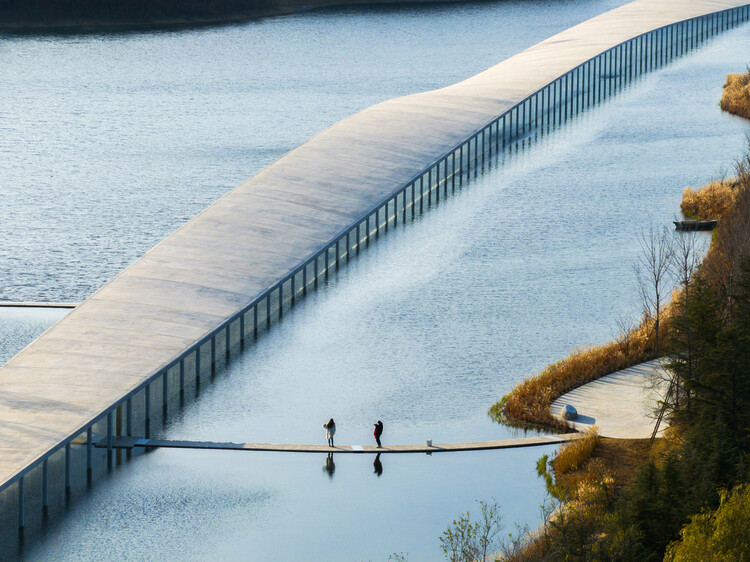
More than half a century later, we remain far from realizing Fuller's vision. Creating a truly floating structure on Earth's surface remains, so far, an unattainable ideal. While structural supports remain a necessity, we manipulate their position, intensity, and quantity, performing acrobatics to at least approach the idea of overcoming gravity—a desire that has long fascinated humanity.