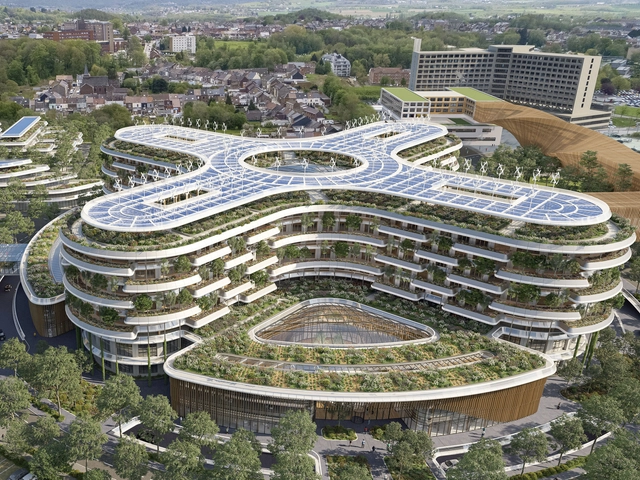
This curated selection of the Best Unbuilt Architecture highlights projects submitted by the ArchDaily community that demonstrate the use of organic shapes in various forms of architecture and program use. Many times, organic architecture stands as a testament to what we are able to make in 2024, innovating in structural and material technology. From Vincent Callebaut’s HospiWood to Zomorrodi & Associates’ Cadence Art Center, these instances showcase this shift in desigin thinking. Whether its a residential villa in the United States or a resort centered around a curved pool in the Netherlands, organic architecture has been trending globally.
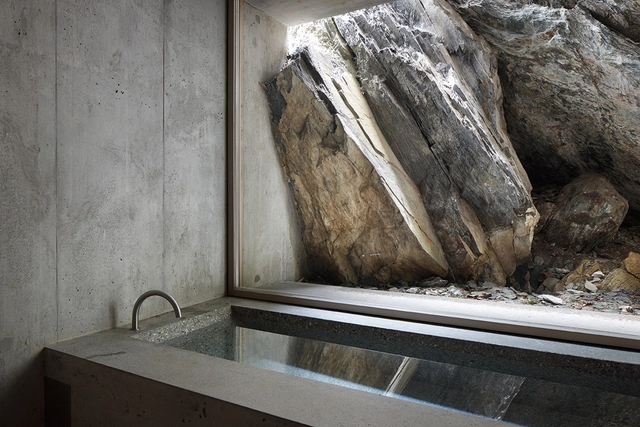
Although they are an integral and necessary space in residential architecture, the wide variety of design opportunities for bathrooms has often remained overlooked in favor of practicality. Historically programmed for privacy, the contemporary bathroom has been reimagined for a greater sense of openness and comfort - finding a delicate balance between privacy and exposure is facilitated by design objects such as the tub.
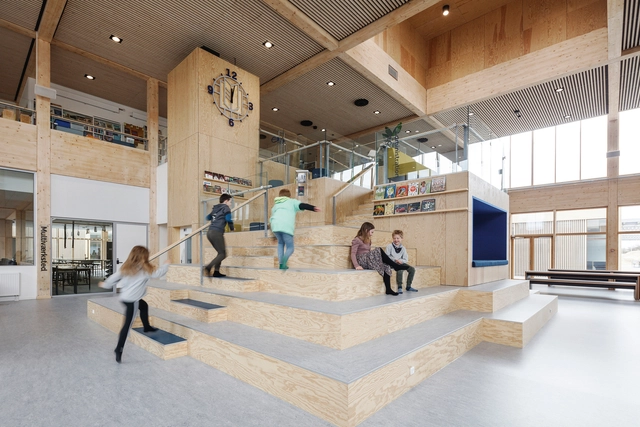
With spaces for children, “you have the opportunity to create architecture that in many ways is unformulated architecture. Children react to spaces completely spontaneously. It is almost an enhanced architecture”, says Dorte Mandrup. The implication is that design can contribute to forming critical thinking, encouraging autonomy, and responsibility, and helping forge future citizens. For the most part, the educational system and its spatial expression haven’t changed significantly in the last hundred years. Nonetheless, with access to information becoming ubiquitous, the focus is slowly moving from accumulating information to nurturing critical thinking, and new teaching methods open up a new area of architectural experimentation. The following explores the impact of space on learning, specifically in primary and secondary education, discussing how architecture could aid the educational process, becoming a teaching tool.
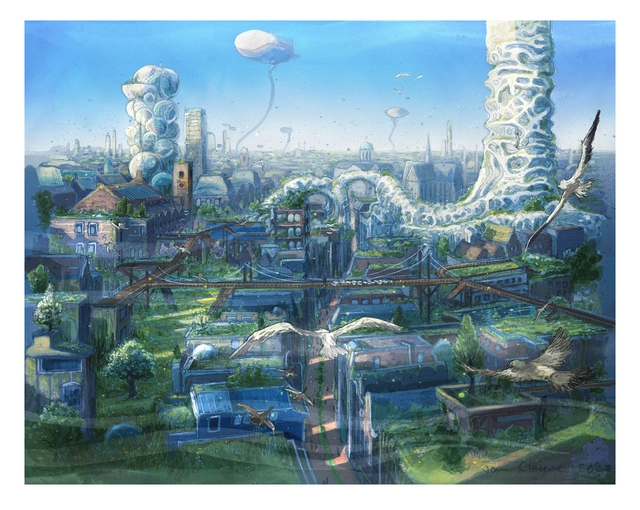
Studio Monnik, 'Alles Komt Goed', 2023. ‘Poreuze Stad’, Illustratie van Jan Cleijne. Een toekomstscenario voor Amsterdam in 2089. Image Courtesy of Het Nieuwe Instituut
Still, the country faces expected and unexpected challenges, from an acute housing shortage to raising concerns regarding climate change and shifting ideas of ecology. In the words of curator Suzanne Mulder, the country is “once again on the drawing board,” as architects, urban planners, and designers are reopening conversations about the future by looking at past lessons. To come to their help, Rotterdam’s Nieuwe Instituut is organizing the exhibition ‘Designing the Netherlands: 100 Years of Past & Present Futures.’
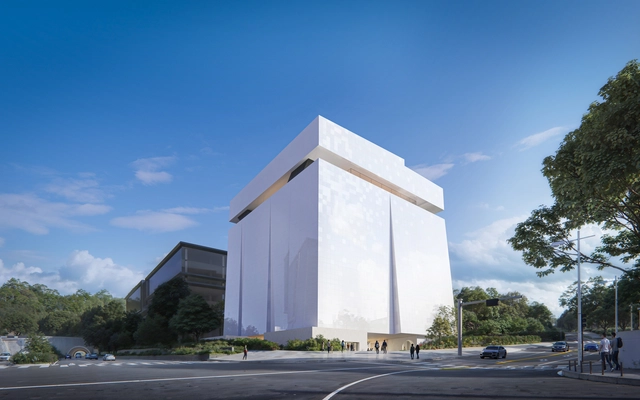
Herzog & de Meuron has revealed the design for the Seoripul Open Art Storage, a collective archive space that will serve three museums in Seoul: the Seoul Museum of Art, the Seoul Museum of Craft Art, and the Seoul Museum of History. Going beyond the archive program, the proposal aims to open up the building to visitors, transforming the art storage into a dynamic civic space. Located on the Eastern Border of Seoripul Park, the building is characterized by a pyramidal glass structure set in a garden that functions as a secluded outdoor space for Archive/Museum visitors.
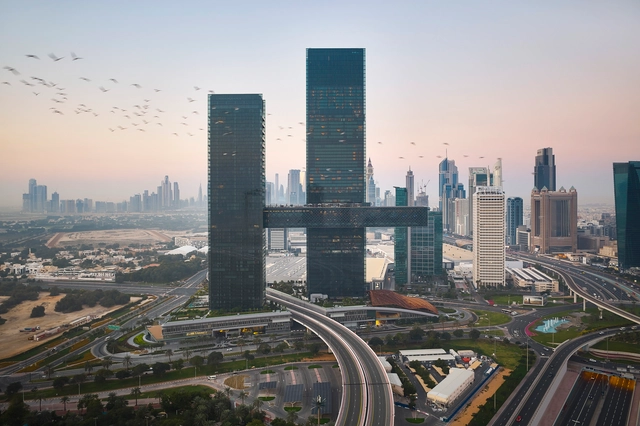
Japanese design firm Nikken Sekkei has just completed a new building in Dubai’s central financial district, encompassing the “World’s Longest Cantilever,” which floats 100m above ground. Compromising two towers connected by an enclosed horizontal bridge, “One Za’abeel” acts as a new point of entry into the city. Designed to be a symbol of Dubai’s growth and expansion, the project offers easy access to the downtown region. The scheme features restaurants, retail spaces, workspaces, and urban hotel accommodations.
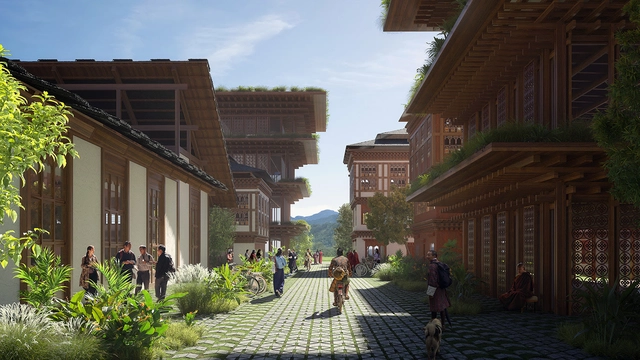
BIG unveils "Mindfulness City", which unites historical heritage and the future of Bhutan. Courtesy of Bjarke Ingels Group
Recently, the renowned Danish office BIG announced the launch of its project for the city of Gelephu in Bhutan. This masterplan is inspired by the country's culture and its principles of happiness. The "Mindfulness City" aims to offer numerous possibilities for public engagement, fostering investments in infrastructure, education, and sustainable technologies—all aligned with the precepts of Gross National Happiness (GNH).
About two weeks ago, I received an intriguing email from Jeff Speck, the author of two of the most influential books on urban planning in the past two decades: Suburban Nation (2010; co-authored by Andrés Duany and Elizabeth Plater-Zyberk) and Walkable City (2012; reissued in 2022 with new material). The press release it contained announced the formation of a new partnership, SpeckDempsey, “a new planning and design firm serving government, non-profit, and private clients.” Prior to this, Speck was a potent and highly visible one-man band spreading the gospel of walkable cities. After spending a decade as director of town planning at Duany and Plater-Zyberk’s firm, Speck served as director of design for the National Endowment for the Arts before setting up Speck & Associates in 2007. Now he has joined forces with Chris Dempsey, a Boston-area transportation advocate, with the joint goal of bringing walkable city practices to scale. Last week, I talked to them about their new partnership, their methodology, and their plans for the future.
The relocation of a capital city is a complex urban decision with various dimensions and consequences for both the old and new capital. It can be driven by political, economic, societal, and other factors, and has urban and architectural implications for residents. These include factors such as location, planning, building design, the purpose of the old capital, climatic conditions, and separating the political/administrative hubs from cultural and economic cities.
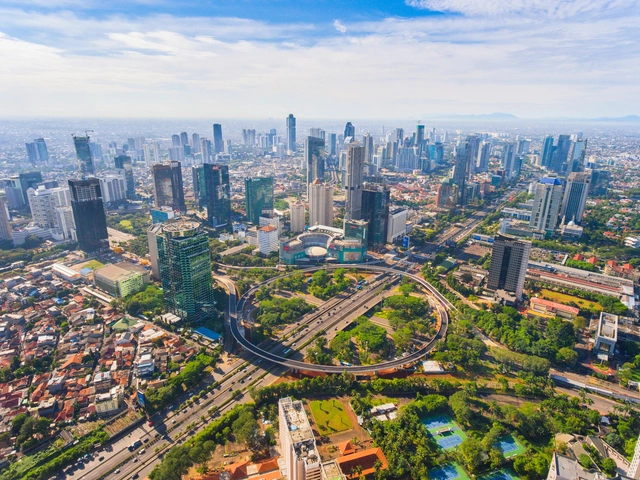
In light of the ongoing urban discourse, countries like Egypt are constructing a new capital city to alleviate population and urban stress on Cairo. Similarly, Indonesia is planning a new capital in response to challenges faced by Jakarta, such as pollution, traffic congestion, and rising sea levels. It is valuable to examine other countries in the global south that have relocated their capital cities, noting the architectural and urban lessons learned from their experiences.
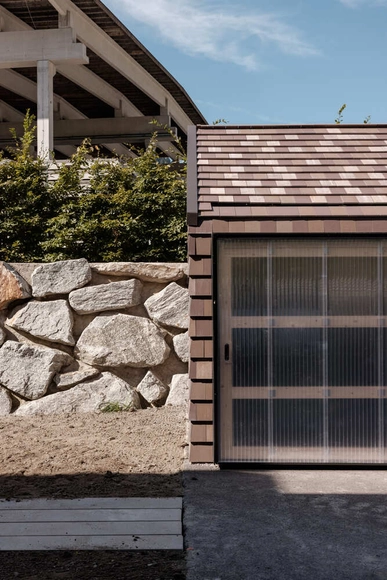
pixel application. Image Courtesy of Rieder Group / Florian Voggeneder
Nowadays, the concepts of reducing waste and upcycling have experienced a remarkable expansion in various fields of architecture, driven by the need to change the paradigm of consumption habits in both society and industry. This wave not only responds to sustainable approaches but has also demonstrated significant benefits in economic terms. Today, the transformation of various resources, from excavated earth to agro-waste and plastics, is being carried out to create new materials, thus consolidating the efficiency and feasibility of more environmentally friendly practices.
Within this context, technology and data have contributed significantly to a better understanding of materials and to exploring new processing methods. In this regard, artificial intelligence has become a valuable ally. In addition, innovations in software have made it possible to maximize the potential of what was previously considered waste. Correspondingly, Rieder has introduced a product innovation named pixel, aimed at minimizing waste in the production of facade elements constructed from glass fiber-reinforced concrete.
https://www.archdaily.com/1012597/transforming-waste-into-pixels-of-glassfiber-reinforced-concreteEnrique Tovar
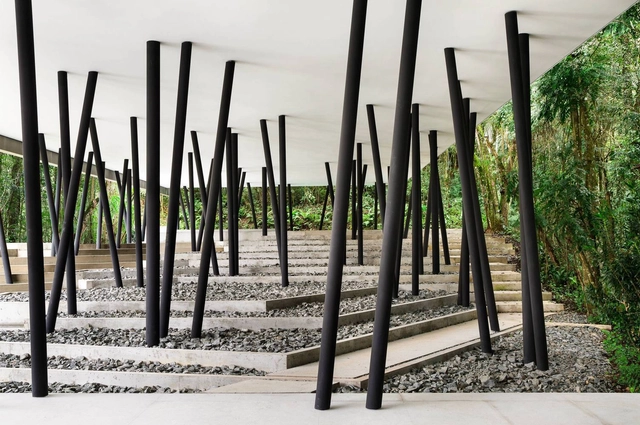
Poplar Assembly / Francisco Javier García García . Image Courtesy of Concéntrico
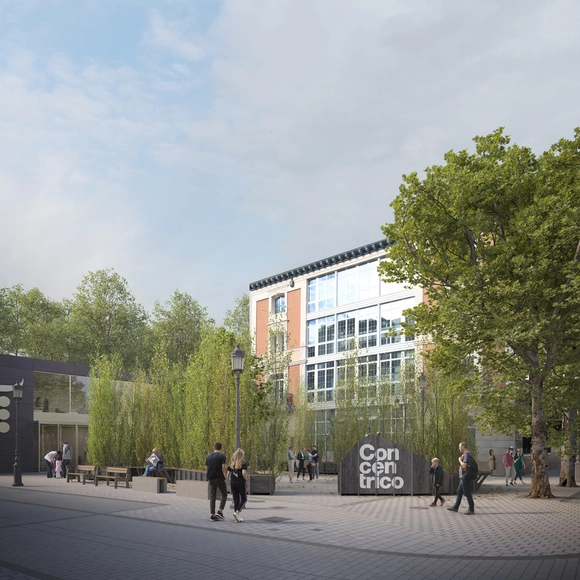
Now in its 10th edition, Concéntrico, the international festival of architecture and design in Logroño, has announced the winners of the open calls for urban interventions. Responding to the call to ‘Celebrate the City,’ the winning proposals will be temporarily built in Plaza Escuelas Trevijano, in Viña Lanciano of Bodegas LAN, and in Paseo del Espolón in the Spanish town of Logroño. The Festival welcomes visitors between April 25 and May 1, 2024, to explore the city through installations, exhibitions meetings, and performances.
The unique language employed by each architect serves as the foundation for analyzing their work. Over time, this distinctive style becomes more evident, allowing for the identification of past influences and references. Simultaneously, it showcases a continuous evolution of this language, manifesting as a formal progression that aligns with the contemporary context. The projects by Studio Guilherme Torres serve as exemplary instances of this developmental journey, spanning from its inception to the present day.
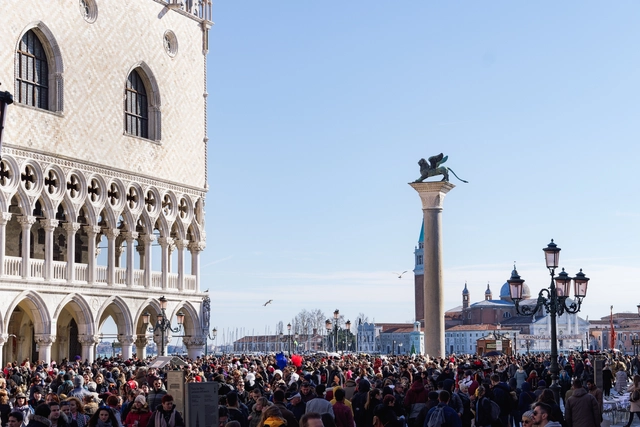
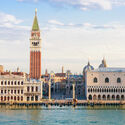
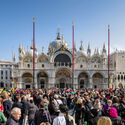
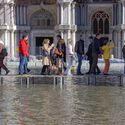
Venice authorities have launched a pilot program for their long-term discussed plan to introduce fees for day-trippers visiting the city. The program, which has been delayed several times citing logistical issues, was officially launched on January 16th, when the online payment platform became operational. While the scope of the program is expected to expand, for now, it will be applied only on certain days during the most crowded season, between April 25 and July 14.
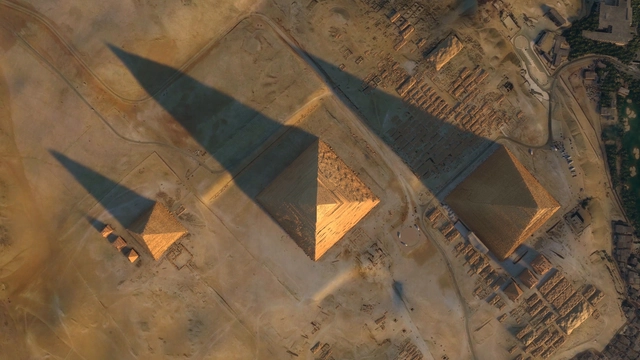
Renovation work on Egypt’s infamous Menkaura Pyramid at Giza has sparked criticism on online platforms over the past two days. Dubbed by the head of Egypt’s Supreme Council of Antiquities as “the project of the century,” the ongoing renovation aims to restore the pyramid’s original style by reconstructing the granite layer. Initially, the pyramid was encased in granite and lost part of its covering over time.
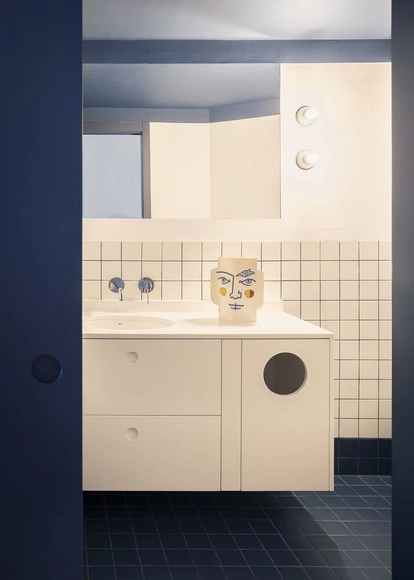
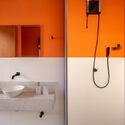
Give your bathroom a fresh look with a modest investment, avoiding the hassle of extensive construction. Transform the space by adding plants, reconsidering lighting, or experimenting with new colors. If opting for a color change, explore painting the walls or tiles to revitalize the environment. To assist you in this endeavor, we present the perfect paints for the job along with inspiring projects to spark your creativity
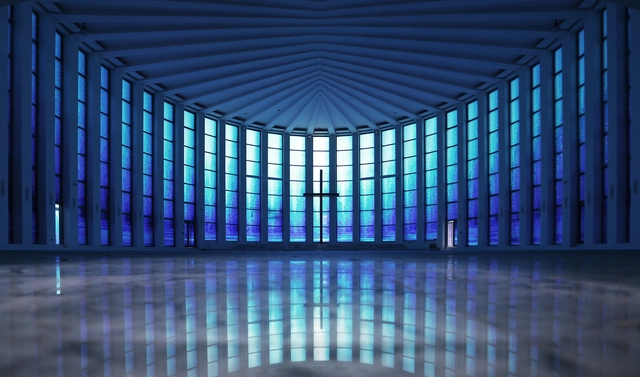
Whatever religion we classify ourselves as – or even if we actively renounce or denounce organized religion in all its forms – the one aspect of Christianity those in predominantly Christian countries are touched by at some point in their lives, is the classical aesthetic of church architecture.
Whether we actively attend church multiple times a week, begrudgingly once or twice a year, or once every ten years for one of life’s trinity of events: births, deaths, and marriages, while there we’re struck by the soaring arches, intricate stonework, and, on a sunny day, the spiritual beauty and colorful rainbows of light that stream through stained glass windows.
Welcome to the latest edition of the ArchDaily Building of the Year Awards, celebrating over 15 years of architectural excellence and innovation. This award has evolved into the pinnacle of democratic recognition within the architectural community, with an unprecedented participation of over 4,000 projects annually. Powered by the collective voice of our passionate readers worldwide, ArchDaily’s annual award stands as a beacon of impartiality, showcasing the most outstanding projects that shape our built environment.
As we embark on this journey once again, we invite you to join us in honoring the diversity, creativity, and ingenuity showcased by architects and designers across the globe. Through the democratic process of voting, our readers become integral participants, contributing to a shared vision of architectural greatness. Together, we continue to redefine and elevate the standards of excellence, ensuring that the most deserving projects receive the recognition they deserve.
"If the cement industry were a country, it would be the third-largest emitter of carbon dioxide in the world, with about 2.8 billion tons, surpassed only by China and the United States." This statement in Lucy Rodgers' BBC report on the ecological footprint of concrete stands out as quite shocking. With more than 4 billion tonnes produced each year, cement accounts for around 8 percent of global CO2 emissions and is a key element in the production of concrete, the most manufactured product in the world. To give you an idea, about half a ton of concrete is produced per person in the world every year, enough to build 11,000 Empire State buildings. With these huge numbers, is there any way to reduce this impact?
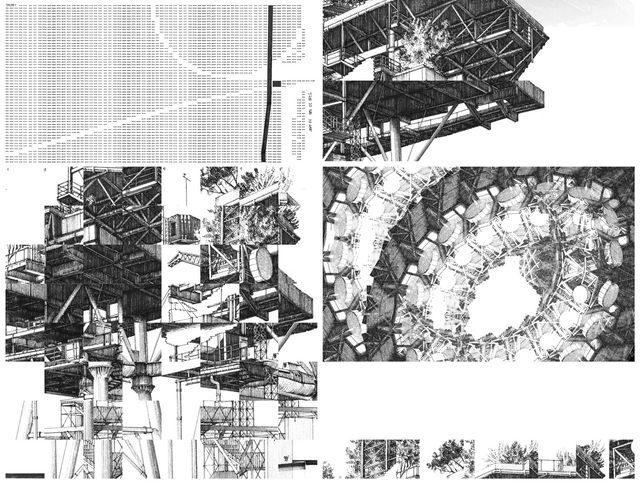
‘(Re)membering the See Monster' by Eldry John Infante - Overall Winner . Image Courtesy of WAF
The World Architecture Festival and Prize, together with co-curators Make Architects and Sir John Soane’s Museum, have announced Filipino Architect and Illustrator Eldry John Infante as the Overall Winner of the 2023 Architecture Drawing Prize. The awarded drawing, titled ‘(Re)membering the See Monster,’ is a mixed-media representation of a defunct oil platform. The image aims to invite conversations on the topic of reuse, going beyond the structure’s physicality.
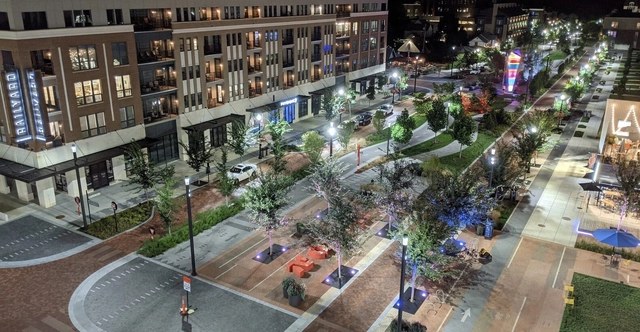
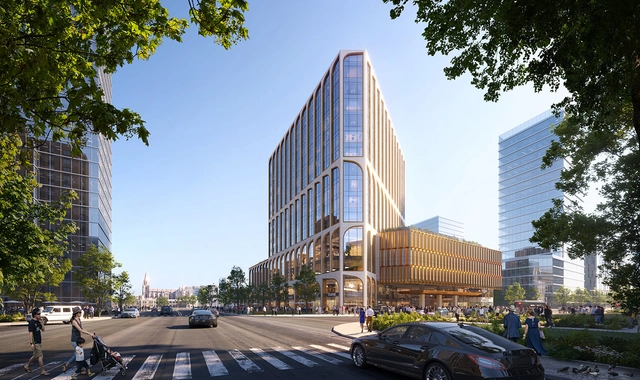
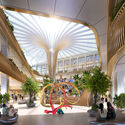
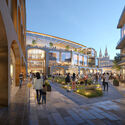
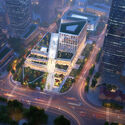
Goettsch Partners has recently won a design competition for an expansive urban renewal initiative in Jinan, China. Spanning three parcels, encompassing a total area of 111,500 sqm, the scheme is situated alongside the infamous Honglou Plaza. Positioned at the city’s center, Honglou Plaza holds historical significance as home to one of the region’s oldest cathedrals. The competition aimed to introduce concepts that would re-energize the regional core, through a design centered on pedestrian engagement.
Within a city, various factors are taken into account when it comes to housing, such as location, proximity to services, mobility, access to natural light, view, and noise levels. These considerations are particularly crucial in densely populated areas, with a stronger relevance to apartments in high-rise buildings. In contrast, when designing a house, specific factors are inherently addressed. It is assumed that a single-family residence is situated away from busy city centers, leading to longer commutes for services. The availability of natural light is influenced by the location of the building on the land, and noise is minimized because residential areas are usually away from bustling urban environments.
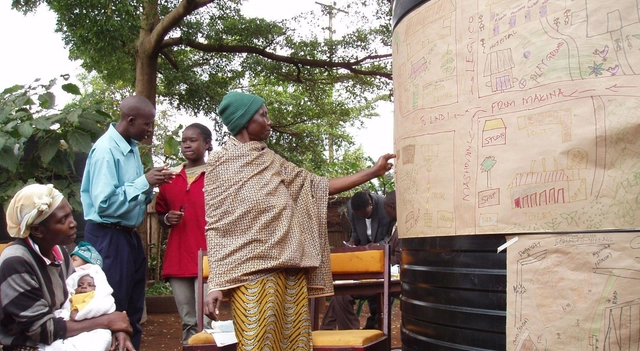
Women-led community planning session in Kibera, Nairobi, Kenya / Kounkuey Design Initiative (KDI). Image Courtesy of The Dirt
"We are focused on creating a just public realm," said Chelina Odbert, Hon. ASLA, CEO and founding principal of Kounkuey Design Initiative (KDI), at the National Building Museum in Washington, D.C. And by just, "we mean free, inclusive, accessible, unbiased, and equitable". A "just public realm is open to everyone.” There is unlimited access to streets and public spaces so people can travel to school and work and be full members of their communities.
Unfortunately, the public realm is instead often “intimidating, exclusionary, inaccessible, unjust, and inequitable” for many women, LGBTQIA+ people, people with disabilities, and people of color. Landscape architects, planners, and others need to understand who feels safe and comfortable in public spaces or there is a risk of perpetuating inequalities, Odbert argued.
https://www.archdaily.com/1012717/designing-spaces-that-are-good-for-women-and-everybody-elseJared Green