


-
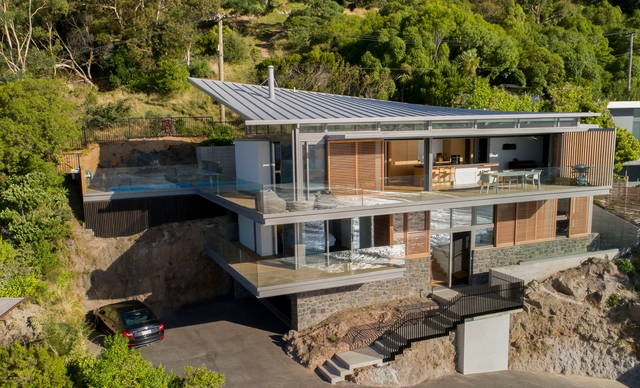
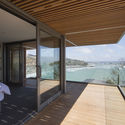
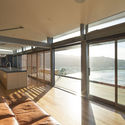
Architects: Borrmeister Architects
- Area: 250 m²
- Year: 2017
-
Manufacturers: Miele, Bosch, Calder Stewart, Hebel, Rais


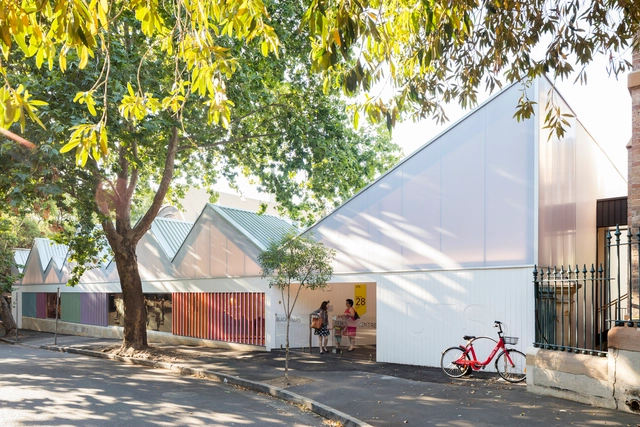
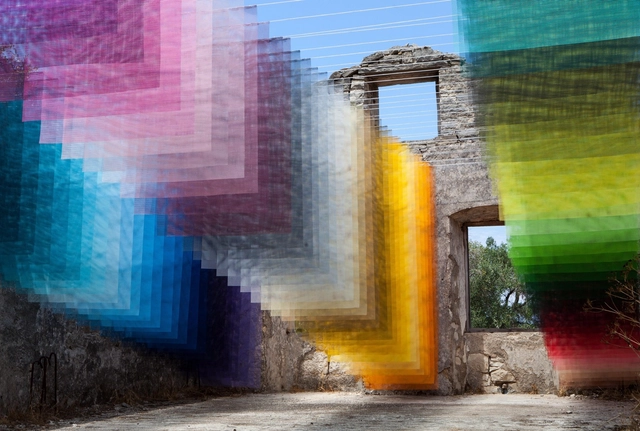
Founded by the Hanover and Berlin-based artists Thomas Granseuer and Tomislav Topic, Quintessenz has its roots in both graffiti-culture and chromatics. Combine painting, moving image, and installation, their work uses patterns and shapes found in architecture to change perceptions of space. Using old factory buildings as their canvas, Quintessenz consistently aims to create space for color. In every medium they use, color is the content itself.


Architects are called upon to build society’s greatest structures. We marvel at the museums, performing arts centers and spaces of worship that dot the globe and represent the peculiarities of the world’s many cultures. Yet, at the core of the roles and responsibilities of the architect lies a calling for a far more elemental human need: shelter.
This doesn’t imply that architects are always involved in the creation of all the forms that shelter takes. However, a deep understanding of how people dwell provides an appreciation of the diversity, resilience, alacrity of the human race. The Human Shelter, a documentary about what people value or “need” in their lives, ties into a fundamental quality that any architect would be foolish not to cultivate: the ability to listen and perceive what makes people feel at home.

.jpg?1533819236)


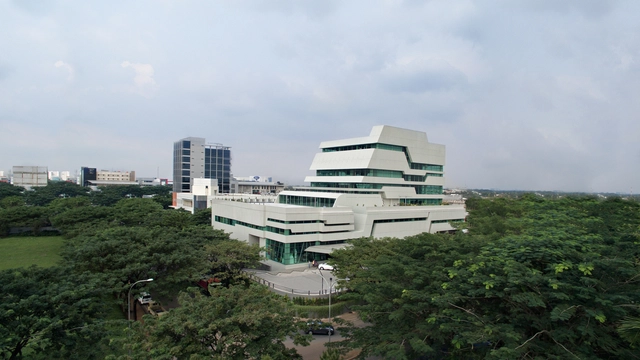
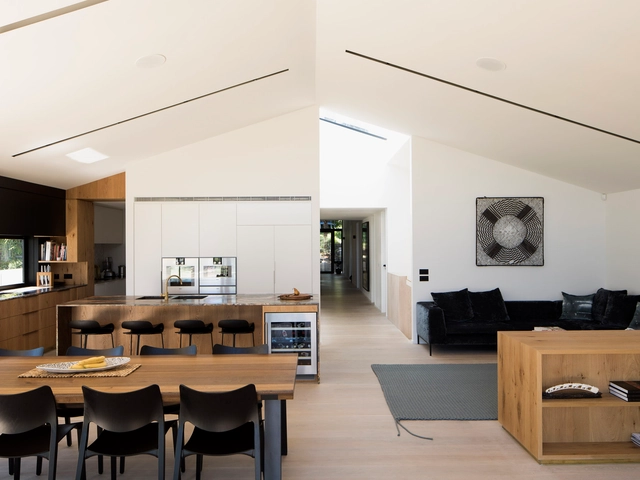
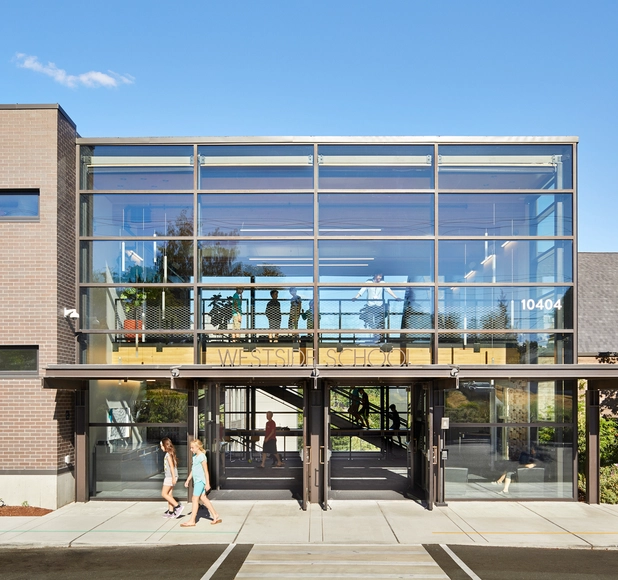

Opening next month, the London Design Biennale returns with an impressive cast of characters. In its second iteration, the Biennale begins September 4 under the theme ‘emotional states’ and will run until September 23. After the 2016 inaugural launch, the event has expanded to include 40 countries, cities and territories. Taking over Somerset House, including the Edmond J. Safra Fountain Court and River Terrace, the event will explore ideas ranging from social equality and pollution to migration and cities.

American artist Michael Velliquette has produced his latest series of paper-based artwork, creating intricate paper models of sacred architecture. His hand-cut paper shapes are assembled into complex forms “akin to sacred architecture and three-dimensional mandalas.”
Prioritizing formal symmetry, balance, and order, the models aim to evoke “a sense of visual equanimity” through a restrained palette of neutral or monochromatic tones.









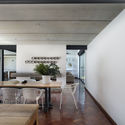


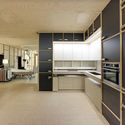
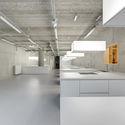
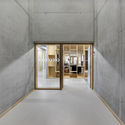


.jpg?1533819344 "© Fernando Gomulya")
.jpg?1533819262 "© Fernando Gomulya")
.jpg?1533819451 "© Fernando Gomulya")
.jpg?1533819100 "© Fernando Gomulya")
.jpg?1533819236)





.jpg?1531885057)
.jpg?1531885115 "© Arch-Exist")
.jpg?1531884792 "© Arch-Exist")
.jpg?1531885105 "© Arch-Exist")
.jpg?1531885045 "© Arch-Exist")
.jpg?1531885057)






















.jpg?1533918782)