

-
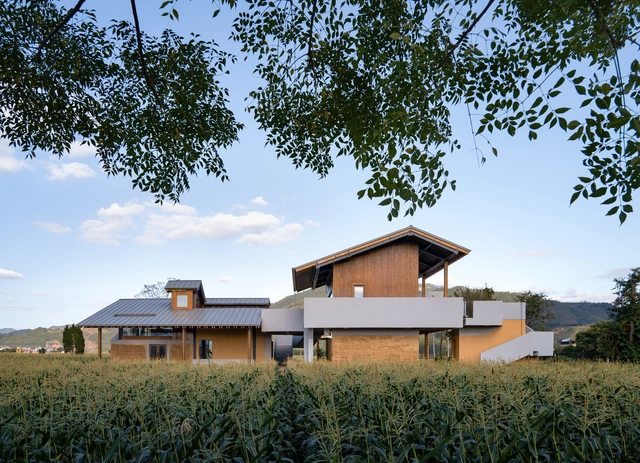
Architects: SuiPingYiLi Architecture Studio
- Area: 598 m²
- Year: 2024


The Arabian Peninsula represents one of the world's leading exporters and users of fossil fuels, an economic reality that influences the area's visions for the future and, implicitly, architecture and urban planning's role in these scenarios. A number of emerging offices are however countering these narratives, turning to contextual research to reframe the area's production of architecture. Among these, cultural practice Civil Architecture has become recognized for its provocative works that explore alternative narratives for the identity of the Middle East. While in Bahrain, ArchDaily's Christele Harrouk had the chance to sit down with Ali Karimi, who, together with Hamed Bukhamseen, co-founded Civil Architecture. In the video interview, they discuss the practice of architecture in the Gulf region and the narrative and research-focused approach of the office.
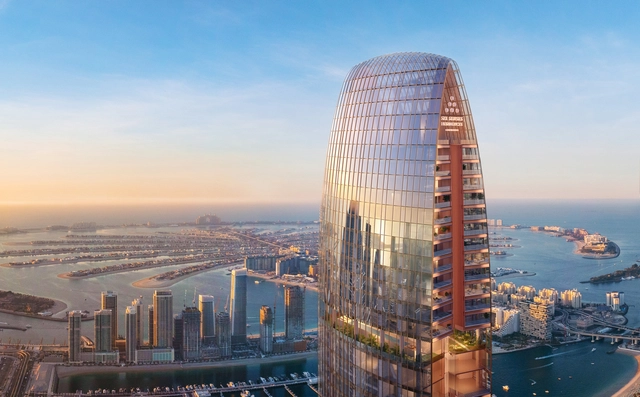
As the global population continues to rise, dense cities face mounting challenges in catering to the needs of billions of people living and working in urban areas. Architects have long explored the skyscraper typology as a solution to these challenges, integrating commercial spaces and public amenities within residential buildings to create all-inclusive experiences for tenants. Over the years, skyscrapers have evolved into multifaceted vertical communities that aim to address the complexities of urban living.
Every year, the Council on Tall Buildings and Urban Habitat (CTBUH) ranks the tallest buildings worldwide, encompassing completed projects, those under construction, and proposed developments. In this updated 2024 article, ArchDaily presents a list of the 25 tallest buildings currently under construction, along with their expected completion dates. These skyscrapers showcase the latest innovations in architecture, engineering, and urban planning.
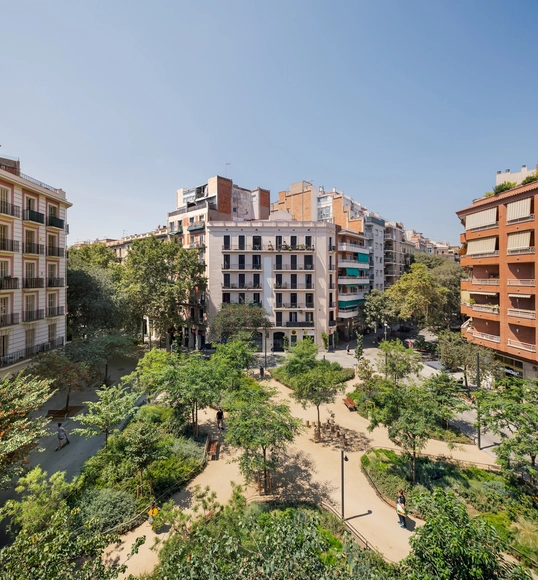
The journey toward renaturalizing urban spaces is an ongoing effort that began as early as the 1970s and continues to shape cities worldwide today. From transforming highways into vibrant parks to restoring waterways and integrating nature into urban planning, these projects reflect a shared commitment to sustainability, livability, and resilience. In Portland, the 1978 creation of Tom McCall Waterfront Park set a pioneering example by replacing a highway with green spaces. Decades later, Boston followed with the Rose Kennedy Greenway, reclaiming land from the elevated Central Artery.

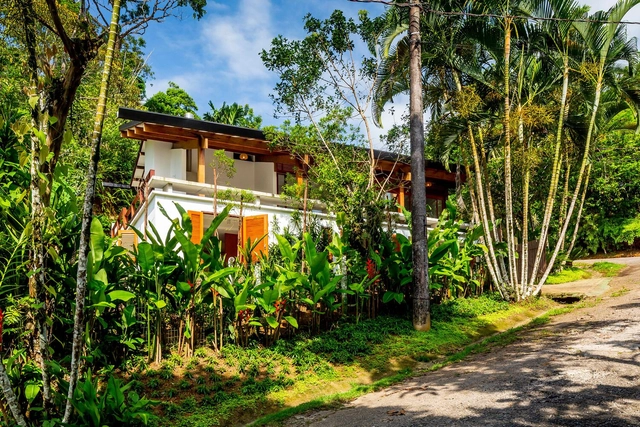
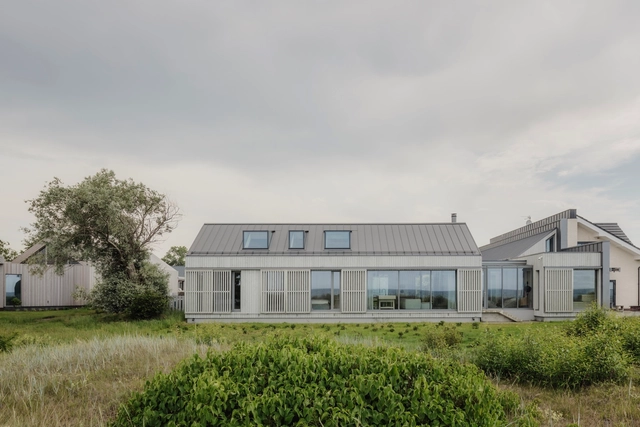
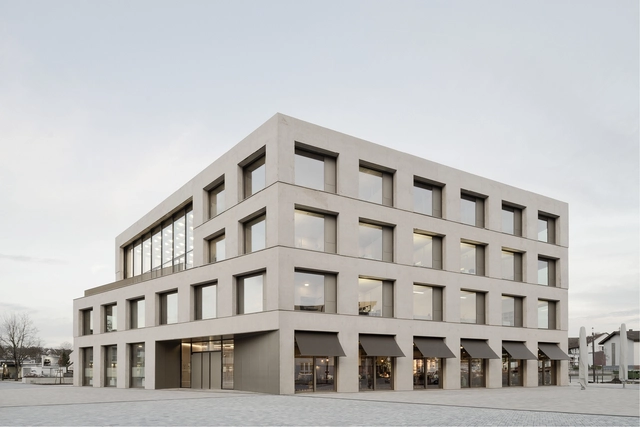
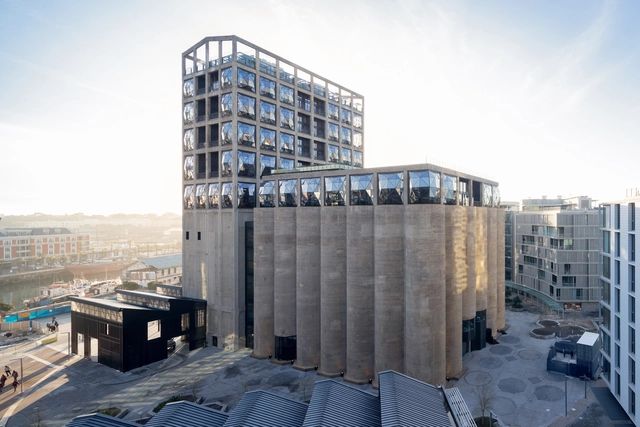
Silos hold a significant place among the remnants of the industrial era, distinguished by both their technological innovations and their iconic presence in urban landscapes. Typically cylindrical and made of reinforced concrete, these structures effectively addressed the demands and challenges of industrialization, providing a robust and economical solution for storage. However, throughout the 20th century, with the advent of new logistics and the relocation of activities from some urban centers to expanding areas, many of these silos were decommissioned.
However, despite their enclosed design appearing to be an obstacle for new uses, recent decades have seen initiatives that embrace and repurpose these structures. These projects integrate silos into the urban environment, emphasizing their significance as part of the local collective memory.
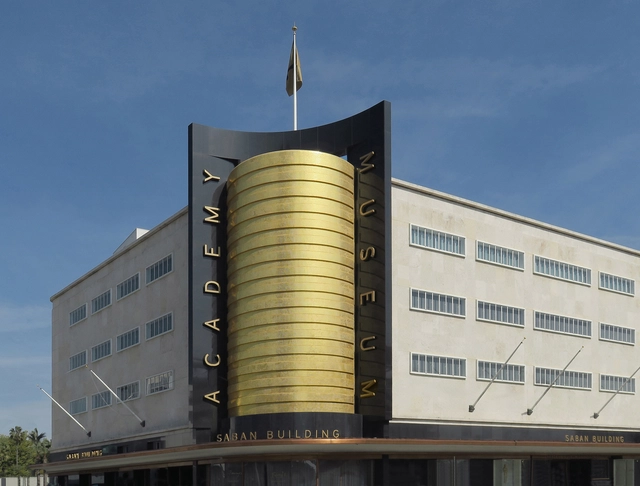
This Oscars Season, photographer Paul Clemence turned his lens to the Academy Museum of Motion Pictures, the most famous institution dedicated to the art and science of movies. Designed and revitalized by Gensler and Renzo Piano Building Workshop, the building is located on the famed 'Miracle Mile' in Los Angeles, opening with expansive views towards Hollywood. This year, the museum opened its rooftop terrace for the Oscars Night at the Museum, a unique event to celebrate the 96th Oscars.
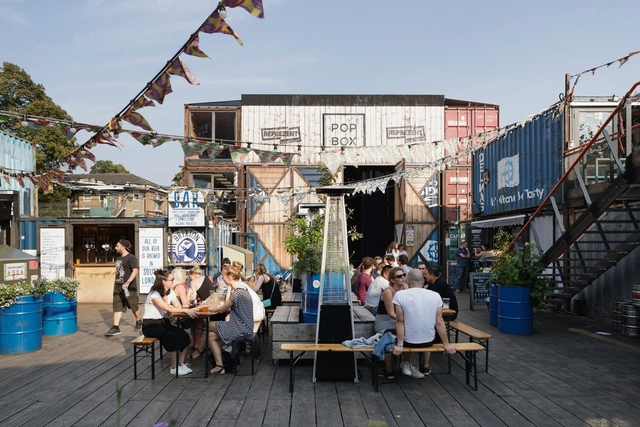
A "meanwhile space" refers to the temporary use of an otherwise vacant area—whether it's an empty shop, a disused building, or a site awaiting redevelopment. The concept revolves around making productive use of these spaces during the interim period before a long-term purpose is established. Essentially, it's about what happens in the meantime, turning unused spaces into vibrant, functional places during periods of uncertainty or transition.