1. ArchDaily
  2. 1968

1968: The Latest Architecture and News

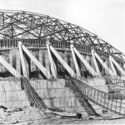
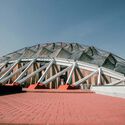
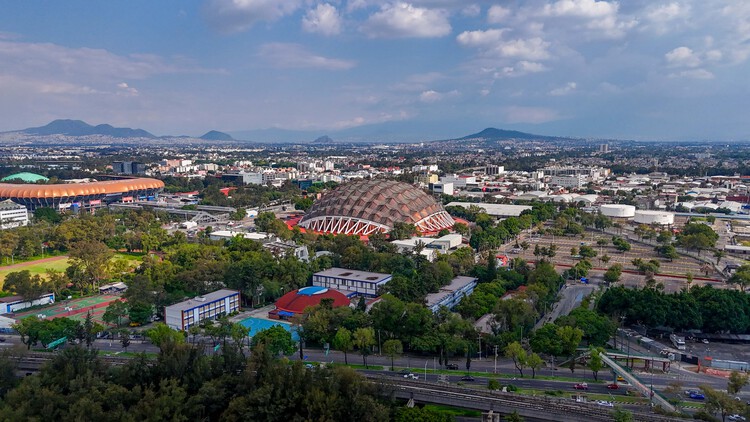
Beyond the Shell: Félix Candela’s Palacio de los Deportes for the 1968 Mexico Olympics

When Mexico City hosted the Olympics in 1968, it was the first time the Games had been awarded to a Latin American country as well as the first time for a Spanish-speaking nation to host them. This made the games a good opportunity to project Mexico and its culture internationally, thus prompting the government to constitute an organizing committee with prominent local talent. They appointed Pedro Ramírez Vázquez as its president, a Mexican architect who held significant influence over the state's mid-century building program. His approach was explicit: architecture as a synthesis of international modernist technique with Pre-Columbian references and local material culture. Under his direction, the committee would oversee the construction and adaptation of venues distributed across the southern districts of Mexico City, nearly all designed and built by local architects, engineers, and technicians.
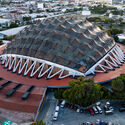
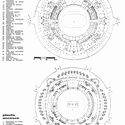
Beyond the Shell: Félix Candela’s Palacio de los Deportes for the 1968 Mexico Olympics - Image 1 of 4Beyond the Shell: Félix Candela’s Palacio de los Deportes for the 1968 Mexico Olympics - Image 2 of 4Beyond the Shell: Félix Candela’s Palacio de los Deportes for the 1968 Mexico Olympics - Image 3 of 4Beyond the Shell: Félix Candela’s Palacio de los Deportes for the 1968 Mexico Olympics - Image 4 of 4Beyond the Shell: Félix Candela’s Palacio de los Deportes for the 1968 Mexico Olympics - More Images+ 7

Words on the Street: Art, Architecture, and the Public Protest

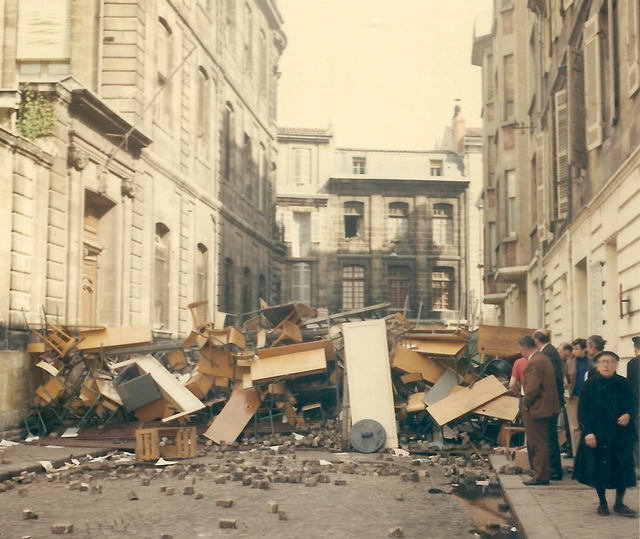
This article was originally published as "What Marchers Today Can Learn from the May 1968 Protests in Paris" on CommonEdge in May 2018. In the 50 years since the historic and worldwide protests of 1968, much has changed. But today's political climate seems equally volatile, with seismic changes threatening social and political establishments across the globe. Lessons from the past are, to borrow the phrase of the moment, more relevant than ever.

American friends recently sent an email: “What’s going on with the French political system? Why all the strikes? What about the endless protest marches? We’d like to visit you in Paris, but we’re a little wary.”