1. ArchDaily
  2. AAA

AAA: The Latest Architecture and News

Beyond Private Dining: Exploring the Communal Table as Public Space Infrastructure

The habit of sitting at the table and sharing a specific moment with other people has been present for centuries in the most diverse cultures. The Greek Symposium, Roman Convivium, Medieval Feasts and Banquets, and Parisian Salons are just a few examples of how this custom was historically built and has been relevant in social and political negotiations, intellectual discussions, and philosophical debates.

Commensality often serves as a ritual for bonding, negotiation, and celebrating important events. In many Spanish-speaking cultures, the stretch of time after the meal when the entire family stays seated and talks is so present that there is a word for it: sobremesa — literally translated as "upon the table" (though in Spanish it more accurately means "dessert" or "after-meal conversation"). But, despite often being associated with sharing a meal, the table can be considered a flexible platform open to many possibilities for appropriation and interaction.

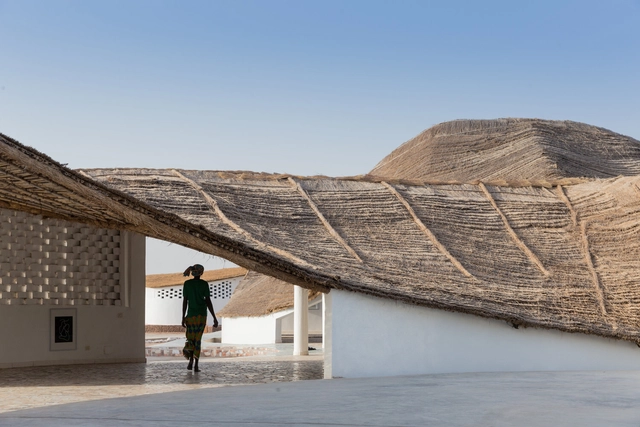
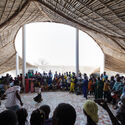
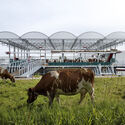
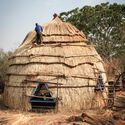
Beyond Private Dining: Exploring the Communal Table as Public Space Infrastructure - Image 1 of 4Beyond Private Dining: Exploring the Communal Table as Public Space Infrastructure - Image 2 of 4Beyond Private Dining: Exploring the Communal Table as Public Space Infrastructure - Image 3 of 4Beyond Private Dining: Exploring the Communal Table as Public Space Infrastructure - Image 4 of 4Beyond Private Dining: Exploring the Communal Table as Public Space Infrastructure - More Images+ 9

Rhythms of the Soil: Architecture as Agroecology

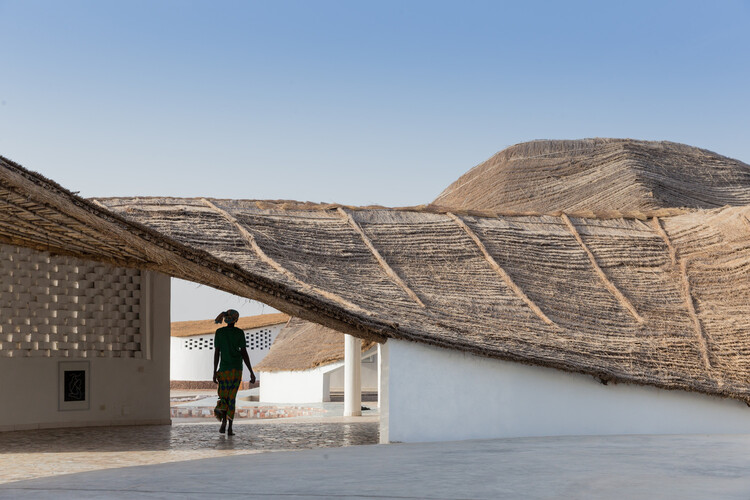
At a time of ecological collapse and rising food insecurity, architecture is increasingly called upon to engage not only with landscapes but with the systems that sustain and regenerate them. Among these systems, agriculture occupies a paradoxical role, as both a leading contributor to environmental degradation and a potential agent of ecological recovery. Industrial farming has depleted soils, fragmented habitats, and driven climate change through monocultures, fossil-fuel dependency, and territorial standardization. In response, agroecology has emerged as a counter-practice rooted in biodiversity, local knowledge, and the cyclical rhythms of nature. It reframes farming not as extraction, but as regeneration of ecosystems, communities, and the soil itself.

This reframing opens space for architecture to contribute meaningfully. To align with agroecology is not only to support food production, but to engage with the broader cultural, spatial, and ecological conditions that sustain it. It implies designing with seasonal variation, supporting shared use, and building in ways that respect both the land and those who work it. Architecture becomes more than enclosure — it becomes a mediator of cultivation, reciprocity, and coexistence.

Rhythms of the Soil: Architecture as Agroecology - Image 1 of 4Rhythms of the Soil: Architecture as Agroecology - Image 2 of 4Rhythms of the Soil: Architecture as Agroecology - Image 3 of 4Rhythms of the Soil: Architecture as Agroecology - Image 4 of 4Rhythms of the Soil: Architecture as Agroecology - More Images+ 47

Concéntrico 2022: Exploring Ideas of Domesticity, Inclusivity and Ecology

Subscriber Access | 

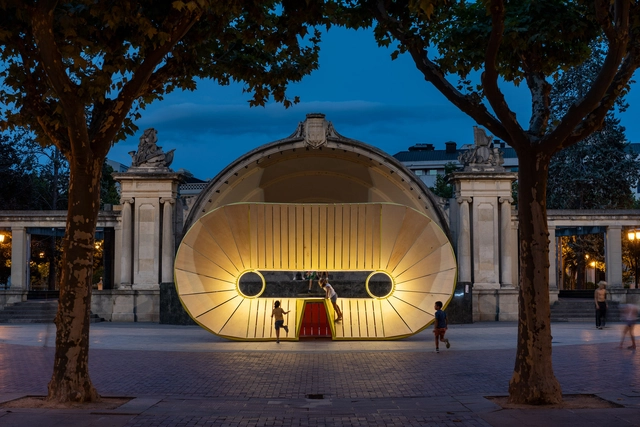
Every year, the Concéntrico festival in Logroño, Spain, brings together architects and designers from all over the world with the hope of employing creativity to create a better city. During this year's event, a few overarching themes could be observed as critical points of interest for the participating architects and designers. Many urban installations hoped to help citizens rediscover places of interest in their city and beyond, while others challenged the often-fixed ideas of what a home can and should look and function. Many designers saw opportunities in the concept of unstructured play, as the exploratory activity can activate unused public spaces and engage people of all ages.

Since 2015, the Concéntrico festival has presented 91 installations and pavilions during its seven editions. The festival is primarily known for bringing together emerging architects and designers who are given the freedom to experiment with new fields of environmental design. The festival is organized by the Cultural Foundation of the Architects of La Rioja together with Javier Peña Ibáñez, promoter of the initiative, in collaboration with the Logroño City Council, the Government of La Rioja, Garnica and Bodegas LAN, and 30 other supporting institutions.

Concéntrico 2022: Exploring Ideas of Domesticity, Inclusivity and Ecology - Image 1 of 4Concéntrico 2022: Exploring Ideas of Domesticity, Inclusivity and Ecology - Image 2 of 4Concéntrico 2022: Exploring Ideas of Domesticity, Inclusivity and Ecology - Image 3 of 4Concéntrico 2022: Exploring Ideas of Domesticity, Inclusivity and Ecology - Image 4 of 4Concéntrico 2022: Exploring Ideas of Domesticity, Inclusivity and Ecology - More Images+ 19

20 Installations and Exhibitions Inaugurate Concéntrico 2022: Logroño’s Architecture and Design Festival

"Concéntrico wants to achieve a better city", says Javier Peña as he inaugurates the International Festival of Architecture and Design of Logroño in Spain. An event that since its first edition in 2015 has proposed rediscovering the spaces of interest in the historic center, reflecting on the urban environment through different proposals for installations and ephemeral exhibitions. This year, it celebrates its eighth meeting from the 1st to the 6th of September.