1. ArchDaily
  2. Air Rights

Air Rights: The Latest Architecture and News

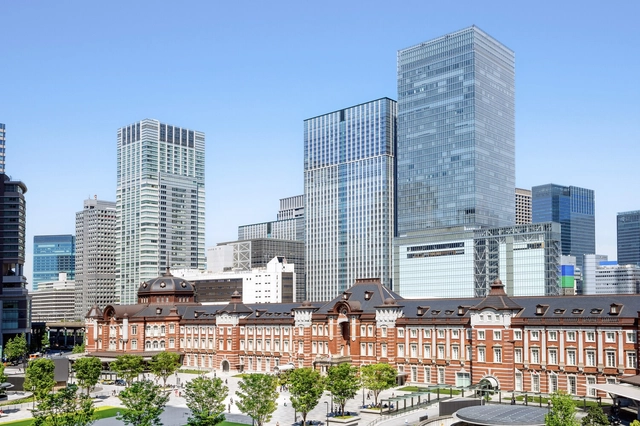
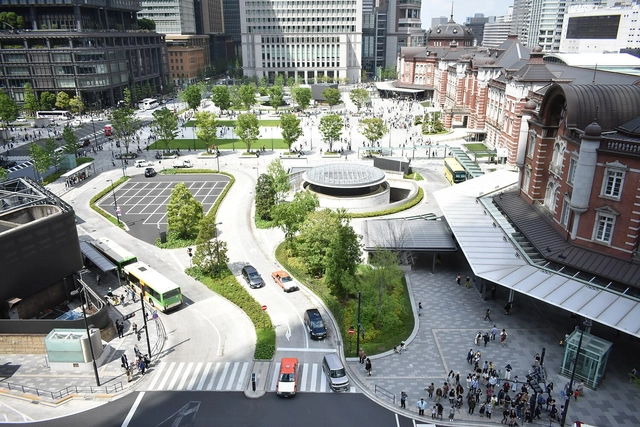
Not Just a Train Stop: The Evolution of Transit-Oriented Developments in East Asia

Subscriber Access | 

Transit-Oriented Development (TOD) is a comprehensive urban planning strategy aimed at creating dense, walkable, and vibrant neighborhoods centered around public transportation hubs. By seamlessly integrating residential, commercial, and recreational facilities within close proximity to transit nodes, TODs seek to reduce automobile dependency, increase public transit ridership, and stimulate local economic development. Government agencies play a pivotal role in supporting these developments through zoning reforms, easing floor area ratios (FARs), selling air rights, and facilitating public-private partnerships to secure capital for public infrastructure. While TODs have gained global traction, East Asia boasts some of the most successful examples. Conversely, efforts to replicate these models in different contexts—such as New York City—highlight the importance of adapting TOD principles to local conditions, geographical characteristics, and community needs.

Not Just a Train Stop: The Evolution of Transit-Oriented Developments in East Asia - Image 1 of 4Not Just a Train Stop: The Evolution of Transit-Oriented Developments in East Asia - Image 2 of 4Not Just a Train Stop: The Evolution of Transit-Oriented Developments in East Asia - Image 3 of 4Not Just a Train Stop: The Evolution of Transit-Oriented Developments in East Asia - Image 4 of 4Not Just a Train Stop: The Evolution of Transit-Oriented Developments in East Asia - More Images+ 17

Air Rights Explained: Balancing Private Gain with Public Good

Subscriber Access | 

Air rights transactions have become essential in urban development, allowing cities to grow vertically while preserving limited land resources. Typically defined as the right to use or sell the space above a property, air rights enable property owners to transfer unused floor area ratio (FAR) to neighboring parcels, creating increased density and financial gain opportunities. However, the definition can vary based on locality and region, as each country interprets air rights and the ability to build or transfer them differently. As urban centers face mounting pressures from limited land supply and population growth, air rights continue to offer a creative solution that fosters architectural innovation and economic efficiency.

Air Rights Explained: Balancing Private Gain with Public Good - Image 1 of 4Air Rights Explained: Balancing Private Gain with Public Good - Image 2 of 4Air Rights Explained: Balancing Private Gain with Public Good - Image 3 of 4Air Rights Explained: Balancing Private Gain with Public Good - Image 4 of 4Air Rights Explained: Balancing Private Gain with Public Good - More Images+ 9

Designing Above-Ground Cemeteries: Challenges and Solutions

Subscriber Access | 

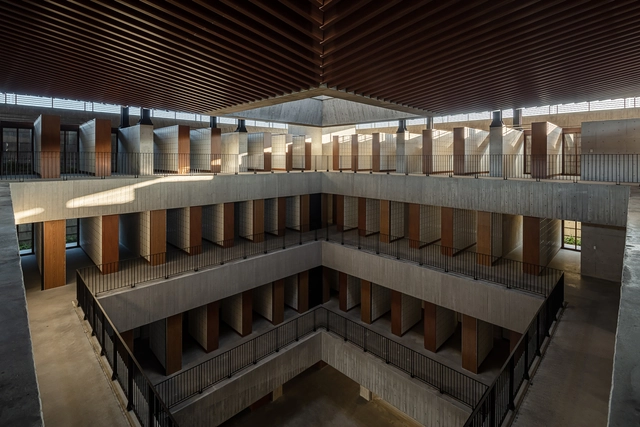
For centuries, burial practices across various cultures have connected honoring the deceased to the earth, with cemeteries firmly grounded in the soil as a symbol of eternal peace. Yet, as discussed in one of our articles, No More Room for the Living or the Dead: Exploring the Future for Burials in Asia, land shortages in densely developed urban areas present significant challenges to traditional burial practices, especially as societies like Japan face an aging population. Given these spatial constraints, how can above-ground cemeteries and columbariums be designed to provide a dignified, tranquil resting place while respecting cultural values?

Designing Above-Ground Cemeteries: Challenges and Solutions - Image 1 of 4Designing Above-Ground Cemeteries: Challenges and Solutions - Image 2 of 4Designing Above-Ground Cemeteries: Challenges and Solutions - Image 3 of 4Designing Above-Ground Cemeteries: Challenges and Solutions - Image 4 of 4Designing Above-Ground Cemeteries: Challenges and Solutions - More Images+ 17

New York Based PAU Studio Selected to Design Newest Air Traffic Control Towers, Replacing I.M. Pei's Mid-Century Structures

The Federal Aviation Administration has chosen the New York-based Practice for Architecture and Urbanism (PAU) studio to design the country's newest air traffic control towers. I.M. Pei's iconic mid-century towers will be replaced by PAU's adaptable and highly sustainable prototype, which offers a unique architectural solution that combines form and function for the twenty-first century. The new towers are vital to U.S. Transportation Secretary Pete Buttigieg's goal to reach net-zero greenhouse gas emissions from the U.S. aviation sector by 2050. They have been updated to reflect aviation technology, safety development, and changing environmental and climatic conditions.

New York Based PAU Studio Selected to Design Newest Air Traffic Control Towers, Replacing I.M. Pei's Mid-Century Structures - Image 1 of 4New York Based PAU Studio Selected to Design Newest Air Traffic Control Towers, Replacing I.M. Pei's Mid-Century Structures - Image 2 of 4New York Based PAU Studio Selected to Design Newest Air Traffic Control Towers, Replacing I.M. Pei's Mid-Century Structures - Image 3 of 4New York Based PAU Studio Selected to Design Newest Air Traffic Control Towers, Replacing I.M. Pei's Mid-Century Structures - Image 4 of 4New York Based PAU Studio Selected to Design Newest Air Traffic Control Towers, Replacing I.M. Pei's Mid-Century Structures - More Images+ 5

Another Historic NYC Building Bites the Dust

New York City has gained a reputation for its soaring towers thanks to unprecedented engineering technologies and New York’s air-rights policy, which permits developers to acquire neighboring unused airspace and construct large structures without any type of previous public review. But how are these super tall skyscrapers being accommodated? By replacing older existing structures. This out-with-the-old-in-with-the-new pattern comes as no surprise, as the “concrete jungle” is gradually being axed to make room for an even larger jungle.