1. ArchDaily
  2. American Modernism

American Modernism: The Latest Architecture and News

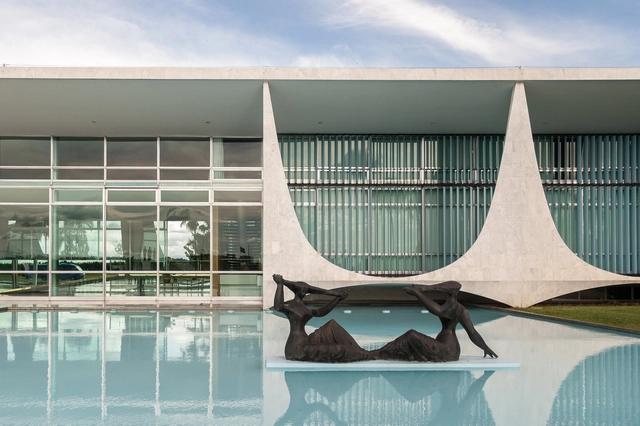
Architecture and Ideology: How Political Systems Shaped 20th-Century Design

Architecture is often presented as the visible expression of its time, its desires, its faith in progress, its idea of order. Yet this reading tends to flatten the conditions under which buildings are produced. It suggests that architecture follows history when, in many cases, it actively participates in it. Few periods make this more evident than the twentieth century, when architecture became deeply entangled with political programs, economic systems, and competing visions of how collective life should be organized.

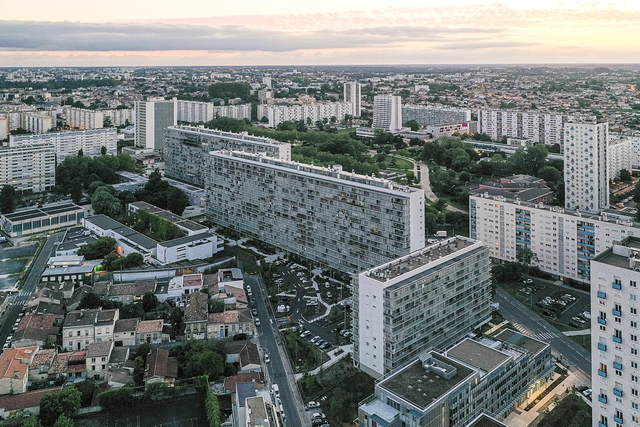
What is commonly grouped under the label of Modernism is often described as a coherent project, defined by formal clarity, technological optimism, and a break with historical styles. But this apparent coherence dissolves when we look beyond its canonical centres. The same spatial principles (standardization, functional zoning, industrial production) were adopted in political and economic contexts that differed significantly in their structures and objectives. A static movement unfolded as a flexible system continuously reoriented according to the priorities of each regime. What appeared as a shared language was, in practice, a set of tools applied to distinct agendas.

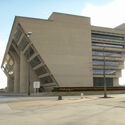
Dallas Evaluates Repair and Demolition Options for I.M. Pei’s Modernist City Hall

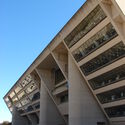
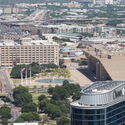
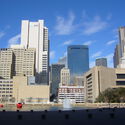
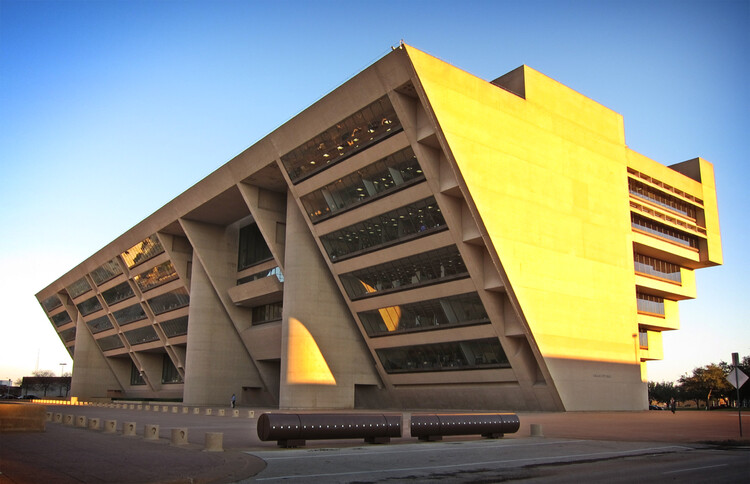
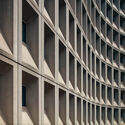
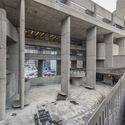
Since August 2025, debate has intensified in Dallas, United States, over the future of one of its modern landmarks: I.M. Pei & Partners' Dallas City Hall. This month, the Dallas City Council will continue weighing whether to repair, sell, or demolish the 47-year-old building, following growing concerns over long-deferred maintenance and the need for major investment. In late October, council members began public listening sessions and committee meetings to gather resident input. Preservationists and some council members urged a full study of repair options and historic landmarking, while others emphasized fiscal and operational concerns.

Supporters of preservation stress the building's civic and architectural significance, while those advocating for demolition point to high maintenance costs and the redevelopment potential of the centrally located site. A petition to "Save Dallas City Hall," calling on council members to halt demolition plans and commission a transparent renovation study, remains open for signatures. Meanwhile, the mayor has said he wants to review all the facts before taking a position on whether the city should relocate or invest in repairs. The case adds to the growing list of modernist icons worldwide facing uncertain futures, sparking broader cultural debates about civic heritage and public infrastructure.

Dallas Evaluates Repair and Demolition Options for I.M. Pei’s Modernist City Hall - Image 1 of 4Dallas Evaluates Repair and Demolition Options for I.M. Pei’s Modernist City Hall - Image 2 of 4Dallas Evaluates Repair and Demolition Options for I.M. Pei’s Modernist City Hall - Image 3 of 4Dallas Evaluates Repair and Demolition Options for I.M. Pei’s Modernist City Hall - Image 4 of 4Dallas Evaluates Repair and Demolition Options for I.M. Pei’s Modernist City Hall - More Images

Mid-Century & Mid-Western: Tracing the Modernist Movement in America’s Industrial Corridor

Subscriber Access | 

The Mid-Century Modernist movement was more than an aesthetic or material shift in the United States, as it was a response to a rapidly changing world. Emerging after World War II, this architectural revolution rejected ornate, traditional styles of the past in favor of clean lines, functional design, and incorporation of flashy materials like steel, glass, and concrete. Modernism was a break from tradition, focusing instead on simplicity, efficiency, and a vision for the future. It reflected the optimism of a nation rebuilding itself, where technology and innovation shaped everything from cityscapes to suburban homes.

Mid-Century & Mid-Western: Tracing the Modernist Movement in America’s Industrial Corridor - Image 1 of 4Mid-Century & Mid-Western: Tracing the Modernist Movement in America’s Industrial Corridor - Image 2 of 4Mid-Century & Mid-Western: Tracing the Modernist Movement in America’s Industrial Corridor - Image 3 of 4Mid-Century & Mid-Western: Tracing the Modernist Movement in America’s Industrial Corridor - Image 4 of 4Mid-Century & Mid-Western: Tracing the Modernist Movement in America’s Industrial Corridor - More Images+ 10

Frank Lloyd Wright’s Mayan Revival Houses in Los Angeles: Creating Atmosphere and Perception of Space

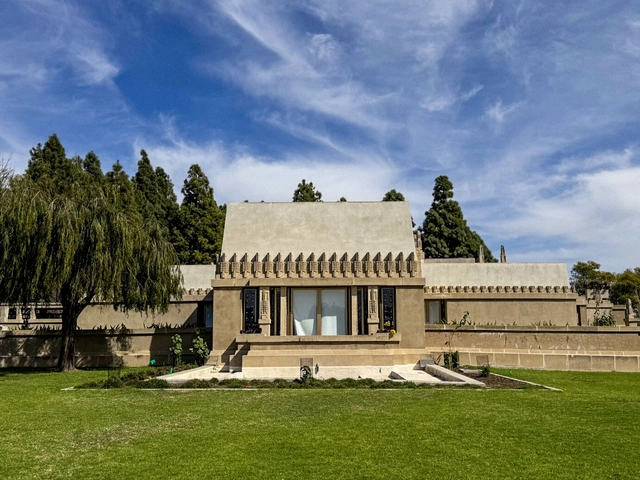
Frank Lloyd Wright's architectural legacy is vast, but among his most enigmatic and atmospheric works are his Mayan Revival houses in Los Angeles, California. Residences such as the Hollyhock House redefine the interplay of light, materiality, constructive innovation, and spatial perception. By using modular concrete blocks in an ornamental and structural way, Wright developed a unique aesthetic deeply rooted in both the past and the future.

Frank Lloyd Wright’s Mayan Revival Houses in Los Angeles: Creating Atmosphere and Perception of Space - Image 1 of 4Frank Lloyd Wright’s Mayan Revival Houses in Los Angeles: Creating Atmosphere and Perception of Space - Image 2 of 4Frank Lloyd Wright’s Mayan Revival Houses in Los Angeles: Creating Atmosphere and Perception of Space - Image 3 of 4Frank Lloyd Wright’s Mayan Revival Houses in Los Angeles: Creating Atmosphere and Perception of Space - Image 4 of 4Frank Lloyd Wright’s Mayan Revival Houses in Los Angeles: Creating Atmosphere and Perception of Space - More Images+ 6

Reconsidering Brutalist Renovations: A Transformation of the Boston City Hall for the Public

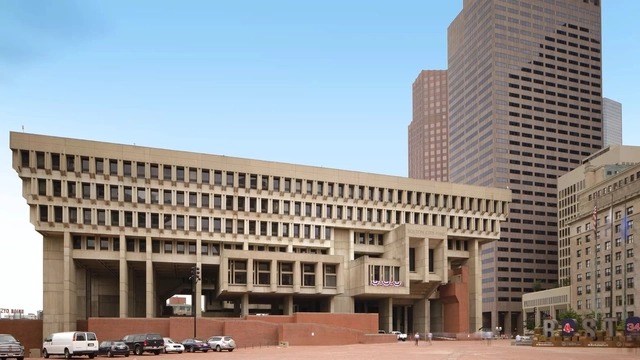
Boston City Hall, one of the most debated examples of Brutalist architecture in the United States, has significantly transformed since its conception. Designed by Kallmann, McKinnell, and Knowles and completed in 1968, the fortress-like concrete exterior and geometric austerity have long divided public opinion. Critics, including a former mayor, called for its demolition for decades arguing that its imposing design was inhospitable, inefficient, and most importantly, not beautiful. However, rather than tearing it down, Boston has chosen to renovate and revitalize the structure, demonstrating that contested Brutalist architectural styles can be adapted for a more sustainable future.

Reconsidering Brutalist Renovations: A Transformation of the Boston City Hall for the Public - Image 1 of 4Reconsidering Brutalist Renovations: A Transformation of the Boston City Hall for the Public - Image 2 of 4Reconsidering Brutalist Renovations: A Transformation of the Boston City Hall for the Public - Image 3 of 4Reconsidering Brutalist Renovations: A Transformation of the Boston City Hall for the Public - Image 5 of 4Reconsidering Brutalist Renovations: A Transformation of the Boston City Hall for the Public - More Images+ 4

Brutalism and Bureaucracy: An Architectural Language of Authority in the Postwar United States

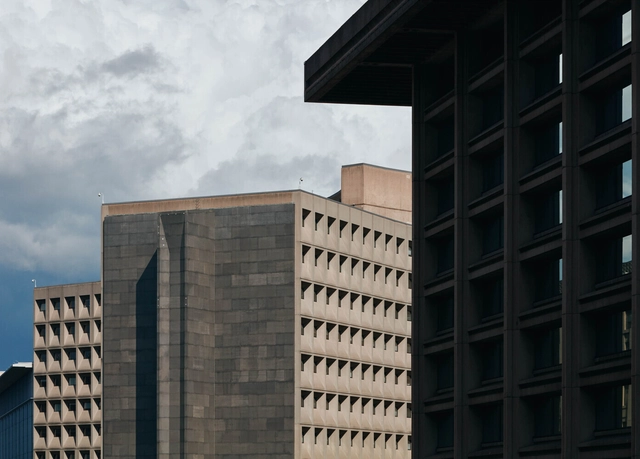
Brutalist architecture in the United States is a monument to collective postwar optimism and reassurance that the city and federal governments are in authority. Conceived as an embodiment of strength and efficiency, Brutalist structures were quickly adopted for the architectural language of civic and governmental institutions in the mid-to-late twentieth century in the United States. Towering monoliths of raw concrete rose across the nation, projecting an image of institutional permanence while simultaneously provoking debate over their social and psychological impact.

Brutalism and Bureaucracy: An Architectural Language of Authority in the Postwar United States - Image 1 of 4Brutalism and Bureaucracy: An Architectural Language of Authority in the Postwar United States - Image 2 of 4Brutalism and Bureaucracy: An Architectural Language of Authority in the Postwar United States - Image 3 of 4Brutalism and Bureaucracy: An Architectural Language of Authority in the Postwar United States - Image 4 of 4Brutalism and Bureaucracy: An Architectural Language of Authority in the Postwar United States - More Images+ 7

Why Do Modernist Principles Still Underpin Design Education in Brazil? Five Professors Share Their Perspectives

The complex relationship between architectural education and modernist principles in Brazil raises important questions about contemporary architectural practice. To explore this topic, we invited five professors from different Brazilian universities to share their perspectives: Eduardo Lopes (Universidade do Vale do Itajaí), Eduardo Westphal (Universidade Federal de Santa Catarina), Fábio Mosaner (Universidade Federal de Pernambuco), Marta Bogéa (Faculdade de Arquitetura e Urbanismo da Universidade de São Paulo), and Rodrigo Bastos (Universidade Federal de Santa Catarina). Their insights highlight modernism's lasting influence on architectural education while raising key questions for the current architectural debate.

Why Do Modernist Principles Still Underpin Design Education in Brazil? Five Professors Share Their Perspectives - Image 1 of 4Why Do Modernist Principles Still Underpin Design Education in Brazil? Five Professors Share Their Perspectives - Image 2 of 4Why Do Modernist Principles Still Underpin Design Education in Brazil? Five Professors Share Their Perspectives - Image 3 of 4Why Do Modernist Principles Still Underpin Design Education in Brazil? Five Professors Share Their Perspectives - Image 4 of 4Why Do Modernist Principles Still Underpin Design Education in Brazil? Five Professors Share Their Perspectives - More Images+ 5

Mid-Century Modernism and East Coast Ruralism: A Study of Adaptive Design

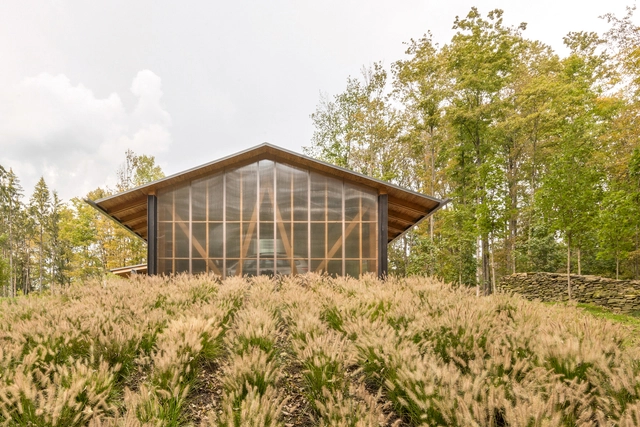
Mid-century modernism, celebrated for its simplicity, functionality, and direct connection with nature, is often associated with urban and suburban environments. However, its principles found fertile ground in the rural landscapes of the United States East Coast. The post-war architectural movement, characterized by innovative materials, clean lines, and harmony with natural surroundings, reveals its adaptability in the hands of architects and craftsmen working in rural regions of the East Coast. Although associated with metropolitan areas, its adoption in rural settings reveals a compelling story of cultural and environmental adaptation.

Mid-Century Modernism and East Coast Ruralism: A Study of Adaptive Design - Image 1 of 4Mid-Century Modernism and East Coast Ruralism: A Study of Adaptive Design - Image 2 of 4Mid-Century Modernism and East Coast Ruralism: A Study of Adaptive Design - Image 3 of 4Mid-Century Modernism and East Coast Ruralism: A Study of Adaptive Design - Image 4 of 4Mid-Century Modernism and East Coast Ruralism: A Study of Adaptive Design - More Images+ 11

Promenade Architecturale: How the Modernist Concept Continues to Inspire Contemporary Architecture

Subscriber Access | 

In modernist architecture, promenade architecturale emerged as a key design strategy, embodying the principles of functionality, aesthetics, and integration with the urban context. Le Corbusier’s iconic projects, such as Villa La Roche (1925) and Villa Savoye (1929), exemplify this idea by guiding visitors through an ascending journey that culminates in the rooftop garden—a space where the building and nature seamlessly interact. A century later, this concept remains influential, continuing to shape contemporary designs that explore the relationship between movement and space in various architectural typologies, including houses, museums, libraries, and parks.

Promenade Architecturale: How the Modernist Concept Continues to Inspire Contemporary Architecture - Image 1 of 4Promenade Architecturale: How the Modernist Concept Continues to Inspire Contemporary Architecture - Image 2 of 4Promenade Architecturale: How the Modernist Concept Continues to Inspire Contemporary Architecture - Image 3 of 4Promenade Architecturale: How the Modernist Concept Continues to Inspire Contemporary Architecture - Image 4 of 4Promenade Architecturale: How the Modernist Concept Continues to Inspire Contemporary Architecture - More Images+ 14

A Woman Architect in the Mad Men Era: The Story of Natalie De Blois

On January 21, 1958, three women sat down as contestants for an episode of the popular television show "To Tell the Truth", a quiz game in which a panel tries to guess which of the three contestants is who they say they are by asking them a series of questions. The announcer reveals the true identity of the person is a registered architect, has so far designed a Hilton hotel, and is a married mother of four. Each of the women, dressed formally in pencil skirts and blouses, introduces themselves as Natalie De Blois. As the panelists reveal their lack of knowledge about architecture, only firing off questions about Frank Lloyd Wright, one asks "What is the name of the building that was torn down to build Union Carbide?" The real Natalie De Blois, at the time a senior designer at SOM, firmly answers, "Hotel Margery."

Architecture is one of the oldest recorded professions, dating back to ancient eras when builders designed historic huts and constructed some of the great wonders of the world. When we think about women who have been known as trailblazers of the industry, it's astonishing that we often talk about women who we may interact with in the workplace day to day, or who our mentors may have learned from. Natalie De Blois was a modern-day pioneer of women in the design workforce, and although her legacy began only seventy years ago, it has significantly changed the way that women can participate in the profession today.

How to Improve Energy Efficiency in Modernist Buildings?

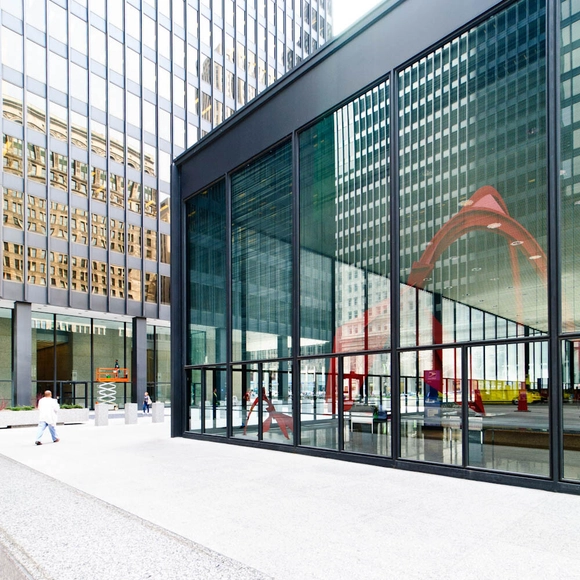
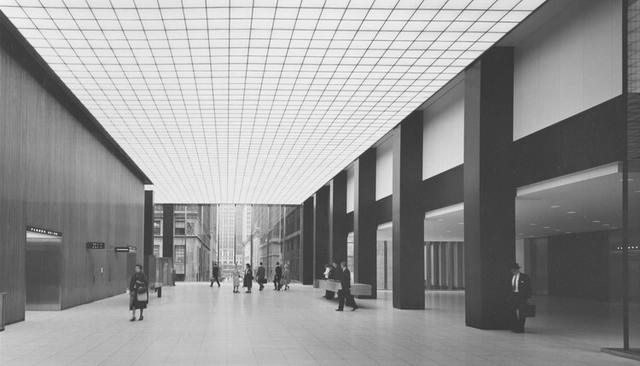
Throughout the history of architecture, energy efficiency, and CO2 emissions were considered marginal issues until the late 20th century. The low scores of some iconic modernist buildings in the Energy Star certification program illustrate this situation. The MetLife/PanAm Building (designed by Walter Gropius and Pietro Belluschi in 1963) received a dismal score of 39 (on a scale of 0 to 100), while the Lever House (designed by Skidmore, Owings & Merrill in 1952) scored 20. The worst performance was by Mies Van der Rohe's iconic Seagram Building, constructed in 1958, which received only 3 points. On the other hand, two revered Art Deco buildings from the 1930s, the Chrysler Building and the Empire State Building achieved scores of 84 and 80, respectively, as a result of extensive upgrades to their mechanical and insulation systems.

How to Improve Energy Efficiency in Modernist Buildings? - Image 1 of 4How to Improve Energy Efficiency in Modernist Buildings? - Image 2 of 4How to Improve Energy Efficiency in Modernist Buildings? - Image 3 of 4How to Improve Energy Efficiency in Modernist Buildings? - Image 4 of 4How to Improve Energy Efficiency in Modernist Buildings? - More Images+ 5

Theodore Prudon: ‘Modernism Has Never Been a Popular Movement’

This article was originally published on Common Edge.

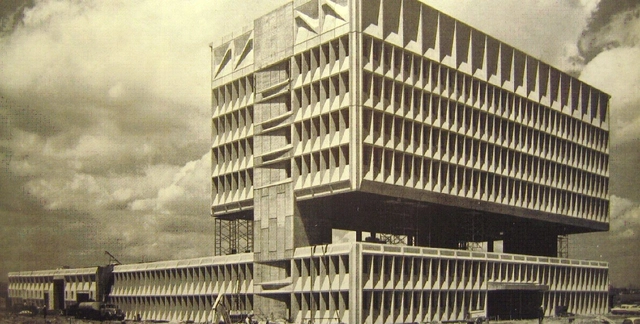
Theodore Prudon, the founding president of Docomomo US, recently stepped down as the organization’s head. (Robert Meckfessel is the new president.) “Docomomo” is shorthand for the group’s mission: the documentation and conservation of buildings, sites, and neighborhoods of the Modern movement. Prudon has had a storied career as a preservationist, architect, and educator, heading his own practice and teaching at Columbia University. In October, he was presented with the Connecticut Architecture Foundation’s Distinguished Leadership Award at the newly reborn Marcel Breuer building in New Haven, which began its life in 1970 as the Pirelli Tire Building and is now the Hotel Marcel (designed, planned, and developed by architect Bruce Redman Becker).

Helmut Jahn, Architect of Chicago’s Thompson Center Passes Away at 81

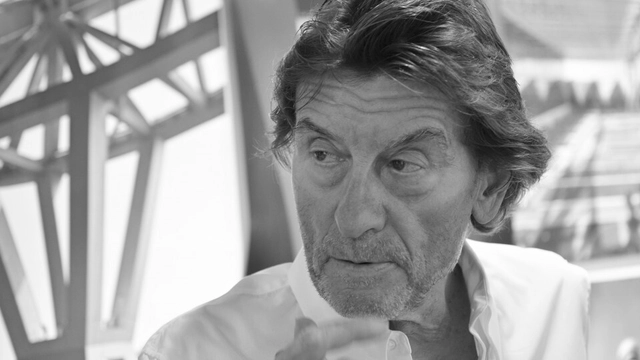
Chicago’s most prolific architect, Helmut Jahn has passed away on Saturday afternoon in a cycling accident. He was struck by two vehicles while riding his bicycle in Campton Hills, in the Chicago suburbs. The German-American designer is best known for his postmodern Thompson Center, currently under threat of demolition and United Airlines Terminal 1 at Chicago’s O’Hare International Airport.

Helmut Jahn, Architect of Chicago’s Thompson Center Passes Away at 81 - Image 1 of 4Helmut Jahn, Architect of Chicago’s Thompson Center Passes Away at 81 - Image 2 of 4Helmut Jahn, Architect of Chicago’s Thompson Center Passes Away at 81 - Image 3 of 4Helmut Jahn, Architect of Chicago’s Thompson Center Passes Away at 81 - Image 4 of 4Helmut Jahn, Architect of Chicago’s Thompson Center Passes Away at 81 - More Images+ 7

10 Buildings That Helped Define Modernism in New York City

10 Buildings That Helped Define Modernism in New York City - Image 8 of 4
211 East 48th Street, Midtown East, William Lescaze, 1934. Image © Mark Wickens

10 Buildings That Helped Define Modernism in New York City - Image 1 of 410 Buildings That Helped Define Modernism in New York City - Image 2 of 410 Buildings That Helped Define Modernism in New York City - Image 3 of 410 Buildings That Helped Define Modernism in New York City - Image 4 of 410 Buildings That Helped Define Modernism in New York City - More Images+ 7

This Article was originally published on Metropolis Magazine here.

The story of architectural Modernism in New York City goes beyond the familiar touchstones of Lever House and the Seagram Building.

10 Buildings That Helped Define Modernism in New York City - Image 11 of 4

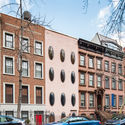
Eighty-five years on, the little white town house on East 48th Street by William Lescaze still startles. With its bright stucco and Purist volumes, it pulls the eye away from the do-nothing brownstones on one side and the noirish sub-Miesian tower on the other. The machined rectitude of its upper floors, telegraphed by two clumsily large spans of glass block, is offset by the freer plastic arrangement of the bottom levels. Le Corbusier’s five points are in evidence (minus the roof garden), suggesting an architecture ready to do battle. Built in 1934 from the shell of a Civil War–era town house, this was the first Modernist house in New York City, and its pioneering feeling for futurity extended to its domestic conveniences. (A skeptical Lewis Mumford noted its central air-conditioning.)

Unpacking Paul Rudolph’s Overlooked Architectural Feats in Southeast Asia

Subscriber Access | 
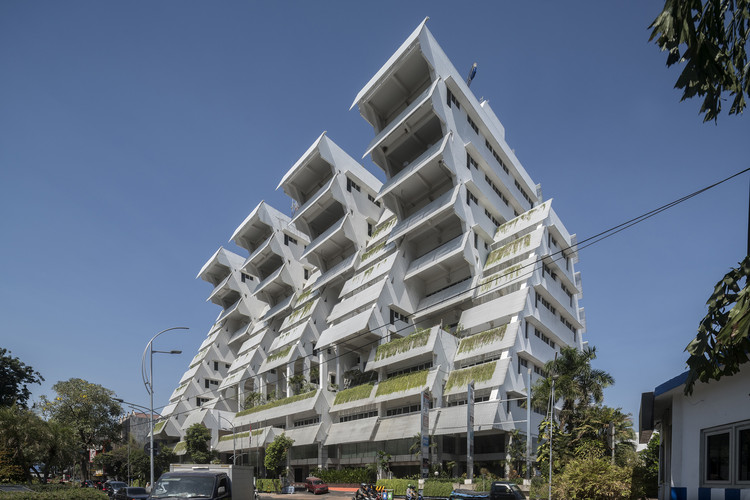
Unpacking Paul Rudolph’s Overlooked Architectural Feats in Southeast Asia - Image 46 of 4
Intiland Tower. Image © Darren Soh

To speak of Paul Rudolph’s illustrious career is to trace a grand arc stretching from the 1940s to the 1990s. More often than not, the popular narrative begins with his student days at Harvard under the tutelage of Walter Gropius, touches upon his earliest, much-loved Florida beach houses, circles around his eventual break from the rigidity of both the Sarasota School and the International Style, and finally races towards the apex: his chairmanship of the Yale School of Architecture, and the concurrent shift to a Brutalist architectural style characterized by monumental forms, rugged concrete, and interwoven, multilevelled spaces awash with a remarkable interplay of light. Then comes the fall from grace: the beloved Yale Art and Architecture Building went up in flames just as the architecture profession began to question modernist ideals, and eventually Postmodernism was ushered in. Flickering, sputtering, Rudolph's grand narrative arc lurched towards Southeast Asia, bearing away the “martyred saint.” Save for several scattered commissions in the United States, Rudolph spent the last two decades of his life building abroad, mostly across Hong Kong, Indonesia, and Singapore, until his death in 1997.

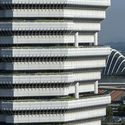
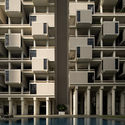
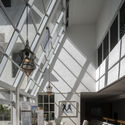
But of course, time and again, historians have sought to challenge the myth of the failed architect by rereading his understudied work from the late years. Adding to this growing corpus of fresh research and alternate perspectives is architectural photographer Darren Soh’s ongoing project documenting—so far—three of Rudolph’s major works in Southeast Asia: The Colonnade (1986) and The Concourse (1994) in Singapore, and the Intiland Tower (1997) in Surabaya, Indonesia.

Unpacking Paul Rudolph’s Overlooked Architectural Feats in Southeast Asia - Image 16 of 4Unpacking Paul Rudolph’s Overlooked Architectural Feats in Southeast Asia - Image 18 of 4Unpacking Paul Rudolph’s Overlooked Architectural Feats in Southeast Asia - Image 28 of 4Unpacking Paul Rudolph’s Overlooked Architectural Feats in Southeast Asia - Image 56 of 4Unpacking Paul Rudolph’s Overlooked Architectural Feats in Southeast Asia - More Images+ 55