1. ArchDaily
  2. Architectural elements

Architectural elements: The Latest Architecture and News

Elements of a Complete Architecture: The Furniture of Louis I. Kahn

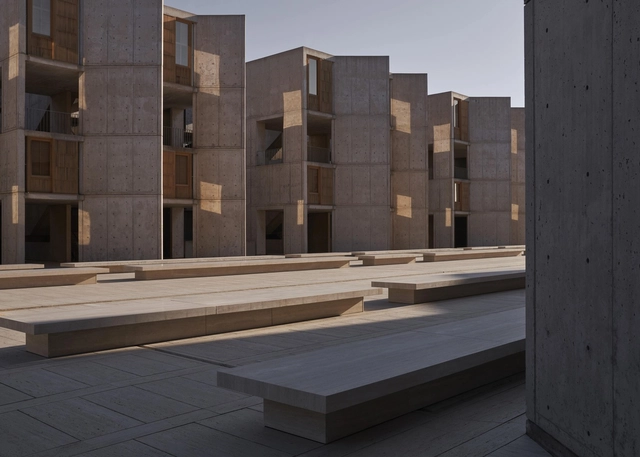
In the history of modern architecture, Louis I. Kahn is regarded as the undisputed master of monumentality in the United States. At the height of his career, Kahn managed to create a unique type of architecture, often awe-inspiring, but avoiding overdone grandiosity, expressing its constructive system, yet avoiding structural exhibitionism, steeped in history but developed with a new language and system of forms. His interest in light as a functional element and the specific qualities of materials extended beyond his buildings, in all the objects he created to populate them following their intrinsic spirit. To celebrate this legacy, Form Portfolios has now launched "Monumental Modernism," the first collection of lighting, objects, and furniture modeled after those discovered in Louis I. Kahn's buildings.

Elements of a Complete Architecture: The Furniture of Louis I. Kahn - Image 1 of 4Elements of a Complete Architecture: The Furniture of Louis I. Kahn - Image 2 of 4Elements of a Complete Architecture: The Furniture of Louis I. Kahn - Image 3 of 4Elements of a Complete Architecture: The Furniture of Louis I. Kahn - Image 4 of 4Elements of a Complete Architecture: The Furniture of Louis I. Kahn - More Images+ 18

A Burning Man Temple Concept and a Pavilion for Expo 2025 Osaka: 8 Competition Proposals Submitted by the ArchDaily Community

Subscriber Access | 

In the world of architecture, competitions serve as catalysts for innovation and creativity. By promoting the architectural community to contemplate a given theme and intervene in well-defined spaces, they provide some of the best platforms for experimentation, allowing architects and designers to explore new concepts, challenge conventions, and address pressing societal needs, all while comparing the wide variety of emerging solutions. This week's curated roundup gathers examples of worldwide competition proposals submitted by the ArchDaily Community.

The selected projects vary in size and program, from world-renowned competitions such as those hosted for the national pavilions at the next World Expo in Osaka, or the Temple at the center of Black Rock City at Burning Man, to local interventions that highlight unique spaces such as the creative reimagining of a popular market space in the historic center of Sibiu, Romania, or the subtle presence of a villa in the Mediterranean wilderness.

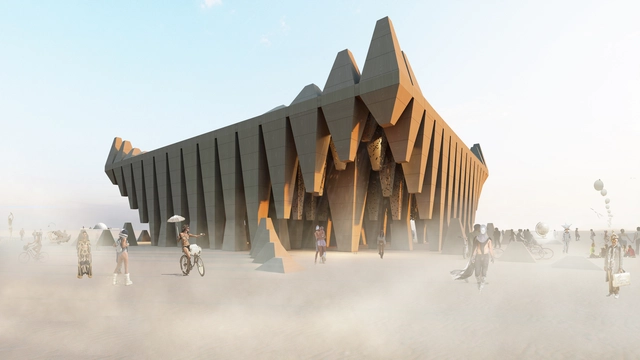
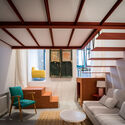
A Burning Man Temple Concept and a Pavilion for Expo 2025 Osaka: 8 Competition Proposals Submitted by the ArchDaily Community - Image 23 of 4A Burning Man Temple Concept and a Pavilion for Expo 2025 Osaka: 8 Competition Proposals Submitted by the ArchDaily Community - Image 26 of 4A Burning Man Temple Concept and a Pavilion for Expo 2025 Osaka: 8 Competition Proposals Submitted by the ArchDaily Community - Image 35 of 4A Burning Man Temple Concept and a Pavilion for Expo 2025 Osaka: 8 Competition Proposals Submitted by the ArchDaily Community - Image 39 of 4A Burning Man Temple Concept and a Pavilion for Expo 2025 Osaka: 8 Competition Proposals Submitted by the ArchDaily Community - More Images+ 52

How to Use Color to Accentuate Architectural Designs

Subscriber Access | 

When organizing the elements, materials and colors of an architectural layout, architects can successfully guide users through a room and its different spaces, therefore creating an easy and seamless trajectory for those inhabiting it. By exploring innovative strategies to create new ways of arranging a space, architecture can use color to boost certain aspects of a project’s scheme. The use of color in architectural design combines different factors beyond aesthetic preferences by also affecting the user’s emotions and behavior. Before launching into the color selection, the design process entails certain decision making, such as which architectural elements to highlight, if there is a zonification or division of spaces within the use of colors, the creation of focal points, and the consideration of how each color is associated with a determined mood.

With a breakdown of five architecture projects, the following article analyzes how color is applied as a design strategy to define spaces through three categories: structure, elements and objects, and definition of spaces.

'Color in certain places has the great value of making the outlines and structural planes seem more energetic' - Antoni Gaudí

Colors That Bring Structure Into Focus

Subscriber Access | 

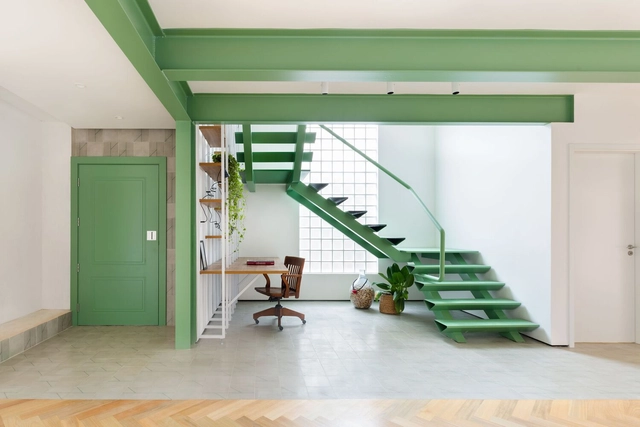
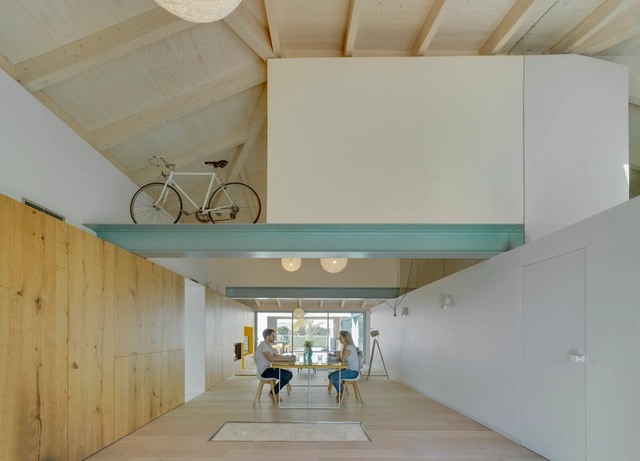
Besides changing our perception of interior spaces, colors are an excellent device for architects. With them, it is possible to highlight some elements or areas, create rhythm in the environment and give possible hints on how the eye can travel through it. One of the alternatives to achieve these goals is to paint the structures, which can bring a solid identity to the project since its components stand out and make the spatial notion even more playful.

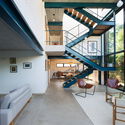
Colors That Bring Structure Into Focus - Image 1 of 4Colors That Bring Structure Into Focus - Image 2 of 4Colors That Bring Structure Into Focus - Image 3 of 4Colors That Bring Structure Into Focus - Image 4 of 4Colors That Bring Structure Into Focus - More Images+ 15