1. ArchDaily
  2. Architectural Scale

Architectural Scale: The Latest Architecture and News

The Plan and the Prompt: How AI Is Rewiring Design and Practice

Subscriber Access | 

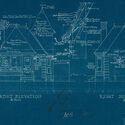
Architecture's design process has always been shaped by the tools at hand. We once drew with pen and ink on fragile sheets, copied by blueprint and guarded against smudges and tears; then Mylar arrived, making revisions and preservation easier and nudging drawings toward a leaner, more deliberate economy of lines. Computer-aided drafting followed, speeding coordination and changing how we think about scale and precision. Today, AI adds another layer—gathering information in seconds and spinning images on command—promising new efficiencies while raising fresh questions about authorship and craft. What we make, and how we make it, has evolved with each tool; the history of our methods is the history of our ideas.

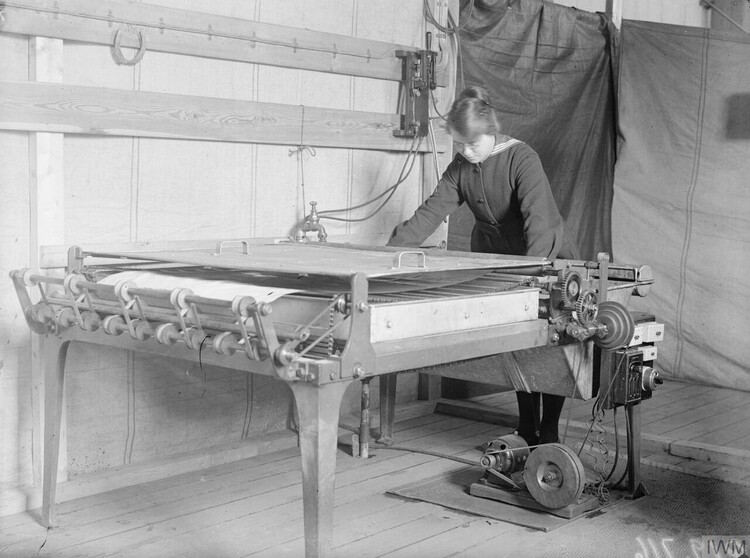
Beginning in the post-war era, Mylar (developed in the 1950s) eased drawing reproduction and hastened the shift from blueprint to whiteprint processes. Before Mylar, simply preserving drawings—keeping an idea intact, legible, and undamaged—was a significant task. Post-war design priorities often leaned toward efficiency, simplicity, and an industrial minimalism aligned with reconstruction needs. The tools reinforced this: architectural work remained predominantly hand-drawn, where every line took time to lay down and even more time to erase. That labour sharpened the economy of drawing; each stroke had to earn its place.


The Plan and the Prompt: How AI Is Rewiring Design and Practice - Image 1 of 4The Plan and the Prompt: How AI Is Rewiring Design and Practice - Image 2 of 4The Plan and the Prompt: How AI Is Rewiring Design and Practice - Image 3 of 4The Plan and the Prompt: How AI Is Rewiring Design and Practice - Image 4 of 4The Plan and the Prompt: How AI Is Rewiring Design and Practice - More Images+ 10

Designing for Companionship: Reimagining Urban Life with Pets

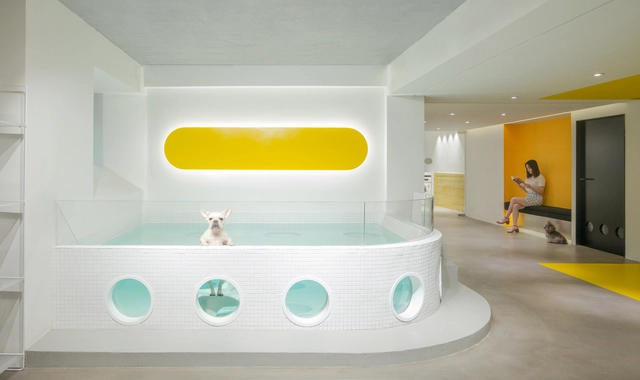
Humans and pets have long shared a deep and inseparable bond—and today, how we live alongside them is becoming increasingly important. Beyond offering companionship, pets are now often regarded as life partners, providing powerful support for mental health and emotional well-being. Yet it is not only the emotional connection that matters: the way we design and curate spaces for cohabitation with them plays a critical role in shaping meaningful spatial relationships between humans and their animal companions.

Whether through custom-designed furniture or more seamlessly integrated solutions like wall cavities and built-in nooks, an increasing amount of attention is being paid to how we can better coexist with pets in our homes. This shift reflects more than just affluence or pet ownership; it signals a broader evolution of companionship—one rooted in mutual support, emotional health, and shared environments.

Designing for Companionship: Reimagining Urban Life with Pets - Image 1 of 4Designing for Companionship: Reimagining Urban Life with Pets - Image 2 of 4Designing for Companionship: Reimagining Urban Life with Pets - Image 3 of 4Designing for Companionship: Reimagining Urban Life with Pets - Image 4 of 4Designing for Companionship: Reimagining Urban Life with Pets - More Images+ 15

The Power of Scale: How Proportions Shape Human Experience

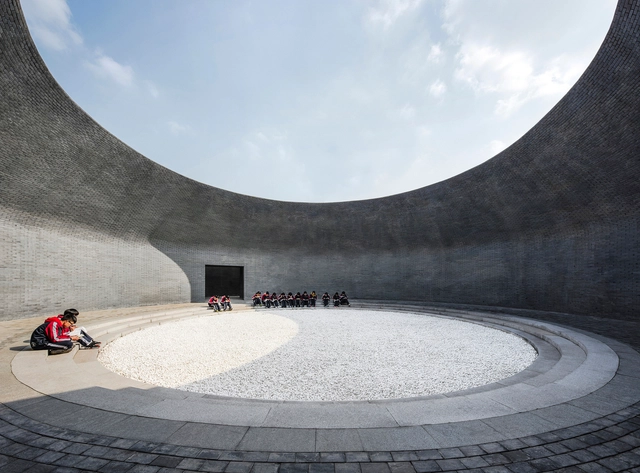
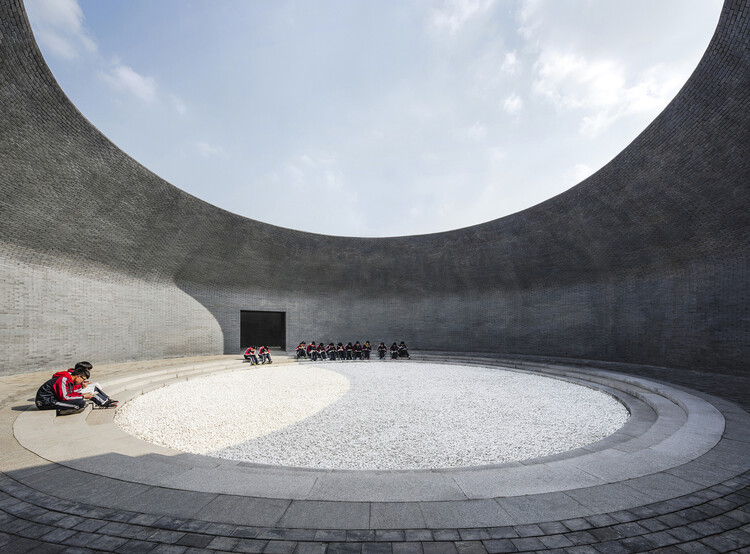
The way we perceive and experience spaces extends beyond aesthetics—they directly influence our emotions, thoughts, and even creativity. Spacious environments with high ceilings often evoke a sense of freedom and inspiration, while smaller, enclosed spaces encourage focus and introspection. This is not merely a subjective impression but a scientifically studied phenomenon. In the 1960s, anthropologist Edward T. Hall introduced the term "Cathedral Effect" to describe how ceiling height impacts cognition and behavior. More recent research has expanded on this idea, demonstrating how architecture shapes decision-making and emotional states in various contexts.

The Power of Scale: How Proportions Shape Human Experience - Image 1 of 4The Power of Scale: How Proportions Shape Human Experience - Image 2 of 4The Power of Scale: How Proportions Shape Human Experience - Image 3 of 4The Power of Scale: How Proportions Shape Human Experience - Image 4 of 4The Power of Scale: How Proportions Shape Human Experience - More Images+ 13