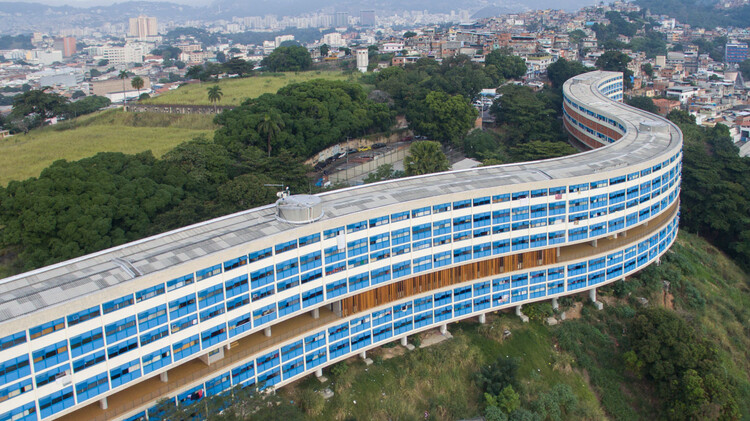
Modern housing was one of the places where modernism made its boldest promise: that architecture could reshape not only the city, but the way people lived within it. As Argentine architectural historian Ramón Gutiérrez has argued, popular housing is "the great unresolved subject, one that usually does not appear in histories of architecture." In Latin America, this absence is significant. Across the 20th century, expanding cities turned housing into one of the clearest ways to imagine urban change, and modernism entered not only plans and drawings, but apartments, neighborhoods, streets, and domestic routines.
Yet once built, these projects entered cities shaped by politics, memory, inequality, and changing ways of occupation. Their meanings no longer belonged only to the original plan, but to the ways they were inhabited, altered, and transformed over time. What this history reveals is not adaptation, but friction: the moment when architecture stops being an ideal model and meets the city it cannot fully control.
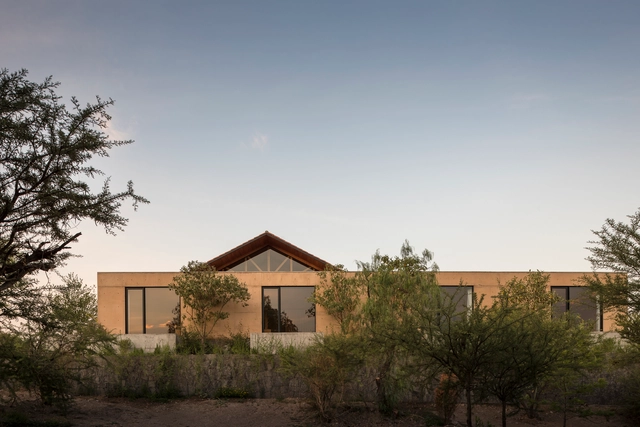
Blending vernacular techniques with contemporary experimentation, Mexico's architectural landscape is shaped by a continuous dialogue between tradition, materiality, and modernity. As the fifth most biodiverse country in the world, Mexican architecture seeks to respond to its vast range of natural environments, climates, and cultural traditions, all within a territory marked by striking contrasts. Reflecting a visible duality, it can embody both exclusivity and act as a catalyst for social transformation.
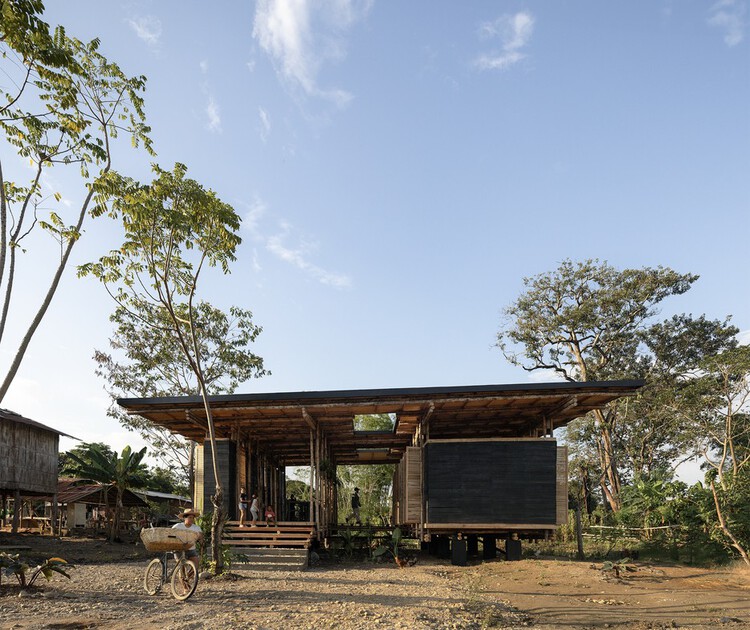
Rural areas have long played a foundational role in the social and economic development of nations. Until the 18th century, they were the primary sites of production and social organization. However, the Industrial Revolution brought profound structural shifts that reshaped this landscape. Industry took center stage, anchoring itself in urban environments and establishing a hierarchical, binary view of rural versus urban, agriculture versus industry. Within this new paradigm, two opposing narratives gained prominence: one predicted the decline of rural life in the face of urbanization and economic progress; the other envisioned its persistence and eventual renewal. Today, it is clear which of these predictions has come to pass.
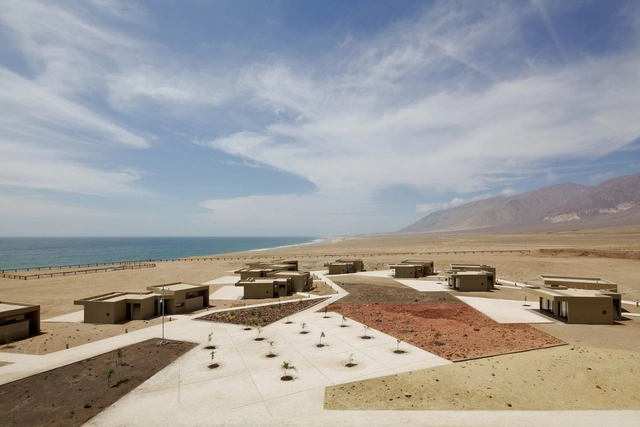
The desert is a landscape in constant transformation. Shaped by the wind, its dunes, ridges, and fissures emerge and fade in an ever-shifting expanse, as if the scenery itself were alive. It is a land of stark contrasts, where the scorching heat of the day gives way to the crisp coolness of the night, revealing nature in its most primal form. In such a dynamic and untamed environment, how can architecture not only integrate but also respect and engage with its surroundings? This is the challenge faced by hotels built within Latin America’s vast desert landscapes.
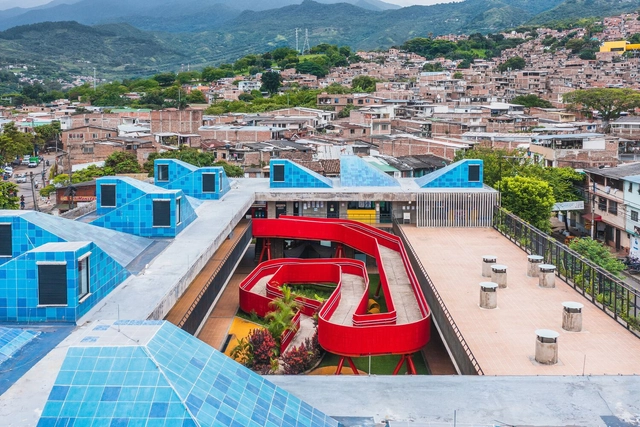
From November 20 to 23, São Paulo hosted the IV International Seminar on Favela Urbanization, bringing together discussions that bridged theory and practice to address interventions in these territories. Centered on Brazil’s realities, the seminar shed light on the political challenges and the struggle to recognize the potential of peripheral spaces. It also highlighted a shared issue across Latin America: the need for adequate funding to support transformative actions and the legitimization of these territories. Within this framework, the article underscores the critical role of high-quality public facilities in favelas and peripheral neighborhoods. These spaces not only provide access to opportunities but also foster community bonds, serving as essential hubs for social organization and collective efforts toward building a more inclusive future.
There are several reasons why Colima is a Mexican state of relevant cultural wealth, one of them is due to its climate and orography where beaches such as Manzanillo and the Colima volcano are sheltered, facilitating tourism in this region. Moreover, the rich pre-Hispanic history signed on archaeological sites such as "El Chanal", "La Campana" and "Meseta de la Hierbabuena", as well as some important haciendas (farms) such as the Hacienda de Nogueras, Hacienda del Carmen and Hacienda San Antonio.
Art Deco is an artistic and design style that emerged in Europe in the late 19th and early 20th centuries, reaching its peak in the 1920s and 1930s. Although it's difficult to identify a single origin for Art Deco, it's believed that the style developed as a reaction against the Arts and Crafts and Art Nouveau movements, which emphasized craftsmanship and naturalistic ornamentation. The style quickly spread throughout the world and had a major influence on architecture, interior design, fashion, and visual arts during the first half of the 20th century.
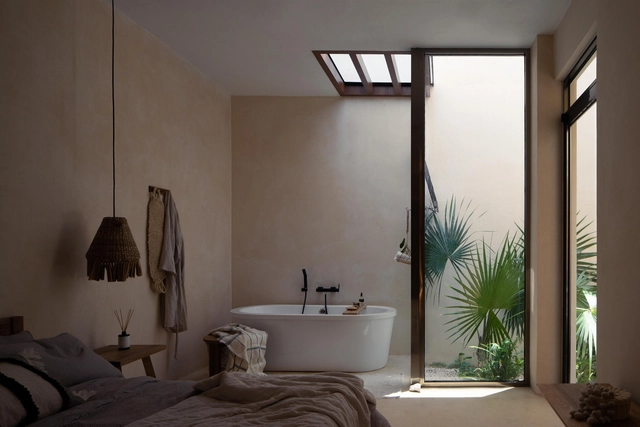
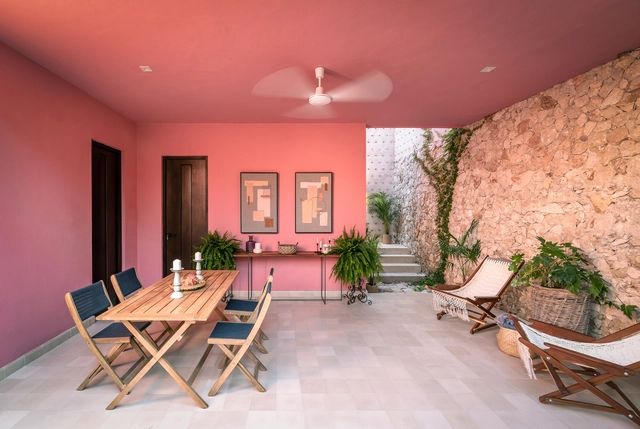
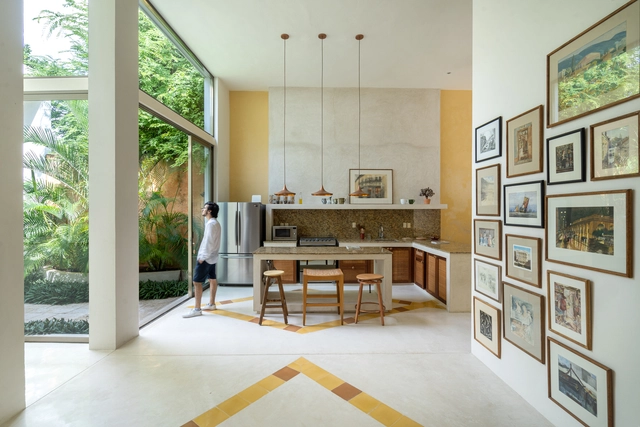
Over the years, interior design has evolved according to the needs that arise, but above all according to the experiences that we seek to provoke in the user. In the last two years, we have witnessed a radical change and a special interest in this subject because the pandemic forced us to pay specific attention to the configuration of the places we inhabit. This brought about much more holistic designs that cater to the wellbeing of the user, combining colors, sensory experiences, technology, and natural elements that promote health.
Over the years, interior design has evolved according to the needs that arise, but above all according to the experiences it seeks to evoke in the user. In the last two years we have witnessed a radical change and a special interest in this subject because the pandemic forced us to pay specific attention to the configuration of the places we inhabit. This brought about much more holistic designs that seek to address the wellbeing of the user, combining colours, sensory experiences, technology and natural elements that promote health.
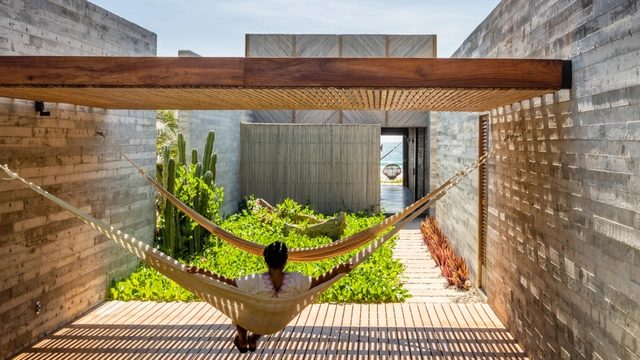
One of the most representative non-fixed elements of the tropical zones of Mexico are the hammocks, as they are part of the history and daily life, representing an important piece of furniture in the houses. Although it is true that the hammock is not originally from Mexico, it is thought that it may have arrived in the Yucatan Peninsula and was adopted throughout the southeast of the country in areas whose temperature and humidity require a kind of floating bed. In the case of the Mayan region, hammocks were initially made of Hamack tree bark. Later, both in the Mexican region and in the rest of Central America, the sisal plant, with softer and more elastic fibres, began to be used.
Over the years, interior design has evolved according to the needs that arise, but above all according to the experiences it seeks to evoke in the user. In the last two years we have witnessed a radical change and a special interest in this subject because the pandemic forced us to pay specific attention to the configuration of the places we inhabit. This brought about much more holistic designs that seek to address the wellbeing of the user, combining colours, sensory experiences, technology and natural elements that promote health.
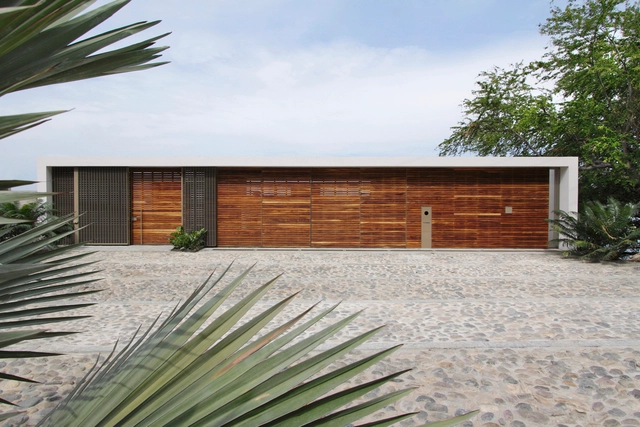
Casa Maca / Workshop, Diseño y Construcción. Image
Over the years, interior design has evolved according to the needs that arise, but above all according to the experiences it seeks to evoke in the user. In the last two years we have witnessed a radical change and a special interest in this subject because the pandemic forced us to pay specific attention to the configuration of the places we inhabit. This has brought about much more holistic designs that seek to address the wellbeing of the user, combining colours, sensory experiences, technology and natural elements that promote health.
Over the years, interior design has evolved according to the needs that arise, but above all, according to the experiences it seeks to evoke in the user. Over the last two years, we have witnessed a radical change and a special interest in this subject because the pandemic forced us to pay specific attention to the configuration of the places we inhabit. This brought about much more holistic designs that seek to address the wellbeing of the user, combining colours, sensory experiences, technology and natural elements that promote health.
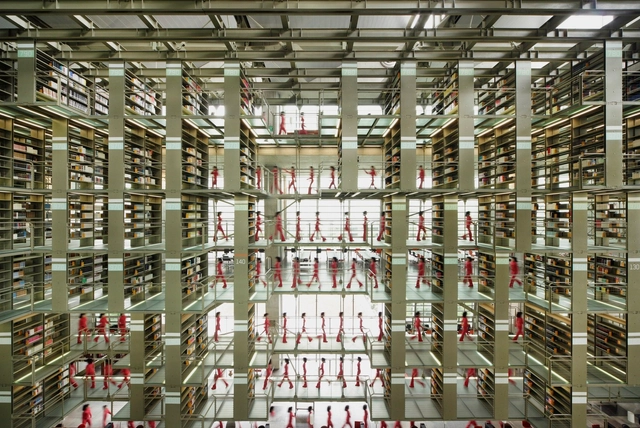
Biblioteca Jose Vasconcelos / Taller de Arquitectura X / Alberto Kalach. Image Cortesía de Taller de Arquitectura X / Alberto Kalach
Over the years, interior design has evolved according to the needs that arise, but above all according to the experiences we seek to provoke in the user. In the last two years, we witnessed a radical change and a particular interest in this subject because the pandemic forced us to pay specific attention to the configuration of the places we inhabit. This brought about much more holistic designs that cater to the wellbeing of the user, combining colours, sensory experiences, technology and natural elements that promote health.
Puerto Vallarta is a city located in the state of Jalisco, in the west region of the country facing the Pacific Ocean. It consists of 1,301 km² and, together with the Bahia de Banderas municipality of the Nayarit state, makes up the Metropolitan Zone of Puerto Vallarta, making it the second most populated of both states. Many are the reasons why Puerto Vallarta is one of the most important ports in Mexico, one of them being tourism at an international level, which has resulted in the city having one of the eight international airports in the country.
There are several reasons why Quintana Roo —a state located in the southeastern region of Mexico— has an important cultural wealth. One of them is because of world-class tourism which has led it to have one of the eight international airports in Mexico in addition to being praised by the World Tourism Organization.
Hidalgo is a landlocked state to the north of Mexico City and bordered by the states of San Luis Potosí, Veracruz, Puebla, Tlaxcala, Mexico, and Querétaro. It's territory spans 20,821 km² and it's the sixth smallest state in the country. It's capital and most populous city is Pachuca de Soto. Hidalgo's diverse cultural wealth comes from the various indigenous groups that call the state home, such as the Otomíes, the Nahuas, and the Tepehuas. Hidalgo's cultural heritage centers on the cuisine, the Fiesta de Toros, Huapango and Bandas de Viento music, the Charreria rodeo, and the Xantolo celebration.












.jpg?1658430879&format=webp&width=640&height=580)





.jpg?1636500979 "Malecón Puerto Vallarta / Trama Arquitectos. Image © Alejandro Cartagena")




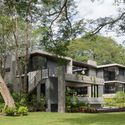
.jpg?1635893302 "House Between Trees / AS Arquitectura. Image © David Cervera")