1. ArchDaily
  2. architecture WORKSHOP

architecture WORKSHOP: The Latest Architecture and News

How to Design with the Rain: Architectural Strategies for Rainwater Collection across Climates

Subscriber Access | 

As climate variability intensifies, extreme storms are becoming more frequent in some regions while water scarcity deepens in others. Architects are increasingly pressed to reconsider how buildings engage with rainfall as an environmental force and a design resource. How can architecture move beyond shedding the excess water to actively collect, store, and reuse it? What would it mean to treat rainwater as a material that shapes resilient and meaningful spaces?
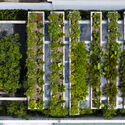
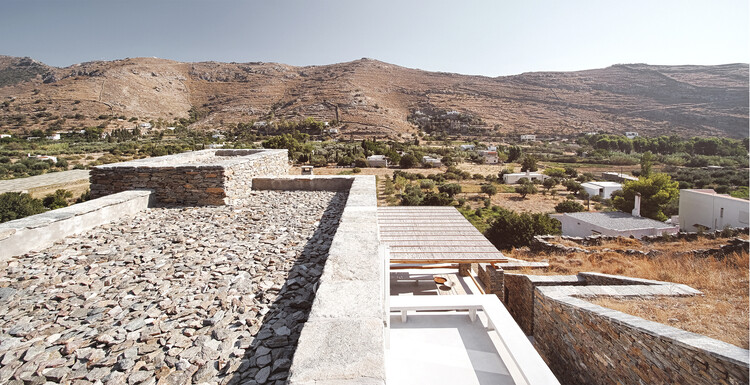
How to Design with the Rain: Architectural Strategies for Rainwater Collection across Climates - Image 1 of 4How to Design with the Rain: Architectural Strategies for Rainwater Collection across Climates - Image 2 of 4How to Design with the Rain: Architectural Strategies for Rainwater Collection across Climates - Image 3 of 4How to Design with the Rain: Architectural Strategies for Rainwater Collection across Climates - Image 4 of 4How to Design with the Rain: Architectural Strategies for Rainwater Collection across Climates - More Images+ 64

Foresight - AA Visiting School Stuttgart

Never before have there been such fundamental uncertainties about our future. Obvious signs of climate change, a political landscape in flux, rapid advances in technology and their consequential societal changes are making us anxious about our personal life in the next decades.

AAVS Bamboo Lab - Haiti

In our fifth Haitian adventure, we will be working in groups to intensively learn a design methodology, software tools, and use this to propose an efficient, iconic bamboo structure. In the later 2/3 of the course, we will build one design as one group, and the construction will act as a catalyst for participants to learn about bamboo: joints; species selection; treatment; taxonomy; cutting; and propagation.

Participate in AA Myanmar Visiting School

The Architectural Association Myanmar Visiting School aims to provide space and support to invigorate the architectural use of Myanmar's local bamboo resources. The project will revitalize local, traditional bamboo use techniques, and where applicable, combine them with current international best practices in the use of bamboo. It will promote the application of bamboo as an environmentally sound, renewable, and practical means to increasing and sustaining local craftsmanship, sustainable livelihoods, cultural heritage, while supporting carbon sequestering and environmental protection in the region.