1. ArchDaily
  2. Blueprint

Blueprint: The Latest Architecture and News

The Plan and the Prompt: How AI Is Rewiring Design and Practice

Subscriber Access | 

Architecture's design process has always been shaped by the tools at hand. We once drew with pen and ink on fragile sheets, copied by blueprint and guarded against smudges and tears; then Mylar arrived, making revisions and preservation easier and nudging drawings toward a leaner, more deliberate economy of lines. Computer-aided drafting followed, speeding coordination and changing how we think about scale and precision. Today, AI adds another layer—gathering information in seconds and spinning images on command—promising new efficiencies while raising fresh questions about authorship and craft. What we make, and how we make it, has evolved with each tool; the history of our methods is the history of our ideas.

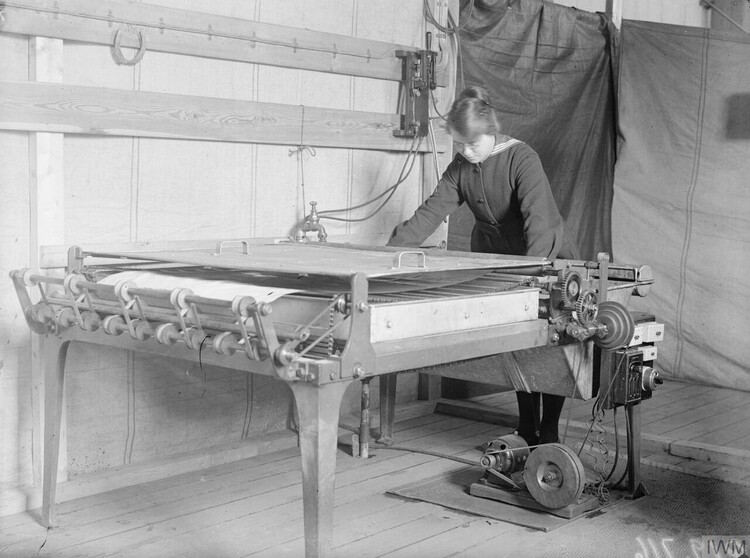
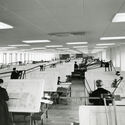
Beginning in the post-war era, Mylar (developed in the 1950s) eased drawing reproduction and hastened the shift from blueprint to whiteprint processes. Before Mylar, simply preserving drawings—keeping an idea intact, legible, and undamaged—was a significant task. Post-war design priorities often leaned toward efficiency, simplicity, and an industrial minimalism aligned with reconstruction needs. The tools reinforced this: architectural work remained predominantly hand-drawn, where every line took time to lay down and even more time to erase. That labour sharpened the economy of drawing; each stroke had to earn its place.

The Plan and the Prompt: How AI Is Rewiring Design and Practice - Image 1 of 4The Plan and the Prompt: How AI Is Rewiring Design and Practice - Image 2 of 4The Plan and the Prompt: How AI Is Rewiring Design and Practice - Image 3 of 4The Plan and the Prompt: How AI Is Rewiring Design and Practice - Image 4 of 4The Plan and the Prompt: How AI Is Rewiring Design and Practice - More Images+ 10

Examining OMA's Two Latest Venues for Contemporary Art

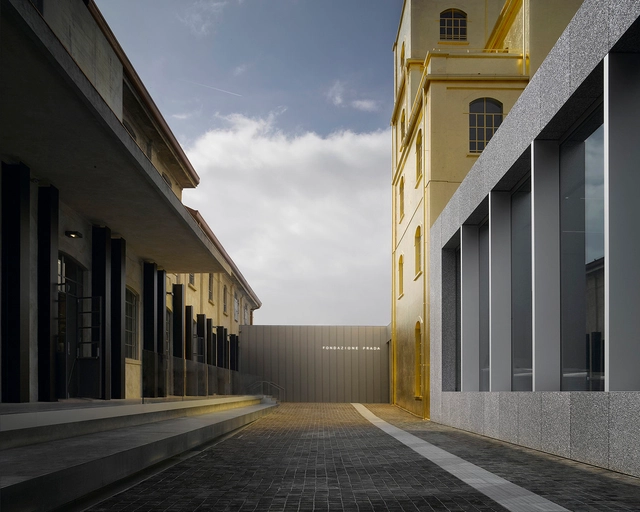
In an article for DesignCurial, Shumi Bose visits OMA's new galleries in Milan and Moscow: the Fondazione Prada and the Garage Museum of Contemporary Art. Noting that "the mythologies [between OMA and Miuccia Prada] have become inextricably intertwined" over recent years, "the purpose of [the Fondazione Prada] was to produce a range of spaces for the creation, display of and engagement with art; what results is the built realisation of a particular ethos, affording the protean OMA a return to form. And it was always going to be stylish." Bose's flowing description of the building and its spaces, which she ultimately praises as "a place which will bear return," leads into an equally compelling description of Garage for which she recognises its clear "contribution [...] in supporting, indeed composing, the very narrative of Russian contemporary art."