1. ArchDaily
  2. Border Architecture

Border Architecture: The Latest Architecture and News

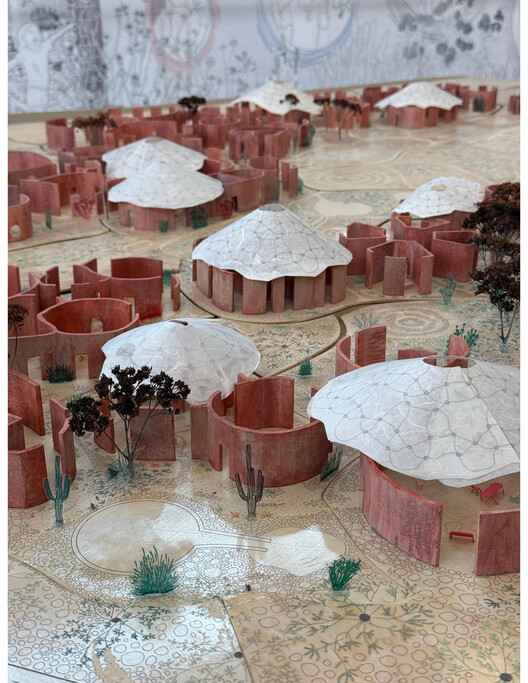
Escuelita Lochiel: An ArchDaily Student Project Awards Winner Reframing Education Through Adobe

Subscriber Access | 

In the high desert of the San Rafael Valley, a few miles from the United States-Mexico border in Lochiel, Arizona, an adobe schoolhouse has stood for more than a century. Built before 1905, before Arizona was an incorporated state, the schoolhouse served generations of Mexican American students from Arizona and Sonora, cultivating shared cultural experiences, stories, and relationships that transcend physical and political boundaries. Over decades of education and shared histories, it became a place where language and narrative moved freely, even as geopolitical tensions continued to rise along the border. Today, it is one of the last remaining one-room adobe schoolhouses in the United States.

Adobe is among the oldest building technologies in the American Southwest, and among the most demanding to steward. In desert climates, earthen walls face intense weathering from temperature extremes, cracking due to seasonal shifts, and accelerated decay after storm events. These vulnerabilities require sustained and skilled maintenance over many seasons and compounding decades. After years of encroaching abandonment and structural threats, a twelve-year restoration effort by local community members who understood this building as critical cultural infrastructure brought the schoolhouse back from the edge of demolition. That the community chose to undertake this effort, given everything Adobe construction demands of those who care for it, is a statement about what the loss of this building would have cost. The result is a structure that now stands as a monument to Mexican American heritage and a living archive of rural border education.
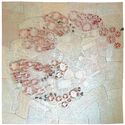
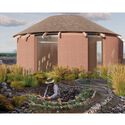
Escuelita Lochiel: An ArchDaily Student Project Awards Winner Reframing Education Through Adobe - Image 1 of 4Escuelita Lochiel: An ArchDaily Student Project Awards Winner Reframing Education Through Adobe - Image 2 of 4Escuelita Lochiel: An ArchDaily Student Project Awards Winner Reframing Education Through Adobe - Image 3 of 4Escuelita Lochiel: An ArchDaily Student Project Awards Winner Reframing Education Through Adobe - Image 4 of 4Escuelita Lochiel: An ArchDaily Student Project Awards Winner Reframing Education Through Adobe - More Images+ 5

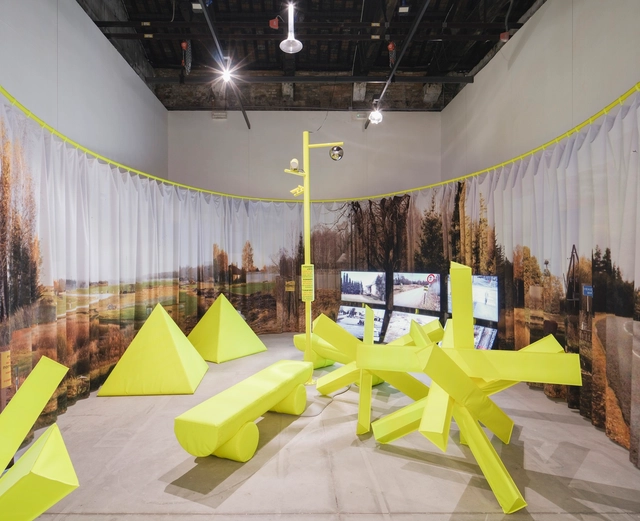
The Latvian Pavilion at the 2025 Venice Architecture Biennale Invites Critical Dialogue on the Spatial Impact of Conflict

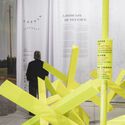
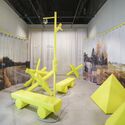
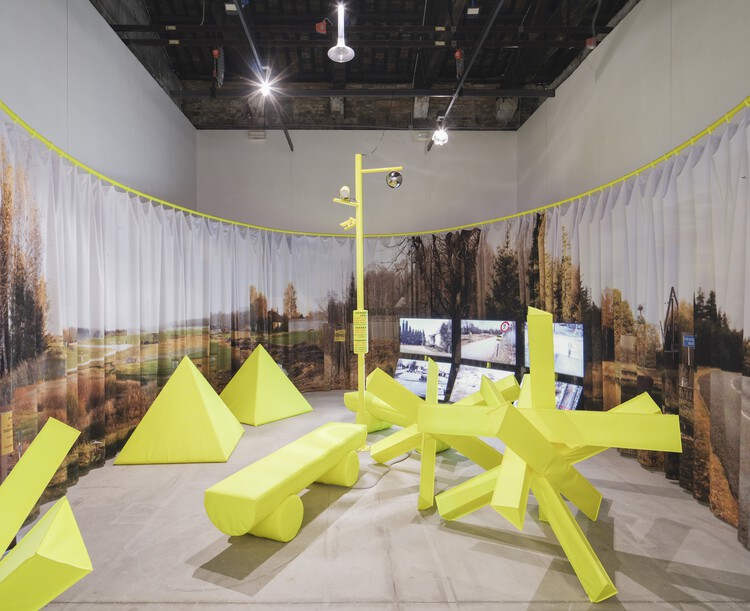
The Latvian Pavilion at the 19th International Architecture Exhibition – La Biennale di Venezia, commissioned by Jānis Dripe and curated by Liene Jākobsone and Ilka Ruby, explores the impact of military defense on the country's border landscape. The exhibition was designed by SAMPLING and Nomad Architects to highlight how geopolitical tensions shape both territory and daily life. In times of escalating international warfare, the curatorial team poses the question of what it means to live on NATO's external border in times of geopolitical conflict.

The Latvian Pavilion at the 2025 Venice Architecture Biennale Invites Critical Dialogue on the Spatial Impact of Conflict - Image 1 of 4The Latvian Pavilion at the 2025 Venice Architecture Biennale Invites Critical Dialogue on the Spatial Impact of Conflict - Image 2 of 4The Latvian Pavilion at the 2025 Venice Architecture Biennale Invites Critical Dialogue on the Spatial Impact of Conflict - Image 3 of 4The Latvian Pavilion at the 2025 Venice Architecture Biennale Invites Critical Dialogue on the Spatial Impact of Conflict - Image 4 of 4The Latvian Pavilion at the 2025 Venice Architecture Biennale Invites Critical Dialogue on the Spatial Impact of Conflict - More Images+ 14

What Architectural Opportunities Will the Trans-West African Coastal Highway Provide?

Subscriber Access | 

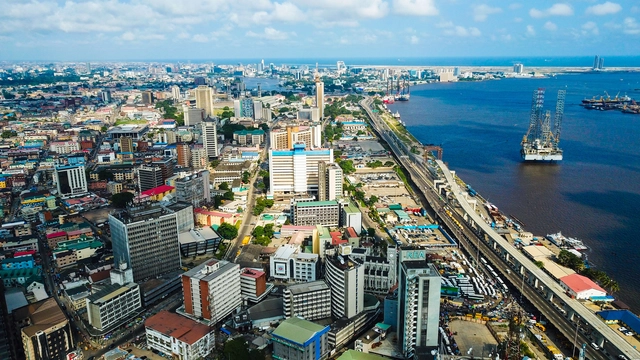
Traveling on land through vast regional areas of African countries has been an inefficient ordeal, particularly in West Africa. Google Maps optimistically estimates it would take 53 hours to drive nonstop from Lagos, Nigeria's largest city, to Dakar, Senegal's capital. However, this estimate doesn't account for the poor road infrastructure, complex border crossings, and socio-economic challenges that realistically extend the journey to about a week.

This is why the ongoing Trans-West African Coastal Highway project offers a great opportunity to connect and unlock the region's potential. This project, also known as TAH 7, is a transnational highway initiative linking 12 West African coastal nations, from Mauritania in the northwest to Nigeria in the east. Its gradual construction opens new avenues for freight movement, rail infrastructure, and, more importantly, innovative forms of architecture around borders, addressing their unique socio-cultural functions.

What Architectural Opportunities Will the Trans-West African Coastal Highway Provide? - Image 1 of 4What Architectural Opportunities Will the Trans-West African Coastal Highway Provide? - Image 2 of 4What Architectural Opportunities Will the Trans-West African Coastal Highway Provide? - Image 3 of 4What Architectural Opportunities Will the Trans-West African Coastal Highway Provide? - Image 4 of 4What Architectural Opportunities Will the Trans-West African Coastal Highway Provide? - More Images+ 4