1. ArchDaily
  2. Building Information Modelling

Building Information Modelling: The Latest Architecture and News

From Data to Digital Twins: Japan’s PLATEAU Project Offers Open-Access Models of More Than 250 Cities

"Map the New World" is the motto of Project PLATEAU, led by Japan's Ministry of Land, Infrastructure, Transport and Tourism (MLIT), to develop and expand access to 3D models representing the diversity of cities across the country. Japan comprises a total of 744 cities, including 14 with populations exceeding one million, 190 with between 100,000 and one million inhabitants, and 540 with populations between 10,000 and 100,000. To date, 3D models of more than 250 cities have been made available as open data through the country's public G-Spatial Information Center, and can also be accessed via an online browser viewer. According to public authorities, the project aims to strengthen urban resilience by providing society with new tools to address local challenges. This involves not only urban space modeling but also collaboration with local governments, private companies, and technology communities. The project also includes a digital reconstruction of the recently closed Osaka World Expo site.


From Data to Digital Twins: Japan’s PLATEAU Project Offers Open-Access Models of More Than 250 Cities - Image 1 of 4From Data to Digital Twins: Japan’s PLATEAU Project Offers Open-Access Models of More Than 250 Cities - Image 2 of 4From Data to Digital Twins: Japan’s PLATEAU Project Offers Open-Access Models of More Than 250 Cities - Image 3 of 4From Data to Digital Twins: Japan’s PLATEAU Project Offers Open-Access Models of More Than 250 Cities - Image 4 of 4From Data to Digital Twins: Japan’s PLATEAU Project Offers Open-Access Models of More Than 250 Cities - More Images+ 1

The Timeless Appeal of Modernism in Technology and Digital Architecture

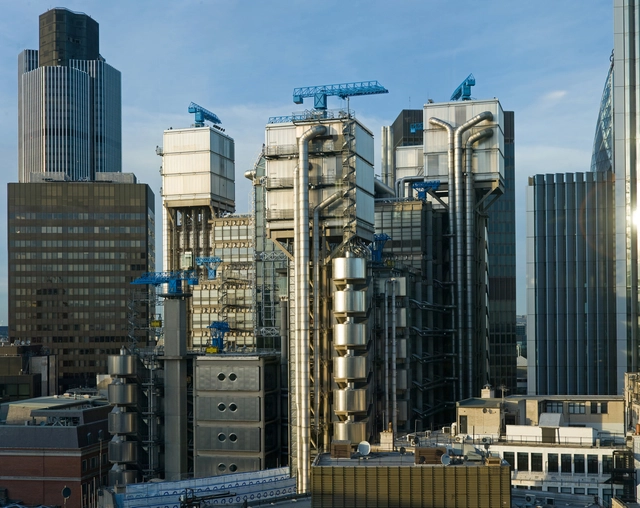
Modernism, a movement that sought to break away from traditional forms and embrace the future, laid the groundwork for many technological and digital advancements in contemporary architecture. As the Industrial Revolution brought about mass production, new materials, and technological innovation, architects like Le Corbusier, Walter Gropius, and Mies van der Rohe championed the ethos of "form follows function" and a rational approach to design. Their principles resonate in the digital age, where computational design and high-tech materials redefine form and construction.

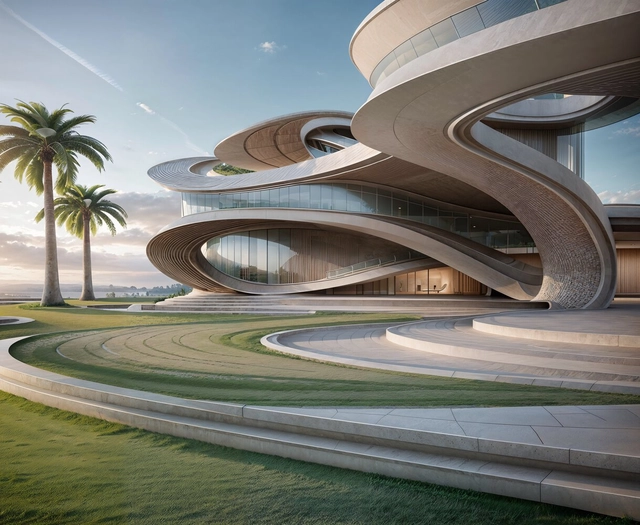
The 20th century's modernist ideals — efficiency, simplicity, and functionality — created a foundation for architects to experiment with structural clarity and material honesty. High-tech architecture, which emerged in the late 20th century, evolved from these principles, merging modernism's clean lines with advanced engineering and technology. This paved the way for parametricism and algorithm-driven design processes, revolutionizing architecture and enabling complex forms previously thought impossible.

The Timeless Appeal of Modernism in Technology and Digital Architecture - Image 1 of 4The Timeless Appeal of Modernism in Technology and Digital Architecture - Image 2 of 4The Timeless Appeal of Modernism in Technology and Digital Architecture - Image 3 of 4The Timeless Appeal of Modernism in Technology and Digital Architecture - Image 4 of 4The Timeless Appeal of Modernism in Technology and Digital Architecture - More Images+ 45

Parametric Architecture March Workshops

We are thrilled to announce our upcoming March workshops in collaboration with our ArchDaily Supporters partner, Parametric Architecture. These workshops have been thoughtfully curated to empower architects, designers, and enthusiasts by providing them with the latest insights and skills in the dynamic realm of parametric design. Guided by industry experts and visionaries, these immersive sessions will explore cutting-edge techniques, innovative tools, and practical applications, creating an inspiring and dynamic learning environment where participants can take their design expertise to unprecedented levels.

As a token of our appreciation, ArchDaily Supporters will be entitled to exclusive benefits, including special discounts on any of the workshops offered by Parametric Architecture and one complimentary monthly workshop. Your commitment to advancing architectural innovation seamlessly aligns with the enriching experiences that these workshops promise to deliver. Stay tuned for more information on how you can fully unlock your creative potential and embark on an exciting journey of design exploration in March.

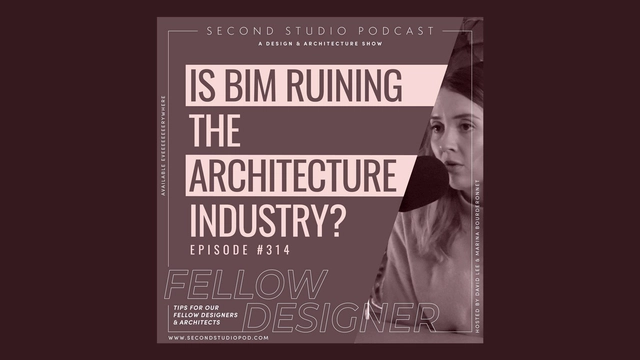
The Second Studio Podcast: Is BIM Ruining the Architecture Industry?

The Second Studio (formerly The Midnight Charette) is an explicit podcast about design, architecture, and the everyday. Hosted by Architects David Lee and Marina Bourderonnet, it features different creative professionals in unscripted conversations that allow for thoughtful takes and personal discussions.

A variety of subjects are covered with honesty and humor: some episodes are interviews, while others are tips for fellow designers, reviews of buildings and other projects, or casual explorations of everyday life and design. The Second Studio is also available on iTunes, Spotify, and YouTube.

What is the Future of BIM? Graphisoft Unveils Archicad 26

 | Sponsored Content

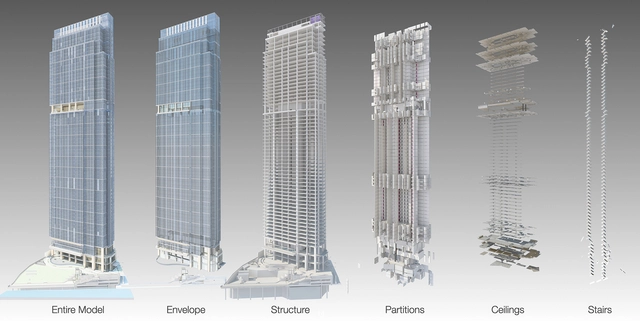
Considered the second most requested skill (behind field experience) in the industry and used by a growing number of design professionals, Building Information Modeling (BIM) has proved to be the present of architecture. But with constant new features and exciting improvements, it is also very much the future. For decades, the revolutionary software has established itself as a powerful tool with a long list of invaluable capabilities: detecting errors, reducing costs and material waste, mitigating risks, optimizing workflows and, above all, allowing for seamless, multi-disciplinary collaboration.

What is a Digital Twin?

Subscriber Access | 

The emergence of the Digital Twin phenomenon has heralded a great change in terms of urban planning. It essentially presents the city as dynamic, in virtual form. Ensuring every element from the historic fabric, new construction, and public transit is accounted for in one three-dimensional model. Not only does it present key elements in terms of the landscape, but it also encompasses often overlooked conditions such as the presence of light throughout the day, shadows, and the presence of vegetation and trees. All of which contribute to a better preliminary process of site analysis.

ThinkParametric Offers Free Online Classes

Launched in May of 2014, ThinkParametric is an online platform for learning the tools of the digital architecture trade. Gaining access to their video tutorials and the benefit of their online community would usually set you back $29 per month, or $269 for an entire year. However, to celebrate a successful first year, on March 12th they announced an "Open Class Season," a full month for people to enjoy their courses for free.