1. ArchDaily
  2. Child

Child: The Latest Architecture and News

Childhood and Ancestry: What South American Indigenous Communities Can Teach Us About Environments for Children

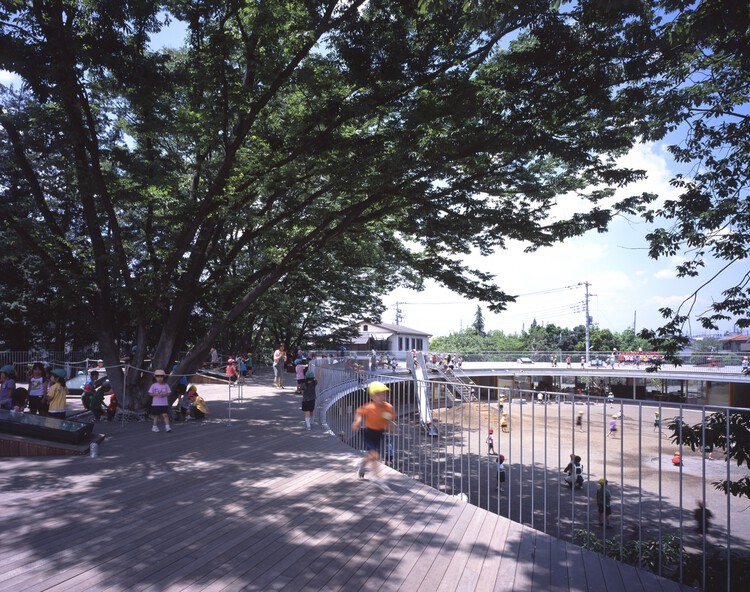
In South American Indigenous communities, a child’s place is wherever they choose to be. Babies crawl on the earthen floor, approach the fire, investigate anthills, and experience the world with their whole bodies. They learn by feeling: discovering limits, recognizing dangers, and gathering lessons no manual could ever teach. In urban contexts, by contrast, children are often confined to spaces designed for adults, filled with rules that—though well-intentioned—tend to distance them from essential experiences. Rather than judging which model is “better,” what matters is recognizing that when cultures observe one another, there is always room for learning.

From an architectural perspective, this childhood with little freedom of time and movement challenges us to rethink how we shape daily environments. Why restrict spontaneous exploration to controlled settings? Why create physical and symbolic barriers between children and the natural world? And, above all, how might contemporary architecture break away from this paradigm and, inspired by Indigenous childhoods, design environments that restore to children their wild, curious, and complete dimension?
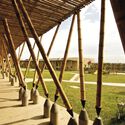
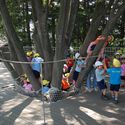
Childhood and Ancestry: What South American Indigenous Communities Can Teach Us About Environments for Children - Image 1 of 4Childhood and Ancestry: What South American Indigenous Communities Can Teach Us About Environments for Children - Image 2 of 4Childhood and Ancestry: What South American Indigenous Communities Can Teach Us About Environments for Children - Image 3 of 4Childhood and Ancestry: What South American Indigenous Communities Can Teach Us About Environments for Children - Image 4 of 4Childhood and Ancestry: What South American Indigenous Communities Can Teach Us About Environments for Children - More Images+ 15

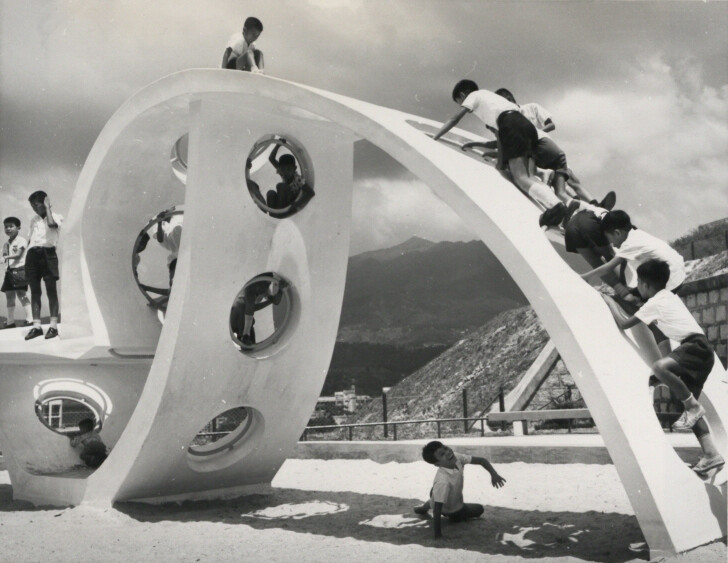
Playscapes and Public Imagination: The Ambiguous Play in Urban Life of Hong Kong

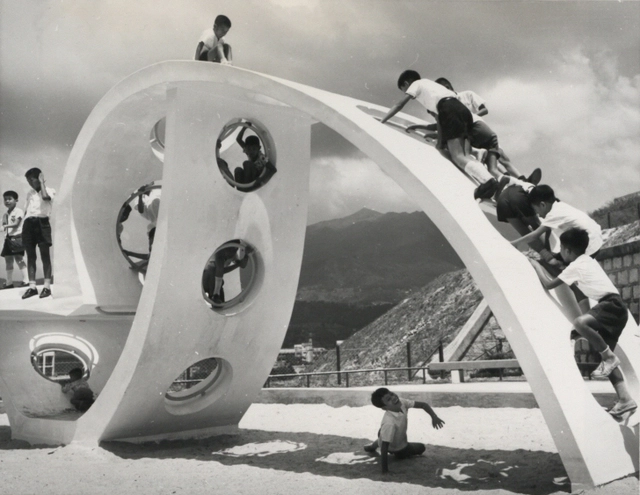
When we think about cities and urban life, we often focus on infrastructure, culture, commerce, nightlife, and density. In metropolises where there seems to be an endless array of activities—especially for adults—play rarely enters the conversation. Yet, the act of playing should be considered a vital part of urban life. Play directly influences how we shape our future cities—starting with how children engage with their environments. The experience of play, and more specifically, the design and presence of playgrounds, leaves lasting impressions on how young people grow up in cities. These spaces form a child's first, physical connection to the urban landscape. In this way, play deserves far more attention in conversations around urban wellness, livability, and the design of public space.

Playscapes and Public Imagination: The Ambiguous Play in Urban Life of Hong Kong - Image 1 of 4Playscapes and Public Imagination: The Ambiguous Play in Urban Life of Hong Kong - Image 2 of 4Playscapes and Public Imagination: The Ambiguous Play in Urban Life of Hong Kong - Image 3 of 4Playscapes and Public Imagination: The Ambiguous Play in Urban Life of Hong Kong - Image 4 of 4Playscapes and Public Imagination: The Ambiguous Play in Urban Life of Hong Kong - More Images+ 13

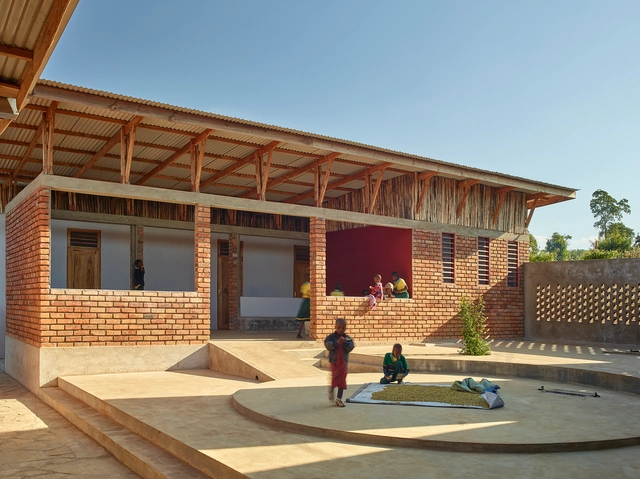
Refuges of Hope: 10 Shelters for Vulnerable Children Around the World

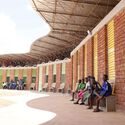
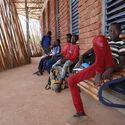
Architecture in children’s shelters serves a purpose beyond building physical spaces; it is about creating refuges that nurture healing, protection, and growth. For vulnerable children, designing these environments plays a vital role in their emotional recovery. Every aspect—from natural lighting to room layout—works together to create a secure and welcoming atmosphere, supporting their physical well-being and psychological and social development.

Refuges of Hope: 10 Shelters for Vulnerable Children Around the World - Image 1 of 4Refuges of Hope: 10 Shelters for Vulnerable Children Around the World - Image 2 of 4Refuges of Hope: 10 Shelters for Vulnerable Children Around the World - Image 3 of 4Refuges of Hope: 10 Shelters for Vulnerable Children Around the World - Image 4 of 4Refuges of Hope: 10 Shelters for Vulnerable Children Around the World - More Images+ 10

Projects That Give New Meaning to Childhood Homes

Subscriber Access | 

Home is not just a physical structure defined by its materials and spatial characteristics. It is the result of everyday habits, routines, and fond memories blending into the very essence of the place through its walls, textures, and aromas. This is why a true home cannot be instantly created; it demands time, and a sense of continuity, as it reflects the ongoing adaptation of both the family and the individual within that space.

Projects That Give New Meaning to Childhood Homes - Image 1 of 4Projects That Give New Meaning to Childhood Homes - Image 2 of 4Projects That Give New Meaning to Childhood Homes - Image 3 of 4Projects That Give New Meaning to Childhood Homes - Image 4 of 4Projects That Give New Meaning to Childhood Homes - More Images+ 8