1. ArchDaily
  2. Church

Church: The Latest Architecture and News

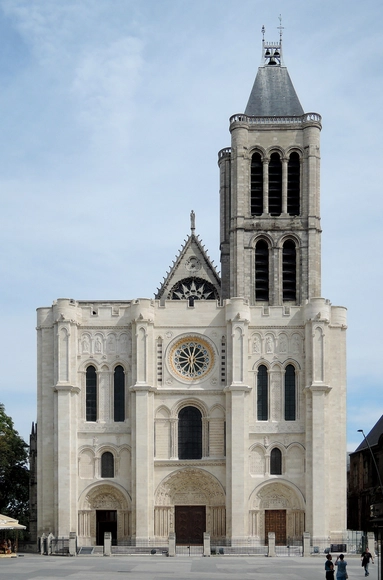
AD Classics: Royal Basilica of Saint-Denis / Abbot Suger

The origin of Gothic architecture, a style which defined Europe in the later Middle Ages, can be traced to a single abbey church in the northern suburbs of Paris. The Basilique royale de Saint-Denis (Royal Basilica of Saint-Denis), constructed on the site of an abbey and reliquary established in Carolingian (800-888 CE) times, was partially rebuilt under the administration of Abbot Suger in the early 12th Century; these additions—utilizing a variety of structural and stylistic techniques developed in the construction of Romanesque churches in the preceding centuries—would set medieval architecture on a new course that would carry it through the rest of the epoch.

AD Classics: Royal Basilica of Saint-Denis / Abbot Suger - Religious Buildings, Facade, ArcadeAD Classics: Royal Basilica of Saint-Denis / Abbot Suger - Religious Buildings, Arch, ArcadeAD Classics: Royal Basilica of Saint-Denis / Abbot Suger - Religious Buildings, Facade, Arch, Column, Door, BenchAD Classics: Royal Basilica of Saint-Denis / Abbot Suger - Religious Buildings, Door, Facade, Column, Arcade, ArchAD Classics: Royal Basilica of Saint-Denis / Abbot Suger - More Images+ 4

Lux Aeterna Holy Cross Chapel / OPA Open Platform for Architecture

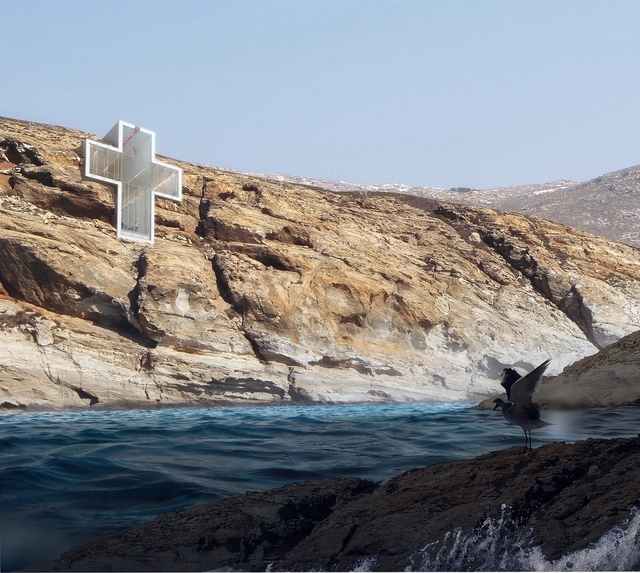
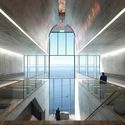
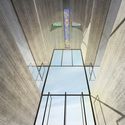
Open Platform for Architecture (OPA) has released designs for the latest in their series of cliffside buildings: Lux Aeterna / Holy Cross Chapel. Similar to their previous project, Casa Brutale, the chapel employs a style referred to by OPA as “Transcendental Brutalism,” and has been embedded into the side of a cliff. The front profile of the building takes the shape of a cross, to be a seen as a spiritual beacon as it is approached from the water.

Lux Aeterna Holy Cross Chapel / OPA Open Platform for Architecture - Image 1 of 4Lux Aeterna Holy Cross Chapel / OPA Open Platform for Architecture - Image 2 of 4Lux Aeterna Holy Cross Chapel / OPA Open Platform for Architecture - Image 3 of 4Lux Aeterna Holy Cross Chapel / OPA Open Platform for Architecture - Image 4 of 4Lux Aeterna Holy Cross Chapel / OPA Open Platform for Architecture - More Images+ 25

AD Classics: Parish of the Holy Sacrifice / Leandro V. Locsin

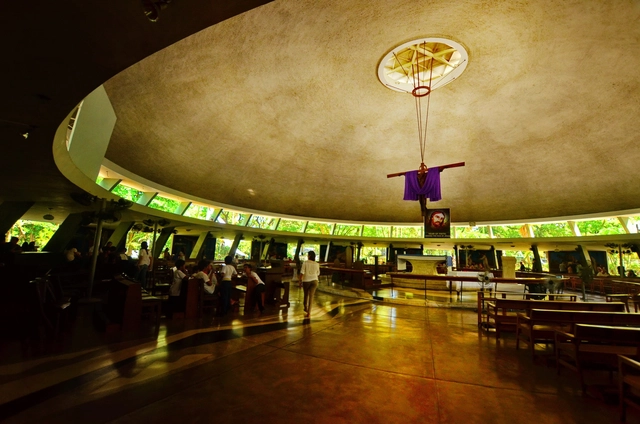
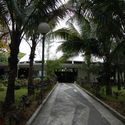
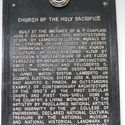
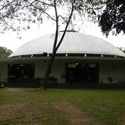
Once dubbed a “flying saucer,” the Parish (Church) of the Holy Sacrifice is a Modernist expression which embodies the complex colonial history of the Philippines. Located on a university campus in Quezon City (formerly the capital of the nation, now a part of the Metro Manila National Capital Region), the domed concrete church was the product of Filipino architect Leandro Locsin, and of three other national artists who contributed to the building’s interior.[1] Locsin’s design, which combines elements of traditional Filipino architecture with postwar International aesthetics, is a potent symbol of a newly-independent nation following centuries of imperial control.

AD Classics: Parish of the Holy Sacrifice / Leandro V. Locsin - Religious Buildings, BenchAD Classics: Parish of the Holy Sacrifice / Leandro V. Locsin - Religious Buildings, Garden, ArchAD Classics: Parish of the Holy Sacrifice / Leandro V. Locsin - Religious BuildingsAD Classics: Parish of the Holy Sacrifice / Leandro V. Locsin - Religious BuildingsAD Classics: Parish of the Holy Sacrifice / Leandro V. Locsin - More Images+ 2

Purcell Wins Competition to Revitalize St Mary Redcliffe

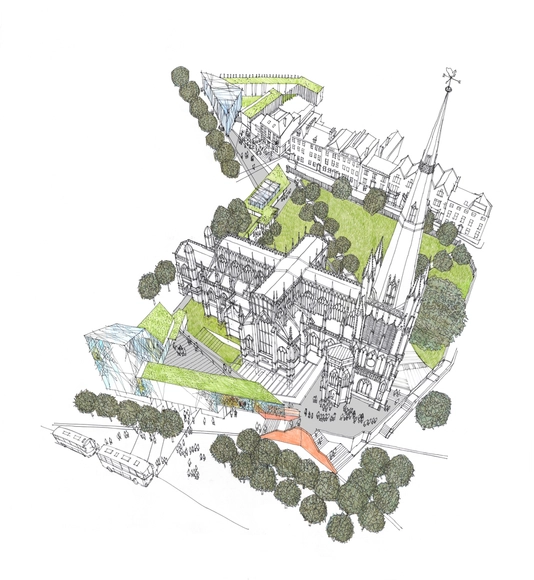
Purcell has been announced as the winner of the St Mary Redcliffe Design Competition, organized by Malcolm Reading. The competition sought a design which successfully reconciled the preservation of the building in its historical form with the necessary expansion to accommodate growing programmatic requirements.

The two-stage competition drew initial submissions from 53 practices, both local and international. Of these, Eric Parry Architects, Carmody Groarke, Feilden Clegg Bradley Studios, dRMM and Purcell were invited to submit concept designs, all of which can be viewed here. Purcell's winning design uses two main axes to "stitch" the church into its neighborhood and is described by Malcolm Reading as showing "the deepest understanding of the site and context and the opportunity at St Mary Redcliffe."