1. ArchDaily
  2. CICADA

CICADA: The Latest Architecture and News

Reconsidering the Shotgun House: Between Preservation, Experimentation, and Displacement

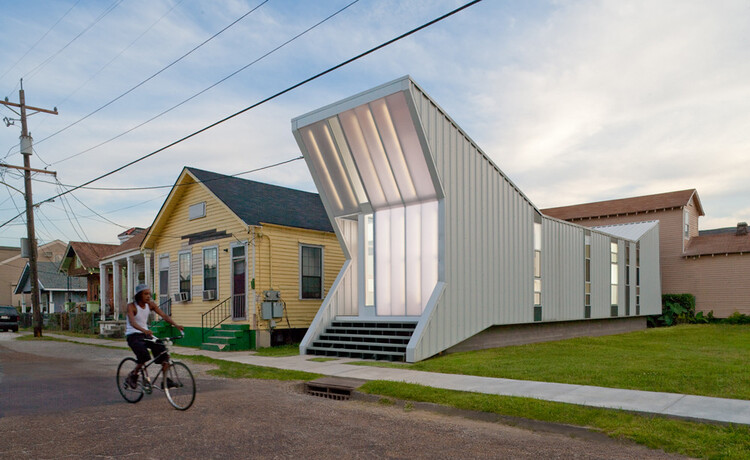
Emerging in port cities and working-class neighborhoods throughout the nineteenth century, the shotgun house became a durable response to density, climate, and constrained urban parcels, becoming one of the defining domestic forms of the Southern United States. Its narrow footprint, sequential plan, and deeply shaded porches produced a spatial logic that was economical and environmentally responsive before either term became central to architectural discourse. From New Orleans and Mobile to Houston and Louisville, shotgun houses formed the physical fabric of neighborhoods shaped by migration, labor, community, and cultural life. Though often dismissed as ordinary, vernacular construction, the housing typology has long embodied sophisticated ideas about climate adaptation, social adjacency, and incremental urban growth, making it one of the most influential domestic forms in the history of the American city.
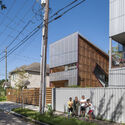
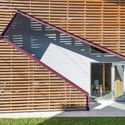
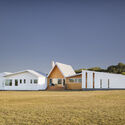
Reconsidering the Shotgun House: Between Preservation, Experimentation, and Displacement - Image 1 of 4Reconsidering the Shotgun House: Between Preservation, Experimentation, and Displacement - Image 2 of 4Reconsidering the Shotgun House: Between Preservation, Experimentation, and Displacement - Image 3 of 4Reconsidering the Shotgun House: Between Preservation, Experimentation, and Displacement - Image 4 of 4Reconsidering the Shotgun House: Between Preservation, Experimentation, and Displacement - More Images+ 20

Morning Rituals: Architecture of Breakfast Spaces

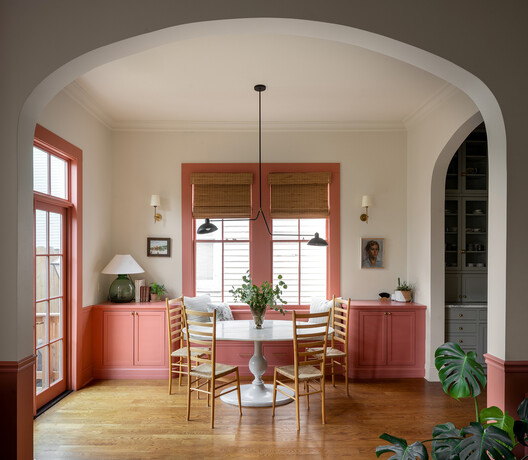
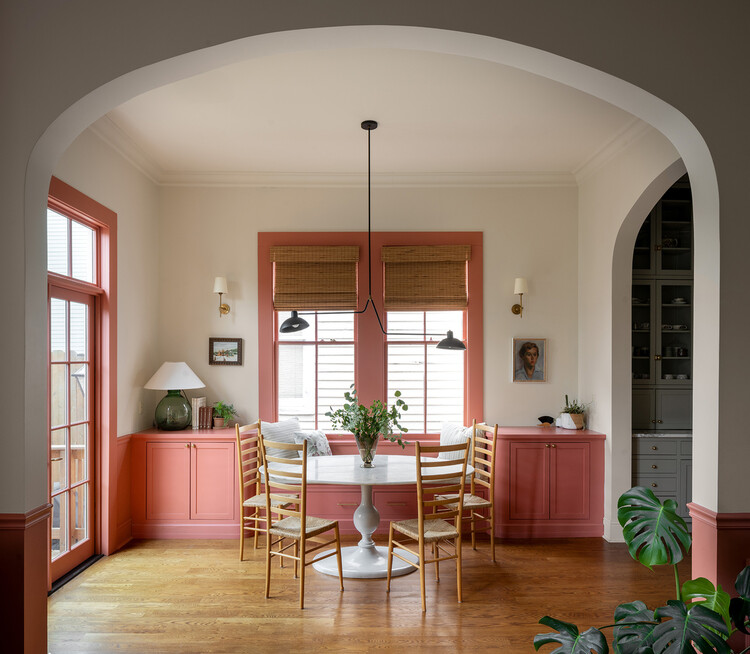
Breakfast nooks emerged in the early twentieth century in response to increasing domestic density and shifting ideas about everyday life. Rooted in the American Arts and Crafts movement and popularized through bungalow housing of the 1910s and 1920s, they evolved from the more formal Victorian breakfast room into compact, built-in spaces embedded within the kitchen. As houses grew smaller and more economical, architects and millwork companies used fixed benches and tables to occupy corners, alcoves, and bay windows that might otherwise be inefficient. These light-filled enclosures provided an affordable means of concentrating daily activities while preserving comfort and spatial clarity.

Morning Rituals: Architecture of Breakfast Spaces - Image 1 of 4Morning Rituals: Architecture of Breakfast Spaces - Image 2 of 4Morning Rituals: Architecture of Breakfast Spaces - Image 3 of 4Morning Rituals: Architecture of Breakfast Spaces - Image 4 of 4Morning Rituals: Architecture of Breakfast Spaces - More Images+ 13