1. ArchDaily
  2. Cities and Nature

Cities and Nature: The Latest Architecture and News

Reading the Territory: The Landscapes of Estudio Ome

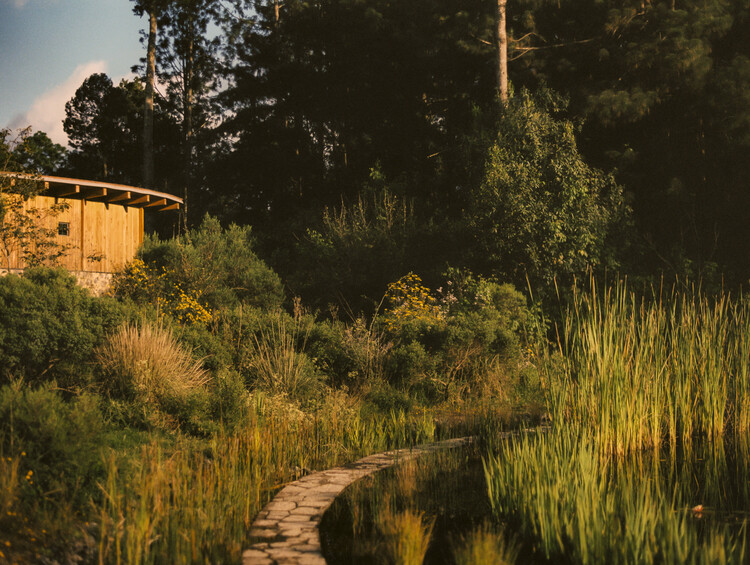
Based in Mexico City, Estudio Ome, founded by Susana Rojas Saviñón and Hortense Blanchard, is an architectural and landscape practice working across forests, volcanic terrains, urban fragments, and former industrial sites. Winner of the ArchDaily 2025 Next Practices Awards, the studio develops projects through sustained observation of ecological and territorial conditions, where design decisions arise directly from the behavior of soil, water, vegetation, and ground.

Each project begins with repeated encounters. The terrain is first approached through walking and prolonged observation, letting drainage patterns, erosion, and seasonal shifts become legible before any formal measurement occurs. These visits form the basis for interpreting both visible and subterranean layers—hydrology and historical transformations that continue to exert force on the surface.
Reading the Territory: The Landscapes of Estudio Ome - Image 1 of 4Reading the Territory: The Landscapes of Estudio Ome - Image 2 of 4Reading the Territory: The Landscapes of Estudio Ome - Image 3 of 4Reading the Territory: The Landscapes of Estudio Ome - Image 4 of 4Reading the Territory: The Landscapes of Estudio Ome - More Images+ 31

Architectures of the Gaze: 25 Viewpoints for Experiencing the Landscape

Subscriber Access | 

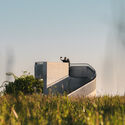
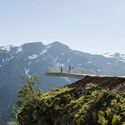
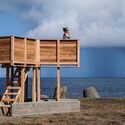
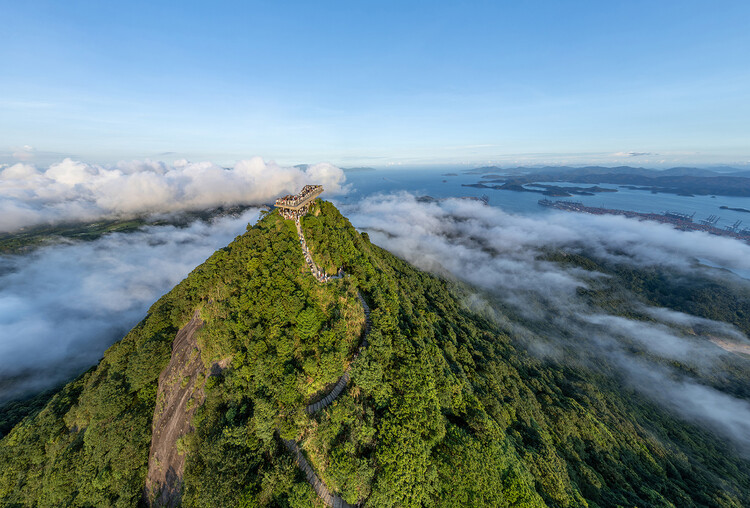
Viewpoints are structures designed for observing the landscape from elevated positions. Set within natural settings or urban environments, they act as devices that organize the gaze and establish a direct relationship between the body and the territory. At this threshold between observer and landscape, viewpoints can take on a wide range of configurations, from subtle gestures to monumental structures, always responding to their specific context. Regardless of scale, they are — to some extent — attempts to domesticate vastness: precise framings that make legible what, without mediation, might otherwise appear as excess.

Architectures of the Gaze: 25 Viewpoints for Experiencing the Landscape - Image 1 of 4Architectures of the Gaze: 25 Viewpoints for Experiencing the Landscape - Image 2 of 4Architectures of the Gaze: 25 Viewpoints for Experiencing the Landscape - Image 3 of 4Architectures of the Gaze: 25 Viewpoints for Experiencing the Landscape - Image 4 of 4Architectures of the Gaze: 25 Viewpoints for Experiencing the Landscape - More Images+ 36

Mobility Justice: Urban Equity in an Era of Innovation

Subscriber Access | 

Every city contains two transportation systems. One is the visible network of roads, rail lines, sidewalks, and bus routes mapped in planning documents. The other is the invisible geography of privilege and exclusion embedded within it: the neighborhoods that received highways instead of parks, the communities whose bus routes were cut, the sidewalks that abruptly end at the edge of a district. For many years, built-environment professionals have treated infrastructure as a technical challenge. Mobility justice insists it is, fundamentally, a political one.

Mobility Justice: Urban Equity in an Era of Innovation - Image 1 of 4Mobility Justice: Urban Equity in an Era of Innovation - Image 2 of 4Mobility Justice: Urban Equity in an Era of Innovation - Image 3 of 4Mobility Justice: Urban Equity in an Era of Innovation - Image 4 of 4Mobility Justice: Urban Equity in an Era of Innovation - More Images+ 25

A Natural Childhood: How Architecture Connects Landscape, Culture, and Play

How do nature and landscape dialogue within spaces designed for children? How are architecture and urban design capable of shaping natural atmospheres that integrate practices of play, participation, and exploration? From participatory projects that involve children in the design process to built environments that incorporate furniture adapted to their needs, the conception of spaces for childhood entails the creation of places for encounter, learning, and coexistence. At times, these spaces are able to strengthen the relationships between interiors and exteriors, connecting their users with nature and the surrounding environment. Depending on their cultures, customs, and histories of attachment to place, several contemporary projects deploy tools and strategies that integrate architecture, nature, and pedagogy to form broad experiences of learning, play, and discovery.

A Natural Childhood: How Architecture Connects Landscape, Culture, and Play - Image 1 of 4A Natural Childhood: How Architecture Connects Landscape, Culture, and Play - Image 2 of 4A Natural Childhood: How Architecture Connects Landscape, Culture, and Play - Image 3 of 4A Natural Childhood: How Architecture Connects Landscape, Culture, and Play - Image 4 of 4A Natural Childhood: How Architecture Connects Landscape, Culture, and Play - More Images+ 21

Biophilic Architecture without Plants: Invisible Design for Wellbeing

The term "biophilia" understandably conjures images of buildings engulfed by vegetation and integrated into natural landscapes. In modern architectural discourse, the concept has come to be associated with the incorporation of greenery into built environments, yet such applications represent only a sliver of biophilic design's true scope. Inarguably, nature plays a central role in biophilic design. However, its influence stretches to often-overlooked strategies that involve spatial configuration and environmental patterning. "Invisible" biophilia frequently leads to positive health outcomes for occupants, working impactfully beneath the surface.
Biophilic Architecture without Plants: Invisible Design for Wellbeing - Image 1 of 4Biophilic Architecture without Plants: Invisible Design for Wellbeing - Image 2 of 4Biophilic Architecture without Plants: Invisible Design for Wellbeing - Image 3 of 4Biophilic Architecture without Plants: Invisible Design for Wellbeing - Image 4 of 4Biophilic Architecture without Plants: Invisible Design for Wellbeing - More Images+ 4

Refuges in the Latin American Jungle: 7 Lodges to Connect With Nature

Subscriber Access | 

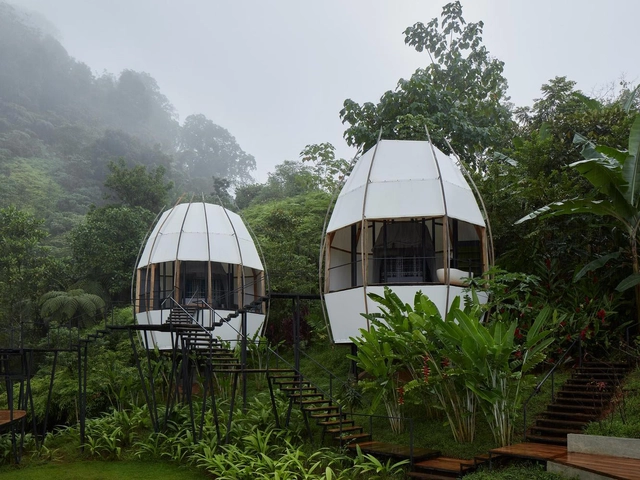
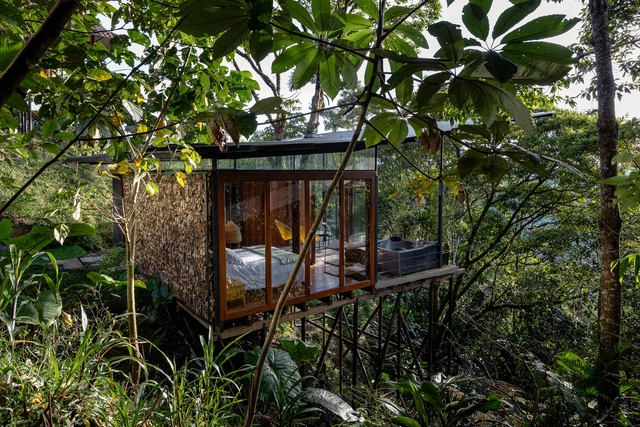
Many people living in large urban centers have, at some point, wished to trade the chaos of city life for the calm and tranquility of nature. As the desire for such experiences grows, Latin American countries' tourism and hospitality sectors have been investing in resorts nestled within forests. Inspired by eco-tourism, these retreats are designed to blend seamlessly into their surroundings, using local materials and traditional techniques that respect the ecosystem and promote sustainability.
Refuges in the Latin American Jungle: 7 Lodges to Connect With Nature - Image 1 of 4Refuges in the Latin American Jungle: 7 Lodges to Connect With Nature - Image 2 of 4Refuges in the Latin American Jungle: 7 Lodges to Connect With Nature - Image 3 of 4Refuges in the Latin American Jungle: 7 Lodges to Connect With Nature - Image 4 of 4Refuges in the Latin American Jungle: 7 Lodges to Connect With Nature - More Images+ 6

Residential Architecture in Ecuador: 8 Contemporary House Projects That Respect Their Natural Surroundings

Subscriber Access | 

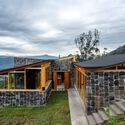
Ecuador, though a relatively small country in terms of land area, boasts a vast and diverse range of ecosystems and natural landscapes, including the Andes mountains, the Pacific coastline, and the Amazon rainforest. This makes the natural environment a key player, shaping its relationship with the built environment and demanding that architecture seamlessly integrate with and respect its context.

Over the years, Ecuadorian architecture has developed its own identity, successfully adapting to these diverse settings. Various construction techniques have been implemented, relying on locally sourced materials to create spaces and shelters in complete harmony with the landscape. Amid the growing trend of seeking a closer connection with nature, architecture in different regions of Ecuador has had to adjust to these conditions.

Residential Architecture in Ecuador: 8 Contemporary House Projects That Respect Their Natural Surroundings - Image 1 of 4Residential Architecture in Ecuador: 8 Contemporary House Projects That Respect Their Natural Surroundings - Image 2 of 4Residential Architecture in Ecuador: 8 Contemporary House Projects That Respect Their Natural Surroundings - Image 3 of 4Residential Architecture in Ecuador: 8 Contemporary House Projects That Respect Their Natural Surroundings - Image 4 of 4Residential Architecture in Ecuador: 8 Contemporary House Projects That Respect Their Natural Surroundings - More Images+ 23

How Flood Defenses Can Enhance the Public Realm

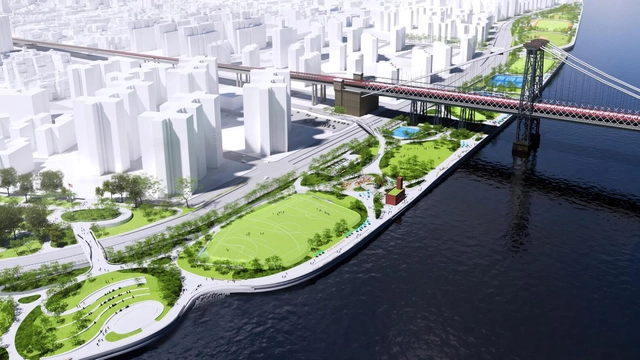
Superstorm Sandy inundated Lower Manhattan, causing billions in property and infrastructure damage. To protect against future flooding, storm surges, and sea level rise, landscape architects are developing an innovative mix of green and grey solutions along the southern coast of Manhattan.

These are not nature-based solutions but forms of armor. And designers are showing how this armature can be woven into the public realm, creating new kinds of infrastructure. Smart design is resulting in retractable gates and walls, landscaped berms, and raised platforms. No concrete walls separating communities from each other or the waterfront here.

How Flood Defenses Can Enhance the Public Realm - Image 1 of 4How Flood Defenses Can Enhance the Public Realm - Image 2 of 4How Flood Defenses Can Enhance the Public Realm - Image 3 of 4How Flood Defenses Can Enhance the Public Realm - Image 4 of 4How Flood Defenses Can Enhance the Public Realm - More Images+ 11

Infrastructure and Landscape: 12 Projects Redefining Natural Environments in Spain

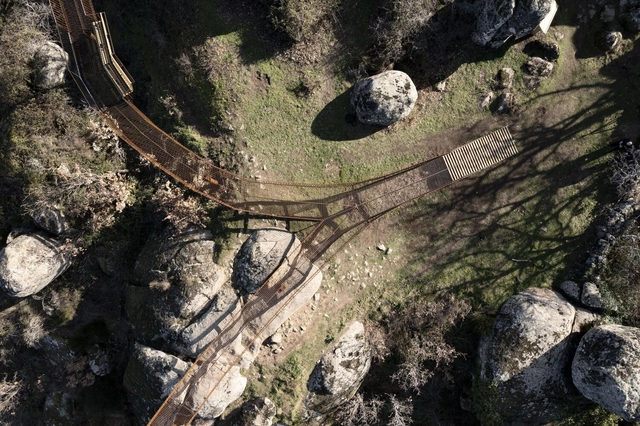
Spain, with its vast territory and notable diversity of landscapes, has been a reference point in the development of external infrastructures, both in urban and rural areas. Tourism has played a key role in this process, focusing on creating spaces that maximize the enjoyment of the natural environment and integrating local landscapes into urbanized areas. The construction of these infrastructures has had two main aspects: the adaptation of cities for both their residents and tourists and the development of rural or coastal areas, where nature is the main attraction. This has led to interventions ranging from creating waterfront promenades, viewpoints, and natural parks, to urbanization projects in previously untouched areas. Furthermore, urban growth has driven the creation of green infrastructures such as botanical gardens, ecological trails, and reserves that aim to protect the environment while being sustainably open to the public.

Infrastructure and Landscape: 12 Projects Redefining Natural Environments in Spain - Image 1 of 4Infrastructure and Landscape: 12 Projects Redefining Natural Environments in Spain - Image 2 of 4Infrastructure and Landscape: 12 Projects Redefining Natural Environments in Spain - Image 3 of 4Infrastructure and Landscape: 12 Projects Redefining Natural Environments in Spain - Image 4 of 4Infrastructure and Landscape: 12 Projects Redefining Natural Environments in Spain - More Images+ 14

Vice President Harris Makes the Case for Nature-based Solutions

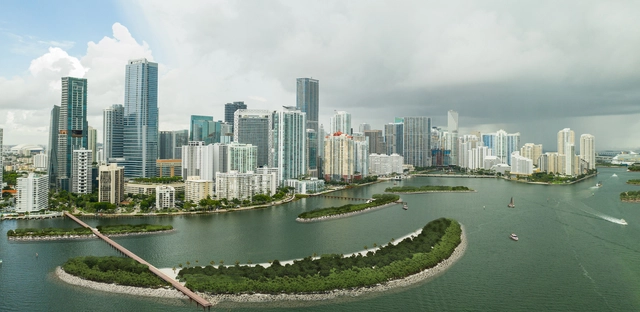
This Earth Day, U.S. Vice President Kamala Harris highlighted the many benefits of nature-based solutions and recognized the important role of landscape architects in this work. At the University of Miami, she also announced $562 million in funding for coastal resilience projects, supporting 149 projects in 30 states, through the Climate-Ready Coasts Initiative of the National Oceanic and Atmospheric Administration (NOAA). Vice President Harris’ remarks build on the Biden-Harris administration’s support for planning and designing with ecological systems in an equitable way.

Vice President Harris Makes the Case for Nature-based Solutions - Image 1 of 4Vice President Harris Makes the Case for Nature-based Solutions - Image 2 of 4Vice President Harris Makes the Case for Nature-based Solutions - Image 3 of 4Vice President Harris Makes the Case for Nature-based Solutions - Image 4 of 4Vice President Harris Makes the Case for Nature-based Solutions - More Images+ 1

Living in the Amazon in the 21st Century: A Planning and Urban Design Guide for Cities in the Peruvian Lowland Rainforest

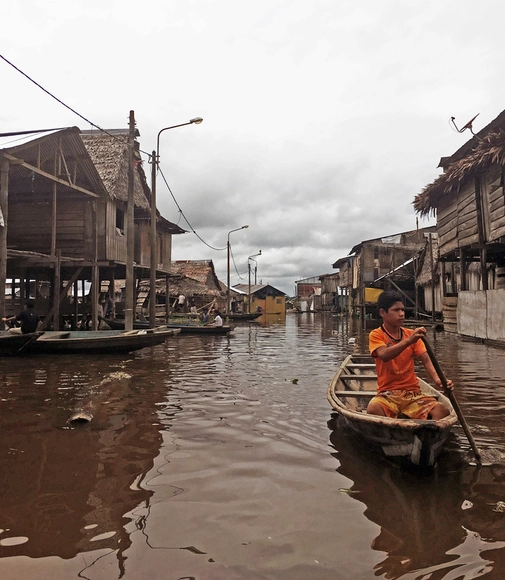
Addressing the universe of the world's largest tropical forest, the book 'Living in the Amazon in the 21st Century: A Guide to Urban Planning and Design for Cities in the Peruvian lowland rainforest', has been selected as a finalist in the category of publications at the 12th Ibero-American Biennial of Architecture and Urbanism. The issue, published in 2019 as part of the PUCP Architecture Publications, in the framework of the CASA (Self-Sustainable Amazonian Cities) project of the Climate Resilient Cities initiative of IDRC, FFLA and CDKN, focuses its research on the department of Loreto, presenting itself as "a guide for architecture and urban design, for settlements in the Amazon forest, including the social processes to be considered".

Living in the Amazon in the 21st Century: A Planning and Urban Design Guide for Cities in the Peruvian Lowland Rainforest - Image 1 of 4Living in the Amazon in the 21st Century: A Planning and Urban Design Guide for Cities in the Peruvian Lowland Rainforest - Image 2 of 4Living in the Amazon in the 21st Century: A Planning and Urban Design Guide for Cities in the Peruvian Lowland Rainforest - Image 3 of 4Living in the Amazon in the 21st Century: A Planning and Urban Design Guide for Cities in the Peruvian Lowland Rainforest - Image 4 of 4Living in the Amazon in the 21st Century: A Planning and Urban Design Guide for Cities in the Peruvian Lowland Rainforest - More Images+ 2