1. ArchDaily
  2. Clementine Blakemore Architects

Clementine Blakemore Architects: The Latest Architecture and News

Obsolete Typologies Revived Through 17 Adaptive Reuse Projects

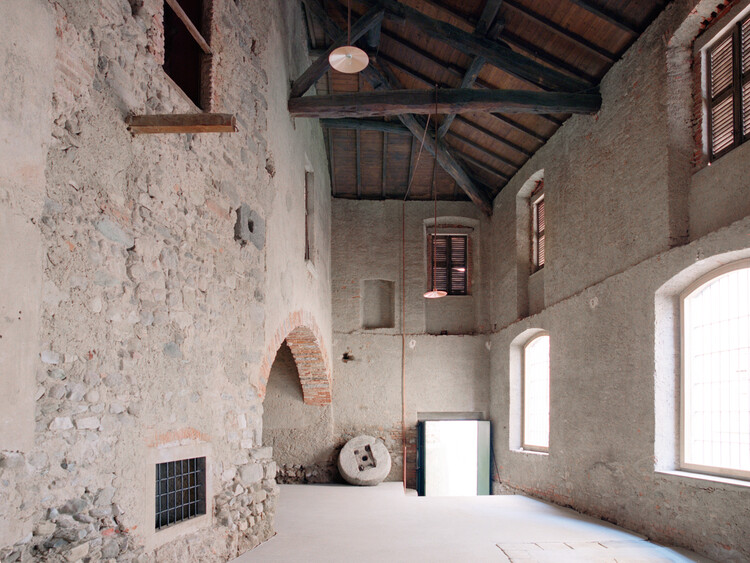
Adaptive reuse is shifting from simple preservation to active revitalization, a process of structurally rescuing and reprogramming architectural typologies whose original functions are no longer relevant. The obsolescence of architectural spaces occurs for varied reasons: sociological shifts, leaving spaces uninhabited; technological advances, phasing out specific machinery; and economic changes, making centralized functions necessary. The strategy of repurposing focuses on achieving spatial and functional longevity through minimal interventions, allowing the original structure to serve as the memory anchor of the project.

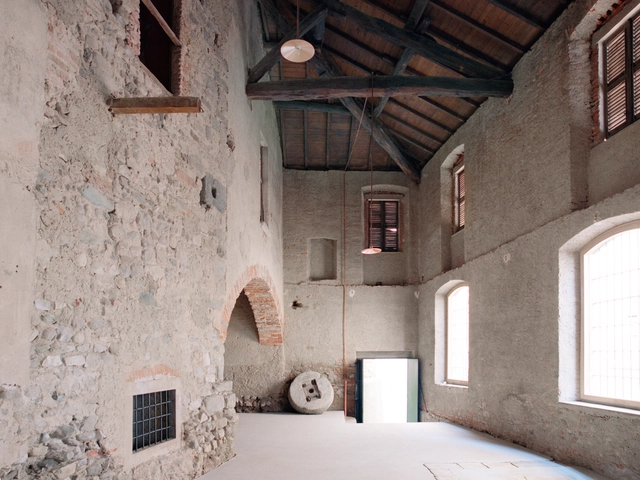
This wave of adaptive reuse treats the historic shell as a limited resource, prioritizing structural permanence over surface aesthetics. Designers are engaging in a sort of archaeological process by exposing the original structural essence: the heavy timber, raw concrete, or monumental masonry. Interventions are confined to meeting new programmatic needs, often appearing as an independent insertion within the ancient envelope. This contrast redefines the building's lifespan not as a singular narrative but as a layered story of continuous events.

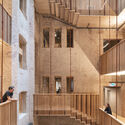
Obsolete Typologies Revived Through 17 Adaptive Reuse Projects - Image 9 of 4Obsolete Typologies Revived Through 17 Adaptive Reuse Projects - Image 4 of 4Obsolete Typologies Revived Through 17 Adaptive Reuse Projects - Image 13 of 4Obsolete Typologies Revived Through 17 Adaptive Reuse Projects - Image 5 of 4Obsolete Typologies Revived Through 17 Adaptive Reuse Projects - More Images+ 13

Cultivating Spaces: Where Architecture Meets the Farm-to-Table Movement

Subscriber Access | 

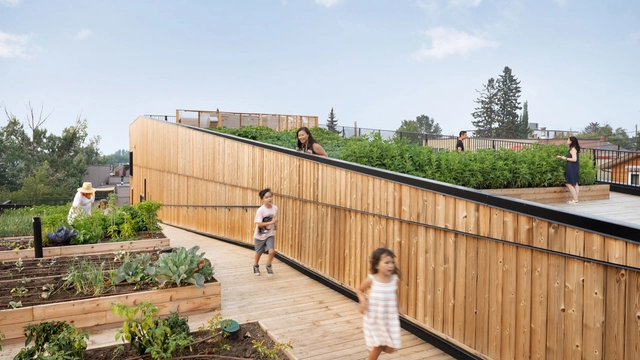
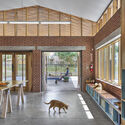
The farm-to-table movement represents a profound shift in how food is grown, distributed, and consumed. Rooted in sustainability and the support of local economies, it prioritizes fresh, locally sourced ingredients and fosters direct relationships between producers and consumers. While the concept focuses on food, the spaces where these connections occur are equally important in shaping the experience, highlighting the critical role of architecture.

Cultivating Spaces: Where Architecture Meets the Farm-to-Table Movement - Image 1 of 4Cultivating Spaces: Where Architecture Meets the Farm-to-Table Movement - Image 5 of 4Cultivating Spaces: Where Architecture Meets the Farm-to-Table Movement - Image 2 of 4Cultivating Spaces: Where Architecture Meets the Farm-to-Table Movement - Image 3 of 4Cultivating Spaces: Where Architecture Meets the Farm-to-Table Movement - More Images+ 60

RIBA Announces the Shortlist for the 2024 Stirling Prize

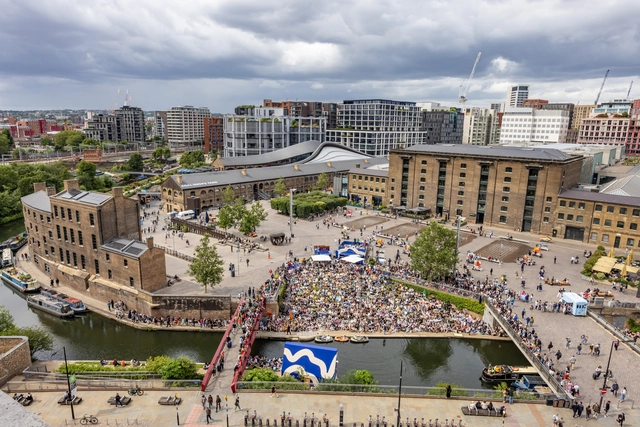
The Royal Institute of British Architects (RIBA) has revealed the six shortlisted projects for the 2024 RIBA Stirling Prize. Awarded annually since 1996, this represents one the most important architecture prizes in the United Kingdom, striving to reward and highlight projects that envision a more inclusive future and engage actively with current challenges of the built environment. The selected works range in scale and program, from a national art gallery to an inclusive rural retreat, major urban regeneration projects, and even a London underground line. While some of the selected architects have received previous awards, including Mikhail Riches for the Goldsmith Street in 2019 and Jamie Fobert for New Tate St Ives in 2018, other architects such as Clementine Blakemore Architects and Al-Jawad Pike are at their first nomination.

RIBA Announces the Shortlist for the 2024 Stirling Prize - Image 1 of 4RIBA Announces the Shortlist for the 2024 Stirling Prize - Image 2 of 4RIBA Announces the Shortlist for the 2024 Stirling Prize - Image 3 of 4RIBA Announces the Shortlist for the 2024 Stirling Prize - Image 4 of 4RIBA Announces the Shortlist for the 2024 Stirling Prize - More Images+ 25