1. ArchDaily
  2. Commons

Commons: The Latest Architecture and News

Dispatched: Architecture of the American Post Office and the Privatization of Civic Space

Post offices stand among the most enduring monuments of civic life in the United States. Across towns and city centers, they carry the shifting architectural ambitions of the nineteenth and twentieth centuries, from Greek Revival formality to Beaux-Arts monumentality and Art Deco ornament. Architects and federal planners would give these buildings a clear public role and a powerful physical presence. Stone façades, monumental halls, and crafted interiors projected stability, trust, and permanence. The post office placed the federal government directly into the everyday landscape of American life.


Dispatched: Architecture of the American Post Office and the Privatization of Civic Space - Image 4 of 4Dispatched: Architecture of the American Post Office and the Privatization of Civic Space - Image 6 of 4Dispatched: Architecture of the American Post Office and the Privatization of Civic Space - Image 7 of 4Dispatched: Architecture of the American Post Office and the Privatization of Civic Space - Featured ImageDispatched: Architecture of the American Post Office and the Privatization of Civic Space - More Images+ 10

The Quiet Tensions of POPS: How Private Institutions Shape Public Urban Wellness and Access

In contemporary urban development, the concept of Privately Owned Public Space (POPS) has gained increasing prominence. These are spaces that, while built, owned, and maintained by private developers, are legally required to remain publicly accessible. Often the result of negotiated planning incentives—such as zoning bonuses or increased floor area—POPS have become especially prevalent in dense urban environments where land is limited and demand for public amenities is high.

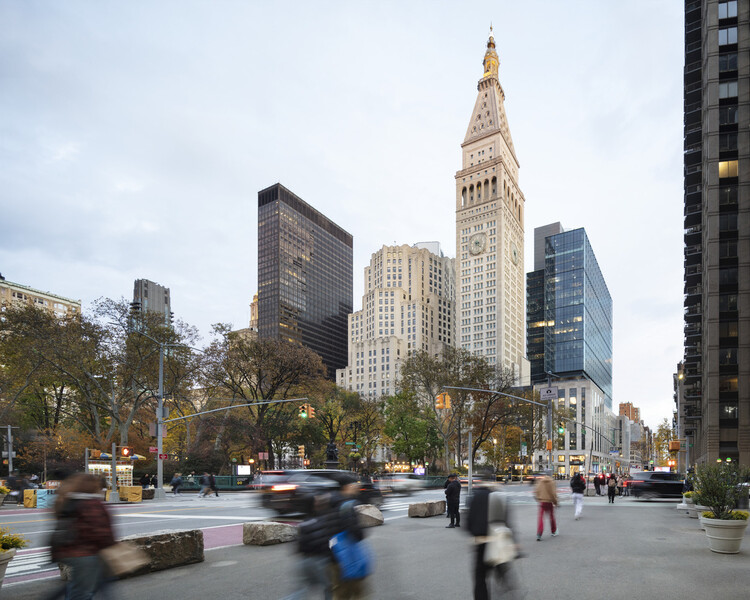
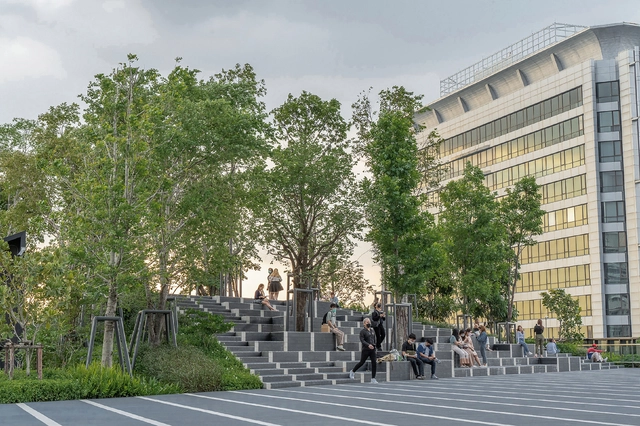
The Quiet Tensions of POPS: How Private Institutions Shape Public Urban Wellness and Access - Image 1 of 4The Quiet Tensions of POPS: How Private Institutions Shape Public Urban Wellness and Access - Image 2 of 4The Quiet Tensions of POPS: How Private Institutions Shape Public Urban Wellness and Access - Image 3 of 4The Quiet Tensions of POPS: How Private Institutions Shape Public Urban Wellness and Access - Image 4 of 4The Quiet Tensions of POPS: How Private Institutions Shape Public Urban Wellness and Access - More Images+ 24