1. ArchDaily
  2. Community Builders

Community Builders: The Latest Architecture and News

Beyond Disaster Relief: The Evolution of Super-Adobe Into Permanent Structures in Hormuz, Iran

Subscriber Access | 

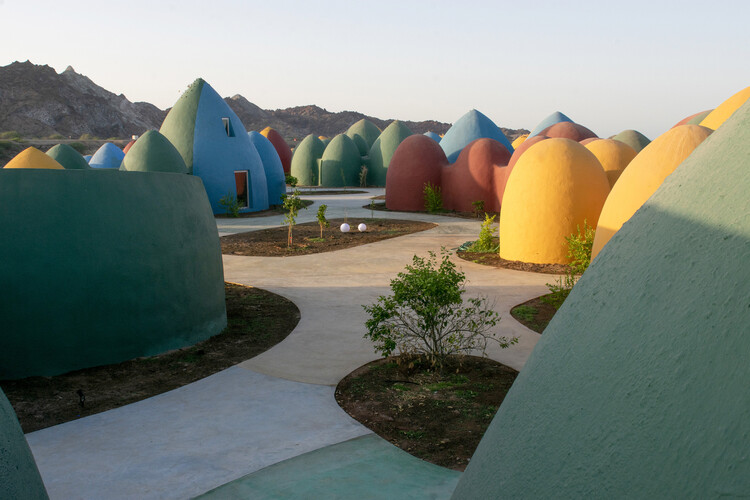
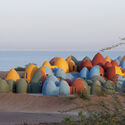
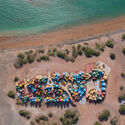
Hormuz Island, located in Iran, was a strategically significant port in the Persian Gulf, characterized by its landscape of colorful mountains. Despite its tourist appeal, the island faces significant socio-economic problems, with the local population having historically faced economic hardship. In response, the Majara Complex by ZAV Architects was conceived not merely as a building but as a deliberate architectural intervention designed to give control, opportunity, and economic benefit directly to the local community. To do this, the project channeled investment into local human resources and prioritized accessible construction techniques, creating a pathway for localized wealth creation. This allowed the Majara Complex to be one of the recipients of the Aga Khan Award for Architecture in 2025.
Beyond Disaster Relief: The Evolution of Super-Adobe Into Permanent Structures in Hormuz, Iran - Image 1 of 4Beyond Disaster Relief: The Evolution of Super-Adobe Into Permanent Structures in Hormuz, Iran - Image 2 of 4Beyond Disaster Relief: The Evolution of Super-Adobe Into Permanent Structures in Hormuz, Iran - Image 3 of 4Beyond Disaster Relief: The Evolution of Super-Adobe Into Permanent Structures in Hormuz, Iran - Image 4 of 4Beyond Disaster Relief: The Evolution of Super-Adobe Into Permanent Structures in Hormuz, Iran - More Images+ 4

Reading as a Social Act : 15 Micro-Libraries in Urban and Rural Settings

Subscriber Access | 

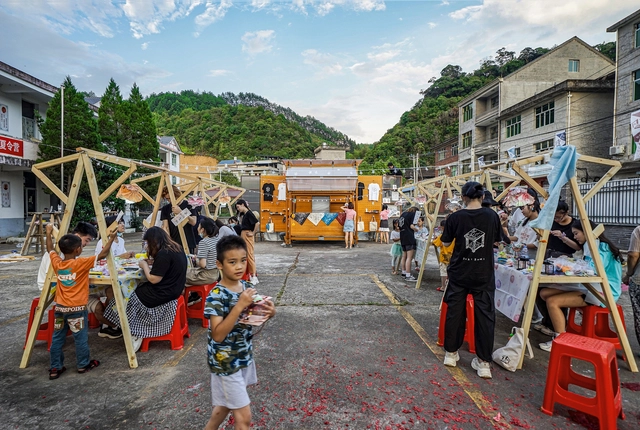
Reading a book is commonly seen as an individual activity, yet libraries have evolved to offer more than just book-lending services in the digital age. Public libraries have transformed into contemporary community centers, offering various social engagement opportunities while utilizing minimal urban space. Emphasizing the importance of building a sense of community, these institutions prioritize connecting individuals with common interests.

Reading as a Social Act : 15 Micro-Libraries in Urban and Rural Settings - Image 1 of 4Reading as a Social Act : 15 Micro-Libraries in Urban and Rural Settings - Image 2 of 4Reading as a Social Act : 15 Micro-Libraries in Urban and Rural Settings - Image 3 of 4Reading as a Social Act : 15 Micro-Libraries in Urban and Rural Settings - Image 4 of 4Reading as a Social Act : 15 Micro-Libraries in Urban and Rural Settings - More Images+ 13

The Digital Divide: Can Technology Support Vernacular Architecture?

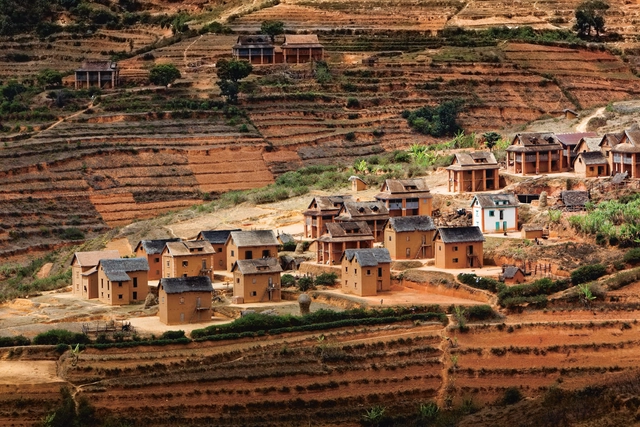
The architecture and construction industry has undergone a transformation with the integration of various digital tools, now indispensable to the design process. The welcoming of technologies has effectively streamlined operations, enhanced efficiency, and elevated design quality. This digital shift, however, has resulted in a digital divide that goes beyond accessibility to tools and software. It also encompasses the crucial aspect of integrating traditional and indigenous communities into the urban development landscape. Can advancing technology support the growth of vernacular architecture? Can indigenous building practices find a place in the vision for a digitalized future?

The Digital Divide: Can Technology Support Vernacular Architecture? - Image 1 of 4The Digital Divide: Can Technology Support Vernacular Architecture? - Image 2 of 4The Digital Divide: Can Technology Support Vernacular Architecture? - Image 3 of 4The Digital Divide: Can Technology Support Vernacular Architecture? - Image 4 of 4The Digital Divide: Can Technology Support Vernacular Architecture? - More Images+ 1

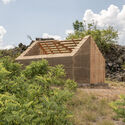
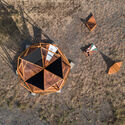
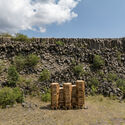
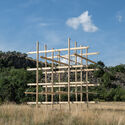
Hello Wood’s Builder Summit Experiments with Construction Techniques to Revive an Abandoned Quarry in Hungary

Subscriber Access | 

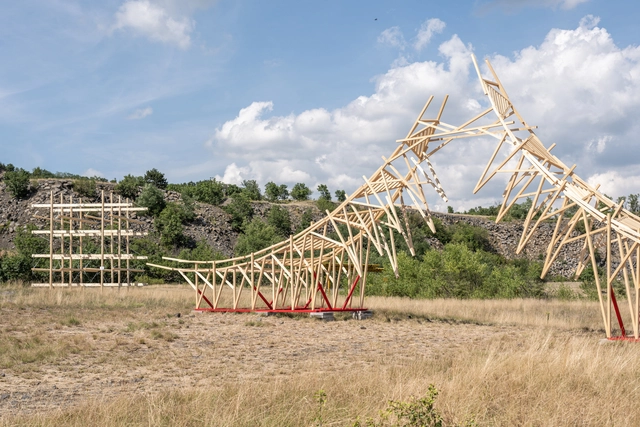
After a three-year break, Hello Wood’s builder festival returns to welcome students, architects, and young professionals from all across the world to join the 10-day builder camp to test their wooden construction abilities, learn to collaborate, and participate actively in on-site design and construction. For the first time in Hello Wood’s 13-year history, this year’s workshop takes place at a new location, in the crater of an abandoned basalt quarry on Haláp Mountain in Hungary. The workshop also aligns with and supports Veszprém’s title of 2023 European Capital of Culture, which also includes over a hundred other villages and towns across the Bakony-Balaton region. The event took place between July 6 and 15, ending in a two-day music festival open to all.

Hello Wood’s Builder Summit Experiments with Construction Techniques to Revive an Abandoned Quarry in Hungary - Image 1 of 4Hello Wood’s Builder Summit Experiments with Construction Techniques to Revive an Abandoned Quarry in Hungary - Image 2 of 4Hello Wood’s Builder Summit Experiments with Construction Techniques to Revive an Abandoned Quarry in Hungary - Image 3 of 4Hello Wood’s Builder Summit Experiments with Construction Techniques to Revive an Abandoned Quarry in Hungary - Image 6 of 4Hello Wood’s Builder Summit Experiments with Construction Techniques to Revive an Abandoned Quarry in Hungary - More Images+ 59

Architecture in Development Global Challenge Competition Announces 9 Finalists for its 2022 Edition

The Architecture in Development Global Challenge has just announced the finalists for the 2022 edition of the competition. Highlighting and celebrating the ongoing efforts of self-built community-led initiatives worldwide, the Global Challenge offers a platform for those initiatives while connecting partners and collaborators globally.

From 19 applications received, on February 16, 2023, the global challenge jury, composed of many architects, designers, and thinkers worldwide, including Johann Baar (The Hilti Foundation), David Barragan (Al Borde Arquitectos), David Basulto (ArchDaily), Ole Bouman (DesignSociety), David Cole (Building Trust International), Kira Intrator (Aga Khan Development Network), Irene Plan-chuelo Gómez (TECHO Internacional), Doina Petrescu (University of Sheffield), Rob Breed and Changfang Luo (Architecture-in-Development), selected nine finalists.

Architecture in Development Global Challenge Competition Announces 9 Finalists for its 2022 Edition - Image 1 of 4Architecture in Development Global Challenge Competition Announces 9 Finalists for its 2022 Edition - Image 2 of 4Architecture in Development Global Challenge Competition Announces 9 Finalists for its 2022 Edition - Image 3 of 4Architecture in Development Global Challenge Competition Announces 9 Finalists for its 2022 Edition - Image 4 of 4Architecture in Development Global Challenge Competition Announces 9 Finalists for its 2022 Edition - More Images+ 5