1. ArchDaily
  2. Construction Technology

Construction Technology: The Latest Architecture and News

Expanding Practice: Architecture Think Tanks at the Intersection of Research and Design

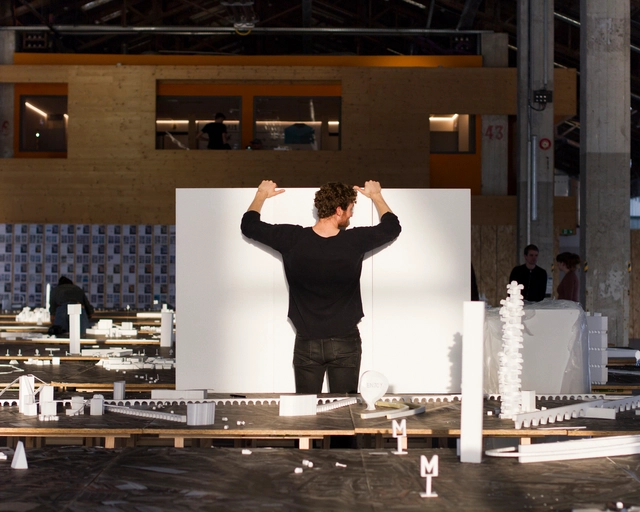
In architecture, most practices revolve around delivering projects to clients. Offices are shaped by deadlines, budgets, and clear briefs. While this structure produces buildings, it rarely leaves space for architects to question broader issues — about how we live, how cities are changing, or what the future demands of design. But alongside this production-focused system, a quieter movement has emerged: studios, collectives, and foundations that prioritize research, experimentation, and reflection. These are the architecture think tanks — spaces designed not to build immediately, but to think first.

The idea of a think tank is not new. Traditionally found in politics, economics, or science, think tanks bring together experts to study complex problems and propose solutions. In architecture, their rise reveals a tension at the heart of the discipline. If architecture is to remain socially and environmentally relevant, can it continue to rely only on client-driven practice? Or must it carve out space for slower, deeper inquiry?


Expanding Practice: Architecture Think Tanks at the Intersection of Research and Design - Image 1 of 4Expanding Practice: Architecture Think Tanks at the Intersection of Research and Design - Image 2 of 4Expanding Practice: Architecture Think Tanks at the Intersection of Research and Design - Image 3 of 4Expanding Practice: Architecture Think Tanks at the Intersection of Research and Design - Image 4 of 4Expanding Practice: Architecture Think Tanks at the Intersection of Research and Design - More Images+ 48

Barriers to BIM: Why India’s Construction Culture Slows Technology Adoption

Subscriber Access | 

Touted as the new era in construction, Building Information Modeling (BIM) has captured global attention with its promise of seamless coordination, trimmed budgets, and newfound efficiencies. Yet in India's construction landscape, the adoption of technology tells a more nuanced story about cultural barriers and technical limitations.

"The bigger barrier isn't the technology but rather the planning culture," explains Rahul Bahl Managing Director of Krishna Buildestates Pvt Ltd, highlighting what may be BIM's most fundamental challenge in India. "BIM requires that every detail be finalized before construction begins, from electrical switch locations to final finishes. In India, we often break ground with just the shell resolved and spend the next several months value-engineering as we go."

Barriers to BIM: Why India’s Construction Culture Slows Technology Adoption - Image 1 of 4Barriers to BIM: Why India’s Construction Culture Slows Technology Adoption - Image 2 of 4Barriers to BIM: Why India’s Construction Culture Slows Technology Adoption - Image 3 of 4Barriers to BIM: Why India’s Construction Culture Slows Technology Adoption - Image 4 of 4Barriers to BIM: Why India’s Construction Culture Slows Technology Adoption - More Images+ 1

Slovenian Pavilion Highlights the Relationship Between Architect, Craftsman, and Architecture at the Venice Architecture Biennale 2025

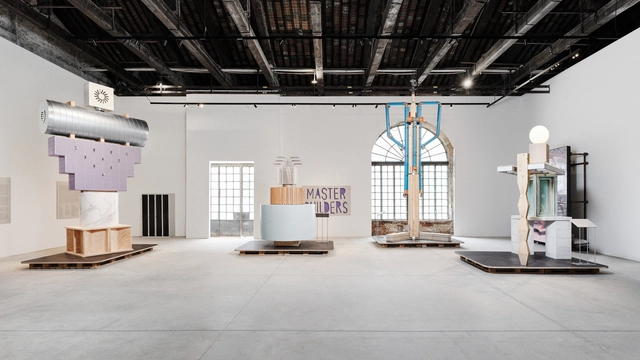
The Slovenian Pavilion at the 19th International Architecture Exhibition – La Biennale di Venezia presents Master Builders, a project curated by Ana Kosi and Ognen Arsov and organized by the Museum of Architecture and Design (MAO). The project addresses the evolution of construction technology, encompassing robotics, prefabrication, artificial intelligence, 3D printing, and other emerging tools, while drawing attention to a notable paradox within this technological shift, and also emphasizing that the quality of the built environment continues to rely heavily on the tacit knowledge of skilled craftsmen. By constructing a series of totems, the project examines the collaborative dynamics between architect and craftsman, revealing how this relationship shapes the material realization of architecture.

Slovenian Pavilion Highlights the Relationship Between Architect, Craftsman, and Architecture at the Venice Architecture Biennale 2025 - Image 1 of 4Slovenian Pavilion Highlights the Relationship Between Architect, Craftsman, and Architecture at the Venice Architecture Biennale 2025 - Image 2 of 4Slovenian Pavilion Highlights the Relationship Between Architect, Craftsman, and Architecture at the Venice Architecture Biennale 2025 - Image 3 of 4Slovenian Pavilion Highlights the Relationship Between Architect, Craftsman, and Architecture at the Venice Architecture Biennale 2025 - Image 4 of 4Slovenian Pavilion Highlights the Relationship Between Architect, Craftsman, and Architecture at the Venice Architecture Biennale 2025 - More Images+ 8

From Common Sight to Cultural Symbol: The Rise and Decline of Bamboo Scaffolding in Hong Kong

Subscriber Access | 

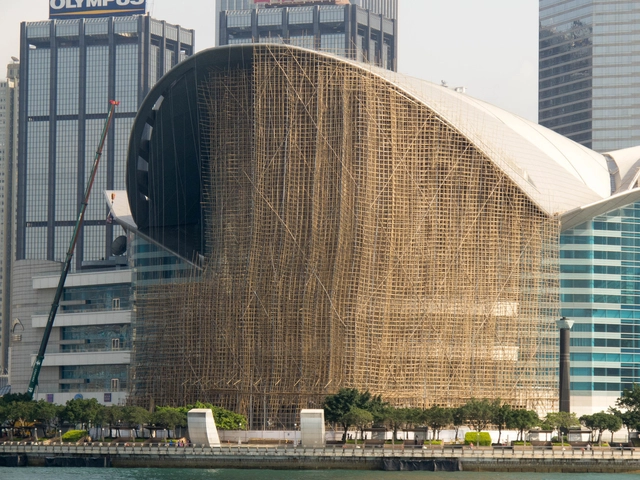
The bamboo scaffolding building typology—temporary, agile, and deeply rooted in tradition—particularly, the bamboo shed theatre building technique, is recognized as an item of Intangible Cultural Heritage in Hong Kong. As one walks through the city, especially in busy urban districts, it's nearly impossible not to encounter a bamboo scaffold within a five-minute radius. Bamboo scaffolding is arguably the most iconic construction material in Hong Kong, valued for its abundance, sustainability, flexibility, adaptability, and—most importantly—scalability. These qualities have contributed to its widespread use in temporary construction, from building maintenance and renovations to festival stages and sporting events.

However, this once-ubiquitous feature of the urban landscape may be slowly fading from view. A dwindling pool of skilled, younger workers—combined with evolving construction regulations—has contributed to its decline. On March 17, the Development Bureau announced plans to "drive a wider adoption of metal scaffolds in public building works." In practice, this means the Architectural Services Department (ArchSD) will soon require at least 50% of its capital works projects to utilize metal scaffolding. While not a formal ban, the policy signals what many see as the beginning of a gradual phase-out of bamboo scaffolding in public-sector construction.

From Common Sight to Cultural Symbol: The Rise and Decline of Bamboo Scaffolding in Hong Kong - Image 1 of 4From Common Sight to Cultural Symbol: The Rise and Decline of Bamboo Scaffolding in Hong Kong - Image 2 of 4From Common Sight to Cultural Symbol: The Rise and Decline of Bamboo Scaffolding in Hong Kong - Image 3 of 4From Common Sight to Cultural Symbol: The Rise and Decline of Bamboo Scaffolding in Hong Kong - Image 4 of 4From Common Sight to Cultural Symbol: The Rise and Decline of Bamboo Scaffolding in Hong Kong - More Images+ 15

The Economics of Vertical Growth in India: Addressing Urban Density and Sprawl

Subscriber Access | 

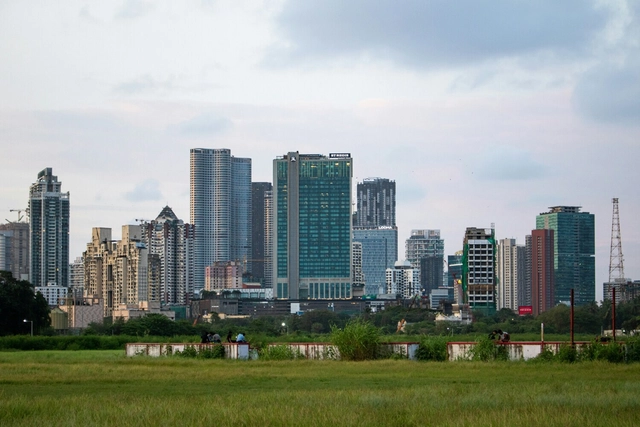
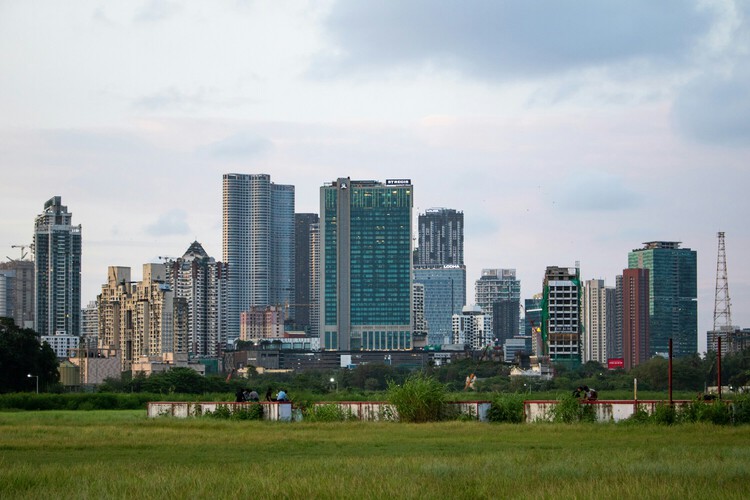
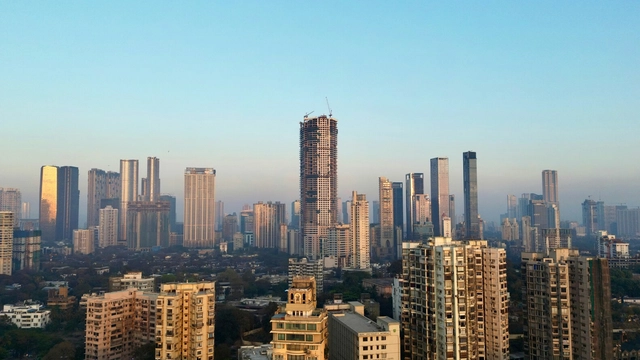
India finds itself a watershed moment with its urban evolution. With the United Nations projecting urbanization to reach 68% by 2050, the country's metropolitan regions needs to adapt to increasing populations while maintaining equity and quality of life. India's urban population is expected to exceed 600 million by 2030, drawing attention to both urban density and sprawl. As an emerging player in the domain of high-rise development, India is restructuring how it engages with urban growth by shifting from horizontal sprawl to vertical expansion.

The Economics of Vertical Growth in India: Addressing Urban Density and Sprawl - Image 1 of 4The Economics of Vertical Growth in India: Addressing Urban Density and Sprawl - Image 2 of 4The Economics of Vertical Growth in India: Addressing Urban Density and Sprawl - Image 3 of 4The Economics of Vertical Growth in India: Addressing Urban Density and Sprawl - Image 4 of 4The Economics of Vertical Growth in India: Addressing Urban Density and Sprawl - More Images+ 1