1. ArchDaily
  2. COP Conference

COP Conference: The Latest Architecture and News

Global Urban Transformation and Climate-Responsive Design from Venice to Rio: This Week’s Review

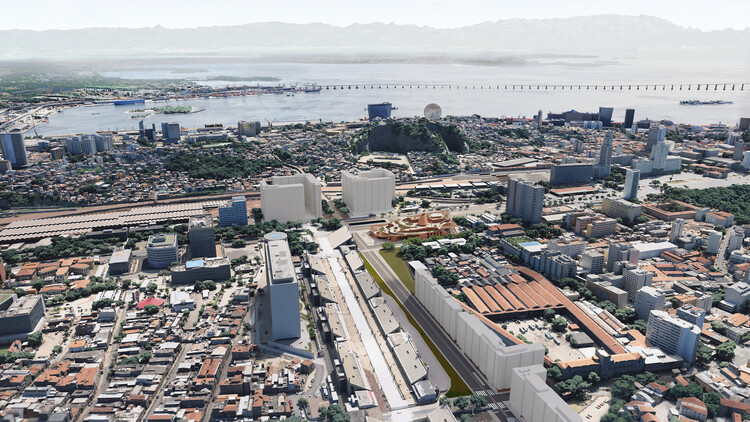
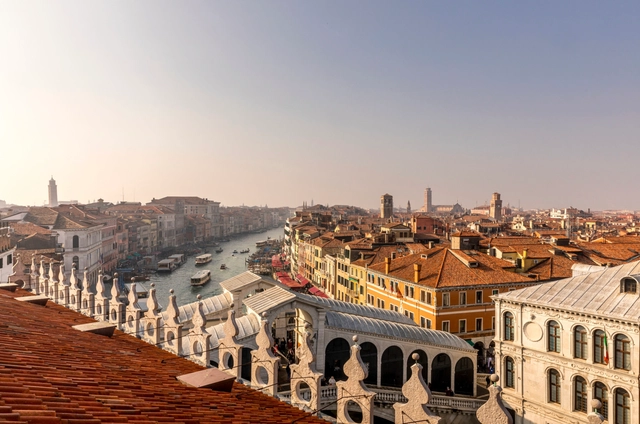
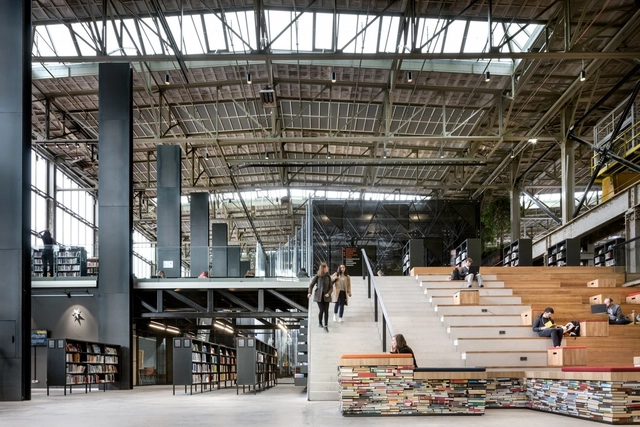
Amid ongoing global discussions on climate adaptation and resilient urban development brought into sharper focus by the outcomes of COP30, this week's architecture news illustrates how cities worldwide are rethinking their built environments. From Venice, where the 19th Architecture Biennale concluded with debates on material use and long-term cultural impact, to international awards foregrounding regenerative and socially responsive design, the conversation around architecture is increasingly intertwined with planetary priorities. Major urban interventions, from Thessaloniki's seafront redevelopment and Rio de Janeiro's new public library, to Abu Dhabi's Natural History Museum and a civic stadium in Birmingham, demonstrate how multiple cities are addressing mobility, heritage, density, and climate resilience. Additional plans, such as Mantua's ecological urban strategy, Utrecht's elevated landscape above transport networks, and Amsterdam Airport Schiphol's redesigned landside mobility system, further reflect a transition toward integrated, people-centred urban frameworks that prioritize environmental performance, public space, and long-term territorial stewardship.


Global Urban Transformation and Climate-Responsive Design from Venice to Rio: This Week’s Review - Image 1 of 4Global Urban Transformation and Climate-Responsive Design from Venice to Rio: This Week’s Review - Image 2 of 4Global Urban Transformation and Climate-Responsive Design from Venice to Rio: This Week’s Review - Image 3 of 4Global Urban Transformation and Climate-Responsive Design from Venice to Rio: This Week’s Review - Image 4 of 4Global Urban Transformation and Climate-Responsive Design from Venice to Rio: This Week’s Review - More Images+ 24

COP30 Outcomes for the Built Environment: From Sustainable Cooling to Climate Adaptation Commitments

On November 21, 2025, the closing day of the 30th edition of the Conference of the Parties (COP) took place, the yearly gathering of United Nations member states to negotiate international climate agreements and assess global progress toward emissions reduction. This year, the event was held in Belém, Brazil, a port city of fewer than 1.5 million people, widely known as a gateway to Brazil's lower Amazon region. First convened in 1992, UN Climate Change Conferences (or COPs) are an international multilateral decision-making forum on climate change involving 198 "Parties" (197 countries, nearly all of them, depending on definitions of country, and the European Union). Their purpose is to assess global efforts toward the central Paris Agreement aim of limiting global warming to as close as possible to 1.5 °C above pre-industrial levels. The event brings together leaders and negotiators from member states, business figures, young people, climate scientists, Indigenous Peoples, and civil society around issues considered essential to that climate goal. This year, COP30 was marked by strong criticism of its ties to the fossil fuel industry, descriptions of agreements as fragile and insubstantial, and the struggle to move climate finance "from pledge to lifeline."

COP30 Outcomes for the Built Environment: From Sustainable Cooling to Climate Adaptation Commitments - Image 1 of 4COP30 Outcomes for the Built Environment: From Sustainable Cooling to Climate Adaptation Commitments - Image 2 of 4COP30 Outcomes for the Built Environment: From Sustainable Cooling to Climate Adaptation Commitments - Image 3 of 4COP30 Outcomes for the Built Environment: From Sustainable Cooling to Climate Adaptation Commitments - Image 4 of 4COP30 Outcomes for the Built Environment: From Sustainable Cooling to Climate Adaptation Commitments - More Images+ 12

Carlo Ratti Associati and Höweler + Yoon Launch Floating Plaza "AquaPraça" in Venice on Its Way to COP30

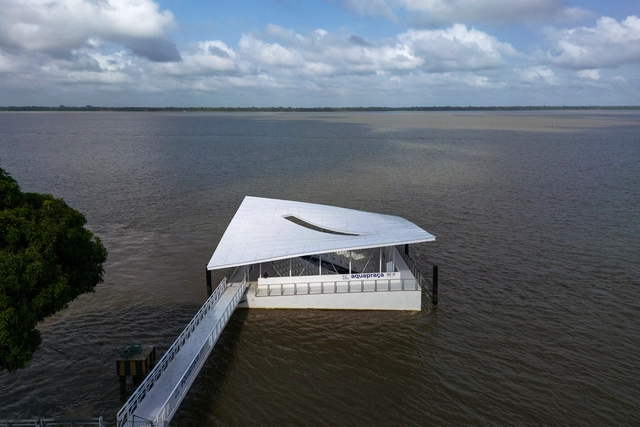
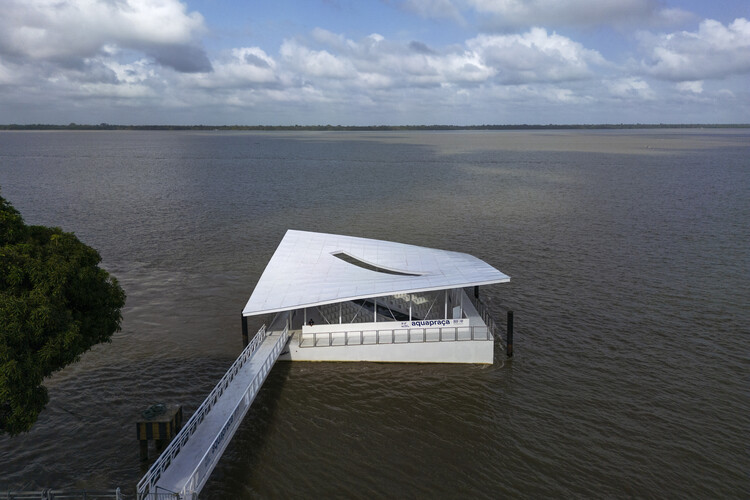
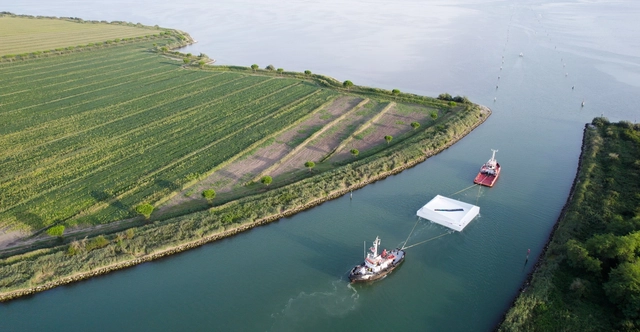
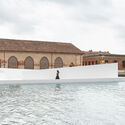
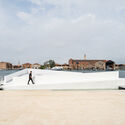
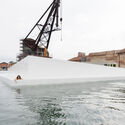
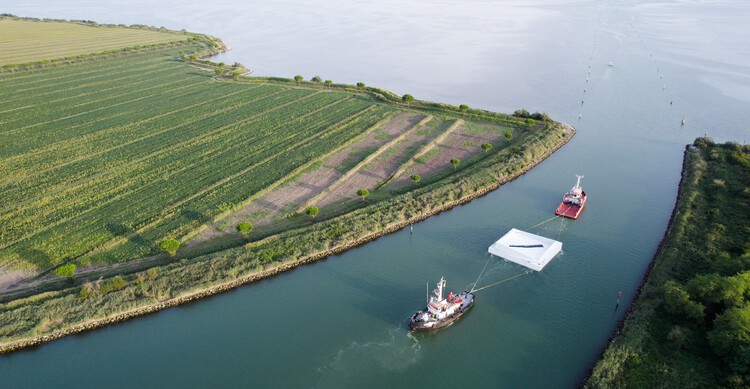
CRA–Carlo Ratti Associati and Höweler + Yoon designed AquaPraça, a floating gathering space for global climate dialogue set to anchor COP30 in Belém, Brazil, making its debut at the 19th International Architecture Exhibition of La Biennale di Venezia on 5 September 2025. It will then embark on a transatlantic journey to Brazil, where it will form part of the Italian Pavilion at COP30, held from November 10 to 21, 2025. Following the event, it is intended to become a permanent floating landmark in the Amazon as part of Belém's cultural infrastructure.

Carlo Ratti Associati and Höweler + Yoon Launch Floating Plaza "AquaPraça" in Venice on Its Way to COP30 - Featured ImageCarlo Ratti Associati and Höweler + Yoon Launch Floating Plaza "AquaPraça" in Venice on Its Way to COP30 - Image 1 of 4Carlo Ratti Associati and Höweler + Yoon Launch Floating Plaza "AquaPraça" in Venice on Its Way to COP30 - Image 2 of 4Carlo Ratti Associati and Höweler + Yoon Launch Floating Plaza "AquaPraça" in Venice on Its Way to COP30 - Image 3 of 4Carlo Ratti Associati and Höweler + Yoon Launch Floating Plaza AquaPraça in Venice on Its Way to COP30 - More Images+ 17

Architecture Now: Urban Updates from Madrid to L.A. on Climate, Policy, and Recovery

In recent weeks, cities around the world have introduced new policies, recovery efforts, and infrastructure projects that reflect growing pressure to adapt to climate realities. From Southern Europe to South America and the United States, these urban updates address both immediate challenges and long-term shifts in how the built environment is governed, designed, and inhabited. Some initiatives focus on regulation, tightening building codes in fire-prone areas or reforming aging safety systems, while others spotlight large-scale investments tied to global events such as COP30 and the Venice Architecture Biennale. This edition of Architecture Now gathers a selection of city-led actions and collaborative efforts that point toward a more resilient, responsive future for architecture and urban life.

Architecture Now: Urban Updates from Madrid to L.A. on Climate, Policy, and Recovery - Image 1 of 4Architecture Now: Urban Updates from Madrid to L.A. on Climate, Policy, and Recovery - Image 2 of 4Architecture Now: Urban Updates from Madrid to L.A. on Climate, Policy, and Recovery - Image 3 of 4Architecture Now: Urban Updates from Madrid to L.A. on Climate, Policy, and Recovery - Image 4 of 4Architecture Now: Urban Updates from Madrid to L.A. on Climate, Policy, and Recovery - More Images+ 2

Unveiling the 15 Most Significant Architectural Events of 2025

2025 promises to be a landmark in architecture, heralding a vibrant renaissance of creativity and exploration. As societies confront challenges such as climate change, rapid urbanization, and technological evolution, architecture is both a mirror to these dynamics and a compass pointing toward a sustainable and inclusive future. This year's architectural calendar offers abundant opportunities to celebrate the discipline's transformative power — from boundary-pushing festivals to thought-provoking exhibitions that explore pressing cultural and environmental narratives.

From well-established biennials to inaugural gatherings, including the World Architecture Festival 2025, Desert X Al Ula, and the COP Climate Conference, the 2025 calendar highlights themes such as sustainability, heritage, and community. These events underscore architecture's unique ability to shape a better future, addressing global challenges while honoring cultural diversity and design ingenuity.

Unveiling the 15 Most Significant Architectural Events of 2025 - Image 1 of 4Unveiling the 15 Most Significant Architectural Events of 2025 - Image 2 of 4Unveiling the 15 Most Significant Architectural Events of 2025 - Image 3 of 4Unveiling the 15 Most Significant Architectural Events of 2025 - Image 4 of 4Unveiling the 15 Most Significant Architectural Events of 2025 - More Images+ 14

COP29 Highlights: Key Takeaways for Cities and the Built Environment

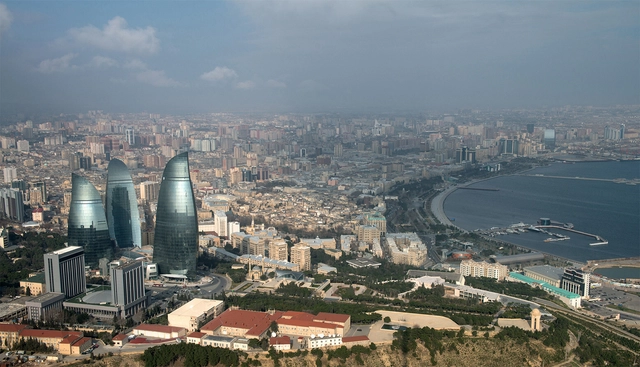
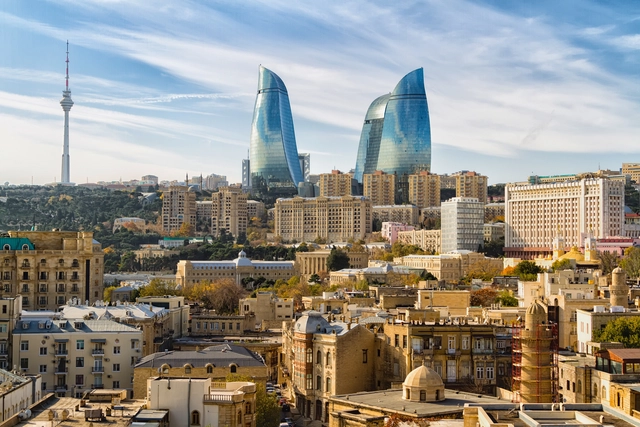
The 29th United Nations Climate Change Conference (COP29) took place in Baku, Azerbaijan, from November 10 to November 24, 2024, amid a backdrop of escalating climate challenges. For cities, the epicenters of population growth, economic activity, and climate vulnerability, the outcomes of COP29 are particularly significant. As urban areas contribute over 70% of global carbon emissions and housing more than half of the world's population, their consideration is pivotal in shaping global responses to the current crisis. In fact, cities are on the frontlines of the crisis, facing record-breaking heatwaves, catastrophic floods, and increasing economic losses from extreme weather events. In 2024 alone, urban areas worldwide experienced devastating climate impacts: flooding displaced millions in Africa, droughts crippled urban economies in South America, and storms caused widespread destruction in North America and Europe. The outcomes of COP29 directly affect urban planning, architecture, and sustainability efforts. From commitments to climate finance and carbon markets to renewable energy and resilience-building, the summit's decisions provide a roadmap for transforming cities into hubs of climate innovation and adaptation. Below are the key takeaways from COP29 for the built environment and urban spaces.

COP29 Launches in Baku, Azerbaijan, to Address Climate Finance and Resilience

The 29th Conference of the Parties to the UN Framework Convention on Climate Change (COP29) takes place between the 11th and 22nd of November in Baku, Azerbaijan. The event proposes a global gathering of business leaders, governments, and civil society with the aim of taking effective measures to limit global warming to 1.5°C above pre-industrial levels. As the construction industry is responsible for approximately 37% of global emissions, the conference is of particular interest to architects, urban planners, and researchers in this field.

COP29 Launches in Baku, Azerbaijan, to Address Climate Finance and Resilience - Image 1 of 4COP29 Launches in Baku, Azerbaijan, to Address Climate Finance and Resilience - Image 2 of 4COP29 Launches in Baku, Azerbaijan, to Address Climate Finance and Resilience - Image 3 of 4COP29 Launches in Baku, Azerbaijan, to Address Climate Finance and Resilience - Image 4 of 4COP29 Launches in Baku, Azerbaijan, to Address Climate Finance and Resilience - More Images

Architecture in Focus: 16 Global Events between September and December 2024

Subscriber Access | 

As the architectural landscape continues to evolve in response to pressing global challenges, events such as biennales, design weeks, and fairs play an instrumental role in shaping the profession's future. These gatherings facilitate the exchange of innovative ideas, the exploration of sustainable practices, and the fostering of collaboration among architects, designers, and urban planners. They serve not only as platforms for showcasing cutting-edge designs but also as forums for critical dialogue about the built environment's impact on society and the planet.

Happening worldwide from September to December 2024, a variety of significant events hope to engage the architectural community. The World Urban Forum in Cairo focuses on local sustainable actions, while Dubai Design Week showcases innovative design in the Middle East. The World Architecture Festival in Singapore features live project presentations, and the Architecture & Design Film Festival in New York offers compelling narratives critical to contemporary discourse.

Architecture in Focus: 16 Global Events between September and December 2024 - Image 1 of 4Architecture in Focus: 16 Global Events between September and December 2024 - Image 2 of 4Architecture in Focus: 16 Global Events between September and December 2024 - Image 3 of 4Architecture in Focus: 16 Global Events between September and December 2024 - Image 4 of 4Architecture in Focus: 16 Global Events between September and December 2024 - More Images+ 14

Progress and Reparations: Unpacking the Loss and Damage Fund from COP27

Subscriber Access | 

In November of 2022, the coastal city of Sharm El Sheikh, Egypt, hosted the 27th convention of the United Nations Conference of the Parties, known as COP27. Since signing the Paris Agreement in 2015, the nearly annual conference has gained momentum as a global leader in sharing knowledge and developing frameworks to mitigate climate change worldwide. While the more recent COP28, held in Dubai in 2023, focused on conversations of energy production, this previous conference focused on urban contexts, as they deal with the urgent need for incorporating loss, damage, and climate reparations into climate action plans. As two years have now passed since COP27, it is important to revisit these discussions and hold governing bodies accountable for the promises made and the benchmarks set for climate change mitigation. One of the most ambitious plans from COP27 highlights an urgent debate in our urban environments: how will we define loss, damage, and climate reparations in the twenty-first century?

Progress and Reparations: Unpacking the Loss and Damage Fund from COP27 - Image 3 of 4Progress and Reparations: Unpacking the Loss and Damage Fund from COP27 - Image 5 of 4Progress and Reparations: Unpacking the Loss and Damage Fund from COP27 - Image 2 of 4Progress and Reparations: Unpacking the Loss and Damage Fund from COP27 - Image 4 of 4Progress and Reparations: Unpacking the Loss and Damage Fund from COP27 - More Images+ 7