1. ArchDaily
  2. cross ventilation

cross ventilation: The Latest Architecture and News

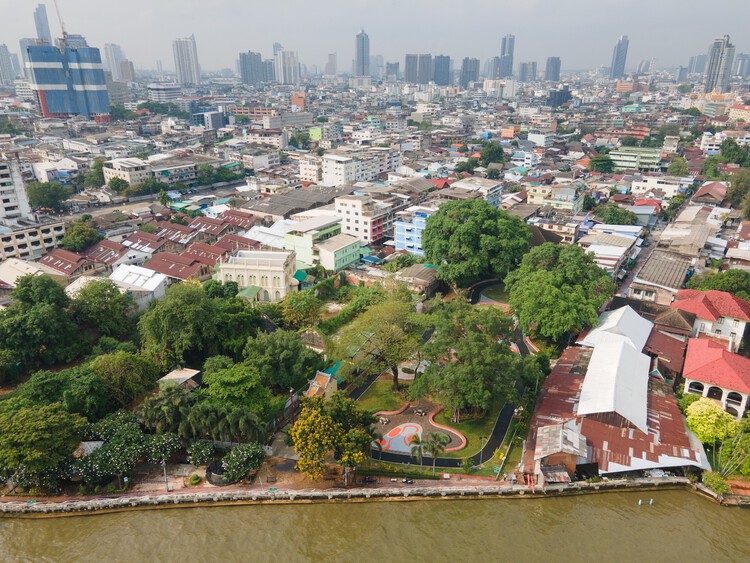
Heat as a Design Partner: Trees, Soil, and Wind Corridors as Cooling Infrastructure

"By 2050, almost every child in the world — nearly 2.2 billion children — will be exposed to frequent heat waves." UNICEF's warning is often read as a public health forecast, but it is also a challenge to architecture and the way cities are built. As extreme heat intensifies across Asia, Europe, and beyond, thermal comfort should not be reduced to merely an indoor service delivered by machines. Air-conditioning has become a life-support system for many cities, especially in dense, humid, and rapidly urbanizing regions. Yet to rely on it as the default answer is to treat heat as something that can simply be moved elsewhere (and in the process generating extra heat) — expelled from interiors into streets, service alleys, energy grids, and the atmosphere. Its expansion increases energy demand, produces waste heat, and reinforces unequal access to comfort.

Heat, however, does not stop at the human body. It reorganizes the wider urban ecosystem: trees struggle with compacted soil and radiant paving; birds and insects lose habitat when planting is reduced to decorative greenery; aquatic systems warm, microbial life shifts, and materials absorb and release heat long after the sun has set. Heat is not simply a climatic problem to be escaped indoors. It is an urban actor that reshapes public space, labor, mobility, planting, material choices, and the fragile relationships between human and nonhuman life.


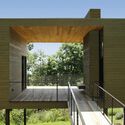
Heat as a Design Partner: Trees, Soil, and Wind Corridors as Cooling Infrastructure - Image 1 of 4Heat as a Design Partner: Trees, Soil, and Wind Corridors as Cooling Infrastructure - Image 2 of 4Heat as a Design Partner: Trees, Soil, and Wind Corridors as Cooling Infrastructure - Image 3 of 4Heat as a Design Partner: Trees, Soil, and Wind Corridors as Cooling Infrastructure - Image 4 of 4Heat as a Design Partner: Trees, Soil, and Wind Corridors as Cooling Infrastructure - More Images+ 18

Dogtrot House: Vernacular Knowledge and Climate-Responsive Design

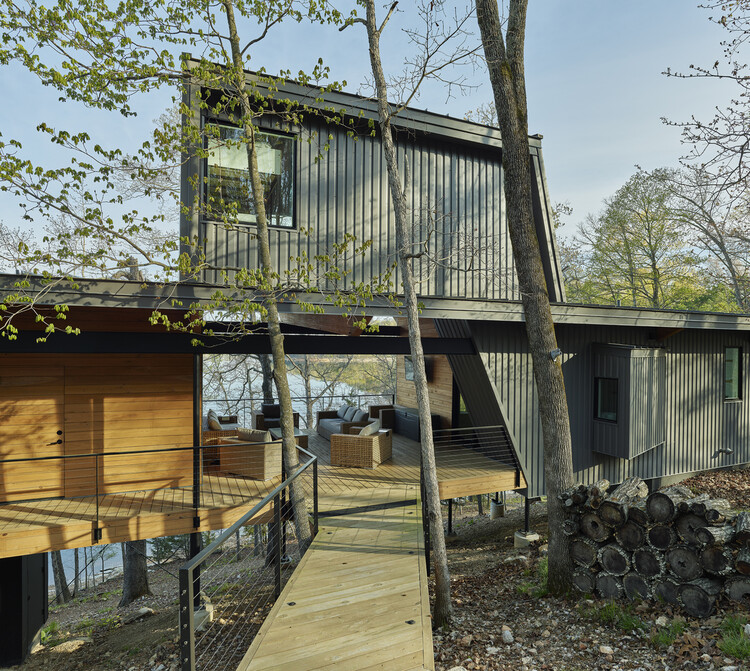
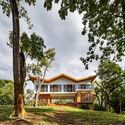
The dogtrot house emerged across the South of the United States during the late nineteenth century as a direct response to humid climates, material availability, and patterns of rural habitation. Found throughout the Appalachian Mountains, coastal Carolinas, and lowlands of Louisiana, the dogtrot house appeared in numerous regional variations, yet its fundamental spatial logic remained remarkably consistent. Two enclosed living masses are separated by an open central passage and unified beneath a continuous roof, creating a dwelling that is simultaneously economical and responsive to long, hot summers. Although architectural historians continue to debate the precise geographic origins of the dogtrot, the typology represents a broader vernacular intelligence that emerged through the convergence of environmental necessity, local construction practices, and rural living.

Dogtrot House: Vernacular Knowledge and Climate-Responsive Design - Image 1 of 4Dogtrot House: Vernacular Knowledge and Climate-Responsive Design - Image 2 of 4Dogtrot House: Vernacular Knowledge and Climate-Responsive Design - Image 3 of 4Dogtrot House: Vernacular Knowledge and Climate-Responsive Design - Image 4 of 4Dogtrot House: Vernacular Knowledge and Climate-Responsive Design - More Images+ 36

Espai Verd: The Habitable Utopia of Valencia’s Green Cathedral

Subscriber Access | 

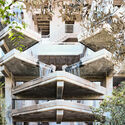
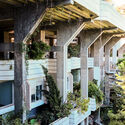
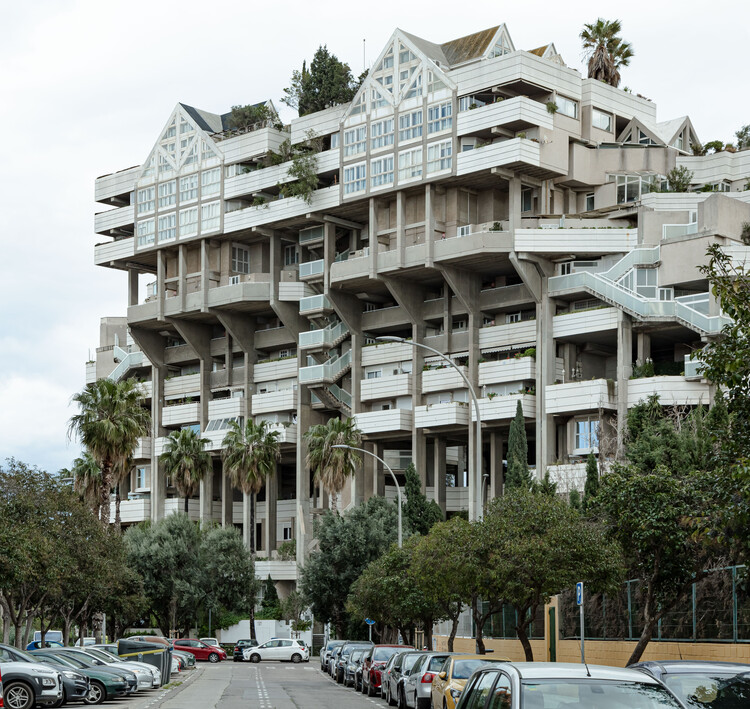
Even the most distracted passerby is captured by the monumental presence of this structure in Valencia’s established Benimaclet neighborhood. Before it, any attempt at rational apprehension quickly dissolves. Its constructive logic seems to escape comprehension as the space unfolds through tensions and deviations, where nothing is immediately given. Between masses of concrete and the insurgent force of vegetation, an almost choreographic play of planes, angles, and rotations emerges. In the vertigo of this encounter, one realizes that the building was not made to be understood, but to be experienced.

Espai Verd: The Habitable Utopia of Valencia’s Green Cathedral - Image 1 of 4Espai Verd: The Habitable Utopia of Valencia’s Green Cathedral - Image 2 of 4Espai Verd: The Habitable Utopia of Valencia’s Green Cathedral - Image 3 of 4Espai Verd: The Habitable Utopia of Valencia’s Green Cathedral - Image 4 of 4Espai Verd: The Habitable Utopia of Valencia’s Green Cathedral - More Images+ 35

The Courtyard as Architecture’s Lightest Cooling System

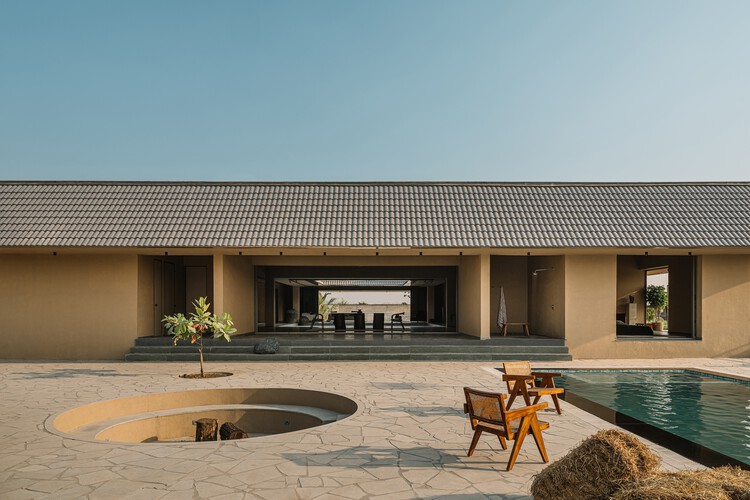
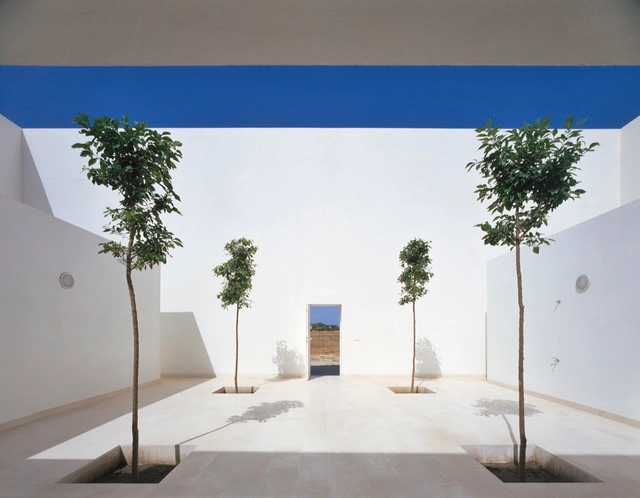
The courtyard is often remembered as a figure from the past, an inward-looking space of nostalgia, culture, and domestic ritual. But this framing misses its primary role. Before it was symbolic, the courtyard was operational. It organized air, moderated light, and absorbed heat. It did not decorate architecture; it made it habitable. In contemporary housing, these functions are normally delegated to mechanical systems, applied after form is fixed. In courtyard houses, they are resolved spatially, before a wall is even built.

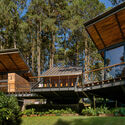
What appears as a recurring typology across regions is, in fact, a set of highly specific responses to climate. The courtyard in Egypt does not behave like the courtyard in Morocco, nor like the courtyard in India. Each is calibrated to a different environmental problem, using the same spatial device. To read them as a single type is to flatten their intelligence. To compare them is to understand how climate can be embedded directly into form.

The Courtyard as Architecture’s Lightest Cooling System - Image 1 of 4The Courtyard as Architecture’s Lightest Cooling System - Image 2 of 4The Courtyard as Architecture’s Lightest Cooling System - Image 3 of 4The Courtyard as Architecture’s Lightest Cooling System - Image 4 of 4The Courtyard as Architecture’s Lightest Cooling System - More Images+ 10

Designed Comfort, Purchased Comfort: Passive Design and Air Conditioning in Hong Kong

Subscriber Access | 

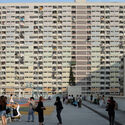
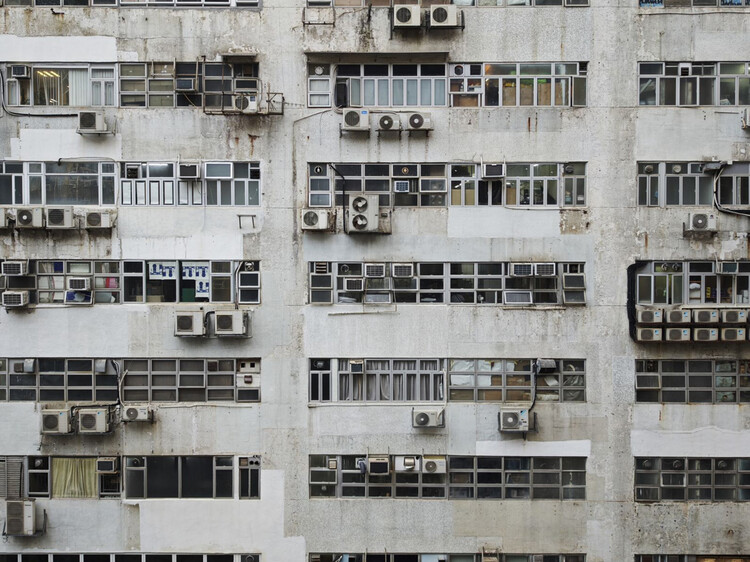
Establishing thermal comfort once demanded a far more deliberate and calibrated architectural intelligence—an interplay of orientation, massing, material behavior, ventilation potential, shading, and the ways daylight and surfaces absorb and release heat. This was not simply a matter of taste, but of necessity. When many of Hong Kong's post-war modernist buildings were constructed in the late 1960s and 1970s, forming a substantial portion of the city's public housing and broader residential stock, air-conditioning was not yet a ubiquitous, default service. Cooling, where present at all, was limited and unevenly distributed; comfort had to be negotiated through passive means, through section, façade depth, operable openings, and climatic detailing. It was only later, particularly through the 1970s and 1980s, as air-conditioning became increasingly standardized across the region, that mechanical cooling began to displace this earlier matrix of architectural decision-making.

Did air conditioning negatively affect architectural space, particularly in Hong Kong and the nearby region? The more precise claim is that widespread reliance on AC has profoundly rearranged the incentive structure of building design.

Designed Comfort, Purchased Comfort: Passive Design and Air Conditioning in Hong Kong - Image 1 of 4Designed Comfort, Purchased Comfort: Passive Design and Air Conditioning in Hong Kong - Image 2 of 4Designed Comfort, Purchased Comfort: Passive Design and Air Conditioning in Hong Kong - Image 3 of 4Designed Comfort, Purchased Comfort: Passive Design and Air Conditioning in Hong Kong - Image 4 of 4Designed Comfort, Purchased Comfort: Passive Design and Air Conditioning in Hong Kong - More Images+ 9

Negotiating Boundaries: Climate and the Building Envelope in Central American Architecture

Subscriber Access | 

In temperate and cold climates, architecture typically begins with a defensive gesture. The building envelope is a sealed boundary designed to resist the exterior environment through insulation, vapor barriers, and mechanical control. In cold countries like Canada, where winter temperatures can plunge well below freezing, airtightness is not a luxury. In this context, buildings must resist the exterior environment entirely to maintain interior comfort. However, in Central America, a region spanning from Belize to Panama, architectural logic shifts from exclusion to negotiation. In this region, the envelope is not a wall of defense but a specialized filter.

Negotiating Boundaries: Climate and the Building Envelope in Central American Architecture - Image 1 of 4Negotiating Boundaries: Climate and the Building Envelope in Central American Architecture - Image 2 of 4Negotiating Boundaries: Climate and the Building Envelope in Central American Architecture - Image 3 of 4Negotiating Boundaries: Climate and the Building Envelope in Central American Architecture - Image 4 of 4Negotiating Boundaries: Climate and the Building Envelope in Central American Architecture - More Images+ 6

Designing for Temperature Gradients: 6 Central American Projects that Use Transitional Spaces to Mitigate Heat

Subscriber Access | 

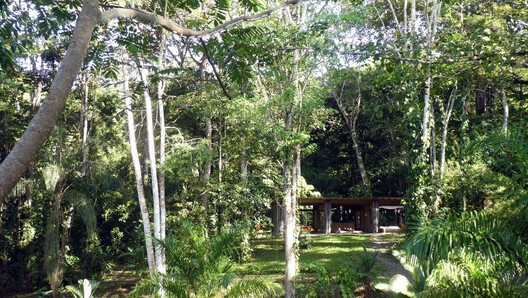
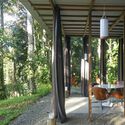
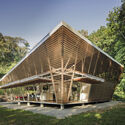
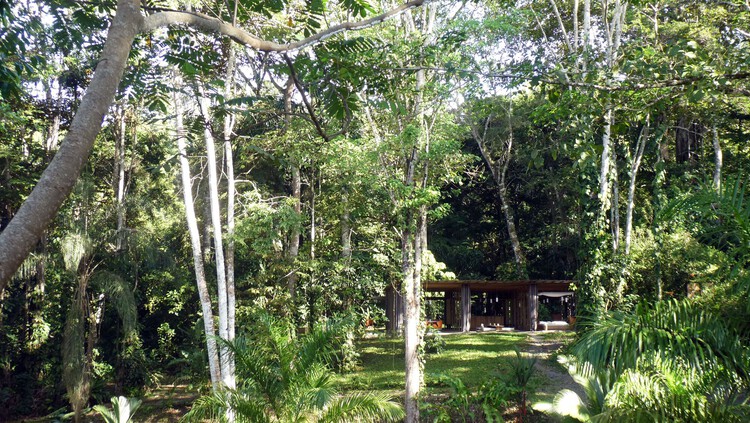
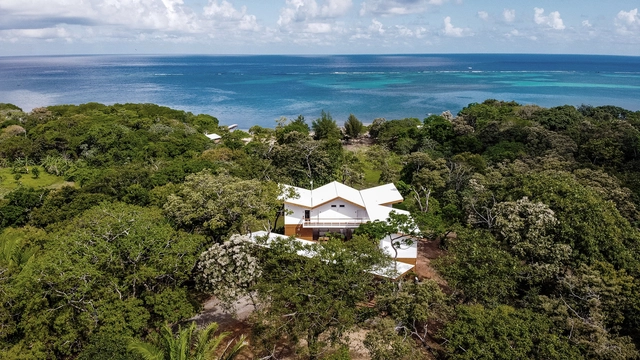
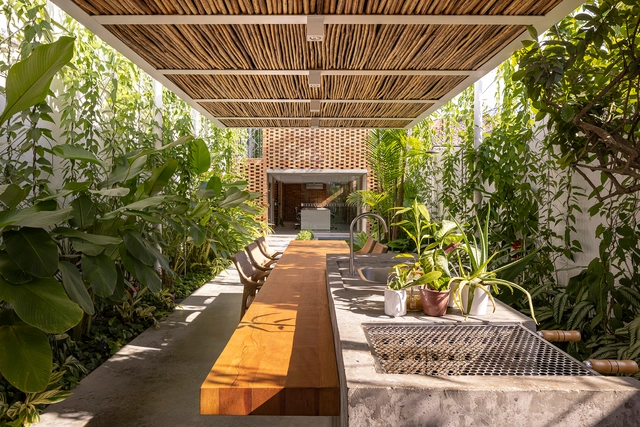
Understanding the temperature gradient in a building is essential in cold or temperate climates, where airtight enclosures and continuous insulation are used to prevent heat loss. However, this approach is not suitable for tropical areas like Central America, where the climate is marked by a consistent alternation between wet and dry seasons rather than four distinct ones. Factors such as proximity to the sea, elevation, and local topography influence microclimates across short distances, but high humidity remains a common challenge. Sealed, airtight walls with no ventilation can quickly become breeding grounds for mold, making the thermal strategies of temperate climates problematic. In response, local designers have developed alternative approaches that embrace, rather than resist, the outdoor environment, allowing airflow and evaporation to manage interior comfort.

Designing for Temperature Gradients: 6 Central American Projects that Use Transitional Spaces to Mitigate Heat - Image 1 of 4Designing for Temperature Gradients: 6 Central American Projects that Use Transitional Spaces to Mitigate Heat - Image 2 of 4Designing for Temperature Gradients: 6 Central American Projects that Use Transitional Spaces to Mitigate Heat - Image 3 of 4Designing for Temperature Gradients: 6 Central American Projects that Use Transitional Spaces to Mitigate Heat - Image 4 of 4Designing for Temperature Gradients: 6 Central American Projects that Use Transitional Spaces to Mitigate Heat - More Images+ 2

Designing with Humidity: How Architecture Adapts to the World’s Dampest Climates

Humid environments present some of the most complex challenges in architectural design. From the tropical monsoon season of Southeast Asia to the equatorial heat of Central Africa, these environments demand solutions that account for intense moisture, high temperatures, and the constant battle against mold, decay, and stagnation. Yet, for centuries, communities in these regions have developed architectural techniques that do not fight against humidity but instead work with it, leveraging local materials, climate-responsive design, and passive cooling techniques to create sustainable and livable spaces. By considering atmosphere as a sensory and climatic phenomenon, architects will craft spaces that are not only evocative but also responsive, adaptive, and sustainable.

Designing with Humidity: How Architecture Adapts to the World’s Dampest Climates - Image 1 of 4Designing with Humidity: How Architecture Adapts to the World’s Dampest Climates - Image 4 of 4Designing with Humidity: How Architecture Adapts to the World’s Dampest Climates - Image 5 of 4Designing with Humidity: How Architecture Adapts to the World’s Dampest Climates - Image 7 of 4Designing with Humidity: How Architecture Adapts to the World’s Dampest Climates - More Images+ 13

Interior Courtyards: An Effective Strategy to Improve Space Quality in 15 Residential Projects

Subscriber Access | 

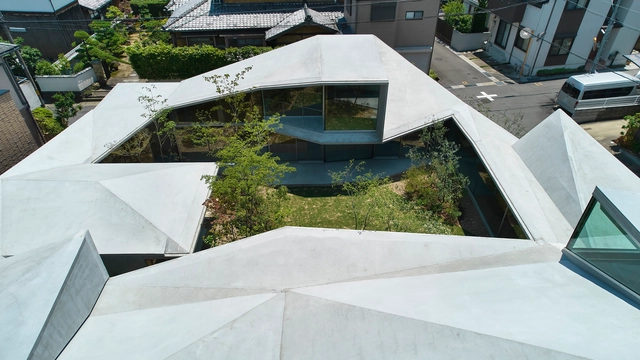
There are many advantages to incorporating interior courtyards in residential projects, both in urban contexts and in more natural surroundings. In both cases, they are a key element in improving the quality of the home's interior space in various ways. Whether in the form of a central cloister, side courtyards, or through perforated slabs and the addition of skylights, these spaces play a vital role in creating a harmonious living environment, offering benefits ranging from the regulation of interior temperature to enhancing social interactions and fostering a close connection with nature.

Interior Courtyards: An Effective Strategy to Improve Space Quality in 15 Residential Projects - Featured ImageInterior Courtyards: An Effective Strategy to Improve Space Quality in 15 Residential Projects - Image 10 of 4Interior Courtyards: An Effective Strategy to Improve Space Quality in 15 Residential Projects - Image 11 of 4Interior Courtyards: An Effective Strategy to Improve Space Quality in 15 Residential Projects - Image 16 of 4Interior Courtyards: An Effective Strategy to Improve Space Quality in 15 Residential Projects - More Images+ 15

Exploring the Boundaries of Polycarbonate: 25 Exemplary Projects Showcasing Its Versatility

Subscriber Access | 

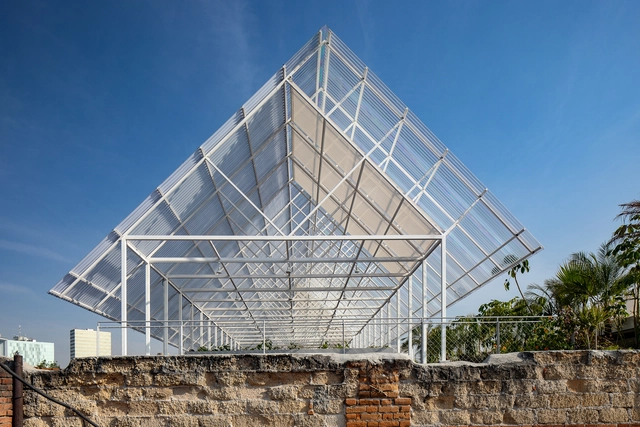
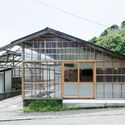
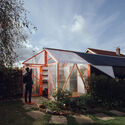
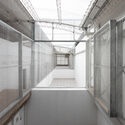
Polycarbonate, commonly used in roofing and industrial cladding, has gone beyond its initial applications to become a material widely used across various architectural typologies. Its combination of strength, lightness, easy installation, and ability to allow natural light to pass through has made it an attractive option for residential, educational, and even cultural architecture projects. In homes, polycarbonate not only helps create bright and comfortable environments but also allows for creative use of translucency to generate private spaces without sacrificing visual connection to the outdoors.

Exploring the Boundaries of Polycarbonate: 25 Exemplary Projects Showcasing Its Versatility - Image 1 of 4Exploring the Boundaries of Polycarbonate: 25 Exemplary Projects Showcasing Its Versatility - Image 2 of 4Exploring the Boundaries of Polycarbonate: 25 Exemplary Projects Showcasing Its Versatility - Image 3 of 4Exploring the Boundaries of Polycarbonate: 25 Exemplary Projects Showcasing Its Versatility - Image 4 of 4Exploring the Boundaries of Polycarbonate: 25 Exemplary Projects Showcasing Its Versatility - More Images+ 44

What Are Clerestory Windows and Their Spatial Advantages in 24 Projects

Subscriber Access | 

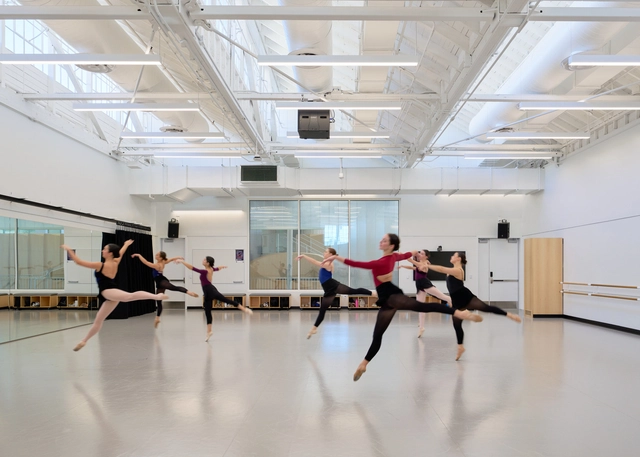
Not nearly as complex an architectural typology as the word suggests, a ‘clerestory’ is a simple – if lexically loose – a portmanteau of ‘clear’ and ‘story’. Denoting a section of the wall that contains windows or cavities above eye level. The word is often assumed to have a religious context. Clerestories historically appeared at the upper levels of Roman churches, Hebrew temples, and early Christian architecture after all. And the earliest references we have to the feature come from religious texts.

Today, religious structures are often typified by the light their high windows allow to stream in, both figuratively and literally, from a higher source. At the CES Chapel in Taiwan, for example, ‘light diffuses through the glass clerestory and brightens the apse throughout the day,’ explains JJP Architects & Planners, about an interior design concept driven by natural lighting, ‘the chapel is filled with a spiritual aura, with a bright cross projected deep into the space.’

What Are Clerestory Windows and Their Spatial Advantages in 24 Projects - Image 1 of 4What Are Clerestory Windows and Their Spatial Advantages in 24 Projects - Image 2 of 4What Are Clerestory Windows and Their Spatial Advantages in 24 Projects - Image 3 of 4What Are Clerestory Windows and Their Spatial Advantages in 24 Projects - Image 4 of 4What Are Clerestory Windows and Their Spatial Advantages in 24 Projects - More Images+ 30

Back to Basics: Natural Ventilation and its Use in Different Contexts

Automation is everywhere around us - our homes, furniture, offices, cars, and even our clothing; we have become so accustomed to being surrounded by automated systems that we have forgotten what life was like without them. And while automation has noticeably improved the quality of interior spaces with solutions like purified air and temperature control, nothing compares to the natural cool breeze of mother nature.

But just like everything else in architecture, there is no one size fits all; what works in Tanzania cannot work in Switzerland or Colombia. This is due to several reasons, such as the difference in wind direction, average temperature, spatial needs, and environmental restrictions (or lack thereof). In this article, we take a look at natural ventilation in all its forms, and how architects have employed this passive solution in different contexts. 

Back to Basics: Natural Ventilation and its Use in Different Contexts  - Image 1 of 4Back to Basics: Natural Ventilation and its Use in Different Contexts  - Image 2 of 4Back to Basics: Natural Ventilation and its Use in Different Contexts  - Image 3 of 4Back to Basics: Natural Ventilation and its Use in Different Contexts  - Image 4 of 4Back to Basics: Natural Ventilation and its Use in Different Contexts  - More Images+ 25

Manuel Herz to Design Curvilinear Expansion of Rural Senegal Hospital

Manuel Herz has been chosen to design the expansion of the Tambacounda Hospital in rural Senegal, conceived and funded by the Josef and Anni Albers Foundation and American Friends of Le Korsa.

The extension is viewed as an urgent project to address overcrowding in the vital facility, with the demands of 20,000 annual patients resulting in hot, overcrowded communal spaces, and children sharing beds in wards. The Foundation described Manuel Herz as the “unanimous choice” with an approach showing “a mix of visual flair, practical understanding, and profound humanitarianism.”

Manuel Herz to Design Curvilinear Expansion of Rural Senegal Hospital - Image 1 of 4Manuel Herz to Design Curvilinear Expansion of Rural Senegal Hospital - Image 2 of 4Manuel Herz to Design Curvilinear Expansion of Rural Senegal Hospital - Featured ImageManuel Herz to Design Curvilinear Expansion of Rural Senegal Hospital - Image 3 of 4Manuel Herz to Design Curvilinear Expansion of Rural Senegal Hospital - More Images