1. ArchDaily
  2. Culture Architecture

Culture Architecture: The Latest Architecture and News

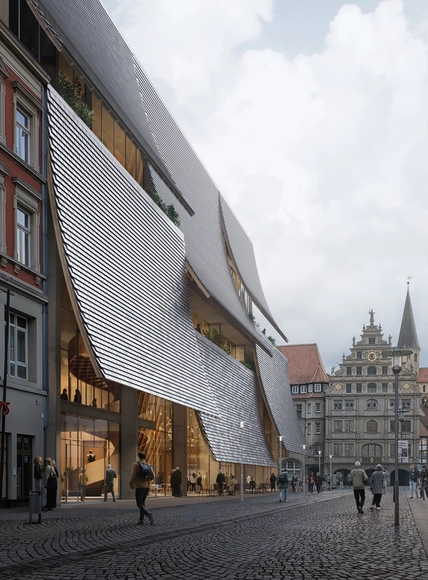
ADEPT Wins Competition to Transform Former Warehouse Into Haus Der Musik in Braunschweig, Germany

Copenhagen and Hamburg-based architecture office ADEPT has won first prize in the international competition to transform a former Karstadt warehouse in the historic center of Braunschweig, Germany, into the Haus der Musik. The 18,000-square-meter cultural complex will include a new concert hall, a public music school, and community-oriented spaces. Emphasizing adaptive reuse, the project retains the existing load-bearing structure and architectural rhythm, positioning the intervention as a continuation rather than a replacement.
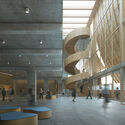
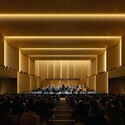
ADEPT Wins Competition to Transform Former Warehouse Into Haus Der Musik in Braunschweig, Germany - Image 1 of 4ADEPT Wins Competition to Transform Former Warehouse Into Haus Der Musik in Braunschweig, Germany - Image 2 of 4ADEPT Wins Competition to Transform Former Warehouse Into Haus Der Musik in Braunschweig, Germany - Image 3 of 4ADEPT Wins Competition to Transform Former Warehouse Into Haus Der Musik in Braunschweig, Germany - Image 4 of 4ADEPT Wins Competition to Transform Former Warehouse Into Haus Der Musik in Braunschweig, Germany - More Images+ 1

Exploring Fluid Forms in Indian Architecture: A Cultural Perspective

Subscriber Access | 

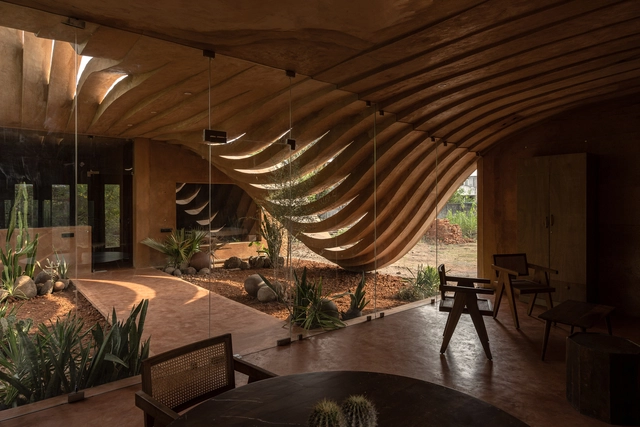
This year marked another milestone for Indian architects in pushing the boundaries of contemporary practice nationwide. A noticeable trend among the projects featured on ArchDaily has been the embrace of fluid forms, a subtle homage to vernacular practices that parallels a gradual departure from India's legacy of modernist design rhetoric. Indian architecture praxis has evolved to reflect a deeper engagement with local contexts alongside a willingness to experiment with global influences. This approach is likely to subsist in the coming years, opening the door for new architectural expressions in the country.

Where design moves beyond rigid geometries to celebrate fluidity, architects across the subcontinent reimagine spatial experiences with forms that flow, merge, and breathe. Challenging conventional architectural paradigms, these projects continue to draw inspiration and proliferate deeply rooted cultural narratives. In India's case, the embrace of fluidity in architecture reflects an interplay of themes: materiality, memory, craftsmanship, and the living context of space.

Exploring Fluid Forms in Indian Architecture: A Cultural Perspective - Image 1 of 4Exploring Fluid Forms in Indian Architecture: A Cultural Perspective - Image 8 of 4Exploring Fluid Forms in Indian Architecture: A Cultural Perspective - Image 6 of 4Exploring Fluid Forms in Indian Architecture: A Cultural Perspective - Image 10 of 4Exploring Fluid Forms in Indian Architecture: A Cultural Perspective - More Images+ 11

15 Interiors that Illustrate the Effectiveness of Indirect Lighting

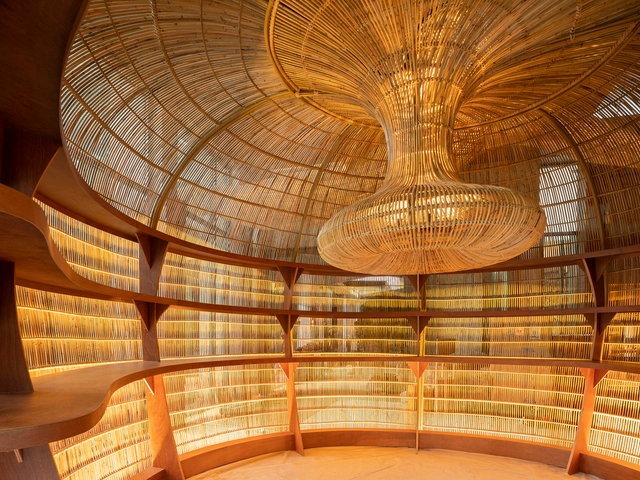
Lighting is often a numbers game — too much, and interiors lose their edge (literally), too little, and the dim atmosphere can make a space seem bland. Its importance in interior design cannot be overstated: done right, it not only accentuates a space's architectural features but also makes inhabitants feel at ease. As Carmelo Zappulla of Lighting Studio External Reference explains in a recent interview with Architonic, light is a crucial tool to add an emotional element and "animate a space." It follows that a lighting concept gone wrong can have catastrophic consequences for an otherwise perfectly designed room.

15 Interiors that Illustrate the Effectiveness of Indirect Lighting - Image 1 of 415 Interiors that Illustrate the Effectiveness of Indirect Lighting - Image 2 of 415 Interiors that Illustrate the Effectiveness of Indirect Lighting - Image 3 of 415 Interiors that Illustrate the Effectiveness of Indirect Lighting - Image 4 of 415 Interiors that Illustrate the Effectiveness of Indirect Lighting - More Images+ 11

How Architecture Communicates the Greater Cultural Context: 4 Projects by Studio Libeskind

Subscriber Access | 

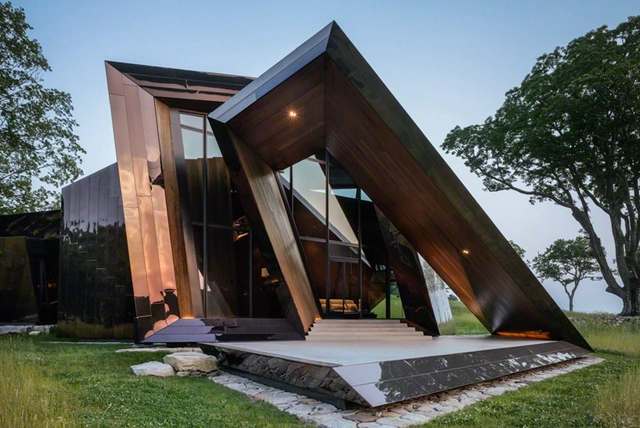
Polish-American architect, artist, professor, and set designer, Daniel Libeskind, founder of Studio Libeskind in 1989, believes that buildings are crafted with perceptible human energy, constructed with the intention to address the greater cultural context in which they are built. His commitment to expanding the scope of architecture reflects his profound interest and involvement in philosophy, art, literature, and music.

He addresses the notion of drawings being akin to a score, a piece of music that is interpreted by a like-minded community. Proportions, light, and materiality are all implicated in the drawing, and in this same way, buildings are also called to present space, atmosphere, and illuminate the practice.

How Architecture Communicates the Greater Cultural Context: 4 Projects by Studio Libeskind - Image 1 of 4How Architecture Communicates the Greater Cultural Context: 4 Projects by Studio Libeskind - Image 2 of 4How Architecture Communicates the Greater Cultural Context: 4 Projects by Studio Libeskind - Image 3 of 4How Architecture Communicates the Greater Cultural Context: 4 Projects by Studio Libeskind - Image 4 of 4How Architecture Communicates the Greater Cultural Context: 4 Projects by Studio Libeskind - More Images+ 23